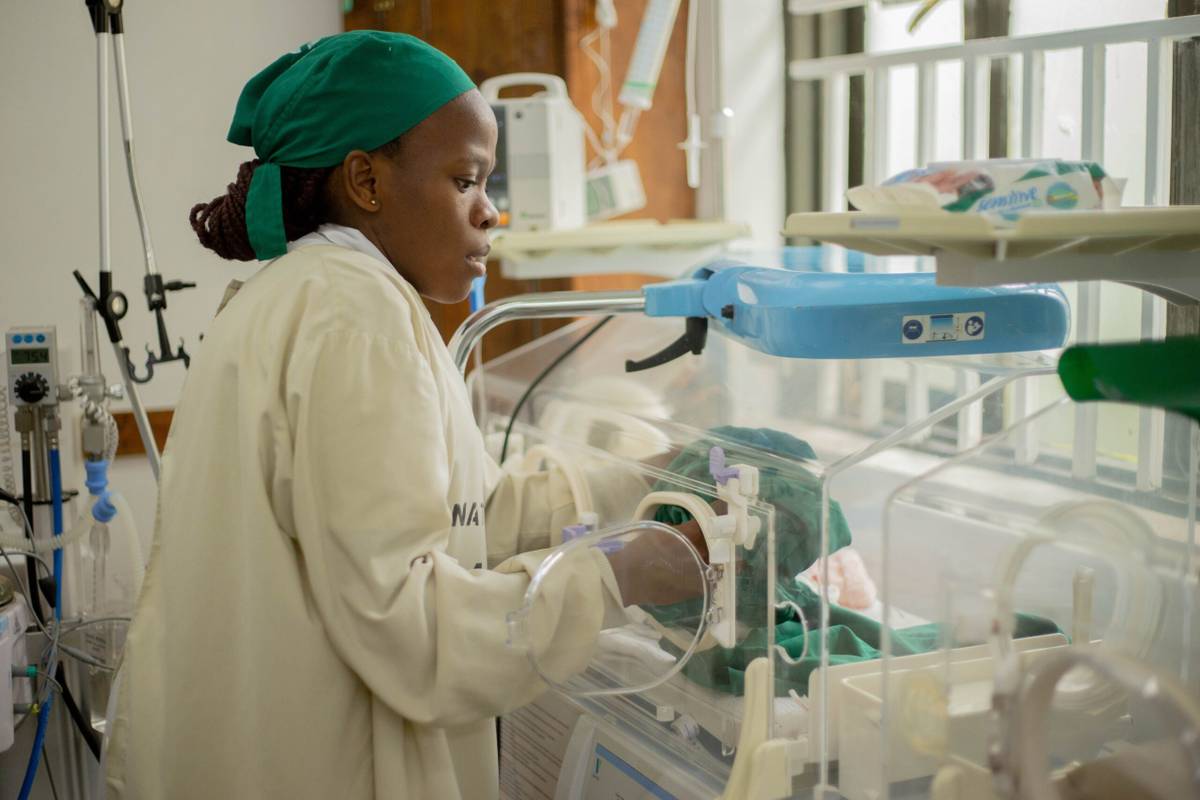
The government has announced immediate steps to strengthen NHS safeguarding, accountability and neonatal safety after the final report of the Thirlwall Inquiry into events at the Countess of Chester Hospital. The announcement is significant because it is not limited to one hospital or one clinical specialty: it points to wider changes in how concerns are escalated, how managers are held accountable and how families are reassured when babies are receiving hospital care.
The Department of Health and Social Care announcement published on 15 September 2026 says the government will act on the inquiry’s patient-safety recommendations. Measures include work on neonatal “cot cams”, stronger inspections, safeguarding reforms and tougher accountability for NHS managers.
For parents and families, the most useful question is not simply what the government has promised. It is how these reforms may change what happens when a family raises a concern about care, deterioration, communication or safeguarding.
Why the Thirlwall Inquiry matters beyond one hospital
The inquiry examined how concerns were handled at the Countess of Chester Hospital and the systems surrounding the deaths and collapses of babies on the neonatal unit. Its findings have led to questions about whether staff concerns were escalated quickly enough, whether managers responded appropriately and whether existing safety systems gave families enough protection.
Those questions matter across the NHS because patient safety often depends on several layers working together: frontline observation, clinical escalation, safeguarding, senior management, inspection and organisational culture.
A strong safety system should not rely on one person being unusually persistent. It should make it easier for staff and families to raise credible concerns and harder for serious warning signs to be ignored.
What the government has announced
The government says immediate work will focus on strengthening accountability and safeguarding. It has also launched urgent work on the potential use of “cot cams” in neonatal units. These would be cameras used in a controlled clinical environment, with the aim of improving safety and reassuring parents.
The idea will need careful implementation because cameras in neonatal settings raise questions about privacy, consent, data security and how footage would be accessed. A camera cannot replace staffing, clinical supervision or a culture where concerns are acted on. At best, it would be one additional safeguard within a wider system.
The government also says NHS inspections and management accountability will be strengthened. Families should watch for the practical detail: who is responsible for acting when concerns arise, how quickly action is expected and what evidence will show that reforms are working.
What stronger safeguarding should mean for families
Safeguarding is sometimes associated only with social care or obvious abuse. In hospitals, it can also include situations where a patient may be at risk because warning signs are being missed, concerns are not being escalated or systems are failing to protect vulnerable people.
Parents should be able to ask who the safeguarding lead is, how serious concerns are recorded and how they can escalate if they believe a problem has not been addressed.
That does not mean every disagreement about treatment is a safeguarding issue. Clinical teams may make decisions that families find difficult. The key distinction is whether there is a genuine risk to safety, a failure to respond to deterioration or a concern about conduct that requires formal review.
How this connects with Martha’s Rule
The patient-safety reforms sit alongside the continuing rollout of Martha’s Rule, which gives patients, families and staff a formal route to request an urgent review when they are worried about deterioration.
Our guide to Martha’s Rule explains how the escalation route works and what families can do when they believe a patient is getting worse.
The two developments are related but not identical. Martha’s Rule focuses on urgent clinical deterioration. Thirlwall-related reforms are broader and include safeguarding, management accountability, inspections and organisational response to concerns.
What parents can do when a baby is in neonatal care
Neonatal care can be overwhelming. Parents may be dealing with unfamiliar equipment, medical language, rapid changes and fear about their baby’s condition. It can be difficult to know which questions are reasonable to ask.
Useful questions include:
- What is the main clinical concern today?
- What changes would make the team more worried?
- Who is the senior clinician responsible for the plan?
- How often is the plan reviewed?
- How can parents raise an urgent concern?
- Who should be contacted if the family believes something has changed?
Families can also keep brief notes of important conversations, especially when care is changing quickly or several teams are involved.
Why staff speaking up matters
A major lesson from serious patient-safety failures is that staff need to be able to raise concerns without fearing retaliation or being dismissed as difficult. Frontline workers often see patterns that are not obvious from incident reports viewed one at a time.
A safe organisation should distinguish between disagreement and genuine safety concerns. Staff should know how to escalate concerns outside their immediate management line when necessary.
For patients and families, this matters because a culture that silences staff can also make it harder for relatives to be heard.
What stronger management accountability could look like
The government has said it wants tougher accountability for NHS managers. The important detail will be how responsibility is defined and enforced.
Accountability should not mean blaming one manager every time care goes wrong. Healthcare is complex, and many incidents involve system failures. But leaders should be responsible for whether concerns are investigated, whether staff are supported to speak up, whether repeated warning signs are recognised and whether agreed safety actions are actually implemented.
Transparent reporting can help families see whether an organisation is learning from serious incidents rather than simply promising improvement.
Why inspections matter, but cannot do everything
Regulatory inspections can identify unsafe systems, staffing problems and weak governance. But inspections are periodic. Day-to-day safety depends on the organisation’s own culture and processes between inspections.
That means stronger inspections should be combined with reliable local escalation routes, incident review, whistleblowing protection and meaningful involvement of patients and families.
What the proposed cot-camera work may involve
The government has described urgent work on neonatal cot cams rather than announcing a finished national camera policy. That distinction matters.
Questions that will need to be resolved include when cameras would operate, who could view footage, how long recordings would be kept, what happens if parents object and how data protection would be managed.
Families should therefore be cautious with headlines suggesting cameras will immediately be installed in every neonatal unit. The policy work is still developing.
How families can raise concerns effectively
When something feels wrong, specific information is more useful than general frustration. Describe what changed, when it happened and why it concerns you. Ask who has reviewed the issue and what will happen next.
If a concern is not resolved, ask about the hospital’s escalation process, patient advice service, safeguarding lead or formal complaint route. For urgent deterioration, use the relevant clinical escalation route rather than waiting for a complaint process.
Our Healthcare Navigation guide explains how to prepare a concise timeline, questions and supporting information before speaking with NHS services.
What parents should not have to do
Families should not have to become experts in hospital governance to get a serious safety concern heard. They should not have to repeatedly tell the same story to multiple departments without anyone taking responsibility.
Good reform should make responsibility clearer: who receives the concern, who investigates it, who communicates with the family and who confirms that action has been taken.
What success would look like
The success of the post-Thirlwall reforms should be judged by outcomes, not announcements. Warning signs should be recognised earlier. Staff concerns should be escalated reliably. Families should know where to turn. Serious incidents should lead to visible learning and changes in practice.
There should also be evidence that leaders are held accountable when they repeatedly fail to act on credible safety concerns.
The bottom line
The government’s September 2026 response to the Thirlwall Inquiry marks an important patient-safety moment. The announced work on safeguarding, management accountability, inspections and neonatal cot cams shows that the response is intended to reach beyond one hospital.
For families, the practical test will be whether it becomes easier to raise concerns, get an independent review when necessary and understand what action has been taken.
How families can document a serious concern
When a safety concern is raised, a short factual record can be useful. Write down the date and time, what was observed, who was told and what response was given. Avoid trying to diagnose the problem yourself. The strongest record describes the change and the response clearly enough that another clinician or reviewer can understand what happened.
If the concern continues, ask who is responsible for reviewing it and when the family should expect an update. In complex cases, a written chronology can help when several teams, shifts or departments are involved.
Why learning after an incident matters
Patient-safety investigations are not useful if recommendations disappear into reports. Families should be able to see whether organisations changed staffing, escalation routes, supervision, training or governance after serious incidents. Repeated failures to implement earlier recommendations are themselves an important warning sign.
National reforms can set expectations, but local boards and clinical leaders still need to show how those expectations are being translated into everyday practice.
What to expect from clearer accountability
Stronger accountability should make it easier to identify who was responsible for receiving a concern, who had authority to act and who reviewed the outcome. It should also reduce situations where responsibility is passed between departments until nobody appears accountable.
For families, good accountability does not necessarily mean punishment after every adverse event. It means clear ownership, transparent investigation and evidence that lessons were acted on.
How parents can prepare without becoming overwhelmed
Parents with a baby in neonatal care already have a heavy emotional and practical burden. They should not feel pressure to monitor every clinical detail. A realistic approach is to know the names of the main team, understand the current plan, ask what changes should prompt concern and keep a brief note of major decisions.
If something feels different, raise it early. Parents know their baby in a way that staff rotating through shifts may not, and respectful clinical care should make space for that knowledge.
This article provides general information about NHS patient-safety reforms and does not replace individual clinical or legal advice. Policies and implementation details may change as the government publishes further guidance.