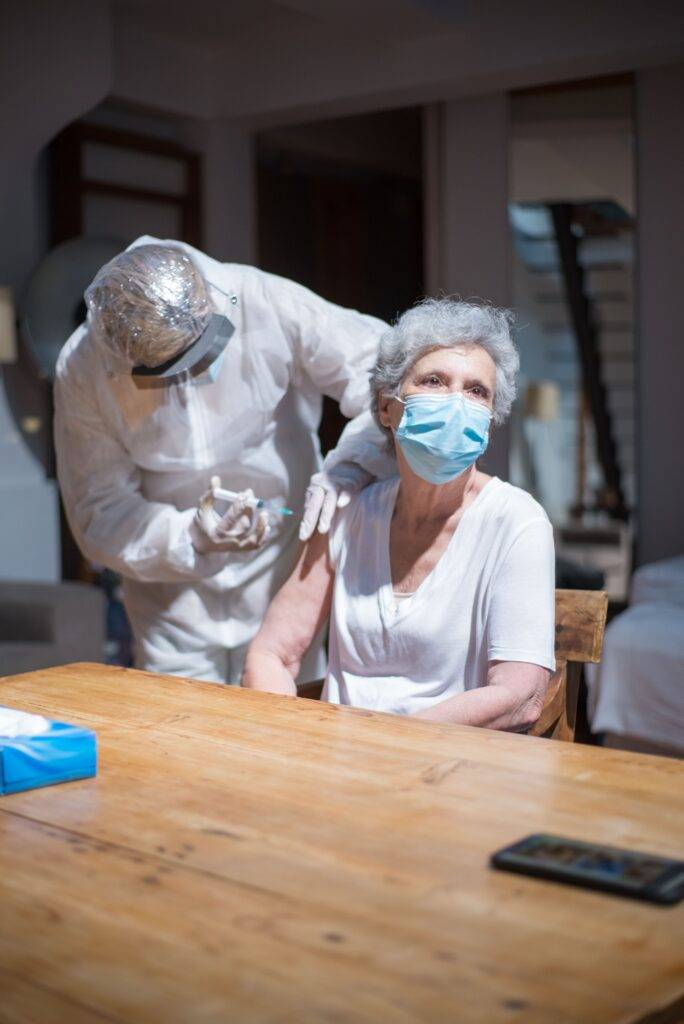
The NHS is urging eligible young people to complete a two-dose MenB vaccination course before starting university or residential further education this autumn. The timing matters because moving into halls, sharing kitchens and bathrooms, socialising closely and meeting large numbers of new people can increase exposure to meningococcal bacteria.
In its 3 September 2026 update, NHS England said 246,089 MenB doses had been given since the programme began on 20 July. It is now urging eligible students to book their second dose, because two doses at least 28 days apart are needed for the intended protection.
For students and parents, the key message is practical: check eligibility, check whether dose one has already been given, and do not assume one injection completes the course.
Who is eligible?
NHS England says the programme includes people born between 1 September 2007 and 31 August 2008, people born on or after 21 July 2001 who are starting university for the first time this autumn, and people born on or after 21 July 2001 who are starting certain residential further-education colleges for the first time this autumn.
Eligibility rules are specific, so students outside those groups should not assume they qualify through this programme. If you are unsure, use the NHS booking information or ask a participating pharmacy.
Why university students have a higher risk
Meningococcal bacteria can spread through close and prolonged contact, including kissing, sharing drinks or vapes, and living in the same household. University life creates many of those conditions at once, especially during freshers’ weeks and the first months in shared accommodation.
NHS England says first-year university students have a risk of MenB disease around seven times higher than young people of a similar age who are not attending university.
The absolute risk for any individual student is still low, but meningococcal disease can progress very quickly and can cause meningitis or sepsis. That is why prevention and early recognition both matter.
Why two doses matter
The 2026 programme uses two doses, with at least 28 days between them. A student who has received the first dose should not assume they are fully covered.
The second dose is intended to complete the course and improve protection before students settle into the higher-contact environment of university life. If the second dose is delayed beyond the planned interval, students should ask the vaccination service what to do rather than assuming the course must be restarted.
How to book
Eligible students can use the NHS National Booking Service for appointments at participating community pharmacies or contact a participating pharmacy directly. Because university start dates vary, students should check availability early rather than waiting until the day before they travel.
What MenB disease can cause
MenB is short for meningococcal group B disease. The bacteria can cause meningitis, which is inflammation of the membranes around the brain and spinal cord, and septicaemia or sepsis, where infection triggers a dangerous systemic response.
Survivors can sometimes experience long-term complications including hearing loss, neurological injury, scarring or limb loss. Some cases are fatal. That is why rapid recognition matters even in vaccinated people. No vaccine offers complete protection against every possible case.
Warning signs students should know
Meningitis and sepsis can begin with symptoms that resemble flu or another viral illness. Possible warning signs can include severe headache, fever, vomiting, stiff neck, marked sleepiness, confusion, sensitivity to light, seizures, rapidly worsening illness or a rash that does not fade under pressure.
A rash is not always present, especially early. People should not wait for one if someone is seriously unwell.
Cold hands and feet, severe muscle pain, fast breathing, pale or mottled skin and difficulty waking can also be concerning signs of sepsis. If meningitis or sepsis is suspected, seek emergency medical help immediately.
Why “freshers’ flu” can be confusing
Many students develop coughs, sore throats and minor viral infections after arriving at university because they are mixing with new groups of people. That common experience is often called freshers’ flu.
The problem is that serious infections can initially look similar. The useful question is not whether the student has a fever or sore throat, but whether they are becoming unusually unwell, deteriorating quickly, confused, difficult to wake or showing other warning signs.
Should students also check other vaccines?
Yes. Starting university is a useful time to check the wider vaccination record. MenACWY vaccination remains important for protection against other meningococcal groups, and students may also need to check routine vaccinations such as MMR.
MenB vaccination does not replace MenACWY. They protect against different groups of meningococcal bacteria.
What parents can do before a student leaves home
Parents do not need to supervise every health decision, but a few practical steps can help: check whether both MenB doses are completed, make sure the student knows their GP details and NHS number if available, encourage them to register with a GP near university, review allergies and regular medicines, and talk through meningitis and sepsis warning signs without creating unnecessary fear.
Our Healthcare Navigation guide explains how to keep important health information organised when moving between services or locations.
What if a student has already had MenB as a child?
Many younger people received MenB vaccination in childhood after the infant programme was introduced. The 2026 university programme has its own eligibility criteria and schedule, so students should follow the current NHS offer rather than assuming that childhood vaccination answers the question.
Where vaccination history is uncertain, the NHS or GP record can help confirm what has previously been given.
Are side effects expected?
As with other vaccines, short-term effects can include soreness at the injection site, fatigue, headache or feeling unwell. These usually settle without treatment beyond ordinary self-care.
Serious allergic reactions are rare. Anyone with a history of severe allergy to a vaccine component should tell the vaccinating professional before the dose is given.
Why pharmacies are central to this programme
Community pharmacies are being used to make vaccination easier to access during a narrow period when students are preparing to move. This reflects a broader NHS strategy of using pharmacies for more preventive and clinical services.
For students, that can remove the need to wait for a GP appointment simply to receive an eligible vaccination.
What to do if someone becomes seriously ill at university
Students living away from family should know how to access urgent care locally. NHS 111 can advise when the situation is urgent but not immediately life-threatening. Call 999 for severe or rapidly worsening symptoms, especially where meningitis or sepsis is suspected.
Friends and housemates can be important because a seriously ill student may not recognise how quickly they are deteriorating. If someone is difficult to wake, confused or becoming rapidly more unwell, do not leave them alone to “sleep it off.”
How housemates can help
Students should tell at least one trusted housemate if they have a serious allergy, long-term condition or medication that may be relevant in an emergency. Nobody needs to disclose more than they are comfortable with, but a small amount of shared practical information can help if someone becomes acutely unwell.
It is also sensible to keep emergency contacts easy to find and to know the address of the accommodation in case someone else needs to call an ambulance.
Why timing matters this autumn
The NHS push is happening now because the highest-contact period often begins as soon as students arrive. Freshers’ events, crowded indoor spaces and new shared accommodation can all increase opportunities for transmission before students have fully settled into university routines.
Completing the second dose before or early in that period is therefore more useful than leaving it until months later.
The bottom line
The NHS has delivered almost a quarter of a million MenB doses through the new 2026 programme, but students need two doses at least 28 days apart for the intended protection. Eligible young people starting university or residential further education should check their status and book the second dose if it is due.
Vaccination reduces risk, but students and families should still know the warning signs of meningitis and sepsis because rapid treatment can be lifesaving.
Why close-contact habits matter in halls
University accommodation changes daily routines very quickly. Students may share drinks, food, vapes, bathrooms and crowded social spaces with people they met only days earlier. Those ordinary social behaviours can increase opportunities for meningococcal bacteria to spread from one person’s nose or throat to another.
That does not mean students should avoid normal university life. It means vaccination and awareness are especially useful during the first weeks, when contact patterns change suddenly and people may dismiss serious symptoms as tiredness, alcohol effects or a routine viral illness.
What friends should do if they are worried
A housemate who is becoming confused, very drowsy or rapidly more unwell should not be left alone. Friends may need to call NHS 111 or 999 even if the person says they just want to sleep. Serious meningococcal illness can progress quickly, and delay can matter.
If calling for help, be ready to describe the person’s symptoms, when they began and whether there is a rash, breathing difficulty, severe headache, neck stiffness or altered consciousness.
What to do with a missed appointment
Students who miss a booked dose should rearrange it rather than abandoning the course. Pharmacy appointment availability can change rapidly during the university-start period, so rebooking early is sensible.
Keep evidence of the first dose if it was given somewhere different, especially if the second appointment is with another pharmacy.
Why parents should avoid false reassurance
Vaccination is valuable, but parents should not assume a vaccinated student cannot develop meningitis or sepsis. MenB vaccination does not protect against every cause of meningitis, and even targeted vaccines are not 100% effective.
The safest message is two-part: complete the recommended vaccination course and still act quickly if severe warning signs develop.
University health planning beyond vaccination
Students with asthma, diabetes, epilepsy, severe allergy or other ongoing conditions should make sure prescriptions and emergency medicines are organised before moving. Registering with a local GP early can prevent delays later.
A short health summary stored securely on a phone can also help in an emergency, particularly if the student has medicines or allergies that housemates may not know about.
This article provides general vaccination and health information. Eligibility and individual clinical advice should be confirmed through NHS services or a healthcare professional.