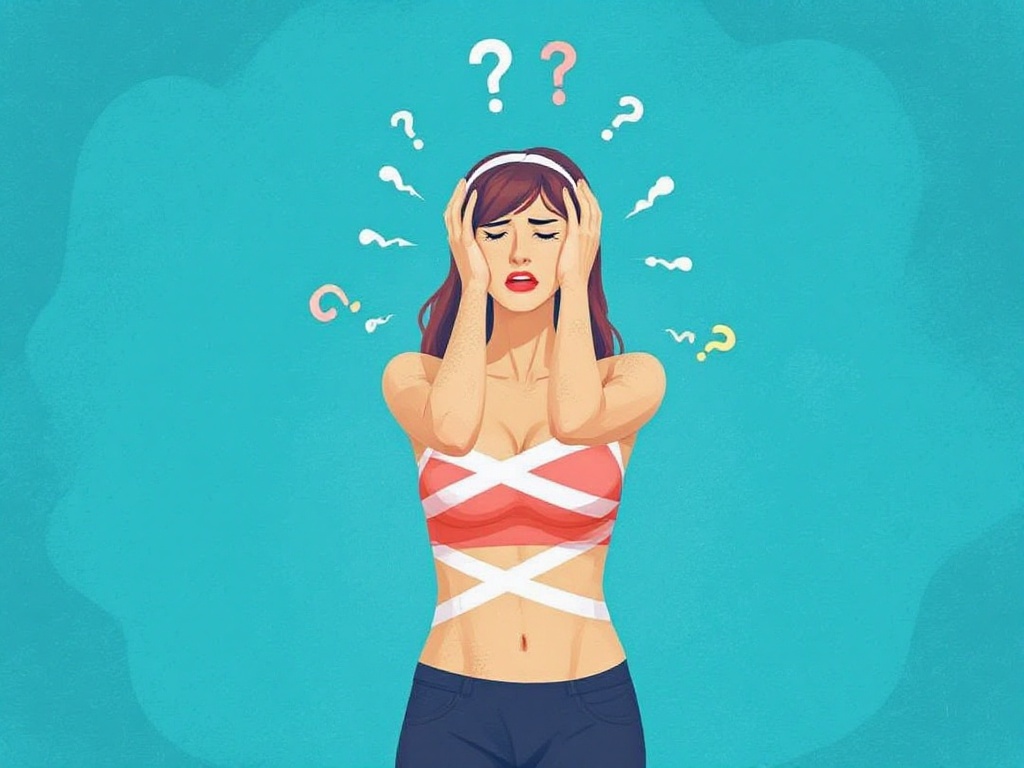
Updated 24 September 2026. Stress and weight can be connected, but not through one simple pathway such as “high cortisol causes belly fat”. Stress can change sleep, eating, alcohol use, activity, appetite and decision-making. Those behavioural changes can affect weight over time, while weight stigma and body dissatisfaction can themselves become sources of stress.
The earlier stress-and-weight article reduced the subject to a cortisol story, described relaxation as a weight-loss superpower and suggested that sleep could act as a metabolic reset. That was too simplistic.
This updated guide explains the relationship more carefully, including what current research says about chronic stress, emotional eating, sleep and weight-management behaviour.
Stress is a real physiological response—but weight change is not automatic
Stress is the body’s response to pressure or perceived threat. The NHS Every Mind Matters guidance on stress explains that stress can affect mood, physical symptoms, sleep, eating, exercise and use of alcohol or other substances.
That makes stress relevant to weight management, but it does not mean every period of stress leads to weight gain.
A systematic review of psychological stress and anthropometric and biological outcomes found that the evidence was inconsistent and that many included studies did not support a simple direct effect of chronic distress on body measurements or biological markers. The review did, however, suggest that stress can interact with unhealthy lifestyle patterns.
That is a more accurate summary than “stress hormones make you fat”.
1. Stress can change how much you eat
Some people eat more during stressful periods, while others lose their appetite. The direction is not the same for everyone.
For people who experience emotional eating, food may become a way to regulate difficult feelings, create temporary comfort or interrupt boredom and overwhelm.
A 2025 systematic review and meta-analysis of emotional-eating interventions found that targeted psychological and behavioural interventions can reduce emotional eating and may also support weight loss in adults living with overweight or obesity.
This suggests that emotional eating deserves direct attention rather than simply telling someone to “have more willpower”.
2. Stress can change what foods feel appealing
When people are tired, rushed or emotionally overloaded, highly palatable convenience foods can become more appealing because they require less planning and provide immediate reward.
This is not proof that one stress hormone forces a particular food choice. It is a behavioural response shaped by availability, habits, sleep and emotional state.
A useful intervention is therefore to make easier food options available before stress peaks—for example, keeping simple meals, fruit, yoghurt, soup, frozen vegetables or protein-rich snacks available.
3. Stress can disrupt sleep, and poor sleep can complicate weight management
Stress often makes it harder to fall asleep or stay asleep. In turn, poor sleep can increase hunger, reduce energy and make exercise or meal planning harder.
BetterCare’s evidence-based guide to sleep and weight loss explains that improving insufficient sleep may help some people regulate energy intake, but sleep itself is not a fat-burning treatment.
If stress is regularly reducing sleep to a few hours a night, fixing sleep opportunity may be a more useful first step than changing the diet again.
4. Stress can reduce everyday movement
When work or life becomes overwhelming, exercise is often one of the first routines to disappear.
Long working hours can also mean more sitting and less incidental movement.
The solution does not need to be a hard workout. The NHS recommends at least 150 minutes of moderate activity per week or 75 minutes of vigorous activity, plus strengthening work on at least two days.
During a stressful period, short walks or brief home sessions can help preserve the habit.
5. Alcohol can become a hidden stress-and-weight link
Some people drink more when stressed. Alcohol adds energy, can affect sleep and may make food choices less deliberate.
If drinking has increased during a difficult period, reducing frequency or quantity may help both mental wellbeing and weight management.
Do not use alcohol as a primary stress-management strategy. If cutting down feels difficult, speak with a GP or alcohol-support service.
6. Cortisol matters, but it is not a diagnosis
Cortisol is an essential hormone involved in the normal stress response, metabolism and daily circadian rhythm.
Online wellness content often treats cortisol as though any fatigue, abdominal weight gain, poor sleep or craving proves “high cortisol”. That is not clinically appropriate.
True endocrine disorders involving cortisol require medical assessment and testing. A supplement, detox or breathing technique cannot diagnose or treat them.
For ordinary psychological stress, focus on the stressor, behaviour and support needs rather than trying to “flush cortisol”.
7. Weight stigma can itself increase stress
Weight-related discrimination can affect mental health and may create another layer of stress around food, exercise and healthcare.
A 2025 systematic review of weight-based discrimination and cortisol found that the evidence remains methodologically mixed, but the broader psychological harm of weight stigma is well recognised.
Weight-management care should avoid shame. People are more likely to benefit from practical support than from being blamed for body size.
8. Emotional eating is common enough to be taken seriously
A 2025 systematic review and meta-analysis found emotional eating was common in populations living with overweight or obesity, although prevalence estimates varied widely between studies.
The practical point is that emotional eating is not rare and should not be treated as a character flaw.
If eating repeatedly becomes the main way to manage sadness, anger, loneliness or stress, addressing the emotional trigger can be more useful than imposing a stricter food rule.
9. Restriction can make stress eating harder to manage
A very restrictive diet may work temporarily when life is calm but become difficult during stress.
If someone is skipping meals, banning many foods and relying on willpower, a difficult day can trigger intense hunger and overeating.
A more flexible eating pattern with regular meals and enough protein, fibre and energy can reduce the physical hunger that compounds emotional eating.
10. Stress management should be useful even if the scale does not change
Breathing exercises, walking, social contact, counselling, mindfulness or better boundaries can all help some people manage stress.
But their value should not depend on whether they cause weight loss.
If a five-minute breathing exercise helps you feel calmer before a meeting, that is a health benefit. It should not be sold as a belly-fat strategy.
Practical strategies when stress is affecting eating
Identify the pattern before trying to stop it
For one week, note when eating happens outside ordinary hunger. Record the situation, feeling and what happened next.
The goal is not to judge yourself. It is to notice whether the trigger is work, conflict, boredom, exhaustion or skipping earlier meals.
Create a pause
When possible, wait five to ten minutes before acting on a stress-driven urge to eat. Drink something, leave the kitchen, take a short walk or write down what you are feeling.
If you are genuinely hungry after the pause, eat. The exercise is about distinguishing hunger from an automatic stress response.
Keep satisfying food available
Stress makes decision-making harder. Keep easy options that provide protein and fibre rather than relying entirely on highly palatable snack foods.
Avoid “starting again Monday”
One difficult evening does not require a compensatory fast or punishing workout.
Return to your normal routine at the next meal.
Practical strategies when stress is reducing movement
Lower the threshold.
- Walk for ten minutes instead of cancelling an hour-long workout.
- Do one set of several strength exercises at home.
- Take phone calls while walking where practical.
- Use stairs or active travel when convenient.
During a difficult period, preserving the habit can be more important than maximising performance.
When stress deserves professional help
The NHS stress guidance recommends seeking help when stress is affecting daily life or becomes difficult to manage.
NHS Talking Therapies can support people with anxiety, depression and stress-related difficulties, and in many areas adults can self-refer.
Professional help is particularly important when stress is associated with persistent low mood, panic, severe insomnia, harmful alcohol use, self-harm thoughts or an eating disorder.
When weight change should not be blamed on stress
Unexplained or rapid weight change can have many causes.
Speak with a GP if weight is changing substantially without an obvious reason, especially with symptoms such as persistent fatigue, bowel changes, excessive thirst, palpitations, menstrual changes or new medicines.
Stress may be part of the picture, but it should not become a diagnosis that prevents proper assessment.
A simple stress-and-weight reset for one week
- Day 1: identify the biggest current stressor and one practical action you can take.
- Day 2: notice whether stress is changing meal timing or snacking.
- Day 3: protect a realistic bedtime.
- Day 4: add a 10- to 20-minute walk.
- Day 5: reduce one stress-related drink or snack habit if it is frequent.
- Day 6: talk to someone about the stress rather than managing it entirely alone.
- Day 7: review what made the week easier and keep only the useful changes.
This is not a cortisol detox. It is a behavioural reset.
Questions that come up around Stress and Weight
Can stress make you gain weight?
It can contribute for some people by changing eating, sleep, alcohol use and activity, but weight gain is not an automatic response to stress.
Does cortisol cause belly fat?
The relationship is more complex than that. Cortisol is involved in normal metabolism and stress responses, but ordinary abdominal weight gain should not be diagnosed as “high cortisol” without clinical evidence.
Can stress make you lose weight?
Yes. Some people lose appetite or eat less during stress. Significant or unexplained weight loss still deserves medical attention.
What is emotional eating?
It is eating in response to emotional states rather than, or in addition to, physical hunger. It can be occasional or become a persistent pattern.
Can mindfulness help with emotional eating?
Some psychological and behavioural interventions can help reduce emotional eating. Mindfulness may be one component, but no single technique works for everyone.
Should I focus on stress before trying to lose weight?
If stress is disrupting sleep, eating and daily function, managing it may make weight-management habits easier. Both can also be addressed together.
What matters beyond the headline
Stress and weight are connected mainly through a network of behaviours and physiological responses—not a single hormone.
Stress can change appetite, sleep, alcohol use and activity. Emotional eating is common and treatable. Weight stigma can add further stress. Addressing these factors directly is more useful than chasing a “cortisol reset”.
Manage stress because mental and physical wellbeing matter. If doing so also makes healthy eating and activity easier, that can support weight management too.
Stress-and-weight context: This is general UK health information. It does not diagnose endocrine disorders, eating disorders or mental-health conditions.
For the broader evidence-aware framework, see BetterCare’s Healthy Weight pillar guide.