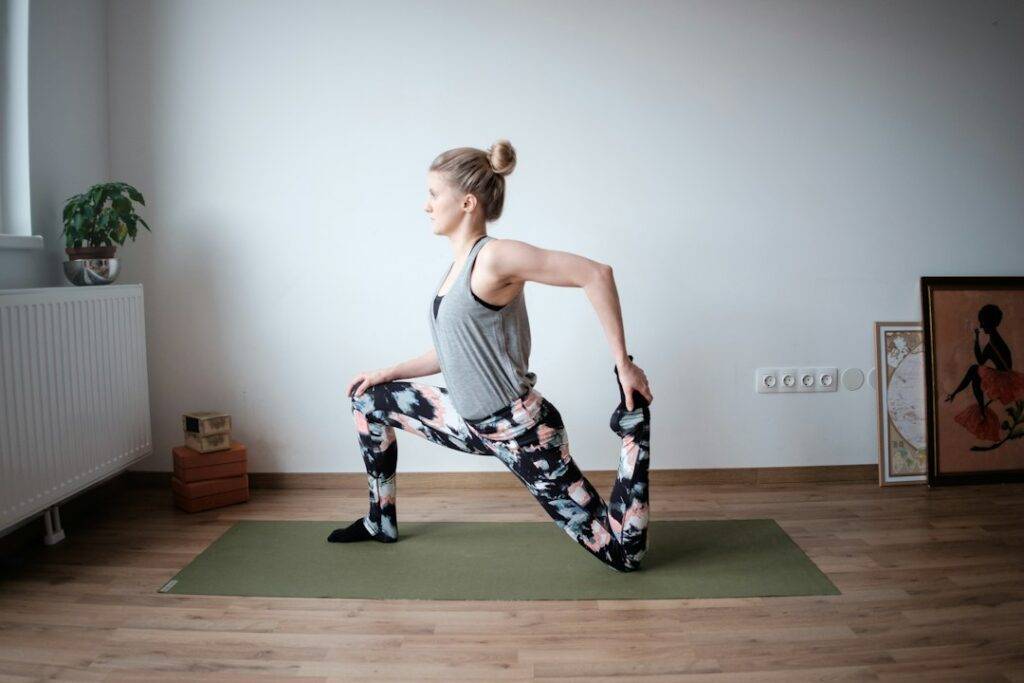
Updated 23 September 2026. If you have been prescribed Clomid (clomifene citrate) for fertility treatment, it is reasonable to wonder whether you can continue exercising. The important point is that exercise should not be presented as a way to “boost” Clomid or make the medicine work better. Clomifene is a prescription fertility medicine, and the safest approach is to follow the plan given by your fertility clinic and adjust activity when treatment, symptoms or monitoring make that necessary.
For many people, some movement can remain part of normal life during fertility treatment. However, ovarian stimulation can enlarge the ovaries, and individual fertility clinics may recommend gentler activity during treatment. University College London Hospitals, for example, advises gentle exercise such as walking during treatment because stimulation can enlarge the ovaries. Your own clinic’s advice should take priority because it can account for your diagnosis, scan findings, symptoms and treatment stage.
This guide explains what clomifene does, what current UK guidance says, why the old idea that exercise “enhances” Clomid is misleading, how to think about activity during treatment, and which symptoms should prompt medical advice.
What is Clomid (clomifene citrate)?
Clomifene is a medicine used to stimulate ovulation in some people who do not ovulate regularly or at all. NHS information on infertility treatment lists clomifene among medicines that can encourage the monthly release of an egg. Treatment is normally planned and monitored by a fertility service rather than used as a general “hormone optimisation” product.
Clomifene works by changing the way the body responds to oestrogen signals, which can increase the release of hormones involved in stimulating the ovaries. The goal is to support ovulation when clinically appropriate. It is not a fitness supplement, a weight-loss medicine or a medication that should be taken to improve gym performance.
That distinction matters because older wellness content sometimes describes Clomid as if it were part of a broad lifestyle or testosterone-enhancement routine. That framing can blur the important difference between prescribed fertility treatment and performance-enhancement claims. In the UK, current NICE fertility guidance is much more specific about when fertility medicines should be used and monitored.
Can you exercise while taking Clomid?
There is no useful one-size-fits-all answer such as “yes, exercise makes Clomid more effective” or “no, you must stop all exercise.” The right level of activity depends on your treatment plan, how your ovaries are responding, whether you have pain or other side effects, and what your fertility team has advised.
For some people, normal light activity may remain comfortable. For others, a clinic may recommend reducing intensity. UCLH advises gentle exercise during fertility treatment because stimulation can enlarge the ovaries. That is a practical reason to be cautious: the question is not whether exercise is “good” or “bad” in general, but whether a particular type and intensity of movement is appropriate for you at that point in treatment.
If you already exercise regularly, tell your fertility team what you actually do. “Exercise” can mean a 20-minute walk, a heavy barbell session, long-distance running, high-impact classes or competitive sport. Those activities place very different demands on the body. A clinician who knows your treatment response can give more useful advice than a generic online rule.
Exercise does not need to “boost” Clomid to be worthwhile
Physical activity can support general health, sleep, cardiovascular fitness, strength and emotional wellbeing. Those are legitimate reasons to stay active when it is safe and comfortable. They should not be turned into claims that exercise increases clomifene absorption, improves the medicine’s fertility effect, “detoxifies” synthetic hormones or guarantees better pregnancy outcomes.
There is also no sound basis for telling readers that sweating or exercising helps the liver “flush out” Clomid. Your liver and kidneys already handle the metabolism and elimination of medicines. Exercise can be part of a healthy lifestyle, but it is not a detox treatment.
Similarly, changes in mood, appetite, bloating or body weight during fertility treatment should not automatically be treated with harder workouts. Symptoms can have several causes, and pushing training intensity higher may be the wrong response if you are uncomfortable, dizzy, unwell or have been advised to limit activity.
Why your fertility clinic may recommend gentler activity
Fertility treatment can involve ovarian stimulation and monitoring. When the ovaries respond, they may become enlarged. That is why some fertility services advise lower-impact movement rather than intense or highly dynamic exercise during treatment. Your clinic may also change its advice as a cycle progresses or after reviewing an ultrasound scan.
Gentle walking is one example specifically mentioned by UCLH. Other everyday movement may be reasonable for some people, but it is better to ask your clinic before assuming that your usual running, jumping, heavy lifting, high-intensity intervals or twisting movements are appropriate during an active treatment cycle.
If your clinic gives you restrictions, follow them even if you feel well. Fertility treatment is monitored for a reason, and feeling energetic does not tell you how your ovaries are responding. Conversely, if your team says your normal activity is acceptable, you do not need to invent additional restrictions from social media or forums.
Symptoms that deserve medical attention
Clomifene can cause side effects, and treatment can also produce symptoms that should not be ignored. NHS fertility information from Doncaster and Bassetlaw Teaching Hospitals lists possible effects including headache, dizziness, abdominal pain, mood changes, nausea, hot flushes and visual symptoms. The same NHS leaflet advises people to stop the medication and seek medical advice if they develop problems with vision, abdominal pain or swelling, or vomiting.
If you feel unwell during a workout, do not use exercise as a test of whether you can “push through” treatment symptoms. Stop and follow the advice given by your clinic or another appropriate healthcare professional. Seek urgent medical help when symptoms are severe or when your fertility service has told you a particular symptom requires urgent assessment.
Because treatment plans differ, this article should not replace the emergency instructions supplied by your clinic. Keep those instructions accessible during the treatment cycle.
How to make your exercise plan more treatment-aware
A useful approach is to make exercise flexible rather than trying to maintain a fixed performance target. Before or during treatment, ask your fertility team questions that relate to your real routine:
- Is my current level of exercise appropriate for this stage of treatment?
- Are there activities I should temporarily avoid because of ovarian enlargement or my scan findings?
- Should I switch from high-impact activity to gentler movement?
- Are there symptoms that mean I should stop exercising and contact the clinic?
- When can I return to my normal training routine?
Those questions are more useful than asking whether exercise and Clomid “work better together.” They turn the discussion toward safety, comfort and individual monitoring rather than promising a treatment benefit that has not been established.
What about strength training, running and high-intensity exercise?
People who train regularly often want a simple list of permitted and forbidden workouts. Unfortunately, that kind of universal list can be misleading. A person early in treatment with no symptoms may receive different advice from someone whose ovaries are enlarged, who has significant discomfort or who is at a different point in a fertility cycle.
If you lift weights, run, take high-intensity classes or play a sport that involves jumping, rapid direction changes or contact, discuss that specifically with your clinic. Do not assume that being experienced or physically fit removes treatment-related considerations. Training history affects fitness, but it does not replace scan results or clinical monitoring.
If gentler exercise has been recommended, walking is a straightforward example. The goal during a temporary modification is not to preserve every fitness metric. It is to remain active within the boundaries your treatment team considers appropriate.
Clomid, PCOS and weight: avoid oversimplified advice
Clomifene may be used in some people with ovulation problems, including some people with polycystic ovary syndrome (PCOS), but fertility treatment should not be reduced to a weight-loss project. NHS and NICE care is based on the cause of the fertility problem and the person’s clinical circumstances.
It is also unhelpful to tell someone that harder exercise will automatically “balance hormones” or make ovulation treatment succeed. Exercise can support health, but fertility is influenced by many factors. In some conditions, very high exercise levels can themselves be relevant. The 2026 NICE fertility guideline advises people with hypogonadotropic hypogonadism and anovulatory infertility to moderate exercise if they undertake high levels of exercise, alongside advice about reaching a healthy weight when BMI is below 18.5.
This is a good example of why personalised advice matters: more exercise is not always better, and less exercise is not automatically necessary. The correct recommendation depends on the clinical picture.
What about men using clomifene?
Older online content often presents clomifene as a routine way for men to increase testosterone. That is too broad. The 2026 NICE fertility guideline says that for men with impaired semen parameters who do not have hypogonadotropic hypogonadism, anti-oestrogen therapy should only be considered as part of a clinical trial. NICE recommends gonadotrophin therapy for male fertility problems caused by hypogonadotropic hypogonadism.
That means BetterCare should not encourage self-directed Clomid use for male “hormone optimisation,” bodybuilding or general wellbeing. Anyone who has concerns about testosterone, fertility or semen analysis should seek proper assessment rather than using a fertility medicine based on gym or forum advice.
How long is clomifene treatment used?
Treatment duration is decided by the fertility team. NICE guidance has long placed limits on clomifene treatment, and NHS fertility services monitor response over treatment cycles. Do not extend a course, repeat a cycle or change the dose because an online article suggests that exercise, diet or supplements can make the medicine work better.
If treatment has not produced the expected response, the next step is a clinical review. Depending on the cause of the fertility problem, other approaches may be discussed. Current NICE guidance also states that ovarian stimulation should not be offered as a stand-alone treatment for unexplained fertility problems, mild endometriosis or mild male-factor fertility problems.
Common myths about Clomid and exercise
“Exercise makes Clomid work faster.”
There is no good reason to promise this. Exercise may support general wellbeing, but the medicine’s fertility effect should be assessed through the monitoring plan set by the fertility service.
“Sweating helps detox Clomid from the body.”
No. Exercise is not a medicine-detox method. Avoid detox language around prescription drugs.
“Strength training naturally boosts hormones, so it must improve Clomid results.”
This jumps from a general physiological effect to a treatment claim. A workout can influence short-term hormone responses without proving that it improves clomifene-related fertility outcomes.
“If exercise is healthy, harder exercise is better.”
Not during every fertility-treatment situation. Some clinics recommend gentle exercise because ovarian stimulation can enlarge the ovaries. Follow your own clinic’s advice.
“Clomid is a useful wellness or gym medication for men.”
That is not an appropriate general-health message. Current NICE guidance places significant limits on anti-oestrogen therapy for male fertility problems outside specific clinical circumstances and research settings.
Practical bottom line
If you are taking Clomid or another clomifene product, you may be able to continue some exercise, but the safest intensity is individual. Do not use exercise to try to amplify the drug, counteract side effects or replace treatment monitoring. Ask your fertility clinic about the activities you actually do, be prepared to reduce intensity if advised, and pay attention to symptoms.
For people currently in a monitored fertility cycle, clinic-specific instructions are more important than generic fitness advice. If you have visual changes, abdominal pain or swelling, vomiting, significant dizziness, or another symptom your clinic has told you to report, stop what you are doing and seek medical advice.
Fertility-treatment safety note: This page provides general health information for UK readers and does not diagnose fertility problems, prescribe clomifene or replace advice from a GP, fertility specialist or reproductive medicine clinic.
Reader questions on Exercise While Taking Clomid? A UK Safety Guide
Can I go to the gym while taking Clomid?
Possibly, but “the gym” covers many different activities. Ask your fertility team whether your usual training is suitable for your current treatment stage. Some fertility services recommend gentle exercise during stimulation because the ovaries can become enlarged.
Does exercise improve my chances of getting pregnant while taking Clomid?
Exercise can support general health, but it should not be promoted as a proven way to make clomifene more effective. Your treatment response is assessed clinically, and fertility outcomes depend on many factors.
Should I stop exercising if I feel bloated or uncomfortable?
Do not push through significant or worsening symptoms. Abdominal pain or swelling, vomiting and visual problems are among symptoms NHS fertility information says should prompt medical advice. Follow your clinic’s instructions, especially if you are in an active treatment cycle.
Can exercise reduce Clomid side effects?
Gentle movement may help some people feel better generally, but it should not be presented as a treatment for clomifene side effects. If side effects are troubling you, discuss them with the clinician or fertility team managing the medicine.
Is Clomid a testosterone booster for men?
It should not be treated as a general testosterone or gym supplement. Current NICE fertility guidance limits the role of anti-oestrogen treatment such as clomifene in male fertility care and recommends specialist assessment based on the underlying cause.
For the wider beginner movement framework, see BetterCare’s Move More pillar guide.