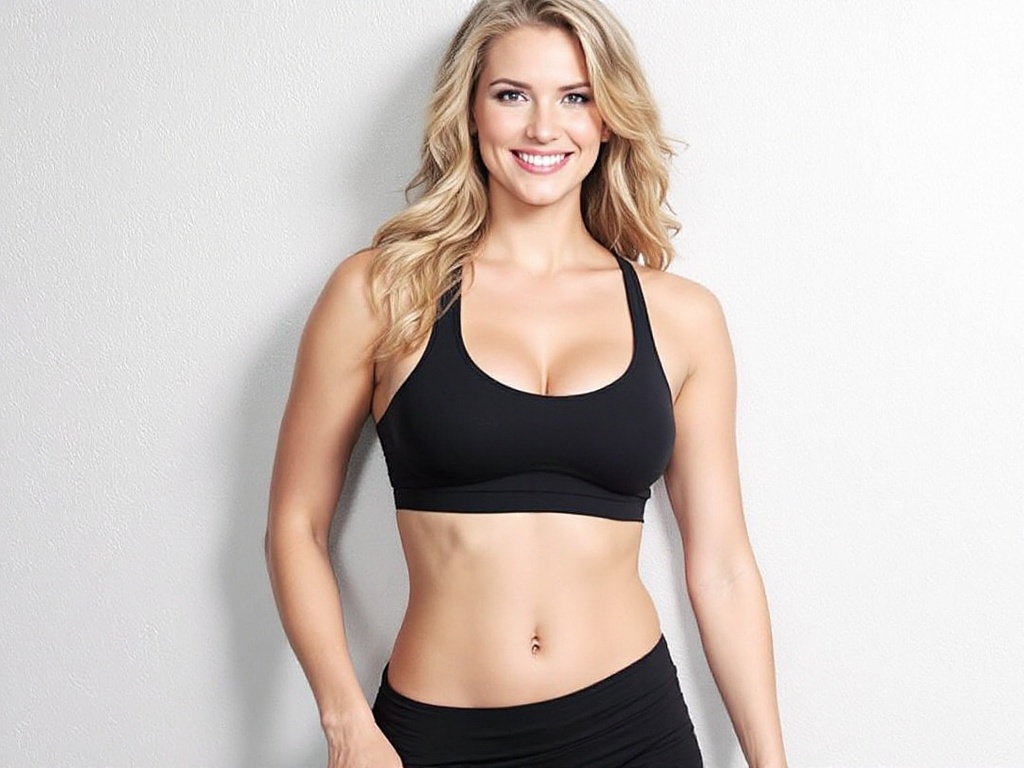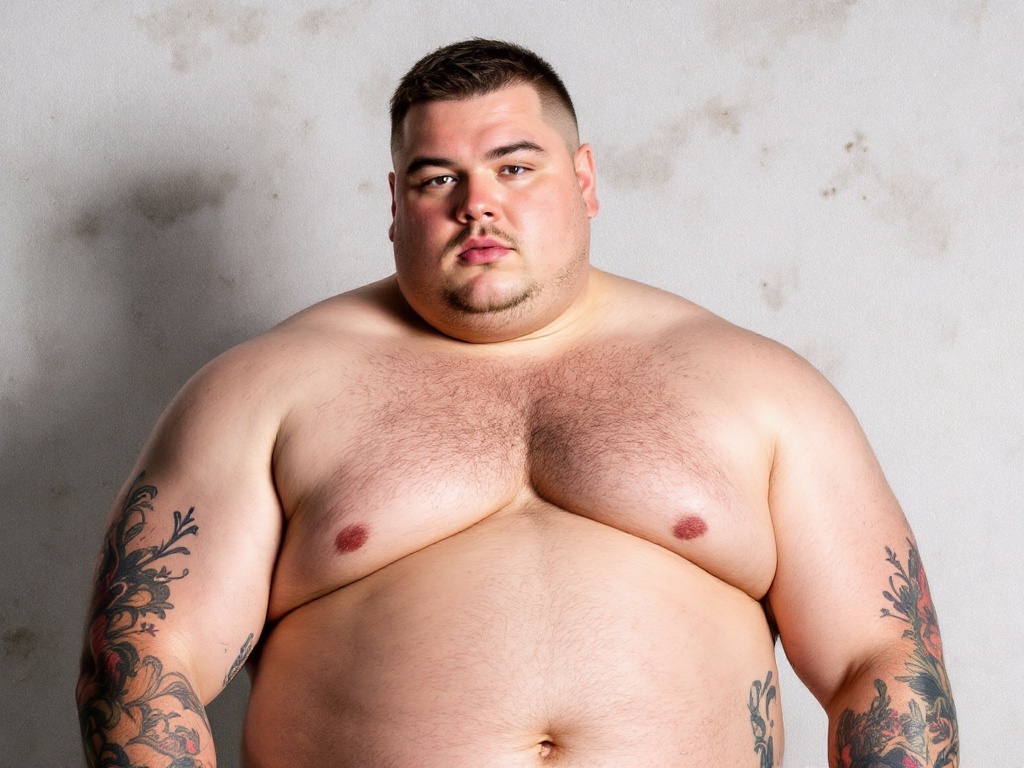
Updated 24 September 2026. Searches for “chubby male models” reflect a real interest in seeing larger male bodies in fashion, but “chubby” is not a consistent professional modelling category. The industry more often uses terms such as plus-size, curve, big-and-tall, extended-size or size-diverse, and even those labels vary between agencies and markets.
The article initially suggested that larger male models were steadily transforming fashion and that body diversity was becoming broadly established. Current runway data show a more complicated picture. Larger men are visible in campaigns, social media, commercial modelling and some designer shows, but plus-size representation on major menswear runways remains extremely small.
This updated guide looks at what is actually changing, what is not, why sample garments affect casting, how male body ideals differ across fashion categories and why a model’s body size should not be treated as a medical judgement.
“Chubby” is a search term, not a universal industry label
Some people use “chubby” neutrally or affectionately; others dislike it. Professional fashion language is usually more specific.
Terms you may see include:
- straight-size: models who fit the conventional sample-size range used by a brand;
- mid-size: bodies between conventional straight and plus-size categories;
- plus-size: larger sizing categories, with thresholds that differ between women’s and men’s fashion and between markets;
- big-and-tall: a retail category often used for men’s clothing rather than a modelling identity;
- size-diverse: a broader term describing casting across multiple body sizes.
When discussing a specific model, it is usually best to use the terminology that model or agency uses rather than assigning a label from appearance alone.
Current menswear runway data show very limited size diversity
The idea that larger male bodies are now common on high-fashion runways is not supported by current data.
A Vogue Business analysis of Fall/Winter 2026 menswear shows reviewed 2,523 looks across Milan and Paris. It reported that 98.6% of looks were shown on straight-size models, 1.2% on mid-size models and just 0.2% on plus-size models.
A later Spring/Summer 2027 menswear analysis again found only 0.2% of looks on plus-size models.
Those figures show that visibility exists, but representation at major runway shows remains exceptionally limited.
Commercial modelling and runway modelling are different markets
Runway casting is only one part of modelling.
Commercial advertising, catalogues, e-commerce, lifestyle campaigns and social-media work may use a broader range of body sizes because the goal is often to represent the customer rather than fit one runway sample.
A model who does not fit a luxury runway sample can still work successfully in commercial or specialist categories.
This is why saying “fashion only hires one body type” is too broad, while saying “major runway casting remains narrow” is supported by current evidence.
Why sample sizes influence who gets cast
Designers typically produce runway samples before a show. Those garments are made in a limited number of sizes because sampling multiple sizes requires additional pattern work, fabric, fittings, time and money.
If only one narrow sample exists, the model has to fit the garment rather than the garment being altered for a wider range of models.
This structural issue helps explain why size diversity cannot be solved entirely at the casting stage. A brand that wants broader representation has to plan multiple sample sizes earlier in the design process.
Current Vogue Business reporting on size-inclusive fashion shows has highlighted exactly this challenge: creating multiple samples requires deliberate design and production planning, not simply adding a different model at the last minute.
Menswear has its own body-size problem
Men’s fashion is sometimes left out of body-diversity conversations because cultural discussion often focuses more heavily on women’s beauty standards.
However, menswear can have its own narrow ideals: very slim runway bodies, highly muscular athletic bodies or specific height and proportion requirements.
The 2026 menswear data suggest that body-size diversity has not become normalised in major Milan and Paris shows.
This matters because men also experience appearance pressure, body dissatisfaction and comparison.
Muscular does not automatically mean “mid-size” in a meaningful consumer sense
Some runway reporting classifies muscular male models as mid-size because their measurements are larger than the traditional sample range.
That can increase the numerical appearance of size diversity without necessarily representing men with larger waistlines or a wide range of body shapes.
So a headline saying “mid-size representation increased” needs context: what kinds of bodies were actually cast?
Plus-size male models are not one body type
Two men who wear the same clothing size can have very different proportions, heights and body composition.
One may carry more weight around the abdomen, another may have a broad chest and shoulders, and another may simply be much taller or more muscular.
Fashion sizing is about garment fit. It should not be used to infer a person’s body-fat percentage or health.
Health cannot be diagnosed from a model’s size
A model’s appearance cannot tell you blood pressure, cholesterol, blood glucose, fitness, diet, sleep or medical history.
Likewise, a very lean model should not automatically be assumed to be healthy.
Body size can be relevant to health in some contexts, but health assessment requires more than visual judgement.
The NHS uses measures such as BMI and waist-to-height ratio as screening tools while also recognising that no single measure gives a complete picture.
Representation and health are separate questions
Fashion representation asks whether people can see bodies like theirs in clothing, campaigns and culture.
Health asks whether a person has particular risks, symptoms or conditions.
Those questions can coexist without turning inclusion into a medical claim. A fashion brand can represent larger men without saying that every body size carries identical health risk, and healthcare can discuss weight without implying that a person should disappear from fashion until they meet a certain measurement.
Body diversity can improve how shoppers evaluate clothing
When clothing is shown only on one body shape, shoppers have less information about how it may fit elsewhere.
Seeing garments on different builds can help customers assess drape, proportions, length and styling.
That is one practical commercial reason for broader representation beyond symbolic inclusion.
Fit models are different from campaign models
Fit models work with design and production teams so garments can be tested against target measurements. Their job is not primarily about appearing in advertising.
A brand creating extended men’s sizes needs fit models representing those size blocks if it wants consistent fit.
Using a plus-size model only in a campaign without developing the actual clothing range is not the same as designing inclusively.
Social media has expanded visibility outside traditional agencies
Creators can now build audiences around style, menswear, tailoring, streetwear and body confidence without waiting for a runway casting director.
That has broadened who consumers see wearing fashion, even when traditional runway representation remains limited.
Social media visibility should not be confused with equal access to agency boards, luxury campaigns or major shows, but it has created another route into fashion culture.
Do larger male models need to promote “body positivity”?
No. A model can simply model clothes.
Some larger models choose to speak publicly about body confidence or representation. Others may prefer to focus on fashion, creative work or commercial modelling.
It should not become an additional job requirement for every larger person to explain or defend their body.
What body confidence can realistically mean
Body confidence does not require believing you look perfect every day.
A more practical goal is reducing how much appearance controls behaviour. That can mean wearing clothes that fit now, participating in exercise without waiting to lose weight, attending social events and avoiding constant comparison with edited images.
Body neutrality can also be useful: respecting the body and its functions without demanding constant positive feelings about appearance.
Fashion labels are inconsistent across brands
A size label is not a universal measurement. One brand’s XL may fit like another brand’s L or XXL.
That inconsistency can make shoppers feel that their body is changing when the difference is really in pattern blocks and brand sizing.
When shopping online, use the specific garment measurements and size chart rather than assuming the label means the same thing everywhere.
How brands can make male size inclusion more meaningful
More meaningful inclusion involves more than a single campaign image. It can include:
- developing multiple sample sizes;
- using appropriate fit models during product development;
- offering the photographed styles in the represented sizes;
- showing garments on different body proportions;
- training stylists and production teams to work across sizes;
- avoiding retouching that radically changes body shape;
- maintaining representation across seasons rather than as a one-off.
What aspiring plus-size male models should look for
If you want to enter modelling, research agencies that actually represent diverse men’s sizes rather than submitting only to agencies whose boards show one narrow body type.
Prepare accurate measurements, simple natural photographs and professional contact details. Do not pay large upfront fees to anyone who guarantees modelling work.
Different agencies have different categories and market needs, so rejection from one board does not establish that your body is unsuitable for modelling in general.
Do not diet aggressively to fit one modelling category
If an agency or casting opportunity requires a size that would demand severe restriction, dehydration or unsafe practices, the opportunity is not worth compromising health.
Rapid weight manipulation can affect physical and mental health.
People who develop compulsive exercise, severe restriction, bingeing, purging or intense anxiety about measurements should seek professional support.
Reader questions on Plus-Size Male Models and Body Diversity in Fashion
What is a plus-size male model?
There is no single universal measurement. Agencies and brands use different categories, but the term generally refers to male models who work outside conventional straight-size sample ranges.
Are plus-size male models common on runways?
No. Current Vogue Business data show that plus-size male representation at major Milan and Paris menswear shows remains extremely low.
Is “chubby model” a professional term?
Usually not. It is a common search phrase, but plus-size, size-diverse or the model’s own preferred terminology is generally more appropriate.
Does being plus-size mean a model is unhealthy?
No visual assessment can determine overall health. Body size is one factor among many and requires proper clinical context.
Why do runways use such narrow body sizes?
One major reason is the reliance on limited sample sizes prepared before shows, although aesthetic convention, casting practice and production systems also contribute.
What matters beyond the headline
Larger male models are more visible than they once were in some parts of fashion and online culture, but major menswear runways remain overwhelmingly straight-size in 2026.
The useful conversation is therefore not that fashion has already solved male body diversity. It is that representation is uneven, sample-size systems shape who can be cast, and consumers increasingly see a wider range of male bodies outside traditional runway structures.
Fashion size is a garment-fit category—not a diagnosis, a measure of worth or a universal health standard.
Representation and body-image note: This article discusses fashion representation and body image. It does not infer the health of individual models from appearance or clothing size.