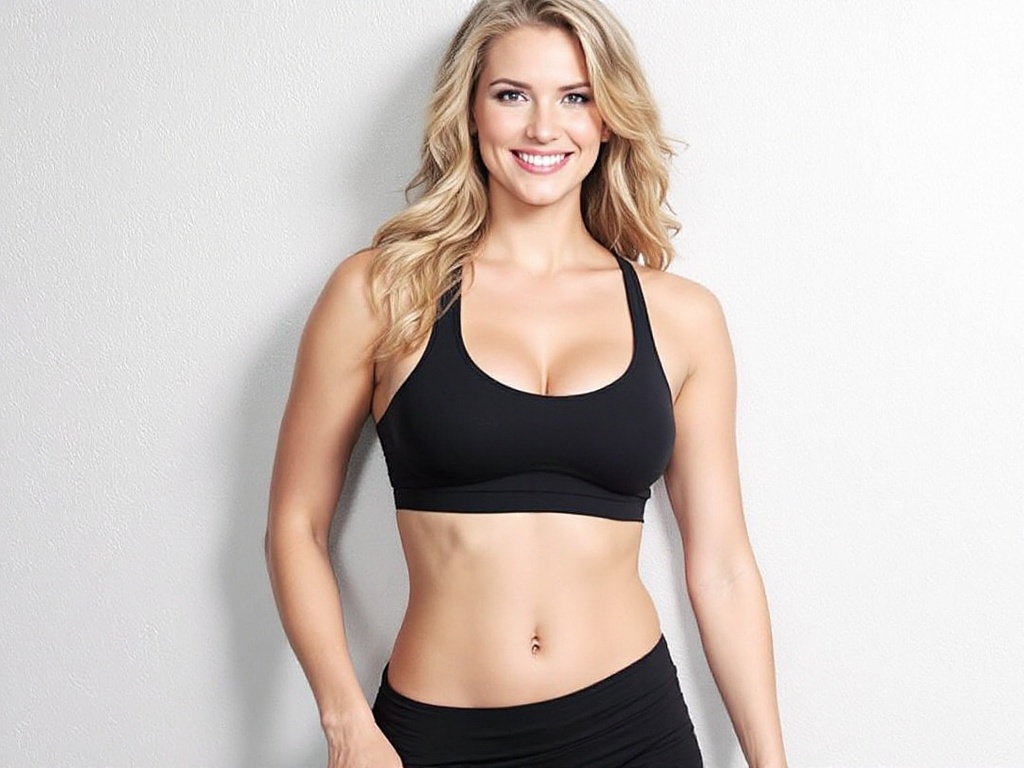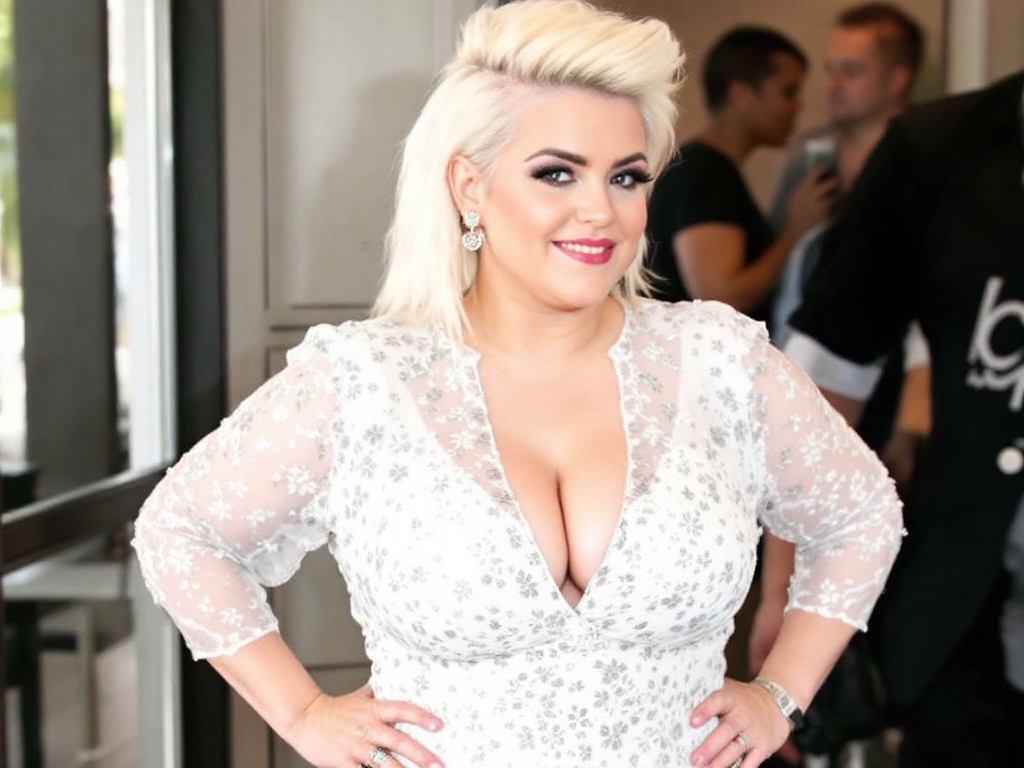
Updated 24 September 2026. In fashion, “sample size” does not mean an ideal body size. It means the size in which a designer or brand produces an early garment sample for fitting, photography, show preparation, sales appointments or other development work.
Earlier coverage of sample sizing treated sample size mainly as an outdated beauty standard and used unsupported claims about the “average British woman” and fashion’s progress towards inclusion. The current reality is more specific: sample-size systems are practical production tools, but when brands make only one narrow sample, that decision also limits who can wear the garment in castings and runway shows.
This guide explains how sample sizing works, why runway samples are usually limited, how the system affects model casting, what current 2026 runway data show and how shoppers can avoid treating a sample garment as a standard their body is supposed to meet.
What does “sample size” mean?
A sample garment is a version made before full production. Designers use samples to assess fit, proportions, construction, fabric behaviour and presentation.
Samples can be used for:
- design development;
- fit sessions;
- runway shows;
- press and editorial shoots;
- showrooms and wholesale appointments;
- e-commerce or campaign photography.
The exact sample size depends on the brand and category. There is no one universal global sample size.
Runway sample size is not the same as the full retail size range
A brand may eventually sell a garment in many sizes while initially creating only one or two runway samples.
That distinction matters. A garment shown on a very slim runway model may later be sold in larger sizes, but the show itself will still only reflect the body that fits the available sample.
Conversely, showing a plus-size model in a campaign does not prove the entire collection was designed and fit-tested across an extended size range.
Why do brands make so few sample sizes?
Creating each sample requires pattern work, fabric, labour, fittings and time. Fashion calendars can be extremely compressed, particularly before runway shows.
Brands therefore often make a narrow sample size first. That can reduce development cost and complexity, but it also creates a casting constraint: if only one size exists, the model must fit the garment.
A Vogue Business report on creating size-inclusive fashion shows describes how designers who produce multiple runway sample sizes have to plan for extra pattern grading, specialist fitting and production work from the beginning.
Current runway data show that narrow sample sizing still matters
Fashion has not moved to broad size representation simply because inclusion receives more public attention.
A Vogue Business analysis of Autumn/Winter 2026 reviewed 7,817 looks across 182 major shows and presentations. It reported that 97.6% of looks were shown on straight-size models, 2.1% on mid-size models and 0.3% on plus-size models.
That is important context for any article claiming that sample-size fashion has already become substantially inclusive.
“Straight-size”, “mid-size” and “plus-size” are industry categories, not health labels
Vogue Business defined the categories in its runway analysis according to fashion sizing ranges. Those categories help describe representation, but they should not be mistaken for clinical classifications.
A UK clothing size does not tell you someone’s blood pressure, fitness, cholesterol, body composition or health history.
Fashion measurements exist to fit garments. Medical assessment uses different tools for different purposes.
Why sample-size casting can shape what audiences think is “normal”
If almost every runway look is presented on a similar body, viewers repeatedly see that body associated with high fashion, aspiration and professional legitimacy.
That does not mean fashion alone determines body image, but repetition can influence what audiences come to expect.
It can also create a false impression that clothing is naturally designed around one universal body rather than around a deliberately chosen sample.
Fit models and runway models have different jobs
A fit model works with the design or technical team so garments can be tested on a consistent set of body measurements. Their role is highly practical.
A runway model presents the garment during a show. An editorial or campaign model presents it for media or advertising.
One person may do more than one type of modelling, but the jobs are not interchangeable.
For inclusive sizing to work properly, brands often need fit models representing multiple size blocks during product development—not only diverse casting after the garments are finished.
Sample size also differs by product category
Runway womenswear, menswear, commercial fashion, bridal, lingerie, sportswear and e-commerce may use different sample conventions.
A garment designed for oversized streetwear does not create the same fit constraints as a structured tailored dress.
This is another reason articles that present one set of “standard model measurements” as universal are misleading.
Luxury runway sizing is not the same as high-street sizing
Fashion sizes are inconsistent between brands. A UK 10 from one company may fit differently from a UK 10 from another because pattern blocks, intended fit and grading differ.
International size conversions add another layer of confusion.
For shoppers, the garment’s actual measurement chart is more useful than assuming a label has a universal meaning.
Why extending a retail range requires more than grading one small pattern upward
As sizes change, body proportions do not scale in a perfectly uniform way.
Good extended-size design may require different pattern adjustments, fit sessions and garment engineering rather than mechanically enlarging every measurement by the same percentage.
This is one reason meaningful size inclusion starts at design and product development, not only marketing.
What “size inclusive” should mean in practice
A brand can make inclusion more meaningful by:
- developing multiple sample sizes;
- using fit models across the intended retail range;
- photographing garments on more than one body type;
- offering the styles shown in the represented sizes;
- publishing clear garment measurements;
- maintaining size availability across seasons rather than for one campaign.
One larger model in a show can improve visibility, but it does not by itself establish that the product system is size-inclusive.
Why current inclusion statistics should be dated
Runway representation changes each season. A statistic from 2023 or 2025 should not be repeated in 2026 as though it is current.
For Spring/Summer 2026, Vogue Business counted 9,038 looks across 198 shows and reported 97.1% straight-size, 2% mid-size and 0.9% plus-size.
By Autumn/Winter 2026, plus-size representation in the same major womenswear fashion-week analysis had fallen to 0.3%.
That movement shows why “fashion is becoming more inclusive” is too broad to state without a date and dataset.
Sample size should not become your shopping goal
A sample garment is made for production and presentation. Your body is not supposed to change to fit it.
When clothing does not fit, the practical problem is the relationship between your measurements and the garment—not a failure of your body.
Choose the size that gives the intended fit and allows comfortable movement rather than buying a smaller label as a target.
How to shop more effectively when sizes are inconsistent
Use measurements instead of labels whenever possible.
- Measure your bust or chest, waist and hips.
- Check the specific brand’s size chart.
- Read garment notes about relaxed, slim or oversized fit.
- Check fabric stretch.
- Look for model measurements when provided.
- Use customer fit reviews cautiously because body proportions differ.
For trousers and tailored clothing, rise, inseam and hip measurements can matter as much as the labelled size.
Alterations can solve fit problems that sizing cannot
Ready-to-wear clothes are built around standardised pattern blocks, so a garment can fit at the waist but not the hips, or fit the shoulders but not the sleeves. That does not mean the shopper chose the “wrong body size”.
Simple alterations such as hemming, taking in a waist, shortening sleeves or adjusting straps can make a garment fit much better. Before returning an otherwise suitable item, consider whether a straightforward alteration is practical and worth the cost.
For online shopping, retailers with clear garment measurements, transparent returns and multiple model references reduce some of the guesswork created by inconsistent labels.
Do not keep clothes that punish you
Keeping an uncomfortable item as “motivation” can reinforce body dissatisfaction.
If your body changes, adjust the wardrobe to the body you have now. Tailoring, resale, donation or buying a different size are practical options.
Clothes are tools for the body, not tests of discipline.
What sample size means for aspiring models
Agencies and clients may list preferred measurements because samples are already made. Those requirements are job-specific rather than universal statements about attractiveness.
If your measurements do not fit one runway category, there may be other modelling markets with different requirements, including commercial, fit, e-commerce, beauty or extended-size work.
Do not use severe restriction, dehydration or unsafe weight manipulation to fit a sample.
Body image and fashion measurement
Repeated exposure to narrow body ideals can be difficult for people who already struggle with body image.
If clothing sizes or measurements trigger severe food restriction, bingeing, purging, compulsive exercise or significant distress, professional support is appropriate.
An eating disorder can occur at any body size. You do not need to match a stereotypical appearance to deserve help.
Questions worth asking about Sample Size Fashion Explained
What is a fashion sample size?
It is the size in which a garment sample is produced for design, fitting, runway, press or sales purposes. There is no single universal sample size across all brands.
Why are runway models often similar sizes?
One reason is that designers frequently create runway samples in a narrow size range, meaning models need to fit the garments already made.
Are sample sizes getting more inclusive?
Some designers produce multiple samples, but current 2026 runway data show that straight-size casting still overwhelmingly dominates major fashion weeks.
Is sample size a healthy body size?
No. It is a fashion-production measurement, not a clinical health standard.
Why do clothing sizes vary between brands?
Brands use different pattern blocks, grading systems and intended fits. The same labelled size can therefore have different actual measurements.
Should I lose weight to fit a sample size?
No. A production sample is not a personal health target. If a garment does not fit, choose or alter the garment rather than using unsafe weight-control methods.
The clearest takeaway on Sample Size Fashion Explained
Sample-size fashion is a production system, not a definition of what bodies should look like.
Narrow samples can make design and runway logistics easier, but they also restrict which bodies can be cast unless brands plan multiple sizes earlier in development. Current 2026 runway data show that this structural issue remains very real.
For shoppers, use measurements and fit rather than chasing a label. For models, treat sample requirements as job specifications—not health or beauty standards.
Fashion-sizing context: This article discusses fashion production, sizing and body image. Clothing sizes and model measurements are not medical health classifications.