It is not always obvious which NHS service to use. A problem may be too urgent to wait for a routine GP appointment but not serious enough for 999, while some minor illnesses can be handled by a community pharmacist without a GP appointment at all.
This guide explains the roles of common NHS services so you can make a more informed first choice. It cannot assess an individual emergency. If you think someone’s life is at risk, call 999.
Use 999 for a life-threatening emergency
Call 999 when someone is seriously ill or injured and their life may be at risk. The NHS urgent and emergency care guidance separates 999 and A&E from services intended for urgent but non-life-threatening problems.
If you are uncertain whether a situation is immediately life-threatening, do not delay emergency help merely to work through an online checklist.
Use NHS 111 when you need urgent help but it is not a 999 emergency
The NHS says 111 can help when you think you need medical help right now. You can use 111 online, the NHS App or call 111. Depending on your answers, NHS 111 may direct you to a pharmacist, GP, urgent treatment centre, A&E, specialist support or safe self-care.
See the official NHS guidance on when to use NHS 111.
NHS 111 is particularly useful when:
- you need medical help now but it does not appear life-threatening;
- your GP is closed and you are unsure what to do;
- you think you may need urgent care but do not know which service is appropriate;
- you need urgent dental or mental-health support and need directing to the right service;
- you do not have a GP to contact;
- you need advice about the next step rather than a routine appointment.
Use a community pharmacy for many minor illnesses and medicine questions
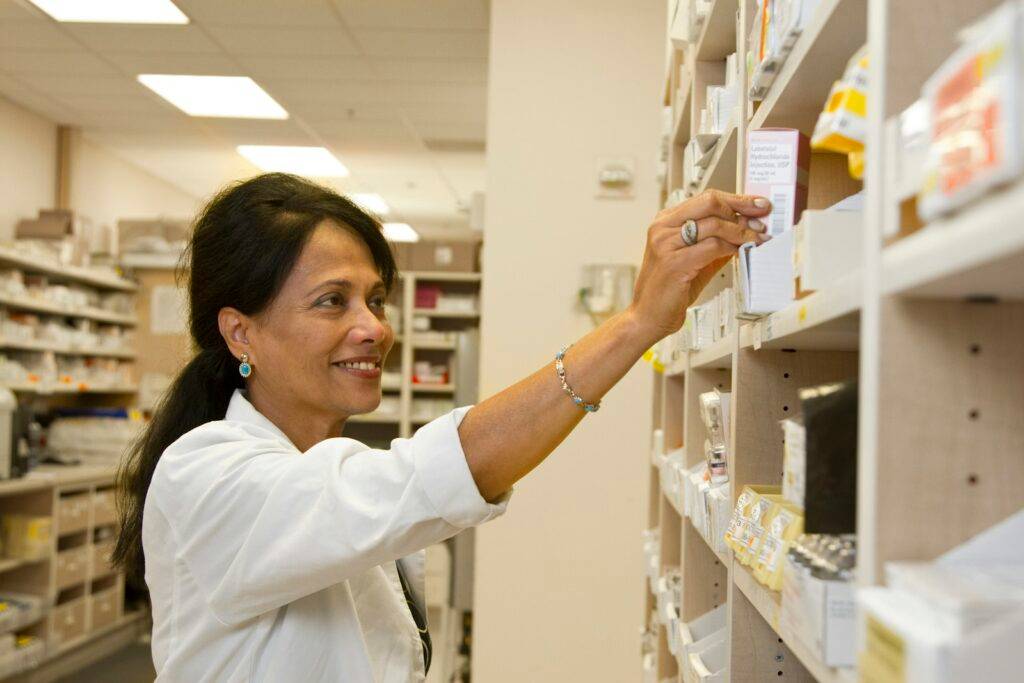
Community pharmacists are trained healthcare professionals. They can advise about many minor health problems, over-the-counter medicines, medicine use and whether another NHS service is more appropriate.
In England, NHS Pharmacy First also allows participating community pharmacies to assess and manage seven common conditions through defined clinical pathways: sinusitis, sore throat, earache in eligible children, infected insect bites, impetigo, shingles and uncomplicated urinary tract infections in eligible women.
Pharmacy First does not mean every symptom should be taken to a pharmacy. Eligibility and clinical criteria apply, and a pharmacist may refer you elsewhere when necessary.
For current service details, see NHS England’s Pharmacy First service specification.
Use your GP practice for non-emergency medical problems that need primary-care assessment
Your GP practice is generally appropriate for health problems that are not life-threatening and do not require immediate emergency treatment, particularly when a problem is persistent, recurring, needs examination or may require tests, prescriptions, referral or ongoing management.
GP practices may also direct you to another member of the primary-care team, such as a practice nurse, clinical pharmacist, physiotherapist or other professional, depending on the service and your needs.
If you are preparing for an appointment, use our GP appointment checklist.
Use an urgent treatment centre for urgent but non-life-threatening problems when appropriate
Urgent treatment centres can assess many problems that need same-day attention but are not life-threatening. Services vary locally. NHS 111 can help identify whether an urgent treatment centre is appropriate and where to go.
Use A&E for serious emergencies that need hospital emergency assessment
A&E is for serious and life-threatening emergencies. The NHS urgent-care directory separates emergency-department care from GP, pharmacy and other routine services. If you are not sure whether you need A&E, NHS 111 can assess the situation and direct you to an appropriate service when it is not an obvious 999 emergency.
What if you need urgent dental care?
A GP is generally not the service for dental treatment. Contact your dentist if you have one, or use NHS 111 when you need urgent dental help and cannot access an appropriate dental service.
What if the issue is about a medicine?
For questions such as how to take a medicine, common side effects, interactions, over-the-counter products or whether a pharmacy service can help, a pharmacist is often a useful first contact. If you have a severe reaction or an emergency, use urgent or emergency services instead.
Our medicine-list guide helps you keep an accurate record to take to healthcare appointments.
A simple decision framework
| Situation | Possible first service |
|---|---|
| Life-threatening emergency | 999 |
| Urgent problem but not clearly life-threatening | NHS 111 |
| Minor illness or medicine question | Community pharmacy |
| Non-emergency problem needing primary-care assessment | GP practice |
| Urgent but non-life-threatening injury or illness | NHS 111 can direct you to an urgent treatment centre or other service |
| Serious emergency needing hospital assessment | A&E / 999 depending on severity |
Do not use an online article to overrule specific professional instructions
If a doctor, hospital team or other healthcare professional has given you a specific number or service to contact if your condition changes, follow that plan. Likewise, local NHS services can differ, so NHS 111 is useful when you need direction based on services available where you are.
Where this fits in BetterCare
This guide is part of our Healthcare Navigation pillar. Once you know which service you need, use our GP checklist, hospital appointment checklist or test-results follow-up guide to organise the next step.
Reviewed: September 2026. General UK information only. NHS services and local pathways can change.