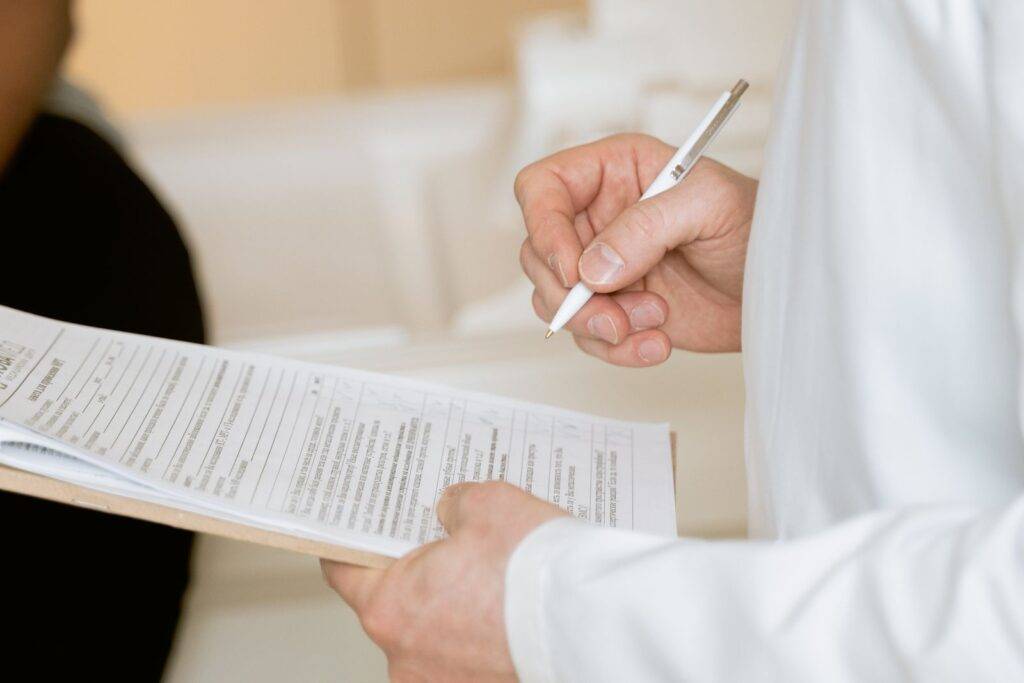
An NHS appointment being cancelled or rearranged can create more than inconvenience. You may have organised transport, taken time off work, arranged childcare or prepared for an important discussion, only to receive a text, letter or phone call saying the date has changed.
The first priority is to establish whether the appointment has been cancelled completely or simply moved. NHS services may rearrange appointments because of staffing, clinic capacity, urgent cases, equipment problems or other operational reasons. The practical response is to confirm the new plan, keep a record of what happened and make sure the appointment does not disappear from the pathway.
This guide explains what to do after an NHS appointment is cancelled or rearranged, who to contact, what to record, how to prepare for the replacement date, and when a new change in your health should be handled separately from the administrative delay.
Read the whole message before doing anything
A text notification may say “appointment changed” without showing all the details in the preview. Open the full message, letter or NHS App notification and check which hospital, clinic or GP service sent it, which specialty it refers to, whether a new date is already provided, whether you need to contact the service, whether the appointment has changed format, and whether preparation instructions changed.
Cancelled and rearranged are not the same thing
A rearranged appointment already has a replacement date or a clear process for getting one. A cancelled appointment may mean the service still intends to rebook you, but you should confirm that rather than assuming a new date will automatically appear.
If the message is unclear, call the number on the appointment letter or clinic message and ask: “Has this appointment been rebooked, or am I now waiting for a new date?”
Keep the original appointment details
Do not immediately delete the old message or throw away the original letter. Keep the old date, clinic, consultant or specialty, booking reference and contact number until the replacement appointment is confirmed. This gives you something concrete to refer to if the new appointment does not appear.
Record who cancelled the appointment
There is an important difference between the NHS cancelling the appointment and the patient cancelling it. If the hospital or clinic cancelled, note that clearly in your own record. If you need to move an appointment yourself, contact the service as early as possible and ask what happens to your place in the pathway.
If a new date is already offered, check whether you can attend
Look at work, transport, caring responsibilities and any other healthcare appointments. If the new date is not possible, contact the clinic quickly rather than ignoring it or waiting until the last minute. Ask whether the appointment can be changed and whether doing so affects your waiting time.
If no new date is offered, ask what happens next
A useful question is: “The service cancelled my appointment on [date]. Can you confirm whether I remain on the waiting list and when I should expect a replacement appointment?”
Write down the answer and the name or department you spoke to if provided.
Check the NHS App, but do not rely on it alone
Some appointments appear in the NHS App or linked hospital portals. A cancelled appointment may disappear and a new one may appear later. What you can see depends on the GP practice, hospital and local digital system.
Use BetterCare’s NHS App guide to understand the limits of patient-facing digital information.
Hospital appointments may use a separate portal
Some trusts use systems such as Patients Know Best or another patient portal alongside the NHS App. Check the channel the hospital normally uses for appointments. If the NHS App and hospital portal show different information, contact the booking team rather than deciding which screen is correct.
Keep one appointment-change record
- the original appointment date;
- the date you were told it was cancelled or changed;
- who made the change;
- the new date if known;
- the clinic or specialty;
- the contact number;
- what the service said would happen next;
- when you should follow up if no new date arrives.
This is especially useful when an appointment has been moved more than once.
Do not lose track of tests linked to the appointment
Some appointments are scheduled after blood tests, scans or other investigations. If the clinic date changes, ask whether the test should still happen on the original schedule. Do not cancel a test just because the consultation has moved unless the service tells you to.
Use BetterCare’s Test Results & Follow-Up Tracker to keep test dates separate from clinic dates.
Check whether prescriptions or medicines are affected
If the appointment was expected to review or renew a medicine, ask what you should do during the delay. Do not stop or change prescribed medicines on your own. If you may run out before the replacement appointment, contact the relevant GP, clinic or pharmacy in good time.
Telephone and video replacements need preparation too
Sometimes a face-to-face appointment is changed to a telephone or video consultation. Check whether the date and time remain the same and whether you will receive a link or phone call. Have your medicine list, questions and relevant letters ready.
If the clinic says “we will contact you,” write down when
“We will contact you” is easier to manage if you also know when to chase. Ask: “If I have not heard anything, when should I call back?” Put that date in your calendar.
What if the new appointment is much later?
If the replacement date is significantly later and you are concerned about the delay, contact the clinic or booking service and explain the situation. Ask whether an earlier cancellation slot is available or whether the appointment can be moved to another appropriate clinic where patient choice applies.
Ask about short-notice cancellation slots
Some services can offer earlier appointments when another patient cancels. If your schedule is flexible, tell the booking team that you can attend at short notice. Make sure the service has your current telephone number.
What if transport has already been booked?
If you arranged patient transport, community transport, a taxi or family help, cancel or rearrange it once the appointment change is confirmed. Do not assume the hospital booking team has updated transport automatically.
What if you took time off work?
Keep the cancellation message or letter if you need evidence that the appointment was changed by the NHS. When the replacement date is offered, ask the clinic for appointment confirmation if your employer requires it.
What if you arranged a carer?
If someone was going to accompany you or cover care for another person, tell them as soon as possible. When a replacement date is confirmed, update the family calendar or care plan immediately.
BetterCare’s Family Care Coordination Plan can help when several people share responsibilities.
Repeated cancellations should be tracked
One cancelled clinic can happen. If the same appointment is moved repeatedly, keep a clear record of each date and what you were told. Ask the booking team whether the pathway is still active and whether there is a named contact or patient advice service you should use.
When to contact PALS
Hospital Patient Advice and Liaison Services, usually called PALS, can help with concerns about access, communication and navigating hospital services. If repeated cancellations or poor communication are leaving you unable to understand what is happening, the trust’s PALS team may be able to help.
PALS is not an emergency clinical service and does not replace the treating team.
When a formal complaint may be appropriate
If you believe the way appointments have been handled has caused a serious service problem and ordinary contact has not resolved it, ask the NHS organisation about its complaints process. Keep your complaint factual: list dates, cancellations, calls, what you were told and what outcome you are seeking.
Your health may change while the appointment is delayed
An administrative cancellation does not mean your clinical situation is frozen. If symptoms worsen, new concerning symptoms develop or your condition changes significantly, contact the appropriate healthcare service. Do not wait solely because you already have a specialist referral or replacement appointment pending.
Use the right route for urgent problems
If you need urgent medical help, use NHS 111, your GP or emergency services depending on the situation.
BetterCare’s NHS Service Route Helper can help organise the available routes without diagnosing your symptoms.
What if the cancelled appointment was your first specialist appointment?
Confirm that the referral remains active and that you are still on the pathway. If you are told the referral was closed or returned, contact the GP practice and ask what the next step is.
Our NHS referral triage guide explains what can happen before a first appointment is offered.
What if it was a follow-up appointment?
Ask whether the clinical team still expects to review you and whether the delay affects any planned monitoring. If you are on a patient-initiated follow-up pathway, the process may be different. See BetterCare’s PIFU guide.
What if you cannot attend the rearranged date?
Contact the clinic as early as possible. Explain that the service changed the original appointment and that the replacement date is not workable. Ask for another date and confirm that the referral or follow-up remains active.
Do not ignore later appointment letters
After one cancellation, it is easy to assume every later message is temporary. Read every letter or notification and confirm whether action is required. Missing a replacement appointment because you assumed it would move again can create a new administrative problem.
Prepare again for the replacement appointment
If several weeks or months pass, your questions or medicines may have changed. Update your notes before the new date.
Use BetterCare’s Hospital Appointment Planner to prepare the current situation rather than taking only the notes you made for the original date.
A practical cancellation checklist
- Read the full cancellation or rearrangement message.
- Confirm whether a replacement date is already booked.
- Keep the original appointment details.
- Record who made the change.
- Check linked tests and medicines.
- Update transport, carers and work arrangements.
- Ask when to chase if no new date appears.
- Track repeated cancellations.
- Use PALS or the complaints route if communication remains poor.
- Seek clinical help separately if your health changes.
The goal is to keep the pathway visible
After a cancellation, the biggest administrative risk is not the changed date itself. It is losing track of who owns the next step and whether the appointment is still active.
Keep the original details, confirm the replacement plan and set a follow-up date if the service says it will contact you later.
For the wider BetterCare system for appointments, referrals, tests and follow-up, return to the Healthcare Navigation pillar.
Reviewed: September 2026. Appointment-management processes vary between NHS organisations and specialties.