Updated 24 September 2026. Fat Tuesday restaurant specials change every year, so an article that lists “deals happening right now” quickly becomes stale. A better guide explains what Fat Tuesday is, which foods are genuinely part of Mardi Gras tradition, how to check whether a restaurant promotion is current, and how to enjoy the celebration without turning one meal into a guilt-and-restriction cycle.
What is Fat Tuesday?
Fat Tuesday is the English name commonly used for Mardi Gras, the final day of the Carnival season before Ash Wednesday in Christian tradition.
In New Orleans, Carnival season begins on Twelfth Night, 6 January, and culminates on Mardi Gras Day. The official New Orleans tourism guide to Mardi Gras describes the season as a period of parades, music, costumes and food traditions rather than just a single restaurant-promotion day.
That distinction matters because many “Fat Tuesday specials” articles reduce a long cultural celebration to discounted fried food and drinks.
Why food is such a central part of Mardi Gras
The idea of Fat Tuesday developed around eating richer foods before the fasting period of Lent. Different countries and communities developed their own traditions.
In New Orleans and Louisiana, Carnival food reflects Creole, Cajun, French, African, Caribbean and regional influences.
The New Orleans Mardi Gras history guide highlights foods such as gumbo, jambalaya, red beans and rice and king cake as part of Carnival food culture.
That gives the celebration more context than a list of chain-restaurant discounts.
1. King cake
King cake is one of the most recognisable Mardi Gras foods in New Orleans.
The New Orleans guide to king cake tradition describes it as a sweet bread or cake usually decorated in purple, green and gold and traditionally eaten throughout Carnival season.
A small plastic baby is often hidden inside or placed beneath the cake. Tradition says that the person who finds it may be expected to provide the next cake or host the next gathering.
Modern versions can include cream cheese, fruit, praline and many other fillings.
2. Gumbo
Gumbo is a Louisiana stew with many regional and family variations.
Versions may include seafood, chicken, sausage, okra, filé powder or a dark roux.
It is the kind of dish that works well for gatherings because it can be made in large batches and served with rice.
There is no need to label one version “healthy” or “unhealthy” without considering the ingredients and portion. A seafood-heavy gumbo and a sausage-rich gumbo can have very different nutrition profiles.
3. Jambalaya
Jambalaya is a rice-based Louisiana dish often made with meat, seafood, vegetables and seasoning.
Creole and Cajun versions can differ in ingredients and preparation.
For a home version, the dish can be adjusted easily: use more vegetables, choose leaner proteins if preferred or use a smaller amount of sausage while keeping the flavour of the dish.
Making adjustments does not mean the celebration has to become diet food.
4. Red beans and rice
Red beans and rice is a classic New Orleans comfort food traditionally associated with Mondays, though it fits naturally into Carnival-season eating.
Beans provide fibre and plant protein, while sausage or smoked meat may add flavour and salt.
A home cook can use more beans and vegetables and less processed meat without losing the identity of the dish.
5. Po’boys
Po’boys are Louisiana sandwiches typically served on French-style bread and filled with ingredients such as roast beef, fried shrimp or oysters.
A restaurant special may feature a large portion with chips or another side. If you want to enjoy the sandwich without feeling uncomfortably full, sharing a large serving or choosing a lighter side is a practical option.
That is portion management, not a rule that the food needs to be “earned”.
6. Beignets
Beignets are fried pastries commonly associated with New Orleans and often served with icing sugar.
They are a sweet food, and that is enough description. Calling them “bad” or “forbidden” adds little.
If you are trying them as part of a celebration, enjoy the portion you want and move on. One dessert does not determine the quality of an overall diet.
7. Crawfish dishes
Crawfish appear in many Louisiana dishes, including boils, étouffée and seasonal specials.
The nutrition of a crawfish meal depends on preparation, sauces, butter, salt and side dishes.
If shellfish allergy is relevant, avoid crawfish and cross-contaminated dishes and ask the restaurant about preparation.
8. Étouffée
Étouffée is a rich Louisiana dish usually built around shellfish served with rice.
It often includes butter, roux or other ingredients that create a thick sauce.
As with many celebration foods, the practical approach is to enjoy it as the main meal rather than treating it as something that needs to be offset later with fasting.
9. Muffuletta
The muffuletta is a New Orleans sandwich associated with Italian-American food culture, usually made with cured meats, cheese and olive salad.
It is typically substantial and can be high in salt because of cured meat, cheese and olives.
Sharing a large portion can make sense simply because of its size—not because the food is morally “too indulgent”.
10. Pralines
Pralines are a traditional sweet made with sugar, dairy and nuts, particularly pecans.
They are energy-dense and sweet, but a small portion can be enjoyed as part of a celebration.
People with nut allergies should be careful because pralines often contain pecans and may be prepared in environments with other nuts.
11. Bread pudding
Bread pudding is another rich dessert commonly found in New Orleans restaurants.
Versions may include sauces made with butter, sugar or spirits.
If alcohol matters for medical, religious or personal reasons, ask whether the sauce contains alcohol rather than assuming it has cooked off completely.
12. Seafood platters
Fat Tuesday menus may include fried shrimp, oysters, catfish or mixed seafood platters.
Frying increases the energy density of the meal, while breading and sauces can add salt and fat.
If you want a lighter meal, grilled or blackened seafood may be available. If you want the fried version, it can still fit into an otherwise balanced eating pattern.
13. Hurricanes and other Mardi Gras cocktails
New Orleans celebrations are also associated with cocktails, but alcohol deserves more attention than many restaurant-deal articles give it.
Sweet cocktails can combine multiple measures of alcohol with juice and syrup, so one drink may contain more alcohol than it tastes like.
If you drink, pace yourself, alternate with water and avoid driving. Alcohol-free versions can provide the same festive flavour without the alcohol.
14. Pancakes and Shrove Tuesday traditions
In the UK, many people know the day before Ash Wednesday as Shrove Tuesday or Pancake Day rather than Fat Tuesday.
Pancake traditions historically also relate to using richer ingredients before Lent.
That means a BetterCare reader in the UK may encounter very different food traditions from someone celebrating Mardi Gras in Louisiana.
15. Restaurant specials can still be fun—but verify them
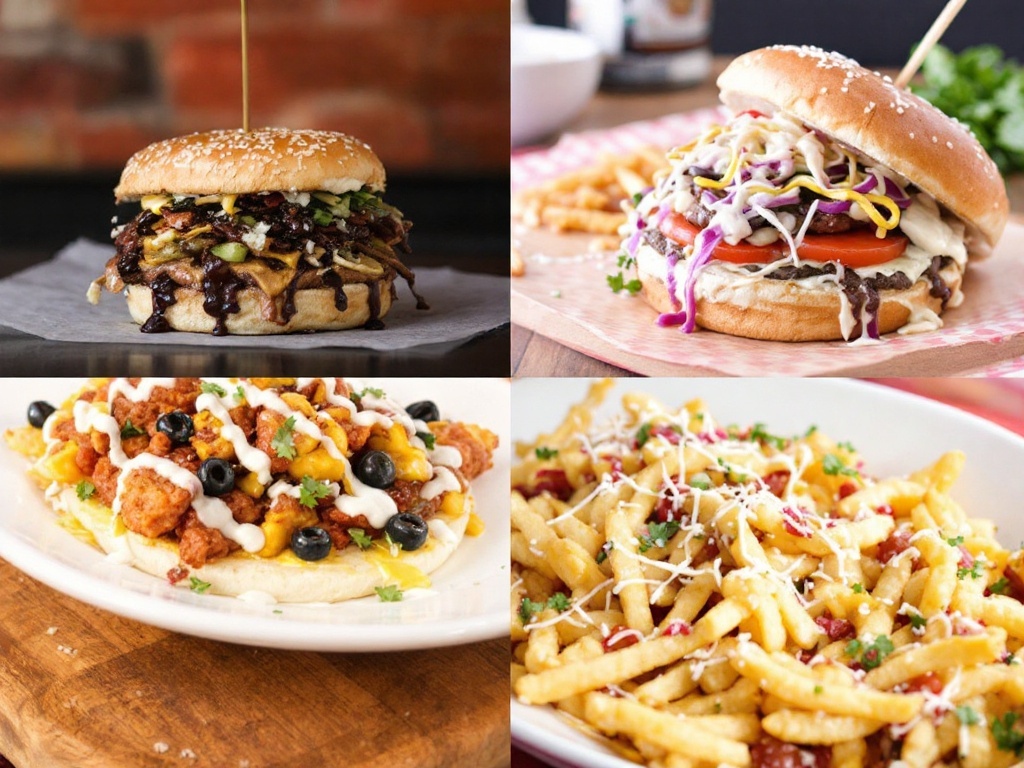
Restaurants often run Mardi Gras or Fat Tuesday promotions, but offers can change by year, location and franchise.
Before travelling for a deal:
- check the restaurant’s official website or app;
- confirm the specific location is participating;
- check the promotion date and time;
- look for purchase requirements;
- check whether the offer is dine-in only or app-only;
- avoid relying on an old blog post or social-media screenshot.
This is the main problem with “15 deals happening right now” articles: they become wrong as soon as the promotion ends.
How to enjoy Fat Tuesday without a guilt-and-restriction cycle
A celebration meal does not require a detox the next day.
If you eat more than usual, return to your normal meals afterwards. Do not skip food for an entire day or punish yourself with an extreme workout.
For people trying to manage weight, long-term patterns matter much more than one holiday meal.
BetterCare’s practical weight-loss guide for busy people explains why repeatable routines are more useful than compensating for occasional meals.
If you are hosting at home
A home Mardi Gras meal can combine traditional foods with practical balance.
For example:
- serve gumbo or jambalaya as the main dish;
- add a vegetable side or salad;
- offer water and alcohol-free drinks as well as alcoholic options;
- serve king cake or another dessert without turning it into an eating challenge;
- make portions accessible so guests can choose how much they want.
The goal is hospitality, not nutritional perfection.
Food allergies and restaurant specials
Mardi Gras menus often include shellfish, nuts, dairy, eggs, wheat and other common allergens.
If you have a serious allergy, ask the restaurant directly about ingredients and cross-contact rather than relying only on a promotional description.
Busy holiday kitchens can handle many special items at once, so clear communication matters.
Diabetes and celebration foods
People with diabetes do not necessarily need to avoid every traditional food, but carbohydrate portions, alcohol and medicines may need consideration.
Plan around your usual diabetes-management advice rather than using a generic “cheat day”.
If insulin or glucose-lowering medicines are involved, individual guidance is more important than internet rules about fasting before or after the celebration.
What makes a Fat Tuesday deal genuinely useful?
A good deal is not simply the largest quantity of food for the lowest price.
Consider:
- whether you actually enjoy the food;
- whether the location is convenient;
- whether the offer is current;
- whether it requires an app or membership;
- whether portions can be shared;
- whether dietary or allergy needs can be accommodated.
Saving £5 or $5 is not useful if the promotion requires buying more than you wanted.
Practical questions about Fat Tuesday Foods and Specials
What is Fat Tuesday?
Fat Tuesday is another name for Mardi Gras, the final day of Carnival before Ash Wednesday.
What foods are traditional for Mardi Gras?
In New Orleans, common Carnival foods include king cake, gumbo, jambalaya, red beans and rice and many other Creole and Cajun dishes.
Are old Fat Tuesday restaurant specials still valid?
Usually not. Promotions are time-sensitive and often vary by location. Verify the current offer directly with the restaurant.
Is king cake only eaten on Fat Tuesday?
No. In New Orleans, king cake is traditionally eaten throughout Carnival season, beginning around Twelfth Night and continuing until Mardi Gras.
Do I need to “eat clean” the day after Mardi Gras?
No. Return to your normal balanced eating pattern. One celebration meal does not require fasting, detoxing or punishment exercise.
Is Fat Tuesday the same as Pancake Day?
They fall on the same day in the Christian calendar, but cultural traditions differ. In the UK, Shrove Tuesday is strongly associated with pancakes; in New Orleans, Mardi Gras has its own Carnival traditions.
What to remember about Fat Tuesday
Fat Tuesday is more than a rotating list of chain-restaurant discounts. It is part of a broader Carnival tradition with deep cultural and food history.
If you are looking for a special, verify it directly with the restaurant because offers change every year. If you are celebrating through food, enjoy the foods that matter to the occasion and return to your normal routine afterwards.
Food-and-wellbeing note: The guidance here is general food and wellbeing information. Restaurant promotions change frequently, so BetterCare does not present old limited-time offers as current.