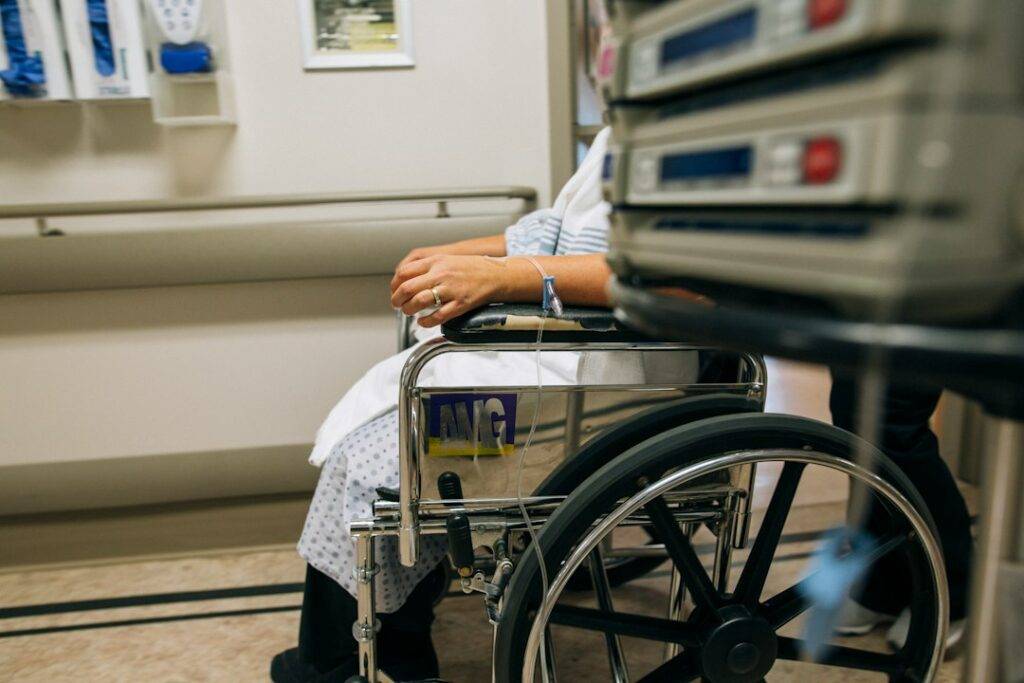
When someone you care for is leaving hospital, the first day home can become stressful quickly if medicines, equipment, transport or follow-up arrangements are unclear. A discharge checklist gives you a structured way to ask what needs to be in place before the person leaves. If the expected care package is still unclear, see what to do when hospital discharge is planned but home care is not arranged.
This guide supports, rather than replaces, the hospital’s discharge process. The person’s wishes and consent remain central to decisions about who is involved in their care.
Hospital Discharge Readiness Checker
Turn discharge instructions into a practical “ready / unresolved” action list for the first days at home.
Your personalised summary
Official guidance: NHS planning to leave hospital
1. Confirm where the person is going
Make sure everyone understands whether the person is returning home, moving temporarily to another setting or receiving rehabilitation or reablement support. NHS guidance explains that discharge planning should consider the person’s needs and any care required after leaving hospital. See planning to leave hospital.
2. Ask what support will be needed at home
Clarify help with washing, dressing, meals, mobility, wound care, exercises, medication or other tasks. Do not assume a family carer can safely provide clinical or physical care they have not been trained to do.
3. Check the medicine list carefully
Ask for a clear current list showing what to take and when. Find out whether any medicines were stopped or changed in hospital, how much supply is being provided and how repeat prescriptions will be managed. Remove outdated lists from the main care folder once you know the new plan is correct.
4. Ask about equipment and devices
If the person needs a walking aid, commode, dressing supplies, monitoring device or other equipment, confirm who is providing it and whether you have been shown how to use it safely. NHS discharge guidance stresses that people sent home with a medical device should understand how to use it and where to get help or supplies.
5. Confirm follow-up arrangements
Write down appointments, expected phone calls, community visits and any tests still pending. Ask who is responsible for each next step rather than assuming the GP will automatically arrange everything.
6. Know who to contact if there is a problem
Before leaving, ask what symptoms or changes should prompt advice and which number or service to use. The appropriate route may vary depending on the operation, illness or local service.
7. Plan transport and access to the home
Confirm how the person will get home, who has keys and whether they can safely get through the entrance and reach a suitable place to rest. If stairs or mobility are likely to be a problem, raise this before discharge rather than discovering it at the front door.
8. Prepare food and basic supplies
Have suitable food, drinks and essential household items available. If eating or drinking has changed because of swallowing problems, surgery or another medical reason, follow the healthcare team’s instructions rather than general online nutrition advice.
9. Be realistic about what you can provide
Carers UK advises carers to consider what level of support they are able to give and to raise concerns during discharge planning. Its coming out of hospital checklist covers what should happen before, on and after discharge.
10. Make a backup plan
If the main carer becomes ill or unavailable, who can step in? Keep essential contacts, medicine information and care instructions accessible to the person who may need them. Our Family Carers & Home Recovery guide explains how to create a simple care-information sheet and contingency plan.
Hospital discharge checklist
- Destination after hospital confirmed
- Transport arranged
- Keys and access checked
- Current medicines supplied and understood
- Equipment available and instructions understood
- Food and basic supplies ready
- Follow-up appointments recorded
- Community services confirmed where relevant
- Warning signs and contact route understood
- Carer’s capacity and support discussed
- Backup contact plan available
Start discharge planning before the person reaches the front door
A safe discharge is more than arranging transport home. Before leaving hospital, make sure the person and the family member helping them understand the immediate plan: where they are going, what support is expected, what has changed, and who to contact if something does not go as planned. The NHS says hospital staff should discuss transport, medicines, equipment, further care and the next steps before discharge. Family and carers can be involved when the patient wants them to be. See the current NHS guidance on planning to leave hospital.
If you are collecting someone, ask what time they are realistically expected to leave rather than assuming the first estimated time is fixed. Discharge can involve pharmacy, transport, paperwork and final clinical checks. Build some flexibility into the day so the person is not left without a safe plan because arrangements were made around an exact time that changed.
Check medicines before leaving
Ask whether any regular medicines were stopped, started or changed during the admission. Check that discharge medicines are actually available and that the person understands the current dose and timing. If the discharge letter and the medicine boxes at home later appear to conflict, do not choose between them yourself. Mark the discrepancy and contact the appropriate clinical service for clarification.
Keep one current list using our medicine-list guide. If several changes were made or the reason for a medicine is unclear, the medication-review checklist can help organise the questions for a GP, pharmacist or other appropriate prescriber.
Make sure equipment can actually be used at home
A walking aid, commode, raised seat or other equipment is only useful if it is available, fits the home and the person knows how to use it. Ask whether equipment is meant to be temporary, who supplied it and who to contact if it does not arrive or does not work as expected.
Think through the first journey inside the home: getting through the door, managing steps, reaching the toilet, getting into bed and preparing food or drinks. If the person cannot manage essential activities safely, raise that concern with the discharge team rather than assuming the family can improvise once home.
Plan the first 24 to 72 hours separately from long-term care
The first few days may require more help than the person will need later. Focus on meals, medicines, safe movement, personal care, sleep, transport and the first follow-up tasks. Avoid committing one relative to an indefinite routine simply because they are available on discharge day.
Some people are offered temporary intermediate care, reablement or rehabilitation after illness, injury or hospital. NHS guidance describes this as short-term support intended to help people recover and regain independence, usually for as long as needed and often no longer than six weeks. Read the NHS overview of care to support recovery if short-term support has been mentioned.
Write down every follow-up that is still open
Hospital discharge can create several unfinished tasks: a GP review, outpatient appointment, blood test, wound check, therapy visit or referral. Record who is expected to arrange each item and how you should hear about it. “Follow up with GP” is much less useful than “Book GP medication review within two weeks.”
If a test or result is outstanding, use our NHS test-results and follow-up tracker. If the next step is a specialist referral, keep the referral information separately and use the referral waiting-list guide once the referral has been made.
Do not let the family carer become an unnamed service
Families often agree to “help for a few days” without defining what that means. Be specific. Does the person need somebody present overnight, help preparing meals, transport, medicine collection, washing, dressing or simply a daily check-in? The more precise the task, the easier it is to decide whether family support is realistic.
If the caring role is already substantial, use the family care coordination plan to divide responsibilities, and consider a carer’s assessment if an unpaid adult carer needs support in their own right.
Prepare a short handover for anybody helping at home
Keep the first home handover simple: current medicines, mobility or equipment instructions, upcoming appointments, food or fluid needs, contact numbers and any specific advice the hospital team gave about when to seek help. Avoid copying every detail from the discharge letter into several family chats.
If paid carers or several relatives are involved, our guide to organising home-care visits gives a clearer structure for handovers and responsibilities.
Know what should trigger a call for help
Ask the discharge team whether there are specific symptoms or changes that should prompt contact with the ward, GP, community service or another team. Record the actual contact route if one is provided. General online advice cannot replace instructions given for the person’s condition, operation or treatment.
If the person becomes seriously unwell or life may be at risk, call 999. If urgent medical help is needed but it is not a 999 emergency, NHS 111 can help direct you to an appropriate service. Do not wait for a routine follow-up simply because one is already booked.
Review the plan after a few days
Recovery changes. A task that needed hands-on help on day one may become manageable by the end of the week, while another problem may only become obvious once the person tries normal activities. Review what support is still necessary and what can be reduced.
If longer-term care needs are becoming clear, the NHS advises that a local-council needs assessment may be appropriate. Short-term discharge arrangements should not quietly turn into an indefinite family care plan without reviewing whether formal support is needed.
Confirm who owns each unfinished discharge task
Before leaving hospital, it helps to turn every open item into a named action. Instead of writing only “blood test next week” or “district nurse”, note who is expected to arrange it, roughly when it should happen and who you should contact if nothing happens. This is especially useful when several services are involved.
The NHS explains that discharge planning should consider any further care and support needed after leaving hospital, and carers can be involved in those discussions with the patient’s agreement. See the NHS guidance on planning to leave hospital. A short task list can help a family carer notice quickly if an agreed referral, equipment delivery or follow-up has not materialised.
Keep the discharge checklist as a working record
Ticking an item on discharge day does not mean it can never change. Update the list when medicines change, equipment arrives, a follow-up is booked or a responsibility moves from one person to another. The checklist should show the current plan, not simply prove that paperwork was completed.
For the broader recovery and caring structure, return to the Family Carers & Home Recovery pillar.
Reviewed: September 2026. This is a practical planning resource, not an individual discharge plan.
Related BetterCare guides: See carer emergency and backup plan and carer’s assessment checklist.
Related BetterCare guide: See gaining weight after illness or hospital.