Updated 24 September 2026. A useful plant-based grocery list is not a catalogue of expensive meat substitutes, powders or “superfoods”. It is a small group of foods that can build balanced breakfasts, lunches and dinners repeatedly without making your weekly shop complicated or costly.
For the broader healthy-eating framework, start with BetterCare’s Everyday Nutrition pillar. This page owns a narrower meal-planning, shopping or food-pattern task.
Whether you are vegan, vegetarian, flexitarian or simply trying to eat more plant foods, the core approach is similar: buy vegetables, fruit, wholegrains, beans and lentils first, then add nuts, seeds, protein foods and fortified products that help cover nutrients such as vitamin B12, calcium, iodine and vitamin D.
1. Beans, lentils and chickpeas
Beans and pulses are among the most useful plant-based staples because they provide protein, fibre and minerals at relatively low cost.
Useful cupboard options include:
- chickpeas;
- kidney beans;
- black beans;
- butter beans;
- green or brown lentils;
- red lentils;
- baked beans with a lower-salt, lower-sugar option where practical.
Tinned versions are convenient and still nutritious. Dried versions can be cheaper per portion if you have the time and storage space to cook them safely.
Use pulses in chilli, curry, soup, pasta sauce, salads, wraps, shepherd’s-pie-style dishes and baked-potato toppings.
2. Oats and other wholegrains
Wholegrains make useful, inexpensive meal foundations.
Keep a few that match the way you actually cook:
- oats;
- brown rice;
- wholewheat pasta;
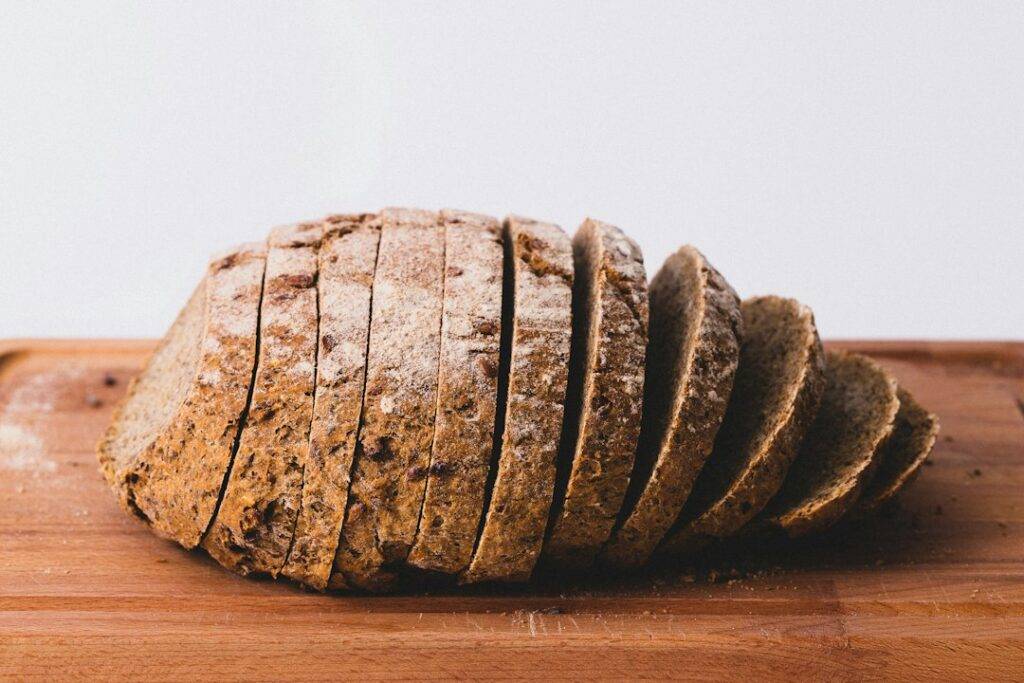
- wholemeal bread;
- barley;
- wholegrain couscous;
- quinoa if your budget allows.
You do not need every fashionable grain. Oats, bread, rice and pasta are enough for many households.
Wholegrains contribute fibre, and the NHS recommends choosing higher-fibre starchy foods where practical.
3. Frozen vegetables
Frozen vegetables are particularly useful if you cook for one, have an unpredictable schedule or often throw away fresh produce.
Good options include:
- peas;
- spinach;
- broccoli;
- mixed vegetables;
- sweetcorn;
- green beans;
- frozen peppers or stir-fry mixes.
They can go straight into soups, curries, pasta sauces, rice dishes and stir-fries.
Frozen vegetables are not nutritionally inferior simply because they are convenient. In many cases, they are processed soon after harvest and provide a practical way to eat vegetables consistently.
4. Fresh vegetables with several uses
Choose fresh vegetables that work in more than one meal rather than buying a long list for single recipes.
Examples include:
- onions;
- carrots;
- peppers;
- tomatoes;
- cabbage;
- courgettes;
- mushrooms;
- broccoli;
- leafy greens.
Onions, carrots and peppers can become the base of curry, chilli, soup and pasta sauce. Cabbage lasts longer than many salad leaves and works raw or cooked.
The most useful vegetable is one you will actually cook before it spoils.
5. Fruit you will actually eat
Fruit can be breakfast, dessert or a portable snack.
Budget-friendly choices often include:
- bananas;
- apples;
- oranges;
- pears;
- frozen berries;
- seasonal fruit when priced well.
Do not buy expensive berries simply because they are marketed as antioxidant foods. A varied intake matters more than choosing one “superfruit”.
Frozen fruit can reduce waste and works well in porridge, yoghurt alternatives and smoothies.
6. Tofu, tempeh and other plant proteins
Tofu and tempeh are useful because they are more protein-dense than many vegetables or grains.
Firm tofu works well in stir-fries, curries, tray bakes and wraps. Tempeh has a firmer texture and can be sliced or crumbled.
You can also use textured vegetable protein, soya mince or other plant-based proteins if they help you make familiar meals.
The British Dietetic Association guidance on vegetarian, vegan and plant-based diets recommends variety across beans, pulses, nuts, seeds, soya foods and other plant proteins.
7. Nuts, seeds and nut butters
Nuts and seeds provide unsaturated fats, protein and micronutrients.
Useful options include:
- walnuts;
- peanuts;
- almonds;
- chia seeds;
- ground flaxseed;
- hemp seeds;
- sesame seeds;
- peanut or almond butter.
Walnuts, chia and flax are useful plant sources of alpha-linolenic acid (ALA), an omega-3 fatty acid.
Nuts and nut butters are energy-dense, so portions can become large quickly. That is not a reason to avoid them; it is simply useful to serve a deliberate amount rather than eating from the jar or bag without noticing.
8. Fortified plant drinks and yoghurt alternatives
If you do not use dairy, fortified alternatives can help provide calcium, vitamin B12 and sometimes iodine and vitamin D.
Check the label because fortification varies widely.
Soya drinks usually provide more protein than oat, almond or rice drinks. That may matter if you rely on the drink as a substantial part of breakfast or another meal.
The NHS advises choosing fortified dairy alternatives, and the BDA similarly highlights calcium and B12-fortified products as useful components of vegan diets.
9. Tinned tomatoes and flavour basics
A plant-based cupboard becomes far more useful when you can make food taste good.
Keep:
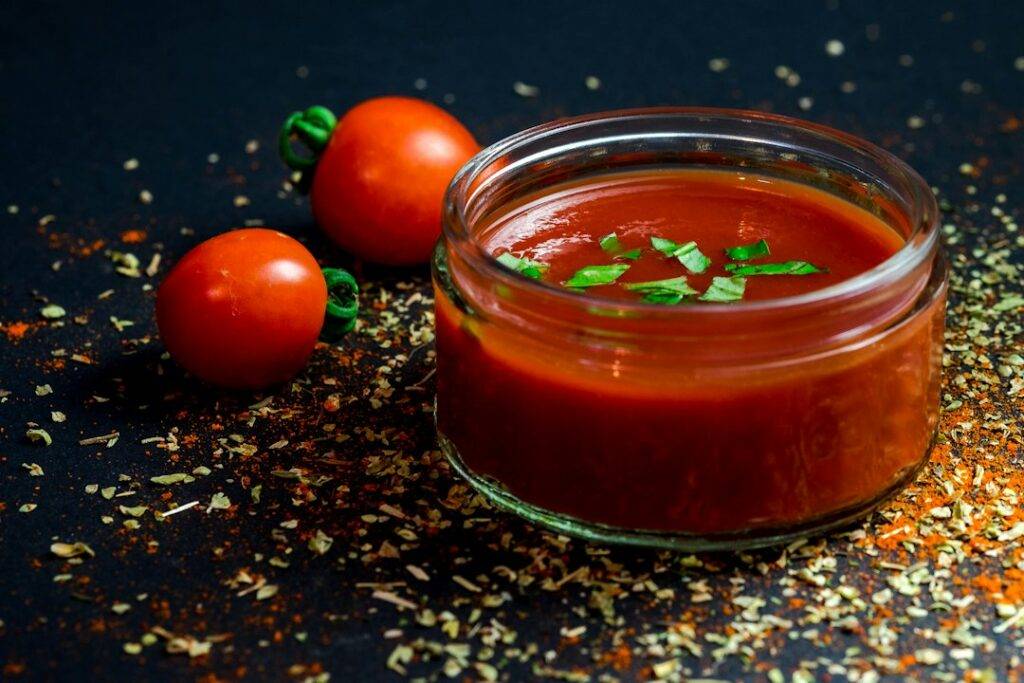
- tinned tomatoes;
- tomato purée;
- garlic;
- dried herbs;
- curry powder or individual spices;
- soy sauce;
- vinegar;
- mustard;
- stock cubes;
- lemon or lime when useful.
These ingredients turn the same basic beans, grains and vegetables into very different meals.
10. Calcium-set tofu and calcium-rich foods
If you exclude dairy, calcium deserves deliberate attention.
The BDA notes that adults need around 700 mg of calcium per day and lists fortified plant alternatives, calcium-set tofu, beans, sesame, nuts and some green vegetables as useful sources.
Not every tofu is calcium-set. Check the ingredient list for calcium salts if calcium content is important to you.
Fortified plant drinks can be especially convenient because the calcium amount is usually clearly stated on the label.
11. A reliable vitamin B12 source
Vitamin B12 is the nutrient that deserves the clearest planning in a fully vegan diet.
The BDA states that reliable vegan sources of vitamin B12 are fortified foods or supplements. Plants do not naturally provide a dependable amount.
Potential fortified foods include:
- some breakfast cereals;
- fortified plant drinks;
- fortified plant yoghurts;
- some yeast extracts;
- nutritional yeast products that specifically state B12 on the label.
Do not assume every nutritional yeast or plant milk contains B12. Check the nutrition panel.
12. Think about iodine too
Iodine is needed for normal thyroid function.
Dairy and seafood are major iodine sources in many UK diets, so people who exclude both can be at risk of low intake.
The BDA notes that some iodine-fortified plant drinks and carefully selected supplements can help, but excessive iodine can also be harmful.
Seaweed is not a perfectly reliable solution because iodine content can be highly variable, particularly in kelp.
If you follow a fully vegan diet, check whether your plant drinks are fortified with iodine rather than assuming they are.
13. Vitamin D still matters on a plant-based diet
Vitamin D is difficult to obtain from food alone regardless of whether someone eats animal products.
The BDA supplement guidance recommends 10 micrograms of vitamin D per day during autumn and winter for adults and children over one, with some groups advised to consider it all year.
If you are vegan, check that the supplement source is suitable for you because some vitamin D products are animal-derived.
14. Iron-rich foods belong on the list
Plant sources of iron include:
- lentils;
- beans;
- wholegrains;
- nuts and seeds;
- leafy green vegetables;
- fortified cereals.
Plant iron is absorbed less efficiently than haem iron from meat. Eating vitamin-C-rich foods such as peppers, citrus fruit or berries with iron-rich meals can improve absorption.
If you have symptoms of iron deficiency such as persistent fatigue, breathlessness or unusual weakness, ask a GP about assessment rather than taking high-dose iron indefinitely without testing.
15. Keep convenient plant-based foods, but do not build the diet around them
Plant burgers, sausages, nuggets and ready meals can be useful, especially during a transition from an omnivorous diet.
They can also vary widely in protein, saturated fat and salt.
Use them when convenient, but keep beans, tofu, wholegrains and vegetables as the foundation so the diet does not depend entirely on expensive processed substitutes.
A practical one-week plant-based grocery list
For one adult, a simple basket might include:
- 1 kg oats;
- 1 loaf wholemeal bread;
- 500 g brown rice or wholewheat pasta;
- 4 to 6 tins of beans or lentils;
- 2 blocks of tofu;
- 2 tins chopped tomatoes;
- 1 bag frozen mixed vegetables;
- 1 bag frozen spinach or peas;
- onions, carrots and peppers;
- bananas and apples;
- 1 fortified soya drink;
- 1 fortified plant yoghurt;
- peanut butter;
- ground flaxseed;
- herbs, spices and stock.
Adjust quantities for household size, appetite and whether you eat some animal foods.
Five meals from a small basket
1. Lentil tomato pasta
Cook lentils with tinned tomatoes, onions and frozen vegetables, then serve with wholewheat pasta.
2. Chickpea curry
Cook chickpeas with tomatoes, spinach and spices. Serve with brown rice.
3. Tofu stir-fry
Cook tofu with frozen mixed vegetables, rice and a modest amount of soy sauce.
4. Beans on wholemeal toast with vegetables
Use baked beans or seasoned beans with toast and a side of vegetables.
5. Oats with fortified soya drink, banana and flaxseed
This provides a simple breakfast using ingredients already in the basket.
How to shop plant-based without overspending
Plant-based eating can be inexpensive when built around staples, but branded substitutes can raise the cost quickly.
To keep the shop practical:
- compare own-brand beans and lentils;
- use frozen vegetables where fresh food often goes to waste;
- buy grains in larger packs if you will use them;
- choose one or two plant-protein products rather than many novelty products;
- plan meals before shopping;
- check price per 100 g or per kilogram;
- freeze bread and cooked leftovers.
If you are only partly plant-based
You do not need to become vegan to use this list.
A flexitarian household can use plant-based staples alongside eggs, dairy, fish or meat in smaller amounts.
For example, bean chilli can replace one meat meal, while lentil pasta sauce can be used on another day.
Gradual changes can be easier to sustain than replacing every familiar food at once.
Start with meals, not products
The supermarket plant-based aisle can be overwhelming because it mixes useful staples with premium snacks, desserts and substitutes.
Plan five meals first, then buy the ingredients needed for those meals.
If a product does not solve a real problem in your meal plan, you probably do not need it.
What to check about Plant-Based Grocery List UK
What should be on a basic vegan grocery list?
Beans, lentils, wholegrains, vegetables, fruit, nuts, seeds, tofu or another protein source, fortified plant alternatives and a reliable vitamin B12 source are useful foundations.
Is plant-based eating expensive?
It can be, but it does not have to be. Beans, lentils, oats, rice, pasta, frozen vegetables and seasonal fruit are often inexpensive compared with many branded substitutes.
Do vegans need vitamin B12?
Yes, a fully vegan diet requires a reliable source from fortified foods or a supplement because plants do not naturally provide dependable B12.
Which plant milk is best?
There is no universal best option. If protein matters, fortified soya drink is often stronger than almond or rice drinks. Check calcium, B12, iodine and vitamin D fortification.
Do I need meat substitutes?
No. They can be convenient, but beans, lentils, tofu, tempeh and other whole foods can provide most of the protein foundation.
How can I reduce food waste?
Use frozen vegetables, repeat ingredients across meals, freeze portions and choose durable produce such as carrots, cabbage and onions.
What this means for Plant-Based Grocery List UK
A strong plant-based grocery list is built around repeatable foods, not novelty products.
Start with pulses, wholegrains, vegetables, fruit, nuts, seeds and plant proteins. Add fortified foods deliberately, especially for vitamin B12, calcium and iodine, and pay attention to vitamin D guidance.
Plan meals before shopping, use frozen and tinned foods when they reduce waste, and spend money where it makes the diet easier to maintain.
Plant-based nutrition note: The guidance here is general UK nutrition information. Pregnancy, childhood, eating disorders, allergies and medical conditions may require individual dietetic advice.
Explore the wider topic: This article is part of our Everyday Nutrition cluster for practical UK healthy-eating guidance.