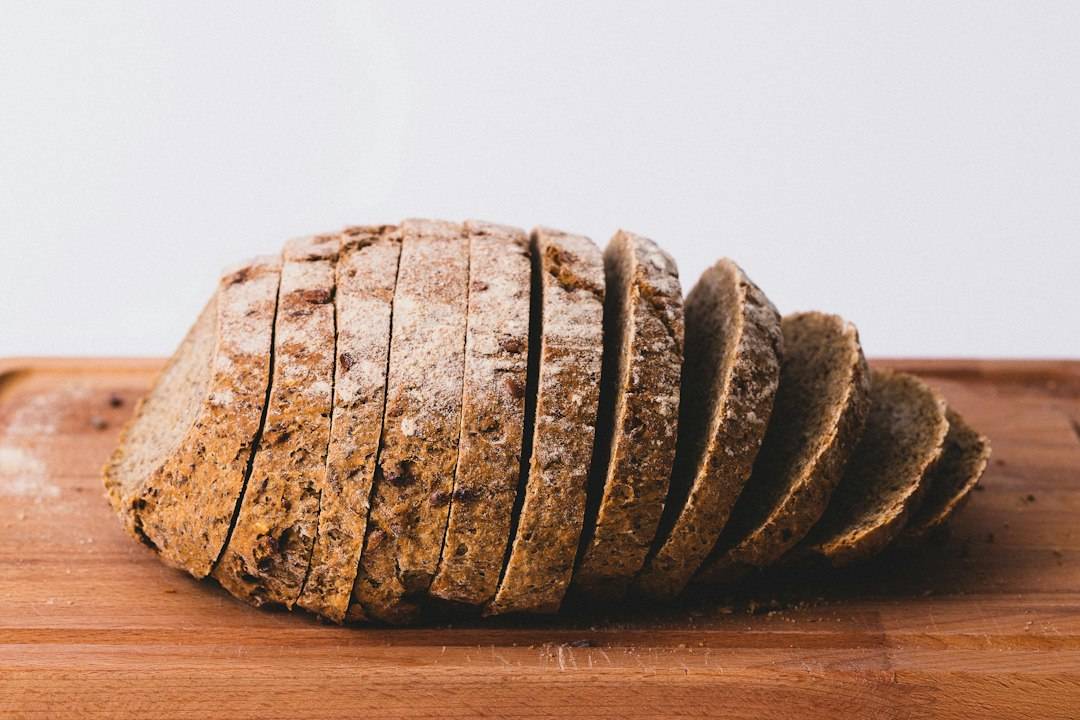
Bread can be part of a healthy diet, but the bread aisle is full of claims such as “multigrain”, “seeded”, “artisan”, “sourdough” and “high protein”. The simplest comparison is usually fibre, wholegrain content, salt and how well the loaf fits your meals.
The NHS recommends wholemeal or granary bread as a higher-fibre alternative to white bread and notes that bread can also contribute significantly to daily salt intake.
This guide explains how to compare everyday loaves without assuming darker colour, seeds or premium packaging automatically mean healthier.
Wholemeal is a useful starting point
Wholemeal bread uses more of the whole grain and generally provides more fibre than standard white bread.
Brown is not always wholemeal
Colour alone is not enough. Check the ingredients list for wholemeal flour or wholegrain ingredients.
Granary and seeded breads
These can provide more fibre and texture, but check salt and portion size. Seeds add nutrients and energy, but a seeded loaf is not automatically lower in salt.
Sourdough is not automatically healthier
Sourdough describes the fermentation method. Fibre and salt still depend on the flour and recipe. A white sourdough can still be lower in fibre than a wholemeal loaf.
Check fibre
If fibre is listed, compare similar loaves per 100g. Higher-fibre bread can help contribute towards the UK adult fibre target.
BetterCare’s high-fibre foods guide shows how bread fits alongside oats, pulses, fruit and vegetables.
Check salt
Bread is an everyday source of salt, so modest differences can matter if you eat several slices daily. Compare brands rather than assuming bread is naturally low-salt.
Use the front-of-pack label
Where traffic-light labels are present, use them to compare salt and other nutrients. BetterCare’s UK food-label guide explains the colour system.
White bread can still fit
If you prefer white bread, you do not need to eliminate it completely. Look for higher-fibre white options or mix white and wholemeal choices across the week.
What about high-protein bread?
Check whether the extra protein is meaningful, then compare salt, fibre and price. Protein bread can be useful, but it is not essential for a balanced diet.
What about gluten-free bread?
People with coeliac disease or medically diagnosed gluten-related conditions need appropriate gluten-free products. For people without those needs, gluten-free bread is not automatically healthier.
What about rye bread?
Rye bread can be a useful higher-fibre option depending on the recipe. Check whether whole rye flour is prominent and compare salt.
What about wraps and pittas?
They are not automatically lighter or healthier than bread. Compare fibre, salt and portion size just as you would for a loaf.
Bread for sandwiches
Wholemeal or higher-fibre bread works well with protein and vegetable fillings. BetterCare’s healthy sandwich fillings guide gives practical combinations.
Bread with soup
Wholegrain bread can make soup more substantial. If the soup is high in salt, choose a lower-salt bread where possible.
BetterCare’s supermarket soup guide explains how to compare soup labels.
Bread for breakfast
Wholemeal toast with eggs, peanut butter, yoghurt or fruit can be a practical breakfast. NHS guidance specifically suggests wholemeal or granary toast as a higher-fibre choice.
What about toast toppings?
The topping can change the nutrition more than the bread. Jam, honey, butter, cheese, eggs, peanut butter and avocado all create very different meals.
Bread portion size
Slice thickness varies. Compare nutrition per slice as well as per 100g if one loaf uses very large slices.
Bread and weight gain
Bread can be useful for people needing more energy because it is easy to enrich with cheese, nut butter, avocado or eggs. That is a different goal from choosing the lowest-calorie loaf.
Bread and food waste
Freeze half the loaf if you live alone or eat bread slowly. BetterCare’s food-storage guide covers freezing and portioning.
How to freeze bread
Freeze sliced bread in a sealed bag so you can remove individual slices. This is often more practical than waiting until the loaf begins to mould.
Bread on a budget
Own-brand wholemeal loaves can provide plenty of fibre at a lower cost than premium artisan bread. Compare labels rather than price as a health signal.
A practical supermarket comparison
Between two everyday loaves, compare wholegrain ingredients, fibre and salt. If one has substantially more fibre and less salt at a similar price, that is a useful difference.
The main goal: an everyday bread you enjoy
For most adults, a wholemeal or higher-fibre loaf with reasonable salt is a practical everyday choice. You do not need specialist bread or expensive fermentation claims.
How to compare two loaves quickly
Check whether wholemeal or wholegrain flour appears prominently, then compare fibre and salt per 100g. After that, compare slice size because one loaf may use much thicker slices than another.
What does “multigrain” mean?
Multigrain means more than one grain has been used, but it does not necessarily mean the loaf is wholegrain. The grains can still be refined. Check the ingredients and fibre rather than relying on the front label.
What does “seeded” mean?
Seeds can add texture, unsaturated fats and some fibre. A seeded loaf may still be made mainly from refined flour, so check the wholegrain content as well.
Is artisan bread healthier?
Not automatically. Artisan methods can produce excellent bread, but salt, fibre and wholegrain content still vary. Price and appearance are not reliable nutrition measures.
What about bread with added sugar?
Some packaged breads contain small amounts of added sugar. This is usually less important than fibre and salt for ordinary bread choices, but the ingredients list can help if you are comparing very sweet rolls or brioche-style products.
How bread fits a balanced meal
Bread works best as the carbohydrate part of a meal rather than the whole meal. Add a protein-rich filling or topping and vegetables or fruit.
BetterCare’s balanced meal guide explains this wider structure.
Bread for packed lunches
Choose a loaf sturdy enough to hold the filling and use vegetables and protein rather than relying only on cheese or processed meat. BetterCare’s sandwich fillings guide gives practical examples.
Bread with breakfast
Wholemeal toast with eggs, peanut butter, beans or yoghurt and fruit can make a substantial breakfast. This can be a useful alternative if cereal leaves you hungry.
How to store bread
Keep bread according to pack instructions and freeze what you will not use soon. Refrigeration can change texture and is not always necessary. Freezing sliced bread is often the simplest low-waste option.
How to stop bread waste in one-person households
Freeze half on shopping day instead of waiting until mould appears. Use older slices for toast if they are still safe and simply a little dry.
What about bread machines?
Homemade bread gives you control over ingredients, but it is not automatically lower in salt or higher in fibre. Recipe choice matters.
What about bakery bread without labels?
If nutrition information is unavailable, choose wholemeal or visibly wholegrain options where possible and vary your diet rather than trying to calculate exact figures.
A practical weekly bread pattern
Use wholemeal toast for breakfast, sandwiches for lunch, and bread alongside soup once or twice. Freeze surplus slices so the loaf lasts the week.
When white bread may be useful
If you have been advised to follow a lower-fibre diet temporarily, or if wholemeal bread is difficult to tolerate for a specific medical reason, white bread may be appropriate. Follow individual clinical advice.
How bread compares with crackers and wraps
Bread is not automatically less healthy than wraps or crackers. Some wraps are high in salt and some crackers contain more saturated fat. Compare products rather than choosing by format.
How to choose bread for children or older adults
Texture and chewing ability matter. Softer wholemeal bread may be easier for some people than dense seeded loaves. If swallowing difficulty is present, follow individual professional advice.
How to use bread without letting it dominate the meal
Use bread as the carbohydrate part of the meal and add protein plus vegetables or fruit. Two slices with tuna, egg or hummus and salad can be more balanced than several slices with only butter or jam.
How to choose bread on a tight budget
Compare own-brand wholemeal loaves before premium seeded products. Fibre and salt are more useful measures than price or artisan branding.
What if wholemeal bread causes bloating?
Increase fibre gradually and make sure you drink enough fluid. If symptoms are persistent or significant, do not keep forcing higher-fibre bread without understanding the cause.
How to use bread through the week
Plan toast for breakfast, sandwiches for lunch and soup with bread once or twice. Freeze the surplus so the loaf lasts rather than buying fresh bread repeatedly.
A practical bread checklist
- Is wholemeal or wholegrain flour prominent?
- How much fibre is there?
- How much salt?
- How large are the slices?
- Will you finish or freeze the loaf?
One final shopping shortcut
If you find a wholemeal loaf you enjoy with good fibre and reasonable salt, make it your regular default. Consistency is more useful than re-comparing the entire bread aisle every week.
Reviewed: September 2026. General UK nutrition information based on current NHS healthy-eating and salt guidance.