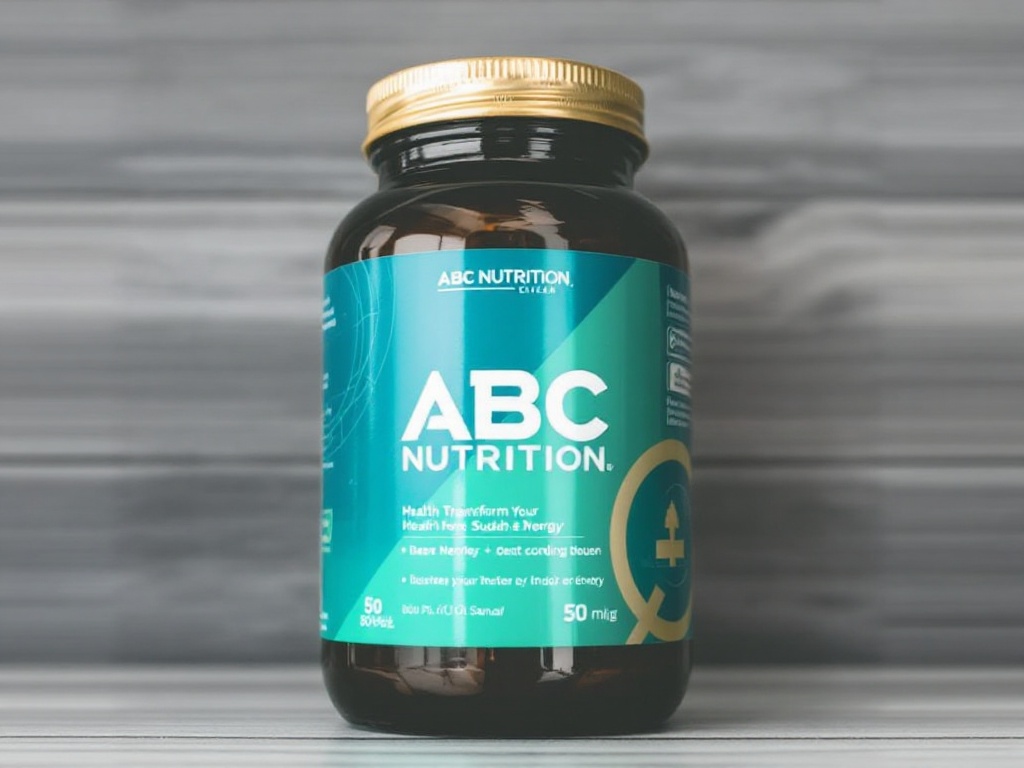
Updated 23 September 2026. “ABC Nutrition” sounds like the name of a formal diet, but it is not a standard NHS or NICE nutrition programme. The phrase is used by unrelated businesses, educational resources and online diet content, so readers can easily assume there is one recognised “ABC” method when there is not.
That distinction matters. Before the current evidence review, this article described ABC Nutrition as if it were an established evidence-based system with “proven benefits”. It also attributed broad effects to the approach, including steadier blood sugar, improved body composition, better mood and higher energy, without defining a validated intervention. That was too confident.
This updated guide uses the search term transparently. If by “ABC nutrition” you mean the basics of eating well, the most reliable UK starting point is not a branded formula. It is a balanced overall dietary pattern built around vegetables and fruit, higher-fibre carbohydrates, protein foods, dairy or suitable alternatives, mainly unsaturated fats and appropriate portions.
There is also an important warning: “ABC diet” is sometimes used online to refer to the extremely restrictive “Ana Boot Camp” diet. That is not what this article recommends. Current NICE guidance says very-low-energy diets should only be used in specific clinical circumstances with specialist support, not as an unsupervised long-term eating plan.
What does healthy nutrition actually need to achieve?
A good diet is not judged by whether it has a catchy name. It should provide enough energy and nutrients for your needs, support health, fit your lifestyle and be sustainable.
The NHS guidance on eating a balanced diet recommends a wide variety of foods in appropriate proportions. The pattern includes at least five portions of varied fruit and vegetables each day, higher-fibre starchy foods, protein foods, dairy or alternatives, small amounts of unsaturated oils and adequate fluids.
You do not need to reproduce those proportions perfectly at every meal. The Eatwell Guide is designed to describe the overall pattern across a day or week.
1. Variety matters more than chasing a single “superfood”
Different foods provide different nutrients. That is why a varied diet is more useful than repeatedly adding one fashionable ingredient.
Vegetables and fruit provide fibre, vitamins, minerals and a wide range of plant compounds. Wholegrains and other higher-fibre carbohydrates provide energy and fibre. Beans, pulses, eggs, fish, meat, tofu and other protein foods contribute protein and different micronutrients. Dairy foods or fortified alternatives can contribute calcium and other nutrients.
No single ingredient completes the diet. A smoothie, protein powder, green juice or supplement cannot correct an eating pattern that is consistently inadequate elsewhere.
2. Build meals around food groups rather than rigid rules
A simple meal framework is often more useful than a list of forbidden foods. Think about whether a meal contains:
- a meaningful amount of vegetables or fruit;
- a protein source;
- a higher-fibre carbohydrate where appropriate;
- some unsaturated fat or another appropriate source of fat;
- and enough food to leave you reasonably satisfied.
For example, that might be porridge with milk or fortified soya drink, fruit and nuts; a jacket potato with beans and salad; lentil curry with brown rice and vegetables; or fish with potatoes and mixed vegetables.
Healthy eating does not require every meal to look like a textbook plate. Culture, budget, allergies, cooking skills, family meals and personal preference all matter.
3. Higher-fibre carbohydrates belong in a balanced diet
Carbohydrates are frequently treated as a problem in diet culture. In reality, the type and amount matter more than simply labelling all carbohydrate foods as “bad”.
The NHS recommends basing meals on higher-fibre starchy carbohydrates such as potatoes, bread, rice, pasta and cereals, choosing wholegrain or higher-fibre options where possible.
Fibre supports digestive health and is associated with lower risk of several long-term conditions. The NHS recommends around 30 grams of fibre per day for adults.
Good sources include oats, wholegrain bread and cereals, beans, lentils, vegetables, fruit, nuts, seeds and potatoes with their skins.
4. Protein is important, but more is not always better
Protein is needed for growth, repair and maintenance of body tissues. Useful sources include beans and pulses, fish, eggs, meat, dairy foods, tofu, tempeh, nuts and seeds.
A balanced diet usually distributes protein across meals rather than saving almost all of it for dinner. For older adults, people recovering from illness and those doing resistance training, protein needs and meal planning may deserve more attention.
That still does not mean everyone needs shakes or high-protein products. Supplements can be convenient, but they should solve an actual dietary need rather than create one.
5. Fat is necessary — focus on type and quantity
Dietary fat provides energy, essential fatty acids and helps the body absorb certain vitamins. The useful distinction is not “fat versus no fat” but which fats dominate the diet and how much is eaten.
The NHS recommends choosing mainly unsaturated oils and spreads and limiting foods high in saturated fat. Olive, rapeseed and other unsaturated oils can fit well, but all oils are energy-dense, so quantity still matters if weight management is a goal.
Nuts, seeds, avocado and oily fish are other foods that can contribute unsaturated fats and useful nutrients.
6. Fruit and vegetables are a foundation, not a detox
UK guidance recommends at least five portions of varied fruit and vegetables each day. The NHS explains that fruit and vegetables provide fibre, vitamins and minerals and form part of a healthy balanced diet.
That does not mean vegetables “cleanse toxins” or fruit “boosts immunity” in a guaranteed way. Your liver and kidneys carry out the body’s main waste-processing functions. Fruit and vegetables support nutrition because of what they contain, not because they perform a detox.
Fresh, frozen and canned options can all be useful. Choosing affordable and convenient produce is better than believing healthy eating requires expensive organic ingredients.
7. Processed does not automatically mean unhealthy
The word “processed” is often used as if it describes one type of food. In reality, processing ranges from freezing vegetables and canning beans to producing confectionery and heavily formulated snack foods.
The NHS guidance on processed foods notes that not all processed foods are unhealthy. Wholemeal sliced bread, wholegrain cereal and baked beans are examples of processed foods that can still fit a balanced diet.
A more useful approach is to look at the overall nutritional profile: calories, saturated fat, salt, sugar, fibre, protein and how the food fits into the rest of your diet.
8. “Stable blood sugar” should not be promised to everyone from one eating pattern
The old article repeatedly suggested that ABC Nutrition would prevent blood-sugar spikes and stabilise energy. That kind of promise is too broad.
Meals containing fibre, protein and less refined carbohydrate can affect digestion and post-meal glucose differently from meals dominated by rapidly digested carbohydrate. But glucose responses vary between people and depend on health status, medication, meal composition and quantity.
People with diabetes should not adjust medicines or follow a restrictive diet based on a generic article. Dietary changes may alter medication requirements, so personalised advice from a healthcare professional is appropriate.
9. Nutrition can support wellbeing, but food is not a mental-health treatment
Eating well can support general health and provides nutrients the nervous system needs. Regular meals may also make day-to-day energy and concentration feel more predictable for some people.
But it is not professional to promise that a particular diet will cure anxiety, depression, “brain fog” or burnout. Mental-health symptoms can have many causes and may need specific treatment.
If mood, anxiety, concentration or fatigue is persistent or significantly affects daily life, seek appropriate healthcare support rather than relying on supplements or a food plan alone.
10. Supplements are not the foundation of good nutrition
Most people should aim to obtain nutrients from a varied diet, although specific supplements are recommended in particular circumstances. For example, UK public-health guidance recommends that everyone consider 10 micrograms of vitamin D daily during autumn and winter, with some groups advised to take it all year.
Other supplements may be needed for pregnancy, diagnosed deficiency, restricted diets or certain medical conditions. That is different from taking a long list of products because they are trending.
Food supplements can also interact with medicines. If you take regular medication, are pregnant or breastfeeding, or have a health condition, check before starting supplements.
How to build a practical balanced plate
You do not need to weigh every ingredient. A simple approach is to start with the overall composition of the meal.
Vegetables or fruit: add colour and variety. For savoury meals, vegetables can make up a substantial part of the plate.
Protein: include beans, lentils, fish, eggs, tofu, yoghurt, poultry, lean meat or another suitable option.
Higher-fibre carbohydrate: choose potatoes, oats, wholegrain bread, brown rice, wholewheat pasta or another culturally appropriate staple.
Fat: use modest amounts of unsaturated oils, nuts, seeds or other suitable sources.
Fluids: water, lower-fat milk and unsweetened drinks can contribute to hydration.
The exact proportions will vary with age, activity, appetite, health conditions and goals.
What if your goal is weight loss?
Healthy eating and weight loss overlap, but they are not identical. Someone can eat nutritious foods and still consume more energy than they use.
If weight loss is appropriate, NICE recommends a flexible, individualised approach that reduces energy intake while maintaining nutritional balance. That might mean changing portions, reducing high-calorie drinks, limiting frequent snacks, or replacing some energy-dense foods with more filling lower-energy options.
Extreme restriction is not necessary. Low-energy diets of 800 to 1,200 calories and very-low-energy diets below 800 calories have specific clinical roles and should not be treated as ordinary DIY plans. NICE recommends specialist support and strict limits on their use.
Do not confuse nutrition basics with the “ABC diet”
Searches for “ABC nutrition” can overlap with content about an online plan known as the ABC or “Ana Boot Camp” diet. That is an extreme calorie-restriction approach associated with pro-anorexia content.
BetterCare does not provide its calorie schedule or instructions. The important point is that this type of severe restriction is not equivalent to balanced nutrition. It can increase the risk of nutritional inadequacy, fatigue, loss of muscle and disordered eating.
If you are drawn to very-low-calorie plans because eating or body weight feels difficult to control, speak with a GP or an eating-disorder service rather than trying to manage severe restriction alone.
A seven-day nutrition reset without a detox
If you want a simple way to improve your diet, use one week to observe and adjust rather than “cleanse”.
- Day 1: note what you normally eat and drink without judging it.
- Day 2: add fruit or vegetables to two meals.
- Day 3: replace one refined grain with a higher-fibre option.
- Day 4: include a clear protein source at each main meal.
- Day 5: review drinks and reduce one frequent high-sugar or alcoholic option.
- Day 6: plan two easy meals for busy days.
- Day 7: decide which two changes are realistic enough to continue for the next month.
No detox tea, juice fast or supplement stack is required.
Practical questions about ABC Nutrition Explained
Is ABC Nutrition an official diet?
No. There is no single NHS or NICE diet called “ABC Nutrition”. The phrase is used in different ways by unrelated organisations and online content.
What is the healthiest way to interpret “ABC nutrition”?
Treat it as a prompt to return to nutrition basics: variety, balanced food groups, enough fibre and protein, appropriate portions and a pattern you can maintain.
Is the ABC diet the same thing?
No. “ABC diet” can refer online to an extreme restriction plan known as the Ana Boot Camp diet. BetterCare does not recommend or provide instructions for that plan.
Do I need organic food to eat well?
No. Fresh, frozen and canned foods can all contribute to a nutritious diet. Choose options that suit your budget and circumstances.
Should everyone take a multivitamin?
No. Some supplements are recommended for specific groups or circumstances, but a multivitamin is not universally necessary. Check current UK guidance and your individual needs.
How can I make healthy eating cheaper?
Use frozen vegetables, canned beans and pulses, oats, potatoes, seasonal produce and supermarket own-brand staples. Planning meals around what you already have can also reduce waste.
The main takeaway on ABC Nutrition Explained
There is no established clinical programme that can honestly be presented as “ABC Nutrition” with nine proven benefits. The stronger approach is to use the term as an entry point into evidence-based nutrition basics.
For UK readers, that means following a varied, balanced pattern based broadly on the Eatwell Guide, adapting portions and food choices to personal needs, and avoiding extreme restriction or exaggerated health promises.
Nutrition context note: This is general nutrition information for UK readers. It does not define or endorse a proprietary “ABC Nutrition” programme and should not replace personalised advice from a registered dietitian or healthcare professional.
Explore the wider topic: Continue with our Everyday Nutrition guide for practical meal planning, protein and balanced-eating resources.