Trying to gain weight with a small appetite can feel contradictory: you need more energy, but eating larger meals may make you uncomfortable or put you off food completely. A better strategy is often to increase the energy and protein in food you can already manage.
If your appetite has fallen suddenly, you are losing weight without trying, you have difficulty swallowing, persistent digestive symptoms or another health concern, speak to an appropriate healthcare professional. The NHS advises GP review for sudden or unexplained weight loss.
Think smaller and more often
Three large meals are not the only way to eat. Smaller meals plus two or three snacks may be easier when appetite is limited. NHS guidance on healthy ways to gain weight specifically suggests smaller meals more often and adding healthy snacks between meals.
Increase energy density
Energy-dense additions can increase calories without making the plate dramatically larger. Depending on your diet, examples include:
- nut or seed butter stirred into porridge or spread on toast;
- grated cheese added to potatoes, pasta, eggs or vegetables;
- olive or rapeseed oil added to cooked dishes;
- full-fat yogurt where suitable;
- avocado added to toast or sandwiches;
- ground nuts and seeds added to cereal or yogurt;
- hummus with bread, crackers or vegetables.
Include a protein source when you can
Protein is useful when gaining weight because the goal is not simply to add body fat. Eggs, dairy foods, fish, poultry, lean meat, beans, lentils, tofu, tempeh, nuts and seeds are practical options.
If you eat plant based, our plant-based grocery guide and beginner plant-based meal plan can help you identify useful staples.
Use drinks between meals rather than before them
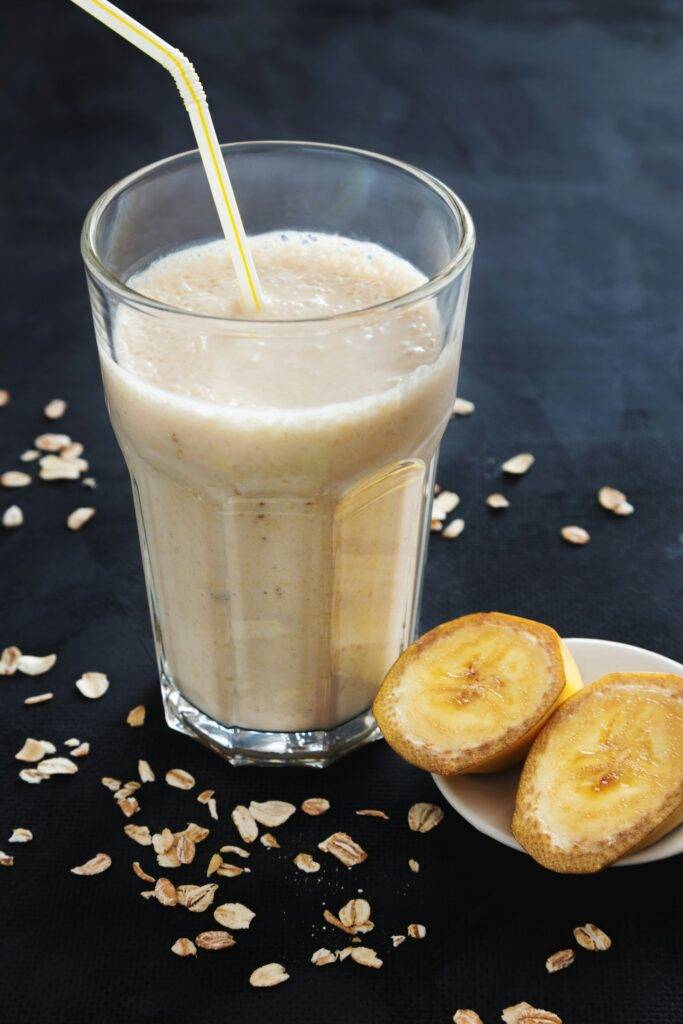
Drinks can contribute useful energy, but large drinks immediately before eating may make some people feel full. Milk, fortified alternatives, yogurt-based smoothies and similar drinks can be easier between meals.
Keep easy snacks visible and ready
When appetite appears briefly, a snack that takes ten minutes to prepare may be too much effort. Keep suitable options ready, such as yogurt, cheese and crackers, nuts, toast, banana with nut butter, rice pudding or prepared sandwiches.
Make breakfast do more work
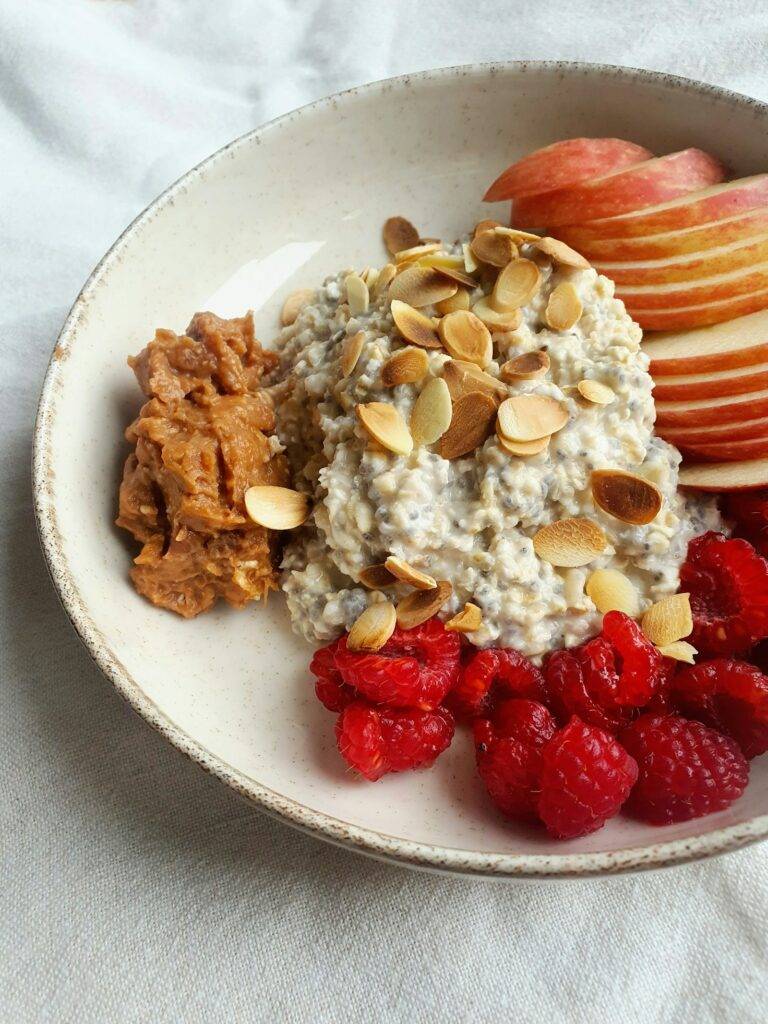
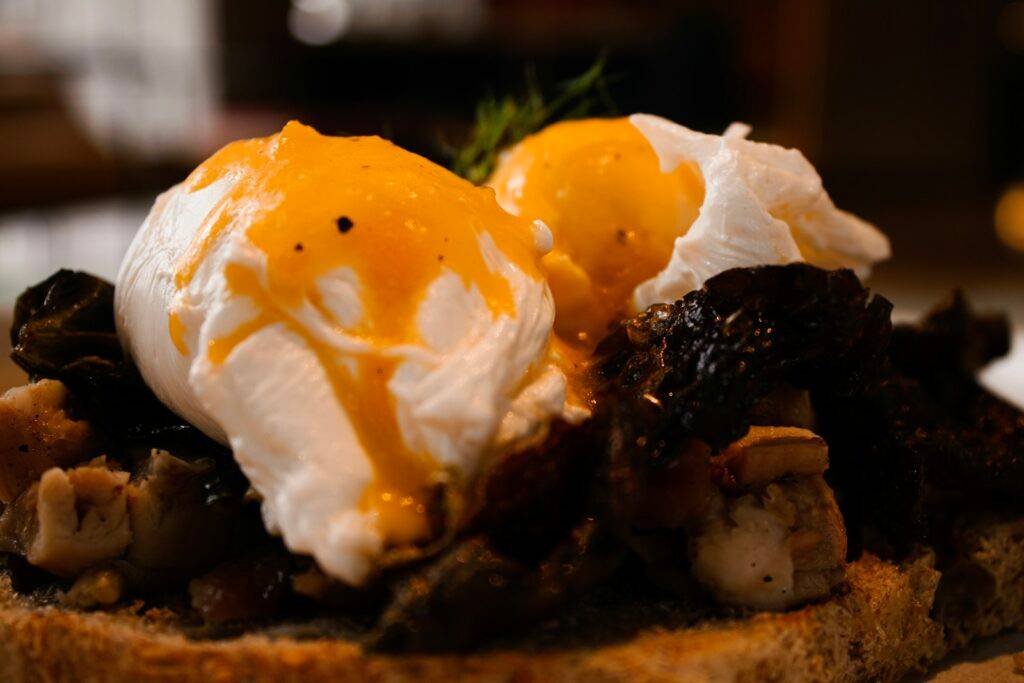
If mornings are easier for eating, use them. Porridge made with milk and topped with fruit and nut butter, eggs on toast, or yogurt with oats and seeds can provide more energy than a drink alone.
Do not rely entirely on sweets and sugary drinks
The NHS advises against relying on chocolate, cakes and sugary drinks for weight gain. They can add calories, but a diet built around them may not provide enough protein, fibre, vitamins and minerals.
Strength activity may help when appropriate
Resistance training can support muscle gain and may improve appetite for some people. It needs to suit your health and ability. If you are recovering from illness, frail or unsure whether exercise is appropriate, seek professional guidance first.
Track the trend gently
If weighing is appropriate for you, use the same conditions and look at the trend over time rather than daily fluctuations. If weight tracking is distressing or connected to an eating disorder, prioritise professional support instead.
Build a simple weekly routine
Use our meal-planning guide for one person to plan regular meals, then adapt the portions and additions to support weight gain. The main Healthy Weight Gain pillar explains the broader approach and when unexplained weight loss needs medical review.
Use your best appetite window
Do not assume breakfast, lunch and dinner must be the three largest eating opportunities. If your appetite is strongest at midday, make lunch more substantial. If mornings are difficult, start with something small and nourishing and eat again later. Building around the time you naturally eat best can be easier than forcing a large meal when food is least appealing.
NHS guidance on healthy ways to gain weight recommends gradual gain, smaller meals more often and useful snacks between meals rather than relying mainly on sweets or sugary drinks.
Make small portions work harder
When fullness arrives quickly, increase the energy in food you already tolerate before making the plate much bigger. Depending on your diet, that might mean adding cheese to a potato or pasta, nut or seed butter to porridge, olive or rapeseed oil to savoury food, yogurt with fruit, avocado in a sandwich or ground nuts and seeds in suitable dishes.
Move drinks if they are filling you up
Some people find that a large drink immediately before eating leaves little room for food. If that happens to you, move more of your fluid intake between meals. Royal Free London’s small-appetite guidance similarly recommends eating little and often and using the time of day when appetite is best.
Keep low-effort food within reach
A small appetite often comes with low energy for shopping and cooking. Keep a few foods that require almost no preparation: yogurt, cheese and crackers, nut butter and toast, cereal with milk, hummus and pitta, tinned fish, eggs, soup, rice pudding or a ready meal you enjoy.
Our healthy high-calorie snack guide gives more combinations. Choose a short list you can repeat rather than stocking dozens of foods that may go unused.
Split a meal instead of abandoning it
If you can only manage half a meal, put the rest aside safely and return to it later if appropriate. Lunch can become two smaller eating opportunities; a smoothie can sit between breakfast and lunch rather than replacing both. A day made of several small, useful foods can still support gradual weight gain.
Spread protein through the day
Eggs, dairy foods, fish, meat, beans, lentils, tofu, nuts and nut butters can all contribute protein. You do not need an unusually large portion at dinner. Add a source you tolerate to several smaller eating opportunities instead.
The high-protein breakfast guide gives practical examples without treating protein powder as a requirement.
Increase energy without making portions look much bigger
When appetite is small, a very large plate can be discouraging before you start. It is often more practical to make foods you already tolerate a little more energy-dense. Examples include adding grated cheese to a baked potato or omelette, stirring milk powder or full-fat milk into porridge, adding nut butter to toast or banana, using olive or rapeseed oil in savoury dishes, or choosing a higher-energy yogurt when appropriate for you.
The aim is not to make every meal rich or heavy. Small additions spread through the day can be easier to manage than trying to double portion sizes. The NHS advises people who need to gain weight to do so gradually and suggests smaller meals more often, snacks between meals, adding calories with foods such as cheese, nuts and seeds, and including protein sources. See the NHS guide to healthy ways to gain weight.
Build a repeatable “easy day” food routine
On low-appetite days, decision-making can become another barrier. Create a short list of foods that are usually acceptable and require little effort. For example, breakfast might be porridge with milk and nut butter; a snack could be yogurt and fruit; lunch could be soup with bread and cheese; later snacks might include rice pudding, crackers with hummus or a milk-based drink; dinner could be a smaller serving of a familiar meal.
This is not a rigid prescription. It is a backup plan for days when thinking about food feels tiring. Keep two or three alternatives for each eating time so you are not dependent on one food. If cooking is difficult, include options that use the freezer, microwave or ready-to-eat foods. Practical consistency matters more than creating a perfect menu.
Watch for patterns that suppress appetite
Sometimes the difficulty is not the food itself but what happens around it. Large drinks immediately before meals, pain, constipation, nausea, mouth problems, low mood, tiredness or medicine side effects can all make eating harder. Note patterns rather than trying to diagnose the cause yourself.
If you are repeatedly skipping meals because you feel full quickly, feel sick, struggle to chew or swallow, or have lost weight without trying, discuss it with a healthcare professional. The NHS advises seeing a GP for unintentional weight loss, because there can be many possible causes and treatment depends on the reason.
Use drinks strategically
If ordinary drinks fill you up, move larger drinks away from meal times rather than cutting fluids too aggressively. Between meals, some people find milk, fortified milk or other nourishing drinks easier to manage than another plate of food. Choose options that fit your health needs and any advice you have been given.
If you have diabetes, kidney disease, heart failure, swallowing problems, food allergies or another condition that affects diet or fluids, general weight-gain advice may need adapting. Ask your GP, dietitian or other clinician what is appropriate rather than copying a high-calorie plan designed for someone else.
Measure progress without turning eating into a daily test
Daily weighing can be noisy and stressful because body weight changes with fluids, clothing, meals and time of day. If a clinician has advised monitoring weight, use the frequency they recommend. Otherwise, focus on practical signs as well: are you managing more regular meals, finishing a little more, keeping snacks within reach and maintaining your energy better?
If weight continues to fall despite your efforts, or eating is becoming increasingly difficult, seek professional advice. The goal is not simply a number on the scale; it is to support adequate nutrition while the reason for poor appetite is understood and managed.
Keep a few “minimum effort” options available
When energy is very low, even assembling a snack can feel like work. Keep two or three foods that need almost no preparation, such as yogurt, cheese and crackers, a banana with nut butter, ready-to-eat rice pudding or a sandwich filling you tolerate well. A realistic backup option is more useful than an ambitious plan you cannot manage on difficult days.
Use a meal plan as a framework, not a test
Our seven-day weight-gain meal plan can help you see how meals and snacks fit together, but you do not have to follow it in order. Repeat foods you enjoy and swap ingredients that do not suit you. Consistency matters more than variety for its own sake when appetite is low.
Reviewed: September 2026. General information only, not an individual diet prescription.
Related BetterCare guide: See our healthy weight gain on a budget.
Related BetterCare guide: See nutrition and weight gain during recovery after illness.