A high-protein snack can be useful when you are trying to gain weight but cannot manage large meals. The goal is not to eat protein in isolation or chase extreme targets. It is to use small, practical snacks to add protein and energy between meals without making you so full that you skip the next meal.
The NHS recommends smaller meals more often for people who need to gain weight, with snacks between meals and protein foods such as beans, pulses, fish, eggs and lean meat. Its healthy weight-gain guidance also suggests adding calorie-dense foods and using nourishing drinks between meals.
This guide focuses on snack-sized options for UK adults. If you are losing weight without trying, have a very poor appetite, or have a medical condition affecting your diet, speak to a GP or dietitian rather than relying only on snack ideas.
Protein matters, but total intake still matters
Protein helps maintain and repair body tissues, including muscle. But someone trying to regain weight also needs enough overall energy. A snack that contains 15g of protein but is very low in energy may not be enough if the main problem is under-eating.
That is why many of the ideas below combine protein with foods such as full-fat dairy, nuts, seeds, avocado, bread, crackers or oils. Our broader high-protein foods for healthy weight gain explains how protein fits into the whole day.
1. Greek-style yoghurt with nuts
Choose a full-fat Greek-style yoghurt if appropriate and add chopped nuts, seeds, nut butter, fruit or granola. This is quick, compact and easy to vary.
If chewing is difficult, use smooth nut butter or ground nuts instead of whole nuts.
2. Cheese and crackers
Cheese with crackers is portable, needs little preparation and combines protein with energy. Add chutney, avocado, hummus or sliced fruit if you want more variety.
Use wholegrain crackers if you enjoy them, but if a very high-fibre snack makes you too full, a lower-fibre option may be more practical while appetite is small.
3. Peanut butter on toast or crumpets
Peanut butter, almond butter or another suitable nut or seed butter can add protein and a substantial amount of energy in a small volume. Spread it on toast, crumpets, oatcakes or a banana.
Choose a smooth version if texture is easier for you. Avoid nut products if you have an allergy.
4. Boiled eggs with a small side
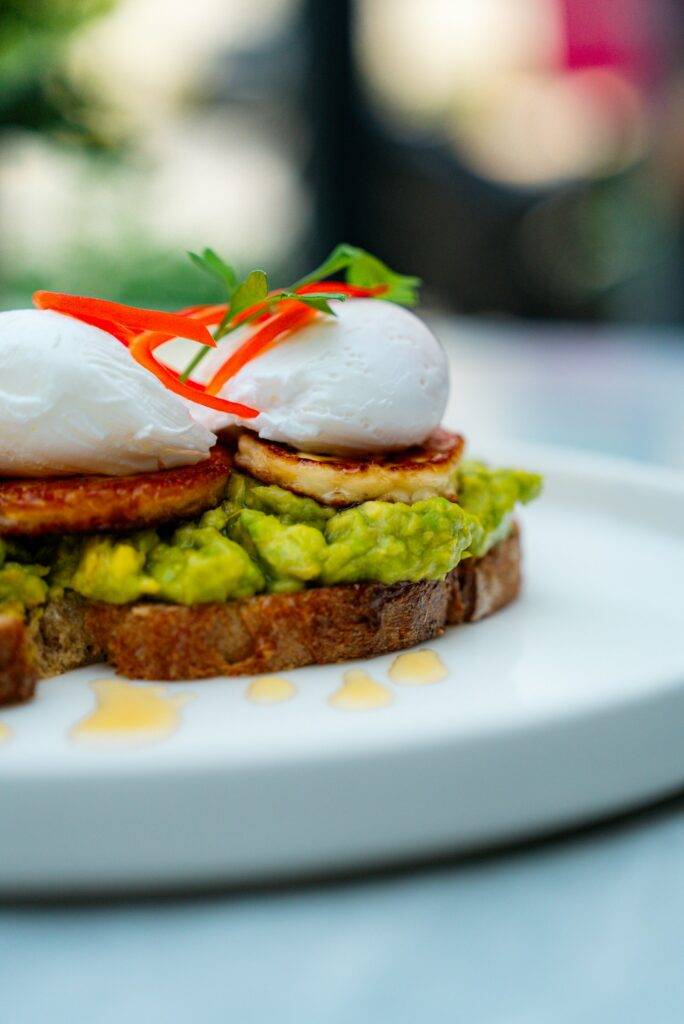
Keep boiled eggs in the fridge for a quick snack and pair with a slice of toast, a few crackers, mayonnaise, avocado or a small potato salad.
If one whole egg feels too filling, use half in a small sandwich or mash it with mayonnaise.
5. Hummus with pitta or crackers
Hummus provides protein from chickpeas and tahini, while pitta, crackers or bread add carbohydrate. Drizzle a little olive oil over hummus if you need additional energy and it suits your diet.
Vegetable sticks are useful too, but if raw vegetables fill you up before you get enough energy, make the hummus and bread the core of the snack.
6. Cottage cheese with fruit or toast
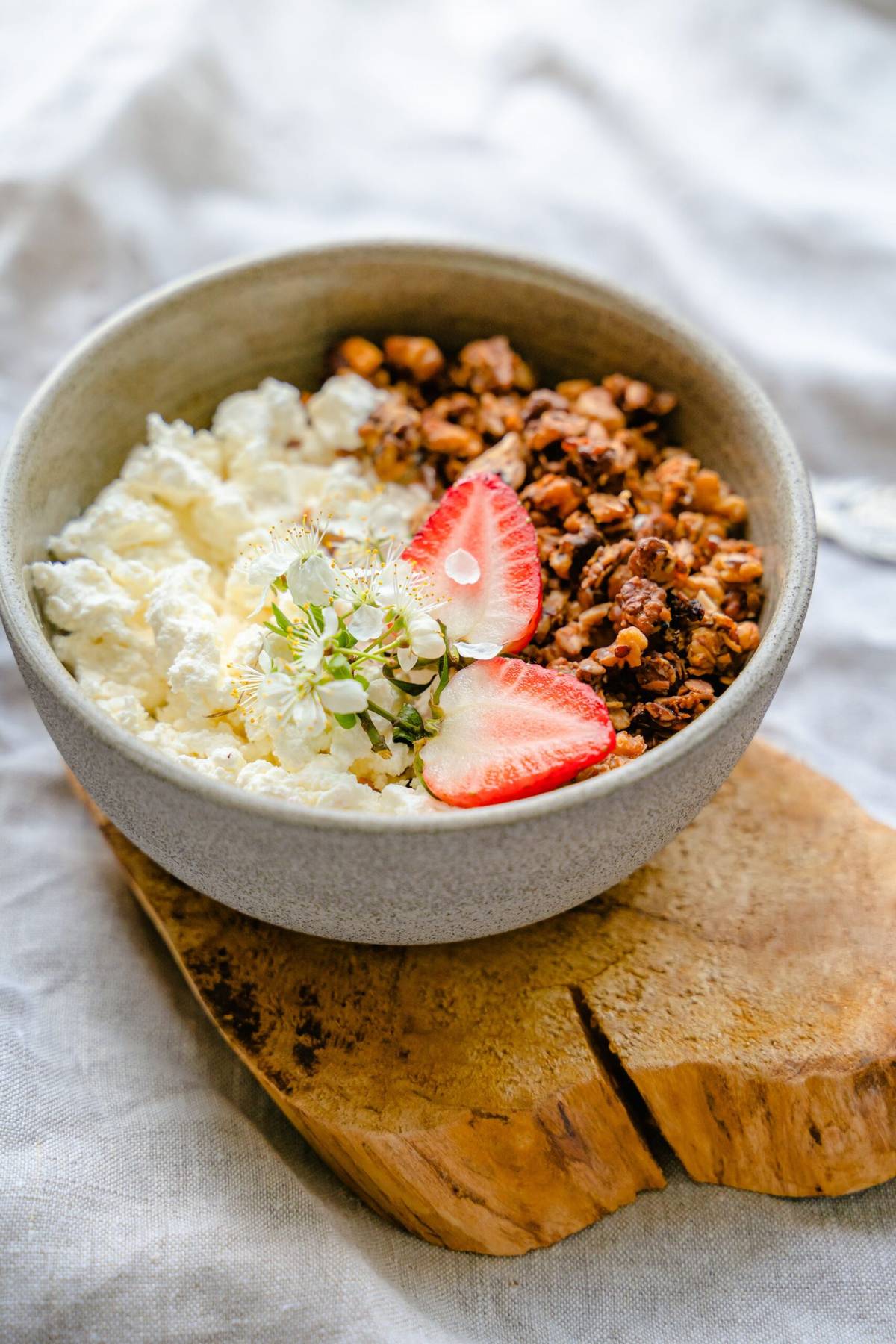
Cottage cheese can be eaten sweet or savoury. Try it with soft fruit, honey, toast, avocado or a baked potato portion. Full-fat versions can be useful when extra energy is needed.
7. Tuna mayonnaise on crackers
Mix tinned tuna with mayonnaise and spoon onto crackers, bread or a small roll. Add sweetcorn or cucumber if wanted.
This is useful when you need something savoury but do not want a full meal.
8. Chicken or turkey mini sandwich
Use a small sandwich, roll or wrap rather than a large lunch-sized portion. Add mayonnaise, cheese, avocado or pesto for extra energy. A snack does not have to look like a traditional snack food.
9. Milky coffee or hot chocolate with a snack
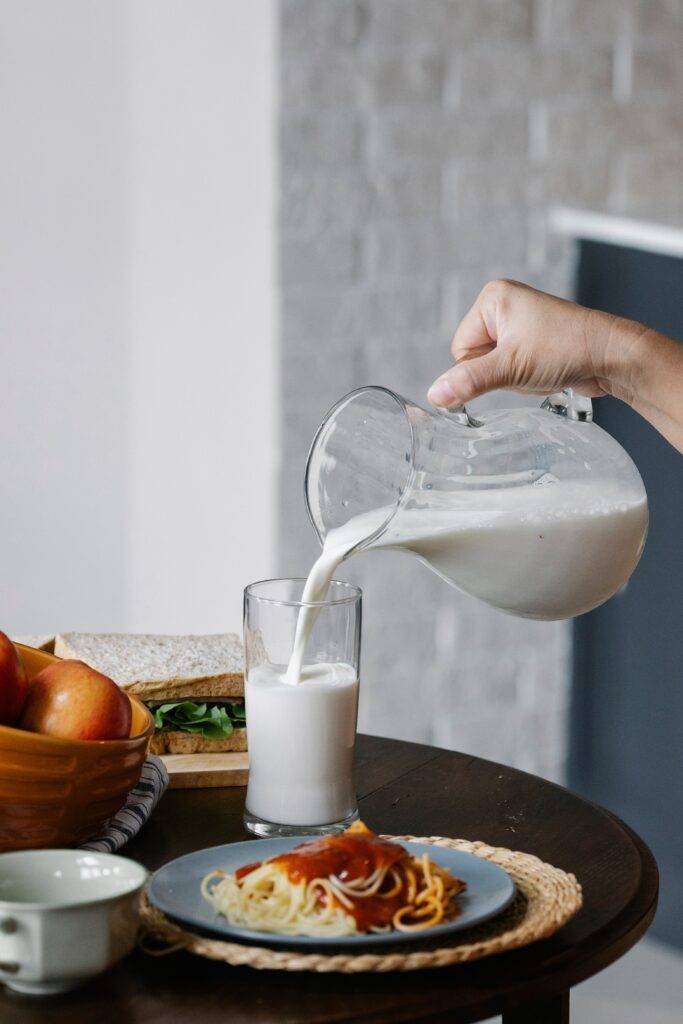
A nourishing drink can add protein and energy without increasing solid-food volume much. Have it between meals rather than immediately before a meal if drinks make you feel full.
Our nourishing drinks for weight gain guide covers milk-based drinks and smoothies in more detail.
10. Yoghurt drink or homemade smoothie
Blend milk or yoghurt with fruit and smooth nut butter for a compact snack. Keep the portion manageable and avoid turning every drink into a very large smoothie that replaces food.
If you have diabetes or another condition affecting carbohydrate intake, individual advice may be needed.
11. Mini omelette or egg muffin
Cook a small omelette with cheese or make egg muffins with cheese and finely chopped vegetables. These can be chilled and reheated, making them useful for batch preparation.
Keep them moist rather than dry if chewing is tiring.
12. Beans on a small slice of toast
A small portion of baked beans or mashed beans on toast gives protein and carbohydrate. Add grated cheese for extra protein and energy.
Beans are high in fibre and can be filling, so adjust the portion if you struggle with early fullness.
13. Edamame with a dip
Cooked edamame can provide plant protein. Pair it with a dip or another small energy source. If you prefer softer foods, mash beans into a dip instead.
14. Tofu pieces with sauce
Soft tofu can work in savoury snacks, while firmer tofu can be baked or pan-cooked and eaten with a dip. Add sesame oil, peanut sauce or another suitable dressing if additional energy is useful.
For more plant-based ideas, see our plant-based healthy weight-gain guide.
15. Milk pudding
Rice pudding, custard or another milk-based pudding can be an easy snack when sweet foods are more appealing. Full-fat milk and milk powder can increase protein and energy without greatly increasing volume.
16. Cheese on toast
One slice of toast topped with cheese can be enough for a snack. Add an egg, tuna or beans if you need more protein and appetite allows.
This is especially practical in the evening when cooking a full meal feels unrealistic.
17. Nut-and-seed mix
A small handful of nuts and seeds is compact, portable and energy-dense. Add dried fruit if you enjoy it. Because nuts are easy to overeat for some people and difficult to chew for others, use a portion and texture that works for you.
18. Protein-rich leftovers
A snack can be a few spoonfuls of leftover chicken, fish pie, dhal, chilli or pasta with cheese. If conventional snacks do not appeal, using a small amount of a meal you already like may be easier.
How often should you snack?
There is no universal schedule. Some people do well with three smaller meals plus two or three snacks. Others prefer a snack mid-morning and another in the evening. The NHS approach of smaller meals more often is useful because it reduces reliance on one large meal.
North Tees and Hartlepool NHS Foundation Trust advises people with poor appetite to try eating little and often and to use nourishing drinks between meals. Its dietary advice for gaining weight with a poor appetite also recommends avoiding large drinks before meals when these reduce appetite.
Should you count grams of protein?
Most people do not need to calculate every gram. If you have been given a protein target by a dietitian, follow that plan. Otherwise, a practical approach is to include a protein food at meals and use one or two protein-containing snacks if you need extra intake.
If you have kidney disease or another condition where protein needs may be different, do not adopt a high-protein eating pattern without professional advice.
Protein powders: useful or unnecessary?
Protein powders can be convenient for some people, but they are not automatically better than food and are not essential for most adults. Milk powder, yoghurt, eggs, cheese, beans, fish, meat, tofu, nuts and seeds can all contribute protein.
If you use a supplement, check the ingredients, serving size and suitability for your health conditions. A dietitian can help if you need a clinical nutrition product rather than a general sports supplement.
Make snacks higher in energy without doubling the size
Add mayonnaise to tuna or egg, olive oil to hummus, cheese to beans, nut butter to yoghurt, milk powder to milk-based foods, or avocado to a sandwich. These are examples of food fortification.
Our food fortification guide explains how to use this principle across meals and drinks. NHS Cornwall and Isles of Scilly also provides food-first advice for adults with a small appetite, including everyday ways to add energy and protein.
Keep snacks easy to reach
Low appetite is often combined with low energy. Keep foods where they are visible and easy to prepare: yoghurts at eye level in the fridge, cheese portions ready to use, boiled eggs prepared in advance, nut butter near the toaster, and crackers or oatcakes in a convenient cupboard.
For people recovering at home, ask family or carers to prepare small portions rather than leaving large containers that require extra work.
What if you are also eating high-calorie snacks?
There is overlap. A snack can be both high in protein and high in calories. The difference is intent: this guide helps you deliberately include protein, while our high-calorie healthy snacks for weight gain focuses more broadly on increasing energy intake.
You do not need separate snack times for each goal. Choose options that cover both where possible.
When appetite stays poor
Seek advice if you are losing weight without trying, appetite remains poor for several weeks, you feel weak or dizzy, eating is painful, or you have symptoms such as persistent nausea, vomiting, diarrhoea or swallowing difficulty. Unintentional weight loss should not simply be treated as a calorie problem without considering the cause.
A simple snack rotation
Choose five snacks you genuinely like and rotate them: for example yoghurt and nut butter, cheese and crackers, egg on toast, hummus with pitta, and a milky drink. Keep the ingredients available and adjust portion size to appetite.
The most useful snack plan is one that reduces effort, fits between meals and helps you eat consistently.
Reviewed: September 2026. General UK nutrition information for adults; individual protein and energy needs vary.