Updated 24 September 2026. High-protein meals can be useful during weight loss because protein supports muscle and can help meals feel satisfying. But a meal does not become healthy simply because the protein number is high, and protein itself does not make body fat disappear.
The most useful weight-loss meals combine an appropriate protein source with vegetables or fruit, higher-fibre carbohydrates and portions that fit your overall energy needs. That approach is more sustainable than cutting out carbohydrates, eating enormous portions of meat or replacing ordinary food with shakes and bars.
The NHS guidance on healthy eating when trying to lose weight recommends including protein foods in meals alongside vegetables and an overall balanced eating pattern.
What makes a high-protein meal useful for weight management?
A practical meal needs more than protein. A useful structure is:
- Protein: beans, lentils, eggs, fish, chicken, tofu, yoghurt or another suitable source.
- Vegetables or fruit: for fibre, volume and micronutrients.
- Higher-fibre carbohydrate: potatoes with skin, wholegrain bread, brown rice, oats or wholewheat pasta.
- Some unsaturated fat: for example olive or rapeseed oil, nuts or seeds.
The NHS Eatwell Guide provides the broader pattern: balance matters across the whole day or week rather than every plate being identical.
1. Greek-style yoghurt, oats and berries
Combine plain Greek-style yoghurt with oats and berries. Add a small amount of nuts or seeds if wanted.
The yoghurt provides protein, while oats and fruit add carbohydrate and fibre. Choose unsweetened yoghurt where possible and compare labels because protein content varies between brands.
If dairy is not suitable, use a fortified higher-protein soya alternative rather than assuming every plant yoghurt contains similar protein.
2. Eggs, spinach and wholemeal toast
Serve two eggs with spinach, tomatoes or mushrooms and wholemeal toast.
This works as breakfast, lunch or a quick evening meal. Eggs contribute protein and several micronutrients, while vegetables and wholemeal bread improve the overall balance.
If you need more protein, adding beans or a small portion of cottage cheese is usually more useful than simply adding more eggs.
3. Chicken, roasted vegetables and potatoes
Use skinless chicken breast or thigh with a large portion of roasted vegetables and boiled or roasted potatoes.
Keep added oil sensible because oils are energy-dense even when they are unsaturated. Seasoning, herbs, lemon and spices can add flavour without requiring heavy sauces.
This meal is easy to batch-cook and works well for leftovers.
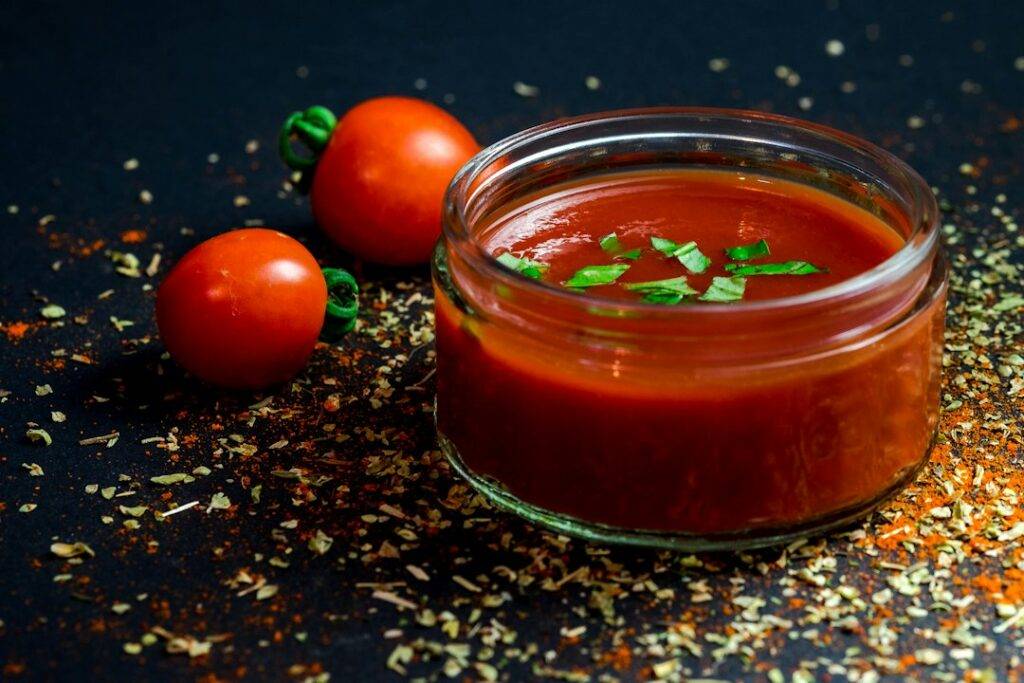
4. Lentil and tomato pasta
Make a tomato sauce with lentils, onions, vegetables and herbs, then serve with wholewheat pasta.
Lentils provide plant protein and fibre. Combining them with pasta creates a substantial meal without needing meat.
Using vegetables in the sauce increases volume and variety, which can make the meal more satisfying without making it excessively calorie-dense.
5. Salmon, brown rice and green vegetables
Serve salmon with a moderate portion of brown rice and vegetables such as broccoli, green beans or peas.
Salmon provides protein and long-chain omega-3 fats. The NHS recommends eating at least two portions of fish per week, including one portion of oily fish, although some groups need to follow specific limits.
If salmon is too expensive, tinned salmon, sardines or mackerel can be more budget-friendly options.
6. Chickpea and vegetable curry
Cook chickpeas with tomatoes, onions, spinach or other vegetables and spices. Serve with brown rice or wholegrain flatbread.
Chickpeas provide protein and fibre, but they are less protein-dense than meat or fish. If you need a higher-protein meal, combine them with lentils, tofu or plain yoghurt.
A plant-based meal does not need protein powder to be filling or nutritionally useful.
7. Tuna and sweetcorn baked potato
Top a baked potato with tuna, sweetcorn and a spoonful of plain yoghurt or light mayonnaise. Add salad or vegetables on the side.
This is a practical meal when cooking time is limited. The potato provides carbohydrate and fibre if the skin is eaten, while tuna contributes protein.
If using tinned tuna frequently, rotate with other fish and protein foods to improve variety.
8. Tofu and vegetable stir-fry
Stir-fry tofu with mixed vegetables and serve with rice or noodles. Use soy sauce sparingly if you need to watch salt.
Tofu is a useful plant protein and can absorb a wide range of flavours.
Choose firm tofu for a higher protein concentration and easier cooking. Add edamame if you want to increase protein further without relying on a supplement.
9. Bean chilli with plain yoghurt
Make chilli using kidney beans, black beans or mixed beans with tomatoes, peppers, onions and spices.
Serve with a small portion of rice, a baked potato or wholegrain bread, plus plain yoghurt if suitable.
Beans are inexpensive, high in fibre and useful for batch cooking. Frozen portions make a good emergency meal on busy days.
10. Cottage cheese or yoghurt bowl with fruit and nuts
Combine cottage cheese or a thick plain yoghurt with fruit and a small amount of nuts or seeds.
This works well as a quick breakfast, lunch component or snack when appetite is modest.
Remember that nuts are nutritious but energy-dense, so a small portion is usually enough if weight loss is your goal.
How much protein do you actually need?
Protein needs vary with body size, age, health, pregnancy, activity and training goals. The UK reference nutrient intake for adults is commonly expressed relative to body weight, but there is no need for every person to calculate an exact number unless there is a specific reason.
For ordinary weight management, focusing on a clear protein source at each main meal is often more practical than chasing a very high daily target.
People doing resistance training, older adults and people recovering from illness may have different needs. Kidney disease can also change protein recommendations, so individual advice matters.
Do high-protein meals help preserve muscle during weight loss?
When body weight falls, some lean tissue can be lost along with fat. Adequate protein and resistance training can help support muscle retention.
That does not mean more protein always produces more muscle. Training stimulus, total energy intake, sleep and overall nutrition also matter.
If preserving muscle is a priority, include strength training alongside the dietary plan where medically appropriate.
Protein foods to rotate through the week
Variety helps improve nutrient intake and makes meals less repetitive.
- Beans and lentils
- Eggs
- Fish and shellfish
- Chicken or turkey
- Lean meat
- Tofu and tempeh
- Plain yoghurt or cottage cheese
- Fortified soya foods
- Nuts and seeds
The NHS guidance on meat and nutrition recommends moderating red and processed meat and choosing leaner options where possible.
Three common mistakes with “high-protein” weight-loss meals
Making the protein portion enormous
A very large portion of meat or cheese can add a lot of calories. Protein still contributes energy.
Build the meal around balance rather than assuming the biggest protein number is best.
Assuming a “high-protein” label means healthy
Protein bars, puddings, cereals and snacks can still be high in calories, saturated fat, salt or added sugar.
Read the full nutrition label rather than choosing a product only because “20g protein” appears on the front.
Removing carbohydrates completely
Wholegrains, potatoes, oats, fruit and pulses can provide fibre and useful nutrients. Weight loss does not require eliminating them.
Portion size and overall energy intake matter more than declaring one macronutrient forbidden.
Do you need protein shakes?
No. A shake can be convenient, but it is not superior to ordinary food for most people.
A protein powder may help when someone struggles to meet protein needs through food, has a small appetite or needs a portable option after training.
For many adults, eggs, yoghurt, beans, tofu, fish or meat are sufficient.
What about high-protein diets and kidney health?
People with normal kidney function can generally include protein as part of a balanced diet, but kidney disease can change protein requirements.
If you have chronic kidney disease or have been given a protein target by a renal team, do not increase protein substantially without advice.
How to make these meals cheaper
High-protein eating does not require expensive steak or branded products.
Budget-friendly options include dried or canned lentils, beans, eggs, tinned fish, frozen white fish, plain yoghurt, tofu and supermarket own-brand foods.
Batch cooking also reduces waste. Chilli, curry, soup and lentil sauces freeze well.
If you are cooking for one
Choose ingredients that can be reused across several meals.
For example, roast a tray of vegetables, cook several potatoes and prepare one bean or chicken dish. Use them in different combinations across two or three days.
Freeze portions you will not eat promptly rather than relying on eating the same meal until it spoils.
What matters most for weight loss
High-protein meals are a tool, not the mechanism by themselves. Weight loss still requires an energy deficit over time.
Current NICE weight-management guidance recommends a flexible, nutritionally balanced dietary approach that reduces energy intake and fits personal circumstances.
Protein can make that plan easier for some people by improving meal satisfaction and supporting muscle, but it cannot compensate for consistently excessive total intake.
A practical next step
Choose three meals from this guide that you would genuinely eat. Buy the ingredients for those meals rather than trying to overhaul your entire diet at once.
Use the same meals repeatedly for two weeks, adjust portions based on hunger and progress, and add variety gradually.
Sustainable weight management is usually built from repeatable meals, not perfect recipes.
Questions readers often have about High-Protein Meals for Weight Loss
How much protein should a weight-loss meal contain?
There is no universal amount for every meal. Your needs depend on body size, age, health and activity. A clear protein source at each main meal is a practical starting point.
Is chicken better than beans for weight loss?
Neither is universally better. Chicken is more protein-dense, while beans provide protein plus fibre. Both can fit a balanced plan.
Can I eat high-protein meals without exercising?
Yes, but resistance training provides additional benefits for muscle and strength during weight loss.
Will eating more protein speed up metabolism?
Protein has a higher thermic effect than carbohydrate or fat, but the effect is modest and should not be treated as a metabolism hack.
Are high-protein meals suitable after 40?
They can be, but total protein needs vary. Older adults may benefit from paying attention to protein and strength training, particularly when muscle preservation is a goal.
Making high-protein meals work in real life
High-protein meals can support weight loss when they make a balanced calorie deficit easier to maintain.
Build meals around ordinary protein foods, vegetables, higher-fibre carbohydrates and sensible portions. Rotate sources, keep convenience in mind and avoid turning protein into another extreme rule.
Protein-and-weight scope: This page offers general nutrition information for UK adults. People with kidney disease, eating disorders, pregnancy or other medical conditions should seek individual advice.
Explore the wider topic: See our Everyday Nutrition guide for balanced meals, protein, plant-based eating, shopping and meal-planning resources.