Leftovers can save money and reduce food waste, but only if they are cooled, stored and reheated safely. The key is not just “does it smell fine?” but how long the food has been stored, how cold it has been kept and whether it is reheated thoroughly.
The Food Standards Agency advises that leftovers should be cooled and refrigerated promptly, and that reheated food should be steaming hot throughout. It also advises reheating leftovers only once.
This guide explains a practical UK approach to cooling, storing, freezing and reheating leftovers without turning every meal into a food-safety puzzle.
Cool leftovers promptly
Do not leave cooked food sitting at room temperature for hours. Divide large amounts into smaller containers so they cool more quickly, then refrigerate or freeze them once cooled appropriately.
A deep pot of hot food can stay warm in the centre for a long time. Smaller portions make cooling easier.
Use the fridge, not the worktop
Once leftovers have cooled enough to store, get them into the fridge. The FSA recommends keeping fridges at 5°C or below.
Leaving cooked food out overnight is not a safe way to “save fridge space”.
Label leftovers with the date
If you cannot remember whether the curry was cooked Tuesday or Thursday, food-safety decisions become guesswork. Write the date on the container.
If several people use the fridge, add the food name as well.
Decide: fridge or freezer?
If you know you will eat the leftovers soon, refrigerate them. If you are not sure, freezing early is often a better low-waste choice.
Do not wait until food has sat in the fridge for several days before deciding to freeze it.
How long should leftovers stay in the fridge?
Follow current FSA guidance and any specific instructions that came with the original food. High-risk ready-to-eat foods generally should not be kept indefinitely.
If you are unsure about a particular food, use the shortest safe storage guidance rather than stretching the limit.
Reheat leftovers only once
The Food Standards Agency advises reheating leftovers only once. Repeated cycles of warming and cooling give bacteria more opportunities to grow.
Take out only the portion you intend to eat, rather than reheating the whole container every time.
Reheat until steaming hot throughout
Food should be hot all the way through, not just warm at the edges. Stir or turn food during microwave reheating to reduce cold spots.
Let microwave-heated food stand if the instructions recommend it, because heat continues to distribute during standing time.
Microwave reheating needs stirring
Microwaves can heat unevenly. Stir soups, rice dishes, pasta and casseroles partway through where practical.
If the meal is very dense, consider dividing it into smaller portions before reheating.
Do not use smell as the only safety test
Some unsafe food can look and smell normal. Storage time, temperature and handling matter.
Smell is useful for obvious spoilage, but it cannot prove that old leftovers are safe.
What about rice?
Rice needs particular care because bacterial spores can survive cooking. Cool cooked rice quickly, refrigerate promptly and follow current FSA advice on storage and reheating.
Do not leave cooked rice sitting warm for long periods.
What about cooked meat?
Cool cooked meat promptly, refrigerate it and reheat only the amount you plan to eat. Make sure reheated meat dishes are steaming hot throughout.
What about takeaway leftovers?
Treat takeaway leftovers as cooked food. Refrigerate promptly rather than leaving containers on the counter all evening.
Reheat only once and follow any provider instructions where supplied.
What about ready meals?
If you have heated a ready meal and only eaten part of it, check the pack instructions before saving the remainder. Some products are designed for single heating only.
Do not assume every ready meal can be cooled and reheated later.
Freezing leftovers
Freeze food in portions you will actually use. Label the container with the dish and freezing date.
Flat freezer bags can save space for soups, sauces and stews if they are suitable for freezing.
Defrost safely
Follow food-package or FSA guidance on defrosting. For many foods, fridge defrosting gives better temperature control than leaving food at room temperature.
Once defrosted, do not repeatedly refreeze food unless it has been safely cooked in between and current guidance allows it.
Use leftovers to create planned meals
Leftovers are easier to manage when they already have a destination. Tonight’s roast vegetables can become tomorrow’s lunch; cooked chicken can become a wrap; lentil sauce can be frozen for another dinner.
BetterCare’s meal prep for one person guide explains how to plan these handoffs deliberately.
Leftovers for packed lunch
If you take leftovers to work, keep them chilled during transport when required and refrigerate them on arrival. Reheat thoroughly if the meal is intended to be eaten hot.
BetterCare’s healthy packed lunch guide includes practical transport ideas.
Do not mix new food into old leftovers
Adding a fresh batch of food to an older container can make it difficult to know the age of the whole mixture. Keep new and old portions separate.
Use shallow containers for large dishes
Large casseroles, soups and curries cool more efficiently when divided into several shallow containers rather than left in one deep pot.
Keep raw and cooked food separate
Store leftovers above raw meat and poultry so raw juices cannot drip onto ready-to-eat food.
A simple leftover routine
After cooking: portion what will not be eaten.
After the meal: cool promptly and refrigerate or freeze.
Next day: decide exactly which meal will use the refrigerated portion.
If plans change: freeze earlier rather than later where appropriate.
What if the food is near its use-by date before cooking?
Cook it before the use-by date passes and then handle the cooked food safely. Do not use cooking to make food safe after the original use-by date has already passed.
BetterCare’s use-by vs best-before guide explains this distinction.
How to avoid repeated reheating
Store leftovers in single-meal portions. Then you can reheat only one container rather than warming a family-sized batch several times.
What if a leftover has no label and you cannot remember the date?
If you genuinely do not know how long it has been stored, caution is the safer choice. A labelled container is cheaper than food poisoning.
Signs you should discard food
Discard food with obvious mould, leaking or swollen packaging, unusual spoilage, or food that has been stored beyond safe guidance.
Do not taste questionable food to “check”.
Leftovers and low-waste meal planning
Low-waste cooking is not about keeping everything for as long as possible. It is about using food safely before it becomes waste.
BetterCare’s food-storage guide explains how an “eat first” area and freezer labelling can help.
The main rule: cool, chill, reheat once
A practical routine is simple: cool leftovers promptly, keep them cold, label them, reheat only once and make sure reheated food is steaming hot throughout.
That approach reduces waste without treating safety dates and storage guidance as optional.
Why portioning leftovers matters
Portioning is not only convenient. It reduces the temptation to reheat the same large container repeatedly. Divide a family-sized dish into single-meal portions before refrigerating or freezing it.
Leftovers from buffet-style meals
Food that has been sitting out for a long time needs more caution than food served directly from the cooker and cooled promptly. Do not automatically save every item from a buffet table just because there is food left.
How to manage leftovers when plans change
If tomorrow’s lunch gets cancelled, do not simply leave the food in the fridge and hope to remember it later. Check whether it can be frozen safely and do that early. A planned decision is safer than an uncertain container at the back of the fridge.
What about sauces and gravy?
Cool and store them promptly just like other cooked foods. Reheat thoroughly and only once. Small sauce containers can heat unevenly, so stir carefully.
Leftover vegetables
Cooked vegetables can be reused in omelettes, soups, grain bowls or pasta dishes if they have been cooled and stored safely. Reuse should happen within safe storage guidance rather than simply because the vegetables look acceptable.
Leftovers and vulnerable people
Older adults, pregnant people, very young children and people with weakened immune systems may face greater consequences from foodborne illness. When cooking for someone more vulnerable, follow storage and reheating guidance particularly carefully and avoid stretching limits.
A simple label that works
Write three things when helpful: the food name, the date cooked and whether it has already been reheated. This removes most of the guesswork when several portions are in the fridge or freezer.
What to do when the fridge is very full
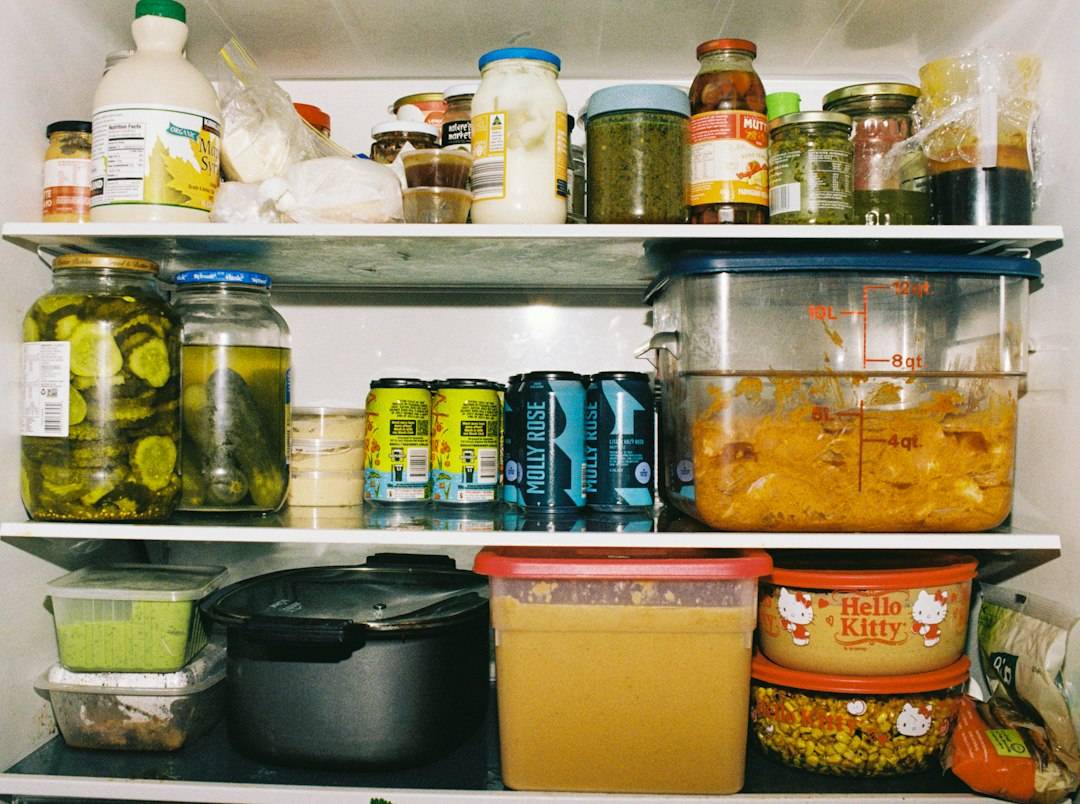
A packed fridge can make it harder for cold air to circulate and easier to lose track of cooked food. Move long-life drinks and shelf-stable items elsewhere where appropriate, keep leftovers visible, and avoid stacking warm containers tightly together while they are cooling.
How to plan a leftover night safely
Choose the oldest safely stored portions first, heat each one thoroughly and avoid mixing foods with uncertain dates. If a container has no date and nobody can remember when it was cooked, do not rely on optimism.
Reviewed: September 2026. General UK household food-safety information based on current Food Standards Agency guidance.