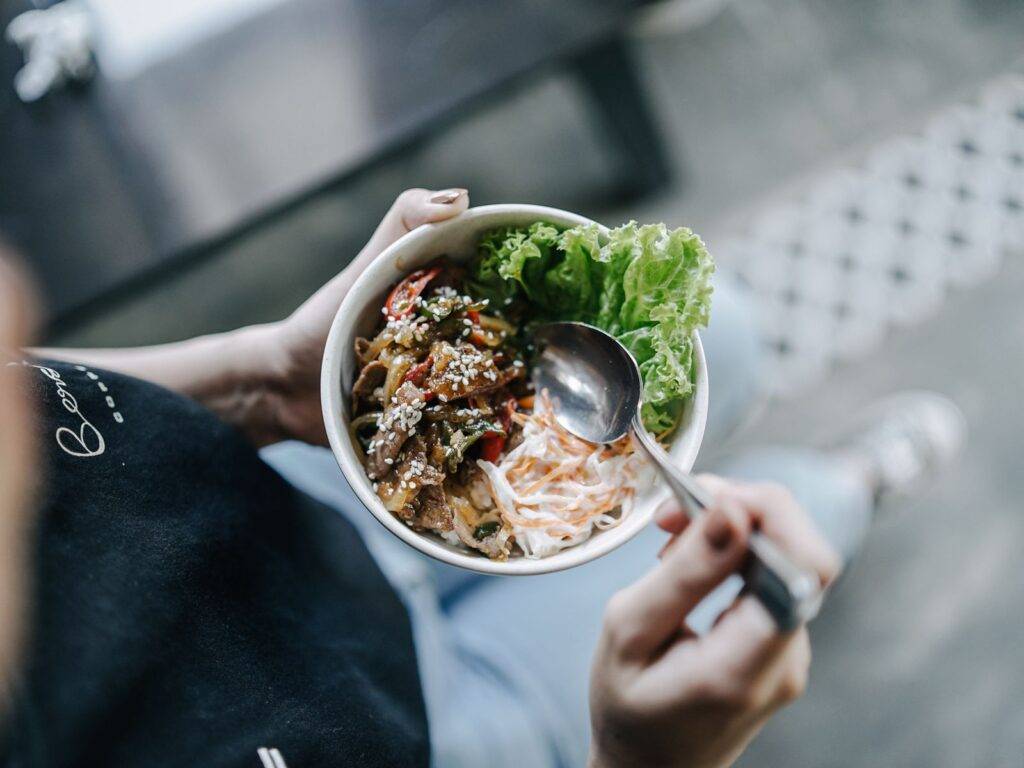
Meal prep for one person should make the week easier, not fill the fridge with five identical lunches you are tired of by Wednesday. The most useful system for one person is usually smaller, more flexible and built around the meals you actually need.
The British Dietetic Association recommends batch cooking and freezing portions as a practical way to save time and money when cooking for one. The Food Standards Agency also advises keeping the fridge between 0°C and 5°C, eating refrigerated leftovers within two days or freezing them, and chilling cooked food promptly. Those simple rules matter more than having matching containers or an elaborate Sunday routine.
This guide is about realistic meal prep for one person in the UK: how many portions to make, how to plan around one-person shopping, how to avoid waste, what to prepare in advance, what is better left fresh, and how to keep food safe.
Start with your actual week
Before cooking anything, look at the next five to seven days. Mark the meals you expect to eat at home, the lunches you need to take to work, and any evenings when you will be out.
If you only need four home-cooked dinners, do not prepare seven. Over-preparing is one of the main ways solo meal prep creates waste.
If you already use BetterCare’s meal planning for one person guide, use that plan as the starting point.
Meal prep is not the same as cooking every meal in advance
For one person, it is often better to prepare components rather than five complete boxes.
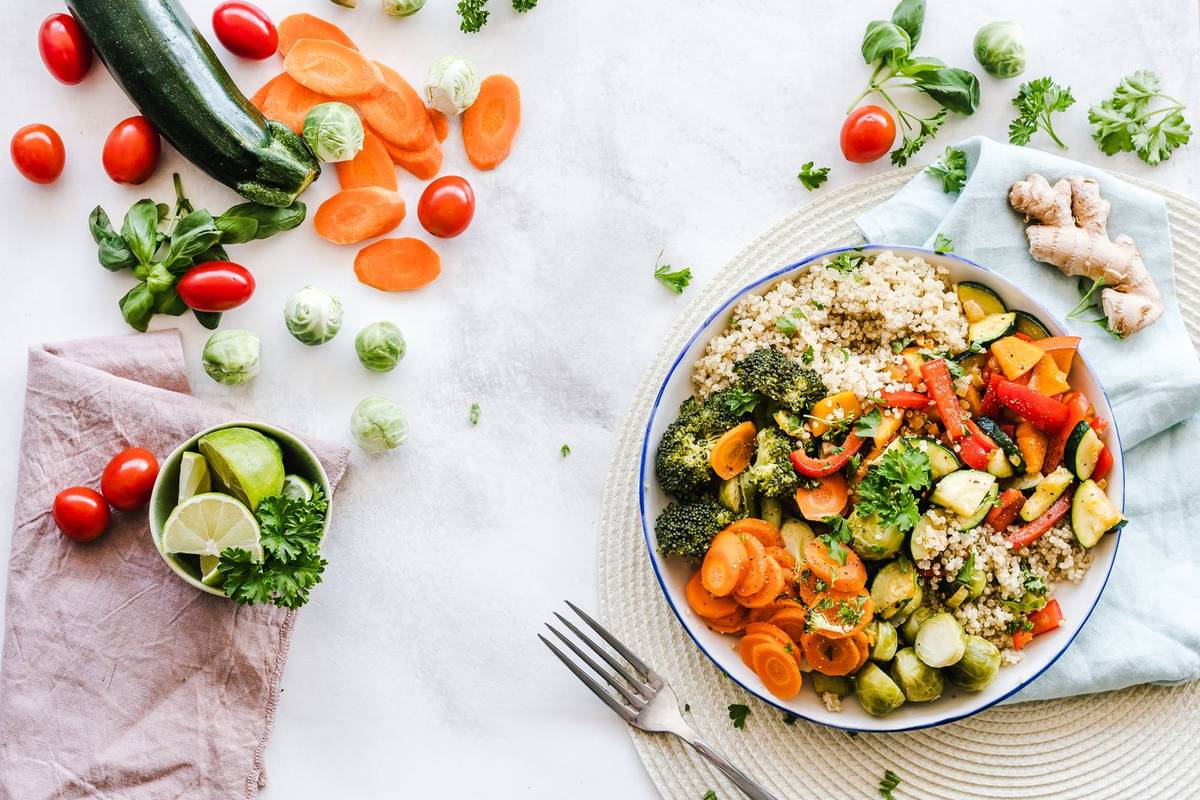
You might cook rice, roast vegetables, boil eggs, prepare a lentil sauce and wash salad leaves. Those components can become several different meals without creating repetition.
Choose three useful components
A practical starting point is:
- one flexible main, such as chilli, curry, lentil stew or pasta sauce;
- one starch, such as rice, potatoes, pasta or another grain;
- one vegetable component, such as roasted vegetables or a prepared salad base.
This gives you enough structure to save time without locking the whole week into one recipe.
How many portions should one person prepare?
Three or four portions of one main dish is often enough. Eat one now, refrigerate one for the next day, and freeze one or two.
Making six or eight portions can work if you genuinely enjoy the dish and have freezer space, but it should not be the default.
Freeze early rather than late
The freezer works best when it is part of the plan, not a rescue destination for food that has already spent several days in the fridge.
The Food Standards Agency advises eating refrigerated leftovers within two days or freezing them if that will not be possible. See the FSA’s chilling and freezing guidance.
Label containers with the meal and date before they go into the freezer.
Use ingredients that can do more than one job
Solo cooking is easier when the same ingredients appear in different meals.
Spinach can go into eggs, pasta and curry. Carrots can be roasted, grated into lunch or added to soup. Yoghurt can work at breakfast, in a dressing and with curry.
Our grocery shopping for one guide uses the same principle.
A realistic 90-minute prep session
You do not need to spend an entire Sunday cooking.
- Start the longest-cooking item first.
- Cook one flexible main dish.
- Prepare one starch or grain.
- Wash or chop one fresh component.
- Portion what will be eaten within two days.
- Freeze the rest once cooled safely.
Good foods for meal prep
Soups, stews, curries, chilli, tomato-based sauces, cooked pulses and grain-based dishes usually work well.
Foods that depend on crispness are better finished fresh. Freeze the saucy base and add fresh salad, toast, herbs or crunchy vegetables later.
Breakfast prep can be very simple
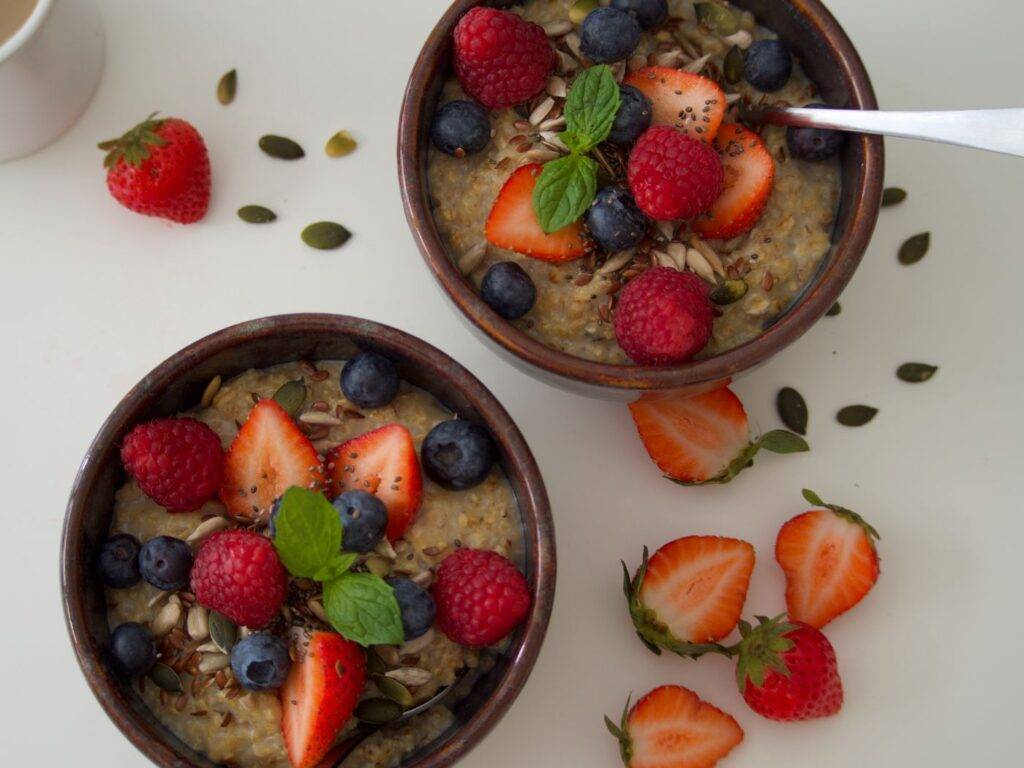
You can prepare overnight oats, portion yoghurt and fruit, boil eggs, or pre-measure porridge toppings.
The goal is not to make breakfast complicated. It is to remove one decision from a busy morning.
Lunch prep for work
Useful work lunches include leftovers, wraps, grain bowls, soup and sandwiches made from prepped fillings.
BetterCare’s healthy packed lunch guide has more portable ideas.
If chilled food cannot be refrigerated reliably, use an insulated lunch bag and suitable ice packs.
Dinner prep without eating the same thing every night
Make one base and change the way you serve it.
A lentil tomato sauce can be served with pasta, spooned over a baked potato, used in a wrap, or frozen for another week.
Cooked chicken can go into rice bowls, sandwiches and a quick pasta dish.
Plan one low-effort backup meal
Every week needs at least one meal that requires very little effort.
That might be beans on toast with cheese, eggs and toast, a frozen homemade meal, soup with bread, or microwave rice with tuna and vegetables.
This reduces the chance of abandoning the whole plan when you are tired.
Use smaller containers
Single portions are easier to store, freeze and defrost than one large container.
Choose containers that seal properly and fit your normal portion size. You do not need a specialist “meal prep” brand.
Cool food safely
Cooked food should not sit at room temperature for hours while you wait for it to cool completely.
The FSA advises chilling cooked food promptly and keeping refrigerated food at 0°C to 5°C.
Divide large dishes into smaller containers so they cool more quickly.
Reheat food thoroughly
If you reheat leftovers, make sure they are steaming hot throughout. Follow any product-specific reheating instructions.
Avoid repeatedly reheating and cooling the same food.
Use dates, not memory
A container labelled “chilli — Tuesday” is much easier to manage than an unlabelled box at the back of the fridge.
Dating freezer meals also helps you rotate older portions first.
Do not prep produce that deteriorates too quickly
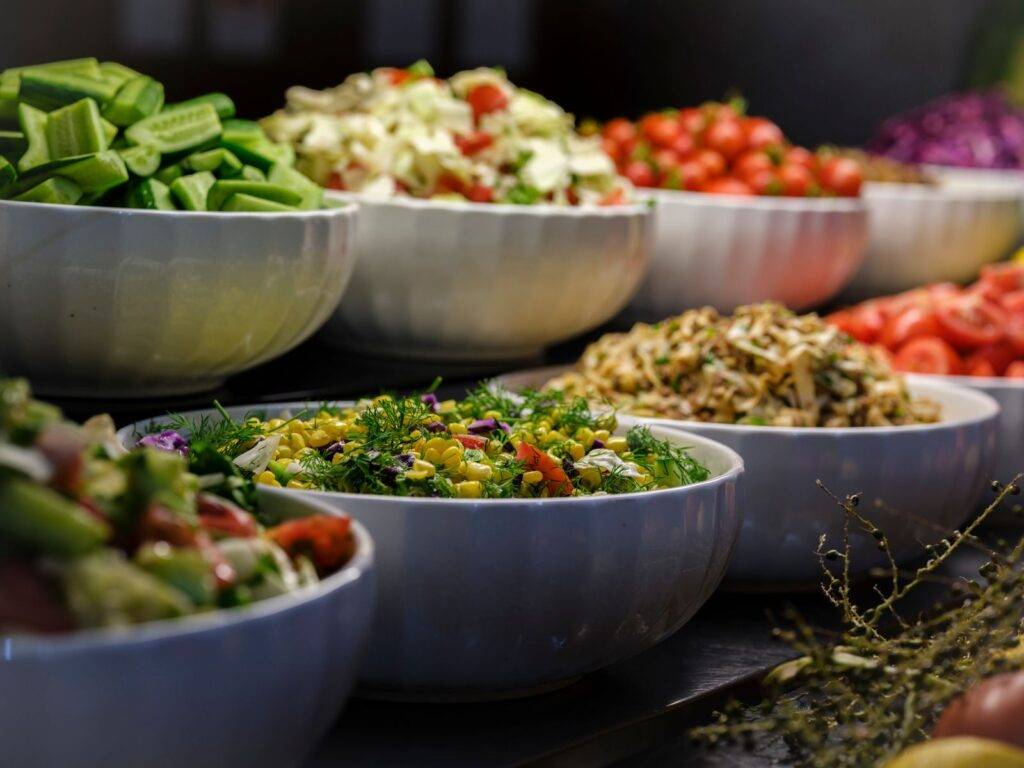
Some vegetables are better chopped close to the time you will eat them. Salad leaves and cut cucumber may lose quality faster than roasted vegetables or prepared carrots.
Prep only what saves time without making the food less appealing.
Meal prep should reduce waste
Cooking more is not automatically more efficient.
If you make four portions and freeze two, you are more likely to use them than if you make ten portions of something you stop enjoying.
Shop after you plan
Write the meal plan first, then the shopping list.
Buying ingredients because they are on offer can create waste if you have no plan for them.
Use the freezer as a rotation system
Try to keep two or three different homemade meals rather than six portions of the same dish.
This gives you variety and makes the freezer genuinely useful on busy days.
Prepare ingredients at different levels
Not everything has to be fully cooked. Sometimes the most useful prep is washing fruit, portioning snacks, chopping onions, marinating a protein, or cooking a grain that can be combined later.
This “partial prep” approach is particularly useful if you dislike reheated meals. You still save time, but the final meal can be cooked fresh.
Keep sauces separate when texture matters
Dressings, yoghurt sauces and crunchy toppings are often better stored separately. Add them when you serve the meal.
This prevents salads, wraps and grain bowls from becoming soggy before you eat them.
Build one flexible sauce into the week
A simple tomato sauce, pesto, yoghurt dressing or tahini-style sauce can make the same base ingredients taste different.
For example, roasted vegetables and chickpeas can become a grain bowl with one sauce and a wrap filling with another.
Leave one or two meals unplanned
A rigid seven-day plan can fail when work changes, someone invites you out or you simply do not want the meal you planned.
Leaving one or two flexible slots helps prevent waste because you can use leftovers, choose something fresh or move a freezer meal to another day.
A sample one-person prep plan
Sunday: cook lentil chilli, rice and roasted vegetables.
Monday: chilli with rice.
Tuesday: leftovers for lunch, fresh omelette for dinner.
Wednesday: chilli in a baked potato.
Thursday: frozen meal from a previous week.
Friday: simple fresh meal or something bought deliberately.
Do not prepare every snack
Keep easy foods available instead: fruit, yoghurt, oatcakes, hummus, nuts or cheese.
Our healthy snacks for adults guide gives more options.
Meal prep for one on a budget
Use affordable staples that work in several meals: eggs, oats, beans, lentils, frozen vegetables, rice, potatoes, tinned tomatoes and yoghurt.
Buying a larger pack only saves money when you actually use it.
Meal prep if you have a small appetite
Do not build huge meal boxes if you are trying to gain weight and struggle with food volume.
Prepare smaller portions and add energy with cheese, olive oil, yoghurt, nut butter or sauces.
Meal prep if you follow a plant-based diet
Beans, lentils, tofu, chickpeas, grains and cooked vegetables are all meal-prep friendly.
Keep sauces and toppings varied so the meals do not feel repetitive.
What to keep in a one-person freezer
A useful freezer is not full; it is organised. Keep a small selection of single portions, frozen vegetables, bread, and one or two quick protein options.
That gives you enough choice without losing track of what is there.
Common mistakes
- Preparing too many portions.
- Keeping leftovers too long.
- Freezing one enormous container.
- Planning every meal with no flexibility.
- Buying ingredients only because they are discounted.
- Making meals that are healthy on paper but not enjoyable.
- Ignoring how much fridge and freezer space you actually have.
A useful system should make future meals easier
Meal prep for one person is not about perfect containers or eating the same meal all week. It is about removing friction.
Plan the meals you actually need, prepare a few flexible components, refrigerate or freeze them safely, and leave room for fresh meals and changes of plan.
For more one-person meal planning, shopping and healthy eating support, return to BetterCare’s Everyday Nutrition pillar.
Reviewed: September 2026. General UK food-preparation information; always follow product-specific storage instructions and use-by dates.
Build flexibility into the week
A one-person meal-prep plan works best when it leaves room for appetite, plans and energy levels to change. Instead of assigning every container to a fixed day, prepare a few flexible building blocks: one cooked protein, one grain or potato option, two vegetables, and one sauce or topping. That lets the same ingredients become a rice bowl, wrap, pasta meal or quick plate without feeling like leftovers every night.
Keep one or two emergency meals in the freezer for days when the plan falls apart. A portion of chilli, soup, curry or pasta sauce can stop a tiring evening from turning into an expensive takeaway or a skipped meal. Label frozen portions with the name and date so older food is used first.
Review what actually worked
At the end of the week, do a two-minute review. Which portions were too large? What spoiled before you used it? Which prepared component made meals noticeably easier? Buy less of what was wasted and repeat what worked. Meal prep for one becomes sustainable when it is adjusted to your real routine rather than copied from a plan designed for a family of four.