Healthy weight gain does not require specialist powders, expensive snack bars or a completely separate grocery shop. Many ordinary budget foods can provide useful energy and protein when portions and combinations are planned well.
If you are losing weight without trying, have a persistent poor appetite or have a medical condition affecting food intake, speak to an appropriate healthcare professional. Food-budget strategies should not replace investigation of unexplained weight loss.
Start with inexpensive energy staples
Foods such as oats, potatoes, rice, pasta, bread and other grains are usually cheaper sources of energy than specialist products. Pair them with protein and a source of fat to make meals more substantial.
Use affordable protein foods
Depending on local prices and your diet, lower-cost protein options can include:
- eggs;
- beans and lentils;
- tinned fish;
- milk and yogurt;
- peanut butter;
- tofu;
- chickpeas and hummus;
- frozen or value-range meat and fish where suitable.
Increase calories without doubling portion size
If appetite is small, adding a little more energy to food may be easier than serving much bigger plates. North Tees and Hartlepool NHS Foundation Trust advises people with poor appetite to eat little and often and use nourishing drinks and energy-dense foods as part of healthy weight gain. See its healthy weight-gain guidance.
Examples include adding grated cheese to potatoes or pasta, peanut butter to porridge, olive or rapeseed oil to cooked meals, or full-fat yogurt alongside fruit where suitable.
Budget breakfast ideas
- porridge made with milk, topped with peanut butter and banana;
- eggs on toast;
- beans and cheese on toast;
- yogurt with oats, fruit and seeds;
- peanut-butter toast with a glass of milk or fortified alternative.
Budget lunch ideas
- jacket potato with beans and cheese;
- egg-mayonnaise or tuna sandwich with yogurt;
- lentil soup with bread and spread;
- hummus and salad wrap with cheese or another protein source;
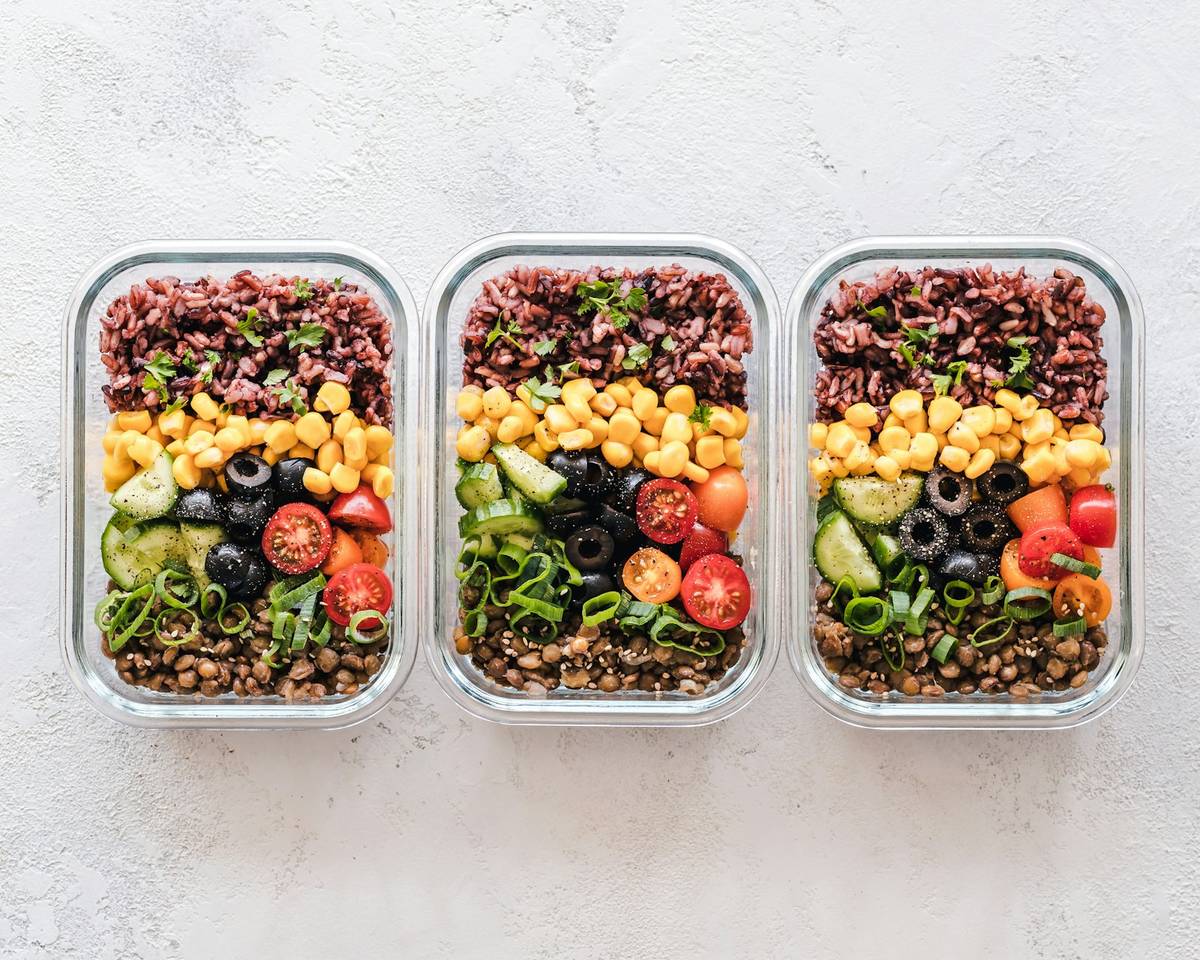
- leftover rice or pasta with beans, vegetables and oil-based dressing.
Budget dinner ideas
- lentil or bean chilli with rice;
- pasta with tomato sauce, cheese and lentils;
- potato-topped bean or meat pie;
- egg fried rice with frozen vegetables;
- chickpea curry with rice and yogurt;
- tinned fish with potatoes and vegetables.
Use snacks to spread intake across the day
If full meals are difficult, two or three planned snacks may be easier. Our high-calorie healthy snack guide includes options such as yogurt with oats, cheese and crackers, nut butter on toast and smoothies between meals.
Buy foods that work in several meals
Budget shopping is easier when ingredients overlap. Oats, eggs, bread, milk, beans, frozen vegetables, rice, peanut butter and cheese can each be used in several meals or snacks. Our grocery-shopping guide for one person covers reducing waste and choosing versatile staples.
Compare unit prices rather than package prices
A larger pack is not always cheaper if it spoils before you can use it. Compare the price per kilogram, litre or 100 grams where shops display it, and use frozen or tinned foods when that reduces waste.
Do not make supplements the default solution
Commercial nutrition drinks can have a place in some care plans, but they are not automatically necessary for everyone trying to gain weight. If your intake is very poor or you think you may need oral nutritional supplements, ask a healthcare professional or dietitian for advice rather than assuming an over-the-counter product is the best choice.
Use the right BetterCare guide for your situation
If appetite is the main barrier, start with How to Gain Weight With a Small Appetite. For the overall framework, use our Healthy Weight Gain pillar. If your goal is general healthy eating rather than weight gain, our Everyday Nutrition pillar is the better starting point.
Reviewed: September 2026. General nutrition information only.