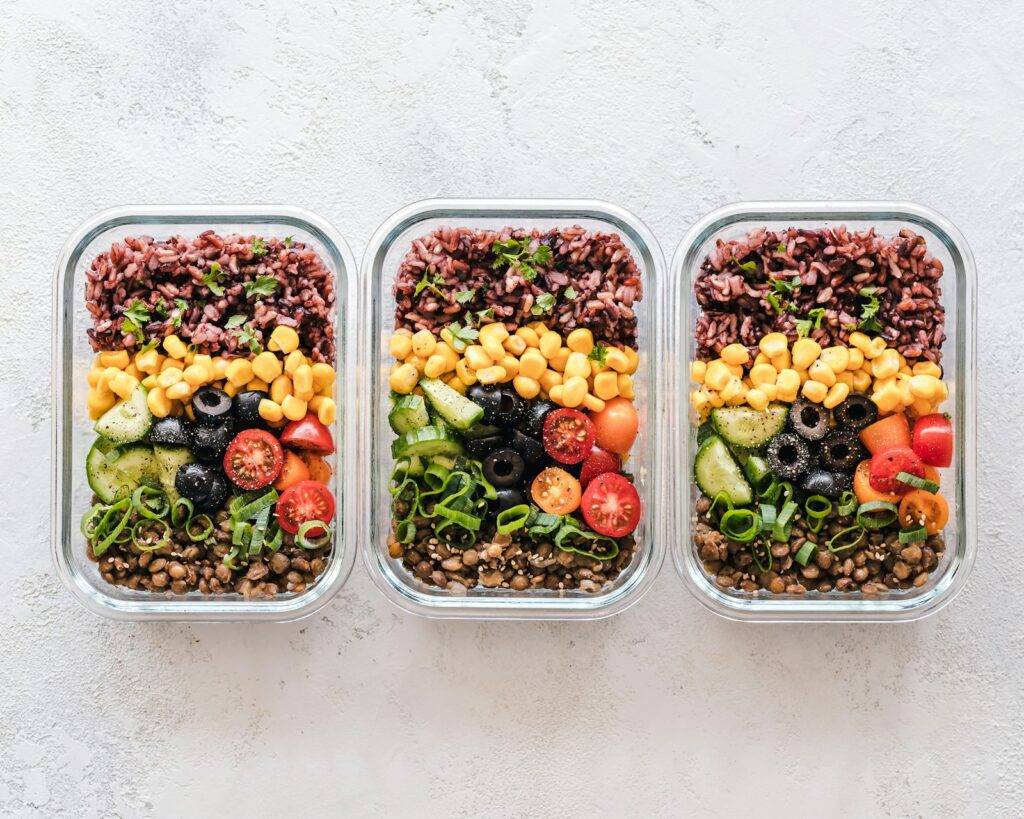
Recovering from illness or a hospital stay can change appetite, taste, energy levels and strength. Some people lose weight because they have eaten less while unwell, needed more energy for recovery, or found normal meals difficult to manage.
Nutrition can support recovery, but unexplained or continuing weight loss needs proper assessment. If you are struggling to eat, losing weight without trying, having difficulty swallowing or have a condition that affects nutrition, speak to your GP, dietitian or healthcare team.
Why nutrition can matter more during recovery
When you are unwell or recovering, your body may need enough energy and protein to help maintain or rebuild strength. St George’s University Hospitals NHS Foundation Trust notes that people recovering from illness may need more energy and protein even when less active, and that poor appetite or taste changes can make this harder.
Start with small, regular meals
A large plate can feel unmanageable after illness. Smaller meals and snacks spread across the day may be easier. If three normal meals feel too much, try eating something every few hours.
This approach is also used in NHS nutrition-support advice for people with poor appetite or unintentional weight loss.
Include protein at meals and snacks
Protein supports body tissues and muscle. Practical sources include:
- eggs;
- milk, yogurt and cheese;
- fish;
- chicken or other suitable meats;
- beans and lentils;
- tofu and tempeh;
- nuts and nut butters.
East Lancashire Hospitals NHS Trust advises including a protein source at each meal during nutrition recovery and notes that protein can be particularly important for rebuilding strength after severe illness.
See its nutrition support guidance.
Make food more energy-dense when appetite is low
If eating more volume is difficult, you can sometimes add energy to food you already tolerate. Depending on your diet, examples include cheese, nut butter, full-fat yogurt, oil, avocado, cream or fortified milk.
Our small-appetite weight-gain guide explains this approach in more detail.
Use nourishing drinks when solid food is difficult
Milk-based drinks, fortified alternatives, soups or smoothies can be useful between meals for some people. Try not to fill up on large drinks immediately before eating if that makes your appetite worse.
Specialist oral nutritional supplements are different from ordinary food and drinks. They can be appropriate in some recovery plans, but they should be used with healthcare guidance when prescribed or recommended.
Expect recovery to be gradual
After a significant illness, body weight and strength may not return quickly. The goal is usually steady recovery, not rapid weight gain. Focus on regular eating, enough protein, hydration and gradually returning to appropriate activity.
Strength and movement may help when medically appropriate
Once you are safe to do so, movement and resistance activity can help rebuild function and muscle. The right pace depends on the illness, operation or reason for admission, so follow rehabilitation or clinical advice where it has been provided.
Watch for reasons to ask for professional help
Speak to an appropriate healthcare professional if:
- weight continues to fall;
- you are unable to eat enough for several days;
- you have persistent nausea, vomiting or diarrhoea;
- you are having difficulty chewing or swallowing;
- you feel weak, dizzy or dehydrated;
- food intake is limited by pain, breathlessness or another symptom;
- you are unsure whether your medical condition requires a special diet.
Plan easy meals for the first days at home
Choose foods that are simple to prepare and familiar. Useful examples may include porridge, eggs on toast, yogurt with oats, soup with bread and cheese, beans on toast, rice with eggs or tofu, pasta with a protein-rich sauce, or a jacket potato with beans, tuna or cheese.
If shopping and cooking are difficult after discharge, a family member or carer can help prepare a short list of easy foods rather than an ambitious meal plan.
For family carers
If you are supporting someone home from hospital, use our hospital discharge checklist for carers and Family Carers & Home Recovery pillar alongside the person’s discharge instructions.
For weight-gain planning
Our Healthy Weight Gain pillar, healthy high-calorie snack guide and budget weight-gain guide provide more practical food ideas.
Reviewed: September 2026. General nutrition information only. Follow any specific diet, rehabilitation or discharge advice given by your healthcare team.