A weight-gain meal plan should make eating easier, not turn every meal into a calculation. For most adults trying to gain weight gradually, the useful pattern is simple: eat regularly, include energy-dense foods, add protein across the day, and make portions realistic for your appetite.
The NHS advises adults who need to gain weight to do so gradually and suggests that some people may add around 300 to 500 calories a day, alongside smaller meals, snacks, calorie-containing drinks between meals and regular sources of protein. Its healthy weight-gain guidance also cautions against relying mainly on chocolate, cakes and sugary drinks.
The seven-day plan below is an example rather than a prescription. Energy needs differ by body size, activity, health conditions and recovery needs. If you have lost weight suddenly or without trying, or eating is difficult because of swallowing, digestive symptoms, pain or another health problem, speak to an appropriate healthcare professional rather than relying only on a meal plan.
How to use this seven-day plan
You do not need to eat every item exactly as written. Treat the plan as a structure: three meals, two or three useful snacks, and optional nourishing drinks when appetite is limited. Choose portions you can manage and increase them gradually.
If large meals are difficult, our small-appetite weight-gain guide shows how to reduce meal volume while still increasing energy intake.
Day 1
Breakfast
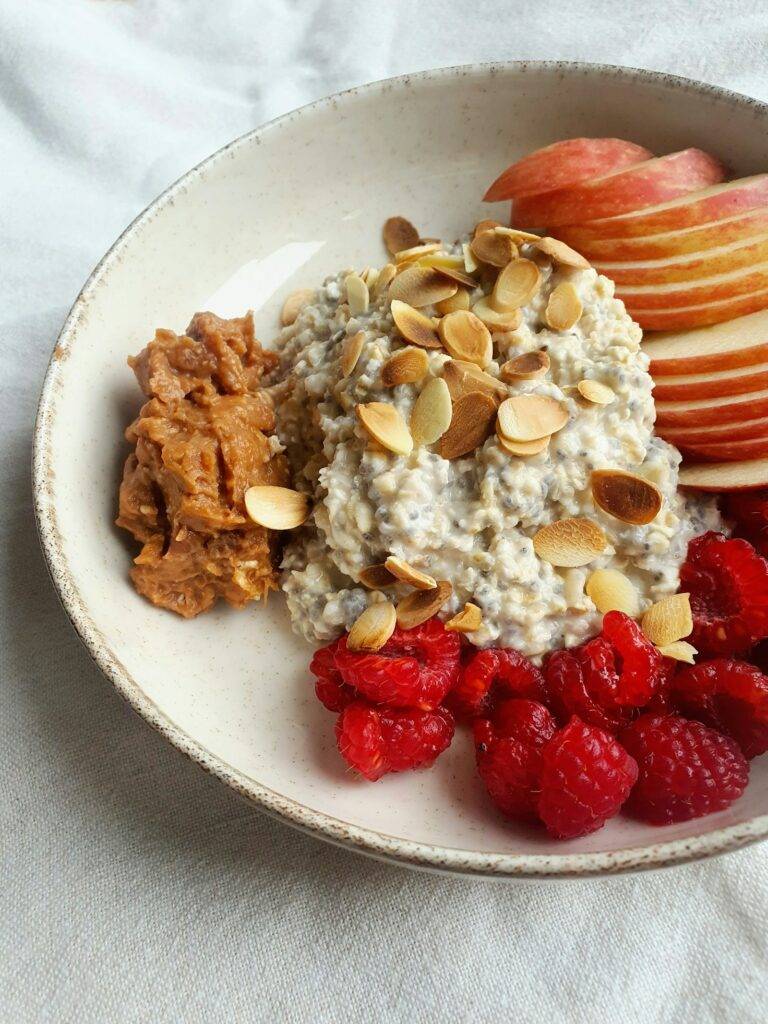
Porridge made with milk or a fortified alternative, topped with banana, nut butter and a spoonful of seeds. Add yogurt on the side if you can manage it.
Mid-morning
Full-fat yogurt with granola, or a dairy-free high-protein alternative with oats and fruit.
Lunch
Jacket potato with beans and grated cheese, plus a small side salad or cooked vegetables. Add olive oil or a dressing if you need more energy without much extra volume.
Afternoon snack
Toast with peanut butter and sliced banana.
Dinner
Chicken, tofu or beans with rice and vegetables, finished with olive oil, avocado or a yogurt-based sauce.
Evening option
Milky drink, rice pudding or yogurt.
Day 2
Breakfast
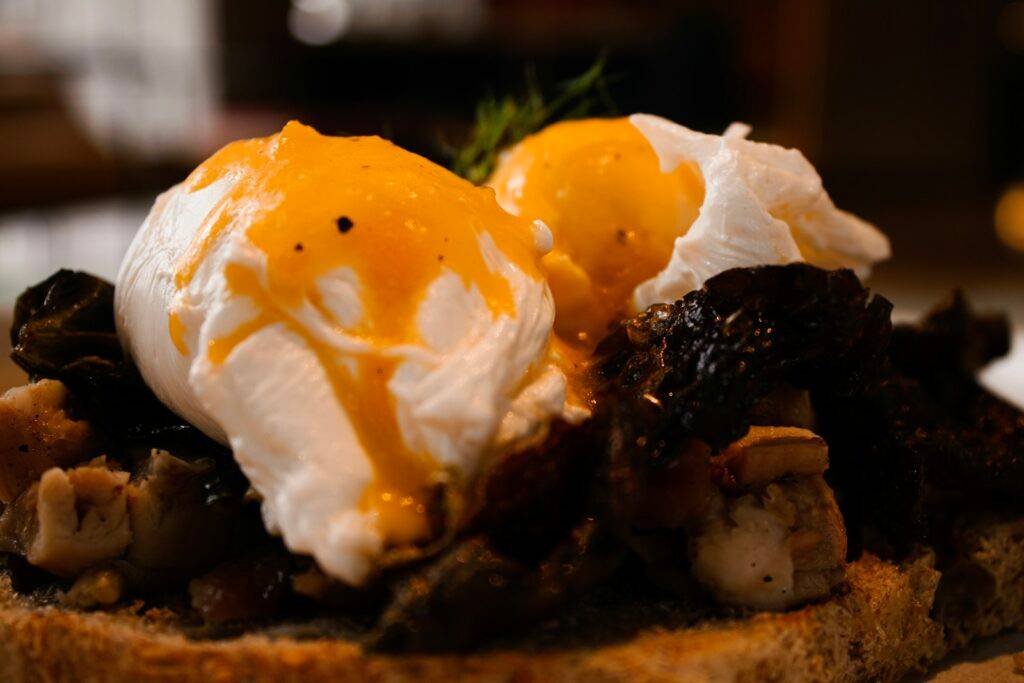
Two eggs on buttered wholegrain toast with avocado. Add fruit or a glass of milk if wanted.
Mid-morning
A small handful of nuts with dried fruit.
Lunch
Tuna and sweetcorn pasta with mayonnaise or olive oil, or use mashed chickpeas for a plant-based version. Include a piece of fruit.
Afternoon snack
Cheese and crackers, or hummus with pitta.
Dinner
Shepherd’s pie made with beef, lentils or a mixture of both, served with peas or another vegetable.
Evening option
Toast with nut butter or a small bowl of cereal with milk.
Day 3
Breakfast
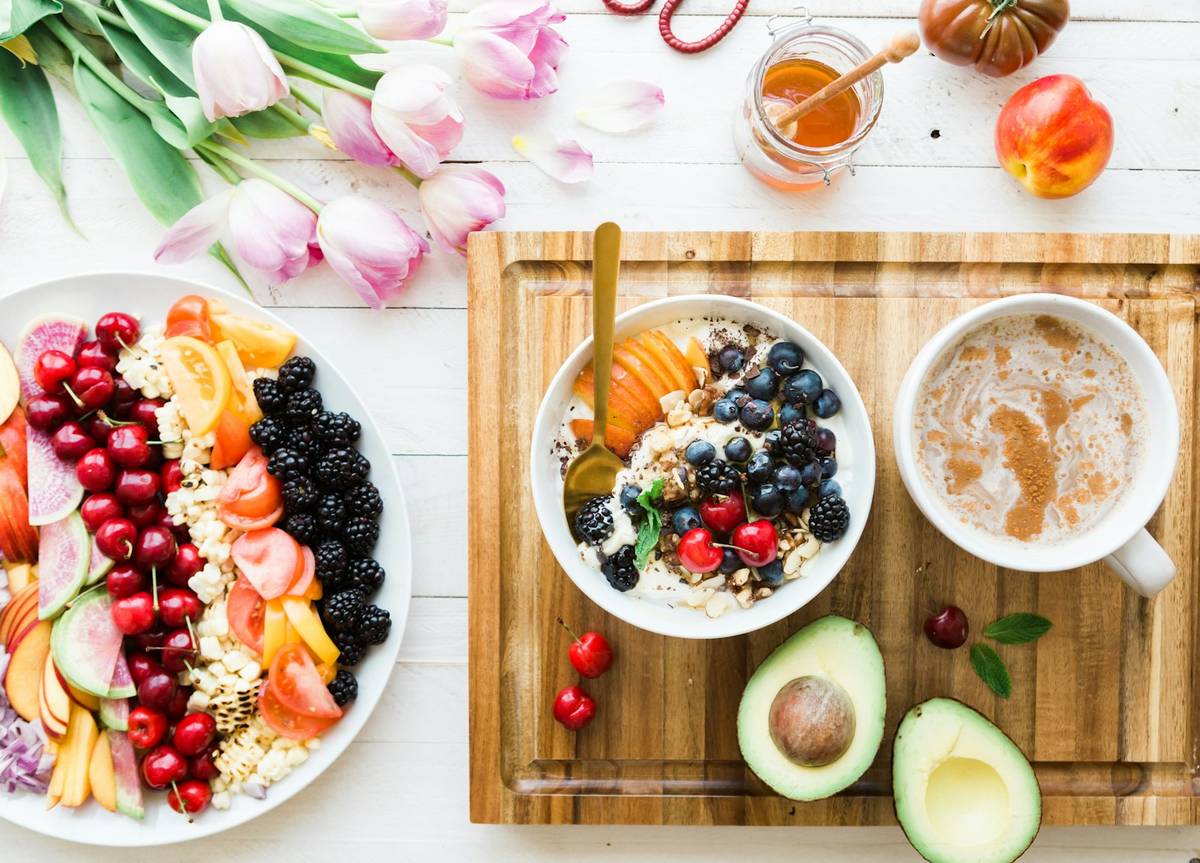
Greek-style yogurt layered with oats, berries, honey and chopped nuts. If you prefer a drinkable breakfast, blend yogurt, milk, oats, banana and nut butter.
Mid-morning
Banana bread or toast with cream cheese alongside a drink.
Lunch
Lentil soup with buttered bread and cheese, followed by yogurt.
Afternoon snack
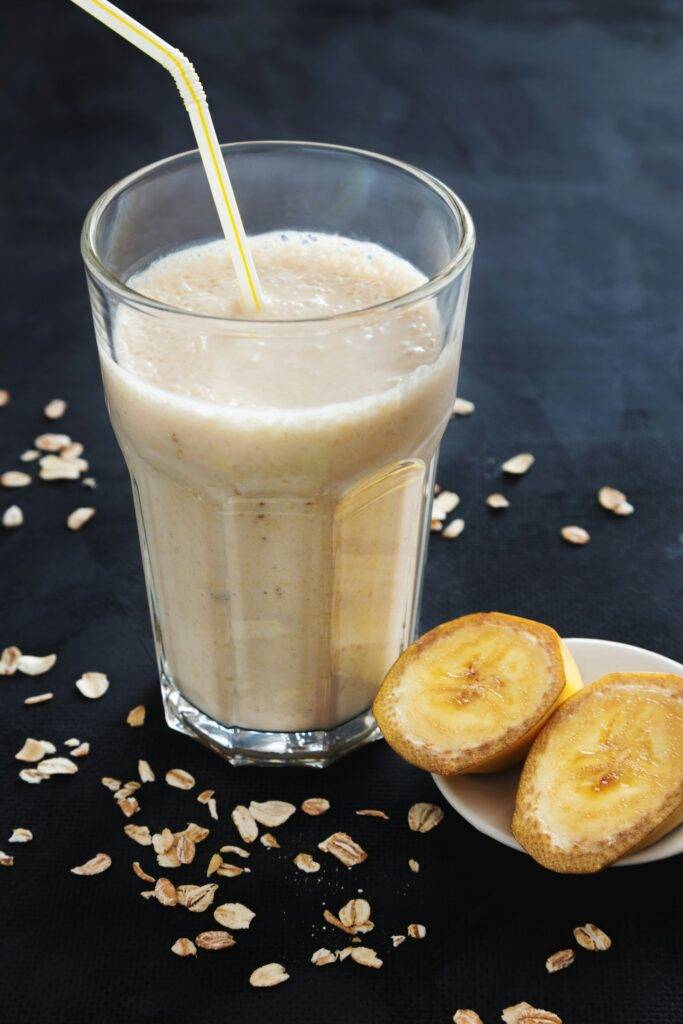
A smoothie made with milk or fortified plant drink, banana and nut butter.
Dinner
Salmon, potatoes and vegetables with an olive-oil dressing, or replace salmon with tofu and add tahini sauce.
Evening option
Custard with fruit, or yogurt with granola.
Day 4
Breakfast
Overnight oats made with milk, yogurt, oats and fruit, topped with seeds or nut butter.
Mid-morning
Oatcakes with cheese or hummus.
Lunch
Chicken, egg or chickpea wrap with salad and a creamy or olive-oil-based dressing.
Afternoon snack
Yogurt, nuts and fruit, or one of the options in our healthy high-calorie snack guide.
Dinner
Bean chilli with rice, grated cheese or avocado. Add a spoonful of yogurt if you enjoy it.
Evening option
Hot chocolate made with milk or a fortified alternative.
Day 5
Breakfast
Scrambled eggs on toast with cheese, plus fruit.
Mid-morning
Trail mix or a cereal bar with a milky drink.
Lunch
Leftover chilli, curry or pasta from the previous evening. Using leftovers reduces cooking pressure and makes regular eating easier.
Afternoon snack
Crackers with peanut butter, cheese or hummus.
Dinner
Chicken or chickpea curry with rice, vegetables and yogurt or coconut milk depending on the recipe.
Evening option
Rice pudding, semolina or cereal with milk.
Day 6
Breakfast
Wholegrain toast with nut butter and banana, plus yogurt or milk.
Mid-morning
Fruit with a small handful of nuts.
Lunch
Cheese omelette with bread and cooked vegetables, or a tofu scramble with avocado.
Afternoon snack
Homemade smoothie or yogurt drink.
Dinner
Pasta with a tomato and olive-oil sauce, minced beef, lentils or textured vegetable protein, topped with cheese or nutritional yeast.
Evening option
Toast, cereal or yogurt depending on appetite.
Day 7
Breakfast
Pancakes with yogurt, fruit and nut butter, or porridge if you prefer something simpler.
Mid-morning
Cheese and crackers or hummus and pitta.
Lunch
Soup with a filled sandwich. Use egg, tuna, chicken, cheese, hummus or mashed beans as the protein filling.
Afternoon snack
Yogurt with granola or a small smoothie.
Dinner
Roast chicken, fish, tofu or beans with potatoes and vegetables. Add gravy, olive oil or another suitable sauce to increase energy if needed.
Evening option
A milky drink and a small snack if there is room.
Make the plan more energy-dense without making it much bigger
When appetite is limited, simply increasing portion size can backfire. Add energy to food you already tolerate. Depending on your diet, that might mean grated cheese on a potato, nut butter stirred into porridge, olive oil over vegetables, full-fat yogurt with fruit, avocado in a sandwich or milk powder added to milk-based dishes.
This approach is particularly useful after illness. Our guide to gaining weight after illness or hospital explains how recovery, taste changes and low appetite can affect eating.
Include protein regularly
Protein is useful for maintaining and rebuilding body tissues. Spread it across meals rather than trying to eat a very large amount at dinner. Practical sources include eggs, dairy foods, fish, meat, beans, lentils, tofu, tempeh, nuts and nut butters.
You do not need a protein supplement simply because you are trying to gain weight. Food can meet the needs of many people, while supplements may be useful in particular circumstances. If intake is very low or a healthcare professional has recommended oral nutritional supplements, follow the individual advice you have been given.
Use drinks carefully
Drinks can help when chewing or finishing a full meal is difficult, but large drinks immediately before eating may reduce appetite. The NHS suggests higher-calorie drinks such as milkshakes between meals for people trying to gain weight.
A practical smoothie might contain milk or fortified plant drink, yogurt, banana, oats and nut butter. If you use plant drinks, check the label for protein and fortification because products vary widely.
Budget version of the plan
You do not need premium ingredients to gain weight well. Oats, whole milk, eggs, peanut butter, beans, lentils, rice, pasta, potatoes, frozen vegetables, tinned fish, yogurt and own-brand cheese can form the backbone of a lower-cost plan.
Our healthy weight gain on a budget guide goes deeper into shopping and meal choices when cost matters.
Vegetarian and plant-based swaps
Replace meat or fish with beans, lentils, tofu, tempeh or textured vegetable protein. Use fortified dairy alternatives where appropriate, and include nuts, seeds or nut butters for additional energy. If you follow a fully vegan diet, pay particular attention to nutrients such as vitamin B12 and use appropriately fortified foods or supplements where needed.
For a broader plant-based structure, our plant-based meal plan for beginners can be adapted by increasing portions and adding energy-dense foods.
Shopping list for the week
- oats, bread, wraps, rice, pasta and potatoes;
- eggs, yogurt, milk and cheese or suitable alternatives;
- beans, lentils and chickpeas;
- chicken, fish or other preferred protein foods;
- tofu or tempeh if used;
- peanut butter or another nut or seed butter;
- nuts and seeds;
- olive or rapeseed oil;
- bananas and other fruit;
- fresh or frozen vegetables;
- avocado when affordable and available;
- granola, crackers or oatcakes for easy snacks.
Meal preparation without making the week feel like a project
Cook two or three foods that can be reused rather than preparing fourteen separate recipes. A pot of rice can become a curry side dish, a rice bowl and a quick lunch. Chilli can be eaten with rice, put on a jacket potato or used in a wrap. Boiled eggs, yogurt, cheese, hummus and nut butter give you fast options when cooking feels like too much effort.
If you mostly cook for yourself, combine this plan with our meal-planning-for-one guide to reduce waste.
What if you cannot manage three meals?
Some people do better with six smaller eating opportunities than three conventional meals. Breakfast might be half a bowl of porridge followed by yogurt later. Lunch might become a sandwich at midday and soup mid-afternoon. Dinner can be split into a smaller plate and an evening snack.
The important part is the total pattern across the day. A schedule that looks unusual but is manageable is more useful than three large meals you repeatedly leave unfinished.
What if mornings are the hardest time to eat?
You do not have to force a large breakfast. Start with something easy to tolerate, such as yogurt, a milky drink, toast with nut butter or a banana smoothie, then make lunch or the afternoon snack more substantial. If appetite improves later in the day, use that window rather than treating breakfast as a test you have failed.
Track progress without turning food into constant monitoring
If you are trying to regain weight, weigh yourself only as often as is useful and appropriate for your situation. Day-to-day changes can reflect hydration and other factors. Focus on the broader trend, your ability to eat regularly, energy levels and any guidance from a healthcare professional.
If weighing yourself causes significant anxiety or you have a history of an eating disorder, a self-directed weight-gain plan may not be appropriate. Seek professional support instead of increasing monitoring.
When the example plan needs to be adapted
People with diabetes, kidney disease, food allergies, gastrointestinal conditions, swallowing problems or other medical needs may require different choices. Pregnancy, frailty and recovery from major illness can also change nutritional priorities. Use this example only as general information and follow any individual dietetic or medical advice you have been given.
When to get professional help
Speak to a GP or another appropriate healthcare professional if weight loss is sudden, unexplained or continuing, or if you are struggling to eat because of swallowing difficulty, persistent nausea, vomiting, diarrhoea, pain, low mood or another health problem. A general meal plan cannot identify the cause of unintentional weight loss.
The main Healthy Weight Gain guide explains the broader safety checks and practical principles behind gradual weight gain.
A useful plan should be flexible enough to repeat
The best seven-day plan is not the one with the most recipes. It is the one you can repeat and adapt. Keep the meals you enjoy, replace the ones you do not, and build around familiar foods that are easy to buy and prepare. Regular eating, practical energy density and a manageable amount of protein matter more than following this example perfectly.