Lunch can be one of the easiest meals to strengthen when you are trying to gain weight, especially if appetite is better in the middle of the day than in the evening. The aim is not to build an enormous plate. It is to make a normal-sized lunch more energy-dense by combining protein, starchy carbohydrate and useful fats.
The NHS recommends gaining weight gradually, eating smaller meals more often, adding healthy calories with foods such as cheese, nuts and seeds, using nourishing drinks between meals, and including protein from beans, pulses, fish, eggs and lean meat. See the official healthy weight-gain guidance.
This guide gives practical UK lunch ideas for adults who need more energy but do not want a huge meal. If you are losing weight without trying, have swallowing problems, kidney disease, severe digestive symptoms or another condition that affects your diet, seek individual advice rather than relying only on high-calorie meals.
What makes a useful high-calorie lunch?
A practical lunch often works best when it includes a protein source, a starchy carbohydrate, a calorie-dense addition such as olive oil, avocado, cheese, hummus, mayonnaise, pesto or yoghurt, and some fruit or vegetables where appetite allows.
You do not need every lunch to be “healthy” by a rigid formula. The goal is to make the meal nourishing enough to support gradual weight gain.
1. Tuna mayonnaise jacket potato
Use a baked potato with butter, tuna mixed with mayonnaise and grated cheese.
Add sweetcorn or a small side salad if wanted. This meal is easy to make more substantial without increasing the potato size dramatically.
2. Cheese and bean jacket potato
Top a baked potato with baked beans, grated cheese and a little butter.
This is affordable, easy to prepare and provides both protein and carbohydrate.
3. Chicken and avocado sandwich
Use wholemeal or seeded bread, chicken, avocado and mayonnaise or another suitable spread.
Add cheese if you need more energy.
4. Egg mayonnaise sandwich
Egg mayonnaise is soft, inexpensive and easy to make in advance.
Use two slices of bread, add salad if you like, and serve with yoghurt or fruit.
5. Hummus and roasted vegetable wrap
Spread hummus generously in a wrap, add roasted vegetables and avocado, then include feta or another cheese if appropriate.
This works well for a vegetarian lunch and can be prepared the night before.
6. Salmon rice bowl
Combine rice, salmon, avocado and vegetables with olive oil, yoghurt dressing or another sauce.
Tinned salmon can make this more affordable.
7. Chicken pesto pasta
Use pasta, cooked chicken, pesto and grated cheese.
Add spinach, peas or tomatoes without letting vegetables make the portion too bulky.
8. Creamy tuna pasta
Mix pasta with tuna, cream cheese or crème fraîche and sweetcorn or peas.
This is easy to portion into smaller containers for work lunches.
9. Lentil curry with rice
Lentils provide protein and fibre. Use coconut milk or yoghurt in the sauce if suitable and serve with rice or naan.
Keep the portion moderate and enrich the meal rather than simply adding more volume.
10. Chickpea and feta couscous
Combine couscous, chickpeas, feta, olive oil and vegetables.
Add seeds or avocado if you need more energy.
11. Macaroni cheese
Macaroni cheese is compact, soft and easy to enrich.
Add peas, spinach, chicken or tuna if you want more protein.
12. Cheese omelette with toast
An omelette with cheese, mushrooms or spinach can be ready quickly.
Serve with buttered toast or a small baked potato.
13. Beans on toast with cheese
This is simple, familiar and inexpensive.
Use buttered toast, beans and grated cheese. Add an egg if you want more protein.
14. Soup plus a substantial side
Soup alone may be too light for weight gain.
Pair it with a cheese sandwich, buttered bread, hummus and pitta, or a small baked potato.
If appropriate, enrich the soup with cream, cheese, milk powder or olive oil.
15. Leftover cottage pie
Cottage pie reheats well and combines protein, vegetables and potato in one dish.
Make the mash with milk, butter and cheese if you need extra calories.
16. Fish pie
Fish pie can be useful when appetite is small because it is soft and energy-dense.
Use a milk-based sauce and enriched mash, then add peas or spinach to the filling.
17. Chicken curry with rice
Use chicken with a curry sauce that includes yoghurt, coconut milk or another suitable base.
Serve with rice and add naan if appetite allows.
18. Halloumi or tofu wrap
Use halloumi or tofu with hummus, avocado and vegetables in a wrap.
This can be a good meat-free lunch with useful protein and energy.
19. Peanut satay noodles
Use noodles with chicken, tofu or edamame and a peanut-based sauce.
The sauce adds energy without requiring a huge portion.
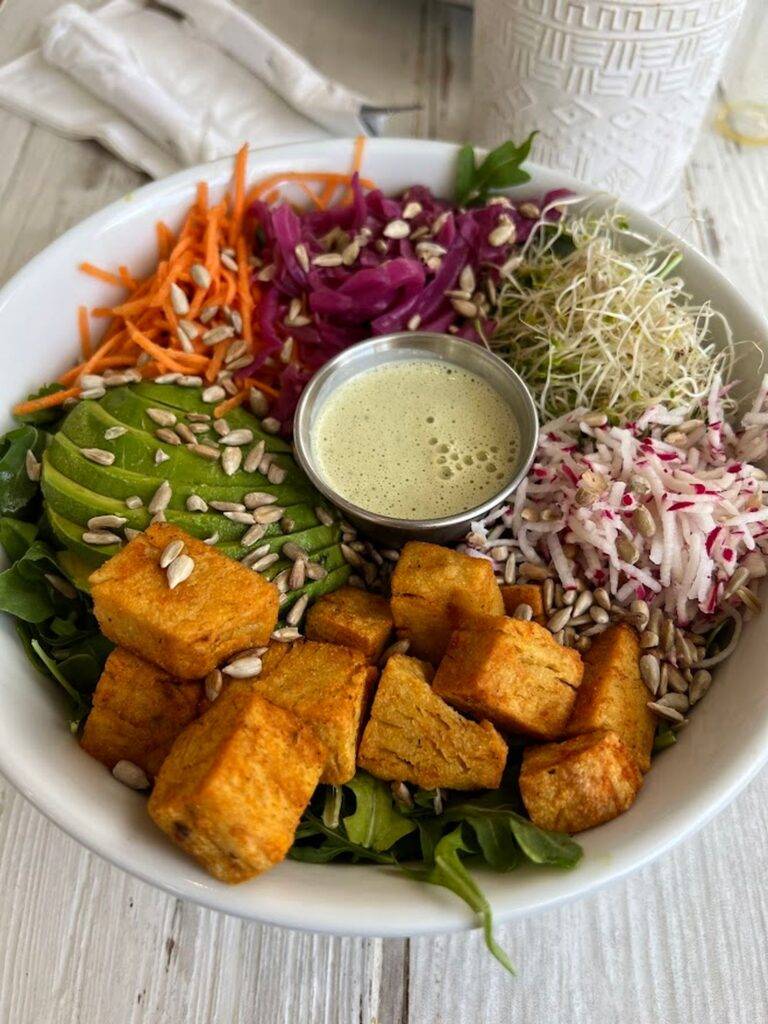
20. Greek-style yoghurt lunch bowl
On days when savoury food is unappealing, use full-fat Greek-style yoghurt with granola, banana, nuts, seeds and nut butter.
There is no rule that lunch must be savoury.
Use spreads and sauces strategically
One of the easiest ways to add calories to lunch is to use a useful spread or sauce. Options include mayonnaise, pesto, hummus, avocado, olive oil, cream cheese, yoghurt dressing and nut butter.
You do not need to add several at once. Pick one that suits the meal.
Do not choose the leanest version of everything automatically
Very low-fat yoghurt, dry chicken breast, plain rice and salad may be nutritionally respectable but still too low in calories for someone trying to gain weight.
Use full-fat dairy where suitable and include sauces, oils, cheese or avocado.
Make lunch easy enough to happen
A perfect lunch that requires 45 minutes of cooking is not useful if you skip it.
Keep practical ingredients available: tinned tuna or salmon, eggs, cheese, hummus, bread and wraps, microwave rice, pasta, frozen vegetables, ready-made soup, full-fat yoghurt and nut butter.
Prepare work lunches the night before
If work is where lunch gets missed, remove the decision from the middle of the day.
Make a sandwich, pasta pot, rice bowl or wrap the night before.
Keep chilled foods cold during transport and storage.
Use smaller lunches plus a planned snack
If a large lunch feels too much, split it.
For example, eat half a sandwich with soup at noon, then yoghurt with nuts at 2:30pm.
The total intake can be the same while each eating occasion feels easier.
Pair lunch with a nourishing drink if needed
Milk, a yoghurt drink or smoothie can add useful energy.
Have it with or after the meal if it does not reduce appetite too much.
BetterCare’s nourishing drinks guide has more ideas.
High-calorie lunch ideas on a budget
Weight gain does not require expensive protein products.
Affordable lunch ingredients include eggs, baked beans, tinned tuna, lentils, chickpeas, peanut butter, own-brand cheese, bread, pasta, potatoes, whole milk and frozen vegetables.
See BetterCare’s healthy weight gain on a budget guide for a fuller shopping strategy.
High-calorie lunch ideas for older adults
For an older adult with a small appetite, soft foods and modest portions can be easier.
Useful options include fish pie, macaroni cheese, scrambled eggs on toast, creamy soup with bread and cheese, or yoghurt with banana and nut butter.
See our healthy weight gain for older adults guide for more practical support.
Lunch after illness
Appetite may be lower after infection, surgery or hospital admission.
Choose familiar food, small portions and soft textures if needed.
If weight loss began during illness, our post-illness weight-gain guide can help structure recovery.
Lunch when chewing is difficult
Choose softer meals such as omelettes, macaroni cheese, cottage pie, fish pie, soup with enriched sides, or soft sandwiches with moist fillings.
If chewing is painful or dentures no longer fit properly, arrange dental advice rather than endlessly changing the menu.
Lunch when swallowing is difficult
Do not change food textures on your own if swallowing is unsafe. Someone who coughs during meals, has a wet voice after drinking, or has been advised to use modified textures may need a speech and language therapy plan.
Follow the prescribed texture and fluid guidance rather than generic meal suggestions.
Lunch for vegetarian weight gain
Useful protein sources include eggs, dairy or alternatives, beans, lentils, tofu, tempeh, hummus, nuts and seeds.
A vegetarian lunch can be just as energy-dense as a meat-based one when it includes cheese, avocado, olive oil, nut butter or other appropriate energy sources.
Lunch for people who get full very quickly
Reduce the volume before reducing the nutrition.
A smaller jacket potato with cheese and beans may work better than a huge plain potato with a large salad. A half wrap with hummus and avocado can be followed by yoghurt later.
Protein still matters
Lunch is a useful opportunity to include eggs, dairy, fish, chicken, beans, lentils, tofu, nuts or another protein source.
BetterCare’s high-protein foods for weight gain guide explains how to spread protein across the day.
Vegetables should support the meal, not crowd it out
Fruit and vegetables matter, but a very large salad can make it difficult to eat enough energy.
Use moderate portions and add energy through olive oil, cheese, avocado, hummus or another suitable addition.
A five-day lunch rotation
- Monday: tuna mayonnaise jacket potato with cheese.
- Tuesday: chicken pesto pasta with peas.
- Wednesday: lentil curry with rice and yoghurt.
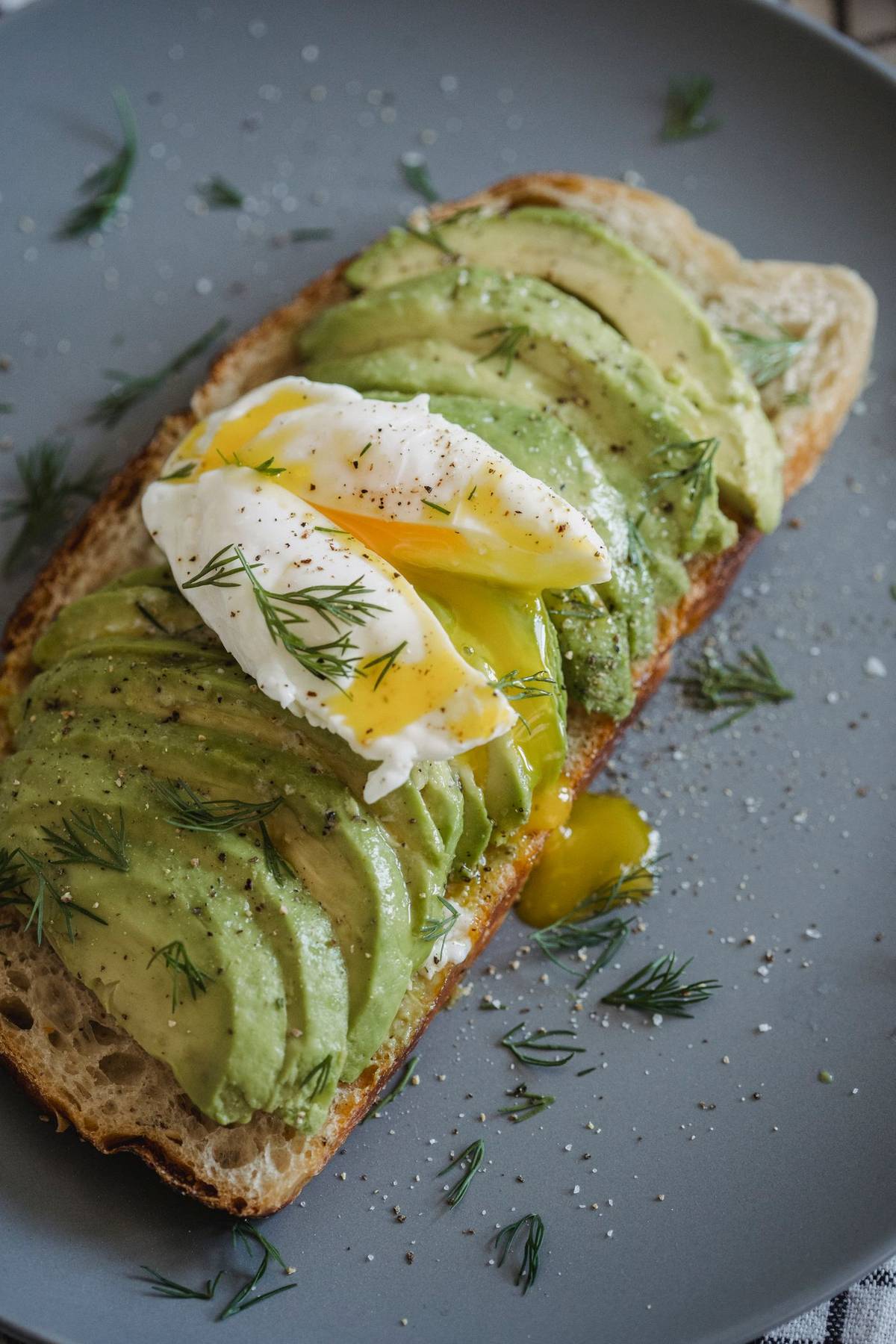
- Thursday: egg and avocado sandwich with soup.
- Friday: salmon rice bowl with avocado and dressing.
When a lunch becomes too filling
If you regularly cannot finish the meal, reduce the volume before reducing the calories.
Use less salad, fewer bulky vegetables or a smaller portion of plain starch, then add energy with sauce, cheese, oil or avocado.
When to ask for help
If weight loss is unexplained, rapid or continuing, or eating is difficult because of pain, swallowing problems, persistent nausea, vomiting or diarrhoea, speak to a healthcare professional.
Do not keep adding calories indefinitely without understanding why weight is falling.
Lunch should be practical enough to repeat
The best high-calorie lunch is not the most elaborate one. It is the meal you can make, afford and eat consistently.
Use protein, starch and one or two energy-dense additions, keep portions manageable, and split the meal if appetite is limited.
For the wider BetterCare approach to gradual weight gain, meal planning, food fortification and snacks, return to the Healthy Weight Gain pillar.
Reviewed: September 2026. General UK nutrition information; individual dietary needs vary.