When your appetite is small, drinking something nourishing can be easier than facing another full plate. That does not mean replacing every meal with a shake. It means using drinks strategically so that fluids can contribute useful energy and protein instead of filling you up without helping much with weight gain.
This matters most when weight has been dropping, appetite has been poor, or recovery after illness has made ordinary portions difficult. NHS dietetic guidance commonly uses the same basic idea: eat little and often, choose nourishing snacks, and use higher-energy drinks between meals rather than filling up on low-calorie drinks just before food. County Durham and Darlington NHS Foundation Trust, for example, recommends nourishing drinks alongside a fortified high-calorie, high-protein diet for people with poor appetite or undernutrition risk. See its poor-appetite and weight-gain guidance.
If you have lost weight without trying, are struggling to swallow, have persistent nausea or diarrhoea, or have another health condition that affects eating, treat this page as practical general information rather than a diagnosis or a substitute for individual advice.
What counts as a nourishing drink?
A nourishing drink is simply a drink that contributes more than fluid. It usually provides useful energy and, ideally, protein as well. Milk-based drinks, fortified milkshakes, smoothies, yoghurt drinks and some enriched soups can all fit that description.
Water, tea, black coffee and low-calorie squash are useful for hydration, but they do not usually add much nutrition. If appetite is poor, the aim is not to stop drinking them completely. It is to avoid letting them take up the limited space you have for food and higher-value drinks.
Dorset County Hospital’s nourishing-drinks guidance notes that some people find drinks easier to manage than eating more at mealtimes, particularly when they have lost weight or have a small appetite.
Drink between meals rather than just before them
If you become full quickly, timing matters. A large mug of tea, coffee or water immediately before lunch can make a small appetite even smaller. Try having most nourishing drinks between meals instead.
A useful rhythm might be breakfast, a nourishing drink mid-morning, lunch, another drink or snack in the afternoon, dinner, and an evening drink if wanted. That spreads intake across the day instead of asking you to eat one large meal.
If this pattern fits your situation, our small-appetite weight-gain guide explains how to make the rest of the day easier to manage too.
A simple nourishing-drink formula
You do not need a complicated recipe. Start with a base, add a protein-rich ingredient where appropriate, then add flavour and extra energy if you need it.
1. Choose a base
Useful options include full-fat milk, lactose-free milk, or a fortified plant drink that provides a reasonable amount of protein. Soya drinks often contain more protein than many nut-based drinks, but products vary, so check the label.
2. Add something substantial
Yoghurt, Greek-style yoghurt, milk powder, nut butter, oats, tofu or a suitable protein-rich dairy alternative can make a drink more useful. You do not need to add everything at once.
3. Add flavour you actually enjoy
Banana, berries, cocoa, coffee, cinnamon, vanilla, mango, peanut butter or a small amount of honey can make a drink easier to look forward to. A drink you dislike is not a practical long-term strategy.
Seven nourishing drink ideas for weight gain
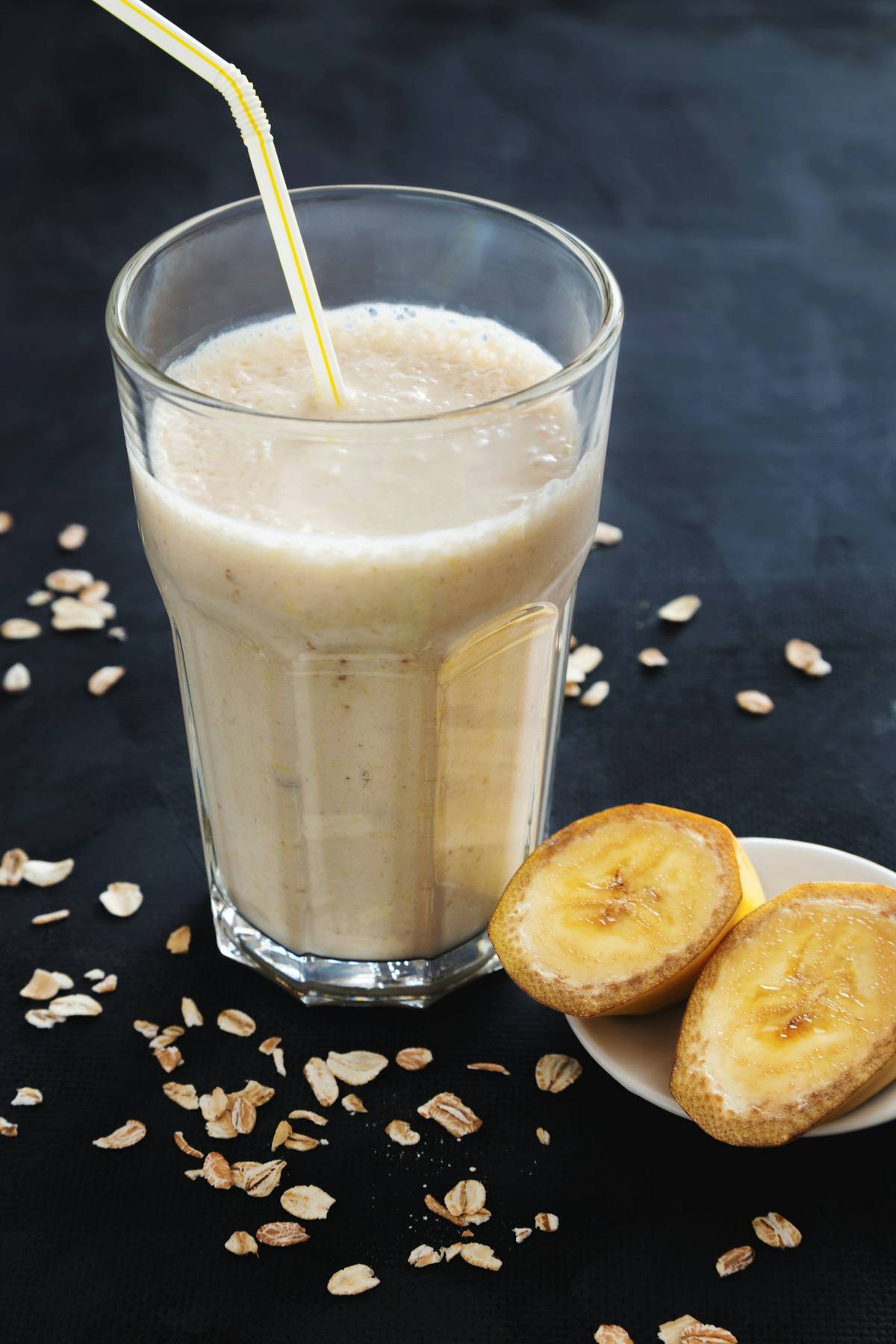
Banana, yoghurt and oat smoothie
Blend milk or a fortified plant drink with banana, yoghurt and a spoonful of oats. Add nut butter if you want more energy without increasing the volume very much. This works well as a mid-morning drink when breakfast was small.
Peanut butter and cocoa milkshake
Use milk, cocoa and peanut butter. Blend until smooth. If you prefer it colder, add ice or chilled milk. People with a small appetite often find a modest glass easier than a very large shake.
Berry yoghurt drink
Blend yoghurt, milk and berries. Frozen berries make this quick and reduce waste. If the drink is too thick, loosen it with milk rather than making a huge portion.
Milky coffee
A coffee made mostly with milk can be more nourishing than black coffee. If coffee reduces your appetite, move it away from meals. If caffeine affects your sleep, use decaffeinated coffee later in the day.
Hot chocolate made with milk
For people who prefer warm drinks, hot chocolate made with milk can be easier to manage than a cold smoothie. Royal Free London includes milky drinks such as hot chocolate among the options in its small-appetite guidance.
Fruit smoothie with yoghurt or milk
Fruit alone can make a refreshing smoothie, but adding yoghurt, milk or another protein-containing base can make it more useful for someone trying to regain weight. Keep the portion manageable if large drinks leave you too full to eat.
Enriched soup
A savoury drink can be a welcome change when sweet milkshakes become repetitive. Soup can be enriched with ingredients such as milk, cream, cheese, olive oil, yoghurt or pulses where appropriate. Treat soup as part of your food intake rather than something to fill up on before the meal.
Fortified milk can make several drinks easier
Some NHS dietetic services suggest fortified milk as a practical base for drinks, cereal, puddings and cooking. A common approach is to mix skimmed milk powder into full-fat milk, although the exact recipe varies between services.
If you are considering this because your intake is poor, use the recipe supplied by your dietitian or a trusted NHS service rather than guessing quantities. Our food fortification for weight gain guide explains the principle in more detail.
What if you do not drink dairy milk?
You can still build nourishing drinks without cow’s milk. Look for a dairy alternative that is fortified with nutrients such as calcium and vitamin B12 and compare protein and energy between products. Soya-based drinks and yoghurts are often useful because they can provide more protein than some other alternatives.
You can also use nut or seed butters, oats, tofu, avocado and fruit to add body and energy. The goal is not to copy a dairy recipe exactly; it is to make the drink work for your needs and preferences.
Do smoothies count as food?
They can contribute meaningfully, but they should not automatically replace balanced meals. Smoothies can be useful because they are easy to drink and can combine several ingredients in one small serving. They can also be less satisfying than chewing food for some people, and fruit-heavy smoothies may contain a lot of free sugars.
If you have diabetes or need to manage blood glucose, individual advice may be important before relying heavily on sweet drinks. North Tees and Hartlepool NHS Foundation Trust notes in its adult healthy weight-gain advice that fruit juice and smoothies can raise blood glucose and should be considered in the wider diet.
What about shop-bought nutrition drinks?
Ready-made drinks can be convenient, particularly when cooking or shopping is difficult. Some products are sold over the counter, while oral nutritional supplements may be prescribed when clinically appropriate.
Do not assume that a specialist-looking drink is automatically better than food. Some NHS services recommend trying a food-first approach before prescribed supplements, depending on the person’s nutritional risk and clinical situation.
If weight loss is continuing despite your efforts, ask a GP, dietitian or other appropriate healthcare professional whether you need a more individual plan. A supplement should solve a real nutritional problem, not simply add expense.
How to stop drinks from ruining your appetite
The most common mistake is having a very large drink close to a meal. If you already struggle to finish food, that can work against you.
- Have nourishing drinks between meals where possible.
- Keep portions moderate if you get full quickly.
- Do not sip continuously all day if it suppresses your appetite.
- Use a smaller glass and repeat later rather than forcing one huge shake.
- Notice whether very cold, very sweet or very thick drinks are harder for you to tolerate.
You are looking for a routine that leaves enough appetite for meals as well.
Pair drinks with small meals and snacks
A nourishing drink is most useful when it supports the rest of your eating pattern. For example, a small bowl of porridge at breakfast may be followed by a yoghurt smoothie later. Lunch could be soup with buttered bread and cheese, followed by an afternoon milkshake or snack.
Our high-calorie healthy snack guide gives compact food options that can sit alongside drinks without turning the day into constant large meals.
Keep ingredients easy to reach
Low appetite often comes with low energy. If every drink requires ten ingredients, a blender and a full clean-up, you may stop making it.
Choose two or three combinations you can prepare quickly. Keep long-life milk, milk powder, oats, nut butter, yoghurt, frozen fruit or whatever suits your plan where they are easy to reach. A simple repeatable drink is more valuable than a complicated recipe you make once.
Nourishing drinks during recovery from illness
After illness or a hospital stay, appetite may be reduced by fatigue, medication changes, altered taste, pain or a disrupted routine. Drinks can provide another opportunity to eat when a full plate feels unmanageable.
However, ongoing poor appetite after illness still deserves attention. Our weight gain after illness or hospital guide explains how to organise recovery eating and when persistent weight loss should be discussed with a healthcare professional.
If swallowing is difficult, do not improvise texture changes
People with swallowing difficulties may need a specific food and fluid texture recommended by a speech and language therapist or dietitian. A homemade smoothie is not automatically safe just because it is liquid.
If you have been advised to use thickened fluids or modified textures, follow that plan. Do not change drink thickness based on a general recipe online.
A practical one-day example
This is not a prescription, but it shows how nourishing drinks can fit around food without replacing it:
- Breakfast: porridge made with milk, topped with banana and nut butter.
- Mid-morning: small yoghurt-and-fruit smoothie.
- Lunch: jacket potato with beans and cheese.
- Afternoon: milky coffee plus a snack.
- Dinner: rice, chicken or tofu, vegetables and an energy-dense sauce.
- Evening: hot chocolate or another small nourishing drink if wanted.
For a fuller weekly structure, use the seven-day healthy weight-gain meal plan.
When to get help rather than simply adding more calories
Speak to a GP or another appropriate healthcare professional if weight loss is unexplained, rapid or continuing; if eating is difficult because of swallowing, pain, vomiting or diarrhoea; if you are becoming weak or dehydrated; or if low mood, anxiety or another condition is affecting your ability to eat.
People with diabetes, kidney disease, heart failure, fluid restrictions, significant allergies, digestive disease or an eating-disorder history may need individual advice before making major changes to drinks or energy intake.
The useful question is: can you repeat it?
You do not need a perfect smoothie. You need two or three drinks that you enjoy, tolerate, can afford and can make on a low-energy day.
Start small. Use drinks between meals. Keep meals and snacks in the plan. If appetite stays poor or weight continues to fall, ask for help rather than endlessly adding ingredients.
For the wider strategy, return to BetterCare’s Healthy Weight Gain pillar.
Reviewed: September 2026. General UK information; individual nutritional needs vary.