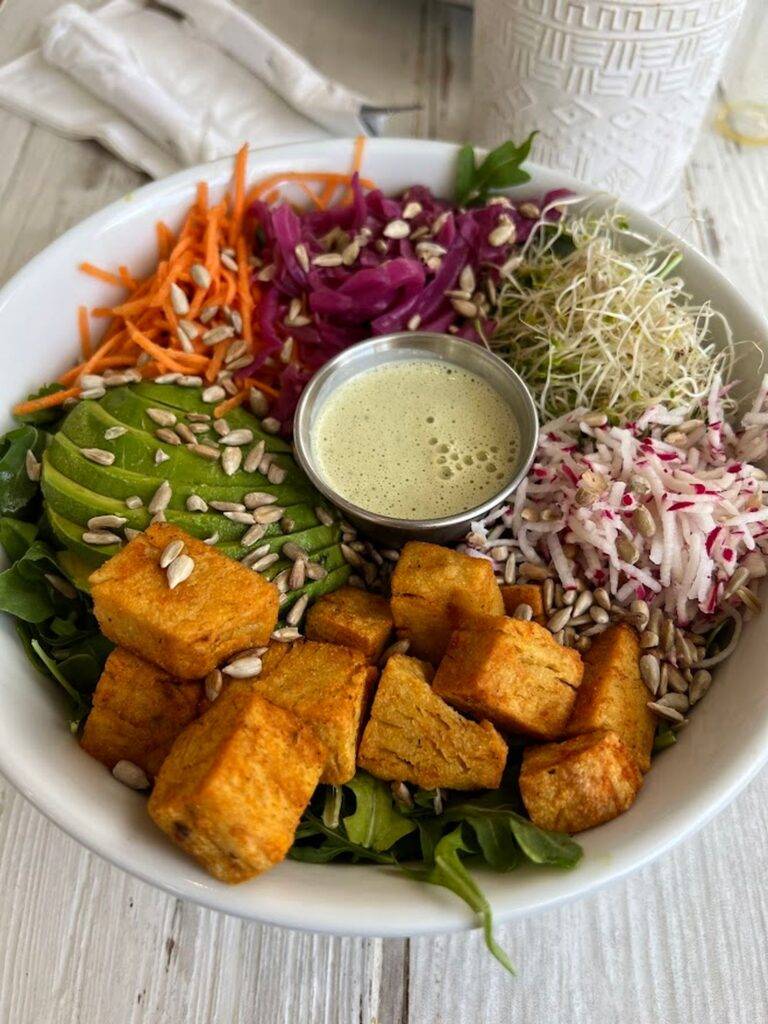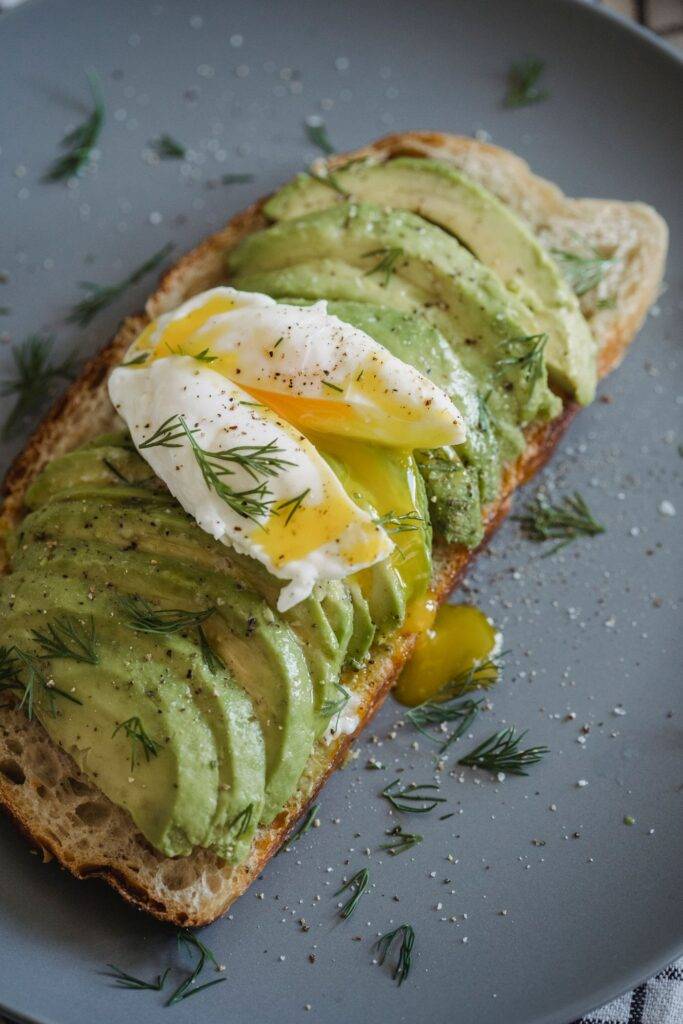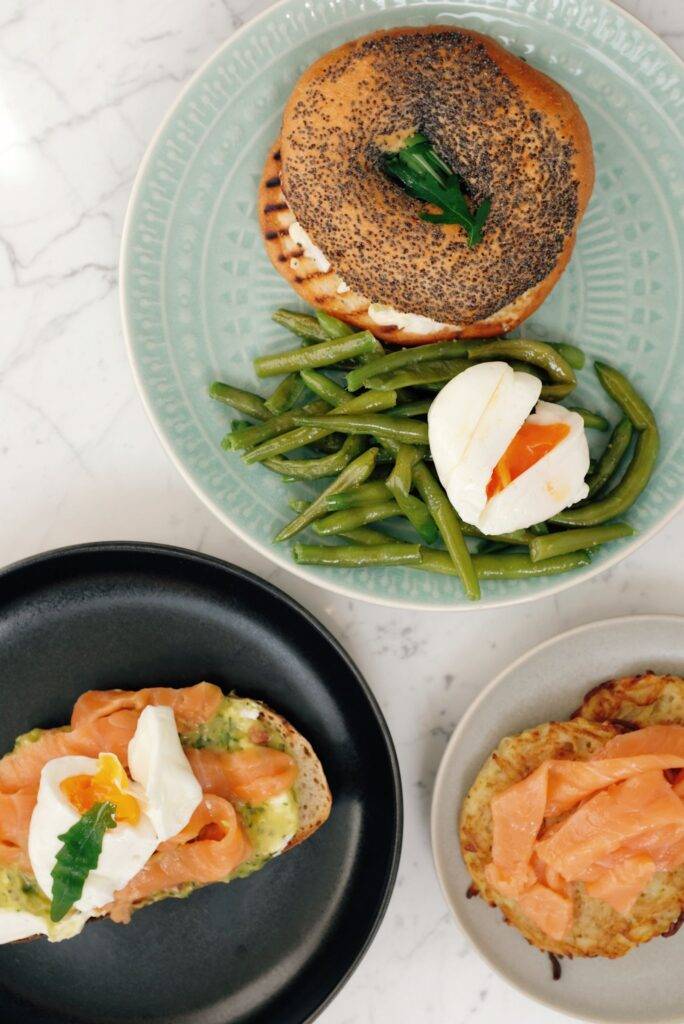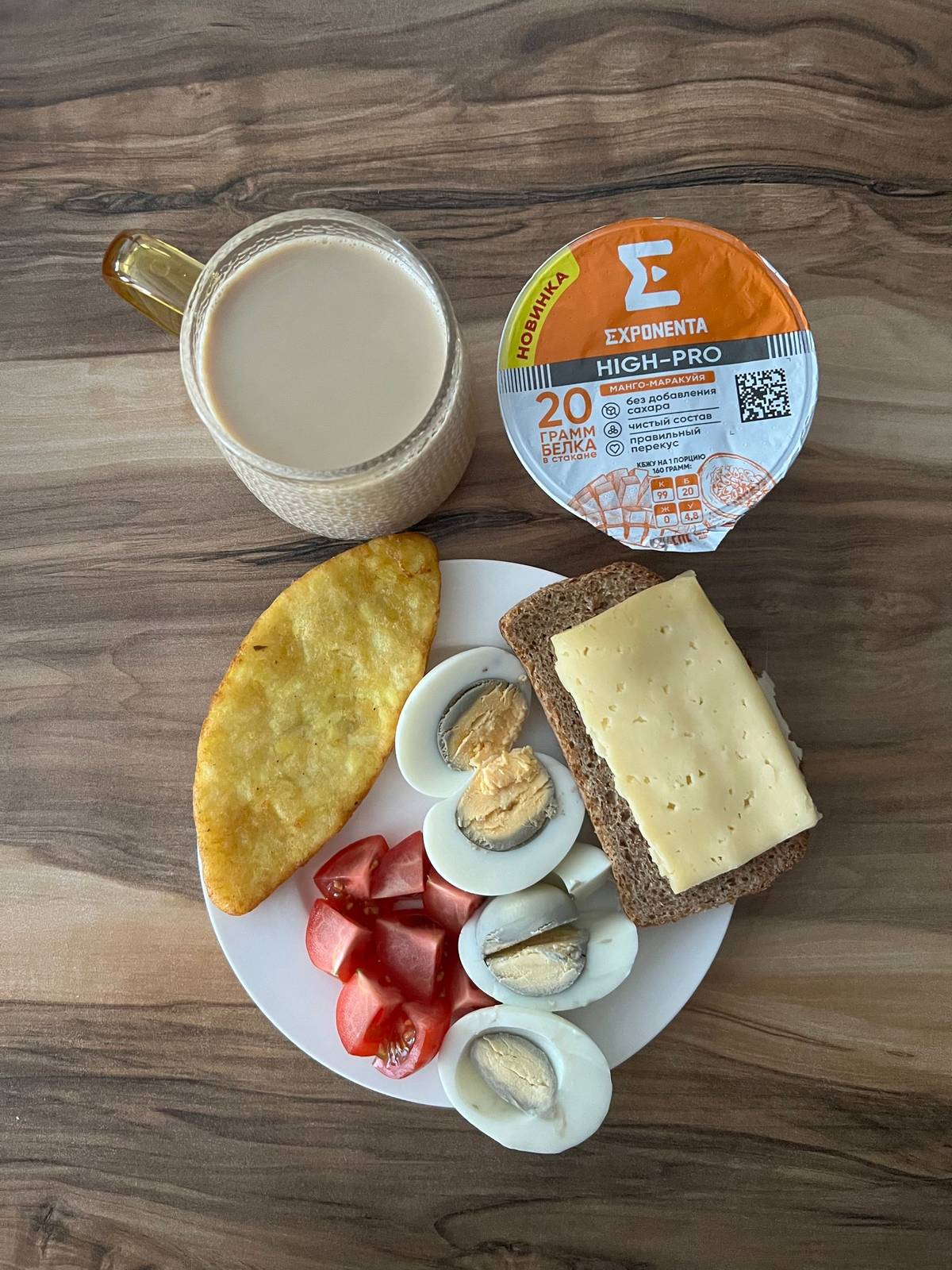
Protein is useful when you are trying to gain weight because the goal is not simply to make the number on the scale go up. Ideally, extra food should also support muscle, strength and recovery. The NHS recommends adding protein to meals with foods such as beans, pulses, fish, eggs and lean meat while increasing calories gradually through balanced meals, snacks and nourishing drinks.
That does not mean every meal needs a protein shake or an expensive “high-protein” product. Ordinary foods can do most of the work. The key is to include a useful protein source several times across the day and combine it with enough overall energy from carbohydrates and fats.
This guide focuses on practical UK food choices for adults who need healthy weight gain. If you are losing weight without trying, have kidney disease, significant swallowing problems, an eating disorder history, or another condition that affects your diet, individual advice from a GP or dietitian may be more appropriate than generic high-protein advice.
Protein alone does not cause weight gain
Protein is only one part of the picture. To gain weight, your overall food intake needs to provide more energy than your body is using. A plate of very lean protein with little else may still be too low in calories.
That is why a useful weight-gain meal might combine eggs with toast and avocado, yoghurt with oats and nuts, chicken with rice and sauce, or lentils with bread and olive oil. Protein supports the meal, while carbohydrates and fats help increase total energy.
The NHS healthy weight-gain guidance recommends smaller meals more often, adding extra calories with foods such as cheese, nuts and seeds, and including protein from beans, pulses, fish, eggs and lean meat.
Eggs are one of the easiest everyday options
Eggs are affordable, quick to cook and easy to add to meals that might otherwise be quite light.
- scrambled eggs on buttered toast;
- boiled eggs with crackers or bread;
- omelette with cheese and vegetables;
- egg mayonnaise sandwich;
- fried egg with rice, beans or potato.
If appetite is small, eggs are useful because a modest portion still adds meaningful protein without creating a huge plate.
Greek-style yoghurt and full-fat yoghurt can work well between meals
Yoghurt is useful for breakfast, snacks or dessert. Greek-style yoghurt often provides more protein than standard yoghurt, although products vary, so check the label.
For healthy weight gain, full-fat yoghurt can be more useful than a very low-calorie version because it adds both protein and energy.
Try yoghurt with banana, berries, oats, nuts, seeds, granola or nut butter. If you struggle to eat large portions, a small bowl can still be made more substantial without becoming difficult to finish.
Milk can support both food and drinks
Milk contributes protein and can also increase the energy content of porridge, cereal, soups, sauces and drinks.
If you use cow’s milk, full-fat milk may be more appropriate for weight gain than skimmed milk unless you have been advised otherwise. Some people also use fortified milk, where milk powder is mixed into milk to make it more energy- and protein-dense.
Our food fortification guide explains that approach in more detail.
Cheese is compact and easy to add
Cheese contains protein and is also energy-dense. That makes it useful when appetite is small.
Add grated cheese to scrambled eggs, mashed potato, soup, pasta, baked potatoes or sandwiches. A small amount can increase both flavour and nutritional value.
Because many cheeses are high in saturated fat and salt, there is no need to make every meal cheese-heavy. Use it as one option among several protein foods.
Beans and lentils are practical and inexpensive
Beans, chickpeas and lentils provide protein and fibre and are often one of the most affordable ways to build a filling meal.
They can be added to chilli, curries, soups, pasta sauces, rice dishes, baked potatoes, salads and wraps.
If volume is a problem, combine pulses with higher-energy additions such as olive oil, cheese, avocado, yoghurt, coconut milk or bread rather than simply increasing the amount of beans.
Hummus is useful for snacks and light meals
Hummus gives you protein, some fibre and fat in a small portion. Use it with pitta, oatcakes, crackers, sandwiches or vegetable sticks.
For someone trying to gain weight, hummus can be easier to manage than a large bean-based meal. It also travels well in a packed lunch if kept chilled.
Fish gives you several practical options
Fresh, frozen and tinned fish can all fit. Tinned tuna, salmon, mackerel or sardines are convenient because they need little preparation.
- tuna mayonnaise jacket potato;
- salmon with rice and vegetables;
- mackerel on toast;
- fish pie;
- tuna pasta with olive oil or a creamy sauce.
Oily fish such as salmon, sardines and mackerel also provide omega-3 fats.
Chicken and turkey are flexible, but do not serve them too dry
Lean meat can provide protein, but very dry food may be hard to eat when appetite is poor.
Use sauces, gravy, yoghurt-based dressings, pesto or olive oil to make the meal easier and more energy-dense. A chicken breast with plain vegetables may be high in protein but still too low in calories for weight gain.
Think of the whole plate: protein plus a starchy food plus a source of energy such as sauce, oil, cheese or avocado.
Beef, lamb and pork can fit too
These foods provide protein, iron and other nutrients. Choose portions and cuts that suit your overall diet and health needs.
For a small appetite, dishes such as cottage pie, meatballs, stews or minced-meat pasta sauces can be easier than a large steak because they are softer and can carry extra sauce and calories.
Tofu and tempeh are useful plant-based proteins
Tofu can be used in stir-fries, curries, noodle dishes or blended into sauces and smoothies. Tempeh is firmer and works well in sandwiches, bowls and stir-fries.
If you follow a plant-based diet, combine these foods with lentils, beans, soya yoghurt, fortified plant drinks, nuts and seeds across the day rather than relying on one protein source.
Soya products usually provide more protein than many other plant alternatives
Plant drinks and yoghurts vary a lot. Soya-based products often contain more protein than almond, rice or oat alternatives, though you should still check the label.
For someone trying to gain weight, look for products that are fortified with calcium and vitamin B12 and that provide enough energy as well as protein.
Nut butter is useful when appetite is very small
Peanut, almond or other nut butters can add protein and a lot of energy in a small volume.
Add them to toast, porridge, yoghurt, smoothies, banana or crackers.
If whole nuts are difficult to chew, nut butter may be easier. Avoid if you have an allergy.
Nuts and seeds can make meals more substantial
Nuts and seeds provide protein, unsaturated fats and extra calories. Sprinkle them over porridge, cereal, yoghurt, salads or desserts.
Small portions are useful because they add nutrition without making the meal much larger.
Do you need protein powder?
Not necessarily. Most people can obtain protein from food. Protein powder may be convenient in certain situations, but it is not automatically better than yoghurt, milk, eggs, beans, fish or other ordinary foods.
If you use a protein powder, check the ingredients, protein content, calories and whether it contains added sugar or other ingredients you do not need.
People with kidney disease or other conditions affecting protein needs should speak to a healthcare professional before increasing protein significantly.
What about high-protein bars?
Protein bars can be portable, but their nutritional quality varies. Some are similar to confectionery with extra protein added.
Compare calories, protein, saturated fat, sugar and fibre. A bar can be useful when travelling, but it does not need to become the foundation of your diet.
Spread protein through the day
It is often easier to include protein at several meals and snacks than to try to eat a very large amount at dinner.
- Breakfast: porridge made with milk plus yoghurt and nut butter.
- Snack: cheese and crackers.
- Lunch: egg or tuna sandwich with soup.
- Snack: yoghurt with nuts.
- Dinner: chicken, fish, tofu or lentils with rice, potatoes or pasta.
- Evening: milky drink or rice pudding.
Protein at breakfast can be especially useful
Breakfast is often low in protein because many people rely on toast or cereal alone.
Add eggs, yoghurt, milk, nut butter or cheese. Our high-protein breakfast guide has more ideas specifically for this meal.
If appetite is small, portion size matters
A huge high-protein meal can be counterproductive if it leaves you too full to eat again for hours.
Smaller portions more often may work better. For example, half a sandwich with yoghurt may be easier than one enormous lunch. A small glass of nourishing smoothie may be easier than a large shake.
Our small-appetite weight-gain guide explains how to structure the day around limited appetite.
Protein works best alongside enough energy
If you increase protein but still eat too little overall, weight gain may remain difficult.
Add energy using olive oil, avocado, nuts, seeds, cheese, full-fat yoghurt, sauces and starchy foods where suitable.
This is why healthy weight gain is not just “eat more protein.” It is “eat enough overall, with useful protein included regularly.”
Strength activity can support muscle gain
The NHS notes that strength training or yoga can help build muscle and may improve appetite.
If you are recovering from illness, frail, older or have mobility limitations, choose activity that is safe for you. A physiotherapist or clinician may need to guide the plan.
High-protein foods for people who do not eat meat
Useful options include eggs, milk and yoghurt, cheese, beans and lentils, chickpeas and hummus, tofu and tempeh, soya milk and yoghurt, nuts and seeds, and nut butters.
A vegetarian or plant-based weight-gain diet can work well if meals are varied and energy intake is high enough.
High-protein foods on a budget
Some of the cheapest protein foods are also some of the most useful: eggs, tinned beans, lentils, peanut butter, milk, yoghurt, tinned fish and own-brand cheese.
Frozen fish or meat can sometimes be cheaper than fresh. Batch-cooking chilli, curry, lentil soup or pasta sauce can also reduce cost.
See our healthy weight gain on a budget guide for a wider shopping strategy.
When to get help
If you are losing weight without trying, becoming weak, struggling to swallow, repeatedly vomiting, having persistent diarrhoea, or finding that eating has become very difficult, speak to a GP or another appropriate healthcare professional.
Do not keep increasing protein indefinitely if the underlying reason for weight loss has not been investigated.
Use protein as part of a complete weight-gain pattern
The best protein source is not necessarily the one with the highest number on a label. It is the food you can eat consistently, enjoy, afford and combine with enough overall energy.
Build meals around eggs, dairy or alternatives, beans, pulses, fish, meat, tofu, nuts and seeds as appropriate. Then add the carbohydrates, fats and snacks needed to make the whole day sufficient.
For the broader BetterCare strategy around calories, snacks, meal plans, appetite and recovery, return to the Healthy Weight Gain pillar.
Reviewed: September 2026. General UK nutrition information; individual protein needs vary.