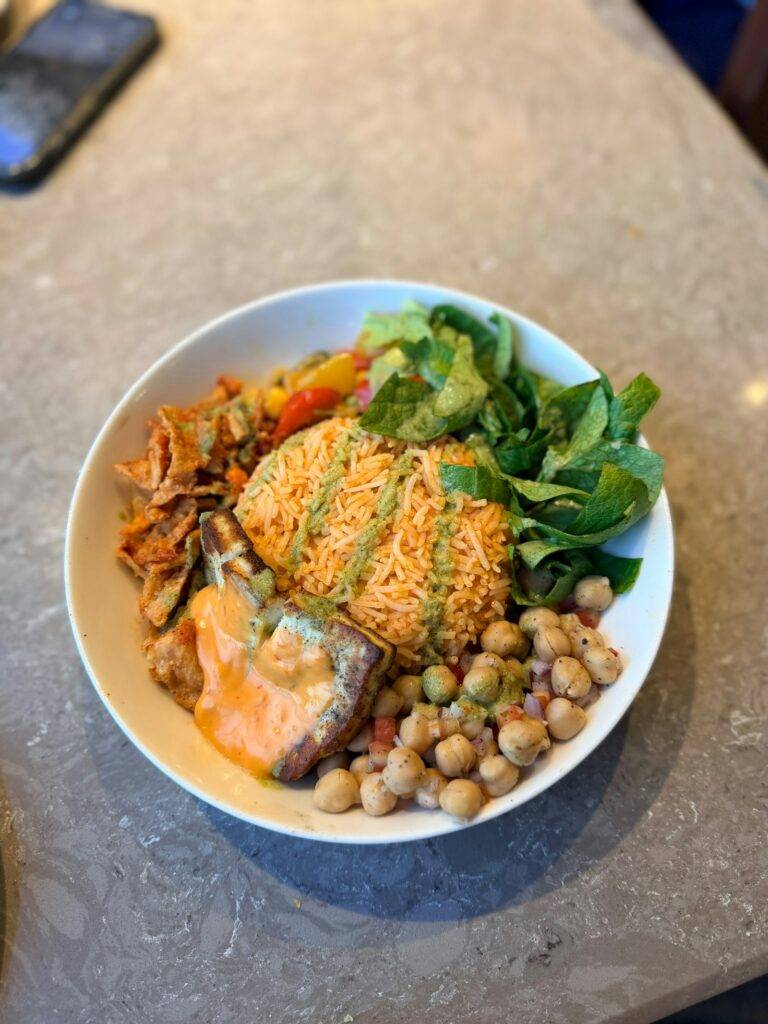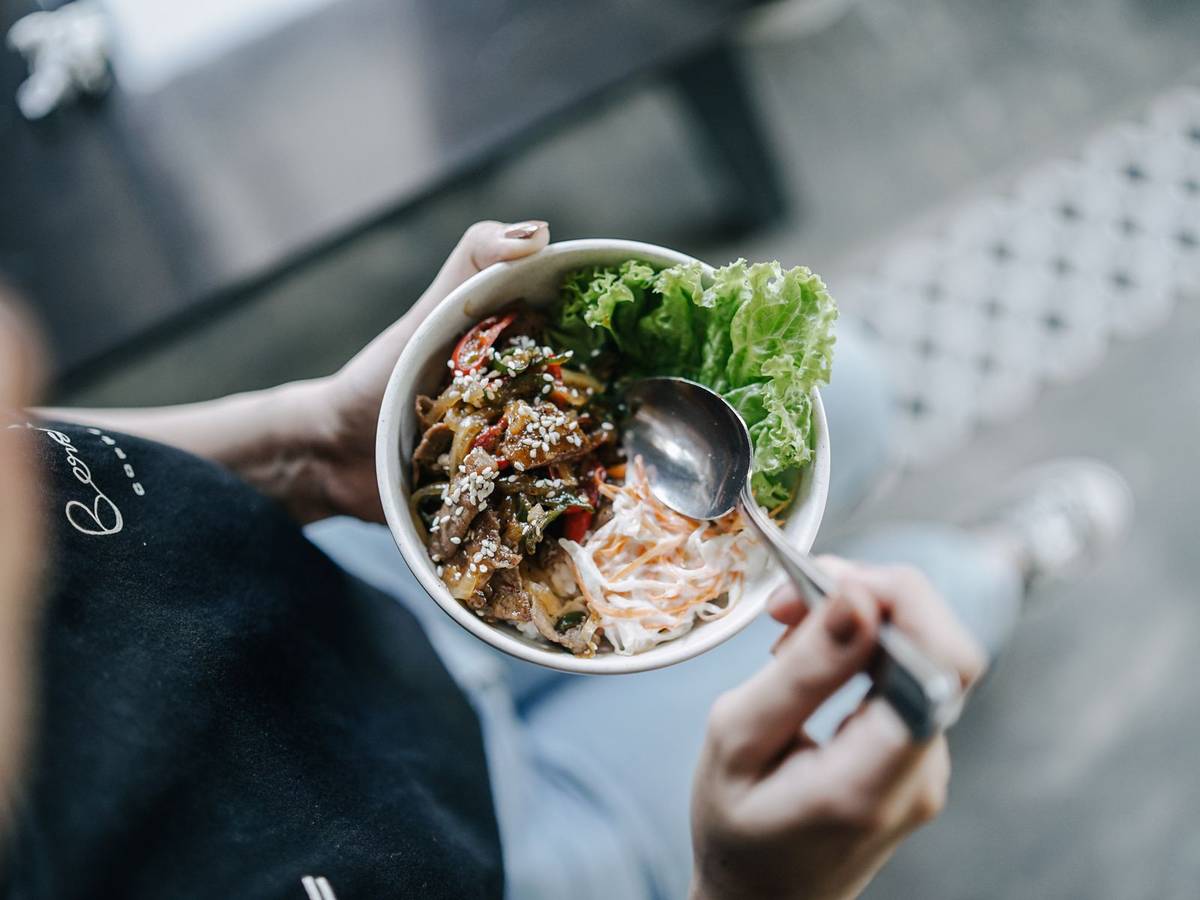
Cooking for one person can become repetitive very quickly. You buy a bag of vegetables, use half of it, forget the rest, and end up eating the same meal several nights in a row. The solution is not to cook a completely different recipe every evening. It is to build dinners from a small set of flexible ingredients that can be reused in different ways.
The NHS recommends a balanced eating pattern that includes fruit and vegetables, higher-fibre starchy foods, some dairy or alternatives, and protein foods such as beans, pulses, fish, eggs or meat. The NHS balanced diet guidance also emphasises variety over time rather than trying to make every individual meal perfect.
This guide gives practical dinner ideas for one person in the UK, with a focus on low waste, realistic preparation and meals that can be scaled up or down easily.
Use a simple dinner formula
A useful dinner does not need a complicated recipe. Think in three parts:
- a protein source;
- a starchy carbohydrate;
- vegetables or salad.
Then add flavour with herbs, spices, sauces, yoghurt, cheese, olive oil or another suitable addition.
This is the same basic structure used in BetterCare’s balanced meal guide.
1. Baked potato with beans and cheese
A baked potato is one of the easiest single-person meals because there is almost no waste.
Top it with baked beans and grated cheese, or use tuna, cottage cheese, chilli or leftover vegetables.
Add a small side salad or frozen vegetables if you want more variety.
2. Egg fried rice with frozen vegetables
Use cooked rice, one or two eggs, frozen peas and mixed vegetables. Add soy sauce, spring onion or chilli if you enjoy them.
This works particularly well with leftover rice, provided it has been cooled and stored safely.
3. Lentil curry with microwave rice
Tinned lentils or cooked lentils can be turned into a quick curry with tinned tomatoes, curry paste or spices and frozen spinach.
Serve with microwave rice or a small naan.
Make two portions and freeze one if you prefer not to cook again the next day.
4. Chicken and vegetable tray bake
Place chicken pieces, chopped potatoes and vegetables on one tray with olive oil and seasoning.
Use vegetables that roast well, such as peppers, courgettes, onions, carrots or broccoli.
One tray means less washing up and the ingredients can be adjusted to whatever you already have.
5. Salmon with potatoes and peas
Fresh or frozen salmon can be baked while potatoes cook. Frozen peas make the vegetable side simple.
Add yoghurt, lemon or herbs for flavour.
If salmon is too expensive, try another frozen fish fillet or tinned fish in a different meal.
6. Wholewheat pasta with tomato, spinach and beans
Cook pasta and stir in tinned tomatoes, frozen spinach and cannellini beans or lentils.
Add Parmesan, grated cheese or olive oil if wanted.
This gives you carbohydrate, protein, fibre and vegetables in one pan.
7. Omelette with vegetables and toast
An omelette is ideal when you have small amounts of vegetables that need using.
Add mushrooms, peppers, spinach, tomato or leftover potatoes. Serve with wholemeal toast.
Cheese can make the meal more substantial.
8. Chickpea and couscous bowl
Couscous cooks quickly with hot water. Add chickpeas, chopped cucumber, tomato, herbs and a yoghurt or olive-oil dressing.
Use frozen vegetables if fresh produce is running low.
This can be eaten warm or cold.
9. Turkey or beef chilli
Use minced turkey, beef or a plant-based alternative with beans and tinned tomatoes.
Serve with rice, a baked potato or bread.
Chilli freezes well, so it is a good choice when cooking for one but making several portions at once.
10. Tofu stir-fry with noodles
Use tofu, noodles and a bag of frozen stir-fry vegetables.
Add soy sauce, ginger, garlic or a ready-made stir-fry sauce.
Frozen vegetables are useful here because you can take out only what you need.
11. Sardines or mackerel on toast with tomatoes
Tinned oily fish can make a quick evening meal when cooking motivation is low.
Serve on wholemeal toast with tomato, cucumber or a small salad.
This is a practical way to include oily fish without buying fresh fillets.
12. Vegetable soup with bread and a protein side
Soup can be light, so add something that makes it a complete meal.
That might be cheese on toast, hummus and crackers, a boiled egg, a yoghurt, or a sandwich.
Ready-made soup can be useful too; compare salt levels if you eat it often.
13. Fish fingers, potatoes and vegetables
A healthy dinner does not need to be made entirely from scratch.
Fish fingers with boiled or roasted potatoes and frozen vegetables can make a practical balanced meal.
Convenience foods can fit when they help you avoid skipping dinner.
14. Pesto pasta with peas and chicken
Cook pasta, add frozen peas and stir in pesto. Add cooked chicken, tofu or white beans.
This meal can be made in one pan and works well with small ingredient quantities.
15. Burrito bowl for one
Use rice, black beans, sweetcorn, salsa and avocado. Add chicken, tofu or grated cheese if wanted.
Keep ingredients separate in the fridge and use them in wraps, salads or bowls across several meals.
16. Sausage, mash and peas
This can be a balanced meal when portions are sensible and vegetables are included.
Choose sausages you enjoy, serve with mashed potato and peas or carrots, and add gravy.
It is more important to build a realistic routine than to avoid every processed food completely.
17. Halloumi or feta grain bowl
Use cooked couscous, bulgur wheat or microwave wholegrain rice with roasted vegetables and a small amount of halloumi or feta.
Add chickpeas if you want more protein and fibre.
18. Chicken, bean or tofu wraps
Wraps are useful for using leftovers.
Add chicken, beans or tofu, then include salad, grated cheese, salsa or yoghurt.
One pack of wraps can also be frozen if you will not use them quickly.
19. Shakshuka-style eggs
Simmer tinned tomatoes with peppers, onions and spices, then crack eggs into the sauce and cook until set.
Serve with bread.
This is a good way to use store-cupboard ingredients and a few fresh vegetables.
20. Leftover vegetable frittata
Frittata is useful when the fridge contains small amounts of several ingredients.
Mix eggs with cooked vegetables, cheese and herbs, then cook in a pan or ovenproof dish.
Serve with salad or bread.
Plan dinners around ingredients, not seven unrelated recipes
One reason people cooking for one waste food is that every recipe requires a separate list of ingredients.
Instead, choose overlapping ingredients.
For example, spinach can go into pasta, omelette, curry and soup. Chickpeas can go into curry, couscous bowls and wraps. Rice can be used for curry, chilli and fried rice.
This reduces both cost and waste.
Use frozen vegetables as your default backup
Frozen vegetables are particularly useful for single-person households because you can use exactly the amount you need.
Frozen peas, broccoli, spinach, mixed vegetables and stir-fry mixes are easy to add to quick dinners.
They also reduce the pressure to use fresh vegetables before they spoil.
Keep two or three emergency dinners in the cupboard
On low-energy days, the best dinner is often the one you can make in ten minutes.
Useful backup foods include:
- tinned beans;
- tinned fish;
- microwave rice;
- wholemeal pasta;
- tinned tomatoes;
- frozen vegetables;
- eggs;
- bread in the freezer;
- ready-made soup.
These foods make it less likely that dinner becomes only biscuits or takeaway because there is nothing practical available.
Cook once, eat twice
You do not have to batch-cook eight identical meals.
Make two portions of chilli, curry, pasta sauce or tray bake. Eat one now and freeze the other.
Over a few weeks, your freezer becomes a small collection of different meals rather than six containers of the same thing.
Be realistic about portion size
Recipes written for four people do not always divide neatly.
Use your appetite as a guide. If you make extra, portion it before eating so the leftovers are ready for another meal.
If you routinely cook too much, reduce the dry rice, pasta or potato quantity first rather than removing vegetables and protein.
Healthy dinners can include ready meals
A ready meal can be practical when time or energy is limited.
Look for one that contains a useful protein source and compare salt, saturated fat and vegetables where possible.
Add frozen vegetables, salad or fruit if the meal is small or lacks produce.
BetterCare’s food-label guide can help you compare products quickly.
Dinners for one on a budget
Low-cost staples include eggs, beans, lentils, tinned tomatoes, rice, pasta, potatoes, frozen vegetables and tinned fish.
Buying a few flexible staples is usually cheaper than buying specialist ingredients for several unrelated recipes.
See our cheap healthy meals for one guide for more budget-focused ideas.
Use herbs, spices and sauces to prevent boredom
The same basic ingredients can taste very different with curry spices, pesto, tomato sauce, chilli, herbs or yoghurt-based dressings.
That means you can reuse chicken, beans, rice or vegetables without feeling like every dinner is identical.
A simple five-dinner example
- Monday: chicken tray bake.
- Tuesday: lentil curry with rice.
- Wednesday: omelette with vegetables and toast.
- Thursday: pasta with tomato, spinach and beans.
- Friday: salmon, potatoes and peas.
Several ingredients overlap, but the meals still feel different.
Do not aim for perfection every night
A balanced eating pattern is built over days and weeks. The NHS Eatwell Guide specifically notes that you do not need to achieve perfect balance with every meal.
If one dinner is soup and toast, make the next meal more substantial. If you eat takeaway one evening, return to your normal routine the next day.
When dinner feels like too much effort
Low mood, fatigue, illness and loneliness can make cooking difficult.
Use the simplest meal that still gives you something useful: eggs on toast, beans on a baked potato, yoghurt and fruit with toast, or soup with a sandwich.
If you are regularly losing interest in food or losing weight without trying, speak to a healthcare professional.
Make healthy dinners easier by reducing decisions
The most useful dinner plan for one person is not the one with the most recipes. It is the one that reduces waste, reuses ingredients and leaves you with a few reliable backup meals.
Choose two or three proteins, two starchy staples, frozen vegetables and a few flavourings each week. Then combine them in different ways.
For the wider BetterCare approach to shopping, meal planning and balanced eating, return to the Everyday Nutrition pillar.
Reviewed: September 2026. General UK nutrition information; individual dietary needs vary.