Lunch is one of the easiest places to increase fibre because you can combine a wholegrain or potato with beans, lentils, vegetables and fruit without making the meal complicated.
The NHS recommends adults aim for around 30g of fibre a day and suggests wholemeal bread, wholegrains, potatoes with their skins, pulses, vegetables, fruit, nuts and seeds. Its fibre guidance gives wholemeal spaghetti with lentil and tomato sauce as an example of a lunch that can provide a meaningful share of the daily target.
This guide focuses on lunch intent: meals you can take to work, assemble at home, buy more intelligently or prepare in batches without eating the same thing every day.
The simplest high-fibre lunch formula
Build lunch from three parts:
- a fibre-rich base: wholemeal bread, wholegrain wrap, brown rice, wholewheat pasta, bulgur wheat, barley or a skin-on potato;
- a pulse or protein: beans, lentils, chickpeas, hummus, tofu, eggs, fish, chicken or another protein;
- vegetables or fruit: salad vegetables, cooked vegetables, soup vegetables or a piece of fruit.
You do not need all three parts to be high in fibre. The combination matters.
1. Wholemeal hummus and vegetable wrap
Spread hummus over a wholemeal wrap and add lettuce, cucumber, tomato, grated carrot and peppers. Add chickpeas, falafel or another protein if you need a more substantial meal.
Wraps vary a lot in fibre, so compare labels rather than assuming a brown-coloured wrap is wholegrain.
2. Lentil soup with wholegrain bread
Lentils make soup more filling and add fibre and protein. Pair the soup with wholegrain bread rather than relying on a thin vegetable broth alone.
Batch-cook and freeze portions if cooking every lunchtime is unrealistic.
3. Skin-on baked potato with beans and salad
A baked potato eaten with its skin is a straightforward fibre source. Top with baked beans, chilli beans, hummus, cottage cheese or tuna, then add a side salad or vegetables.
Keeping the skin matters because part of the fibre is concentrated there.
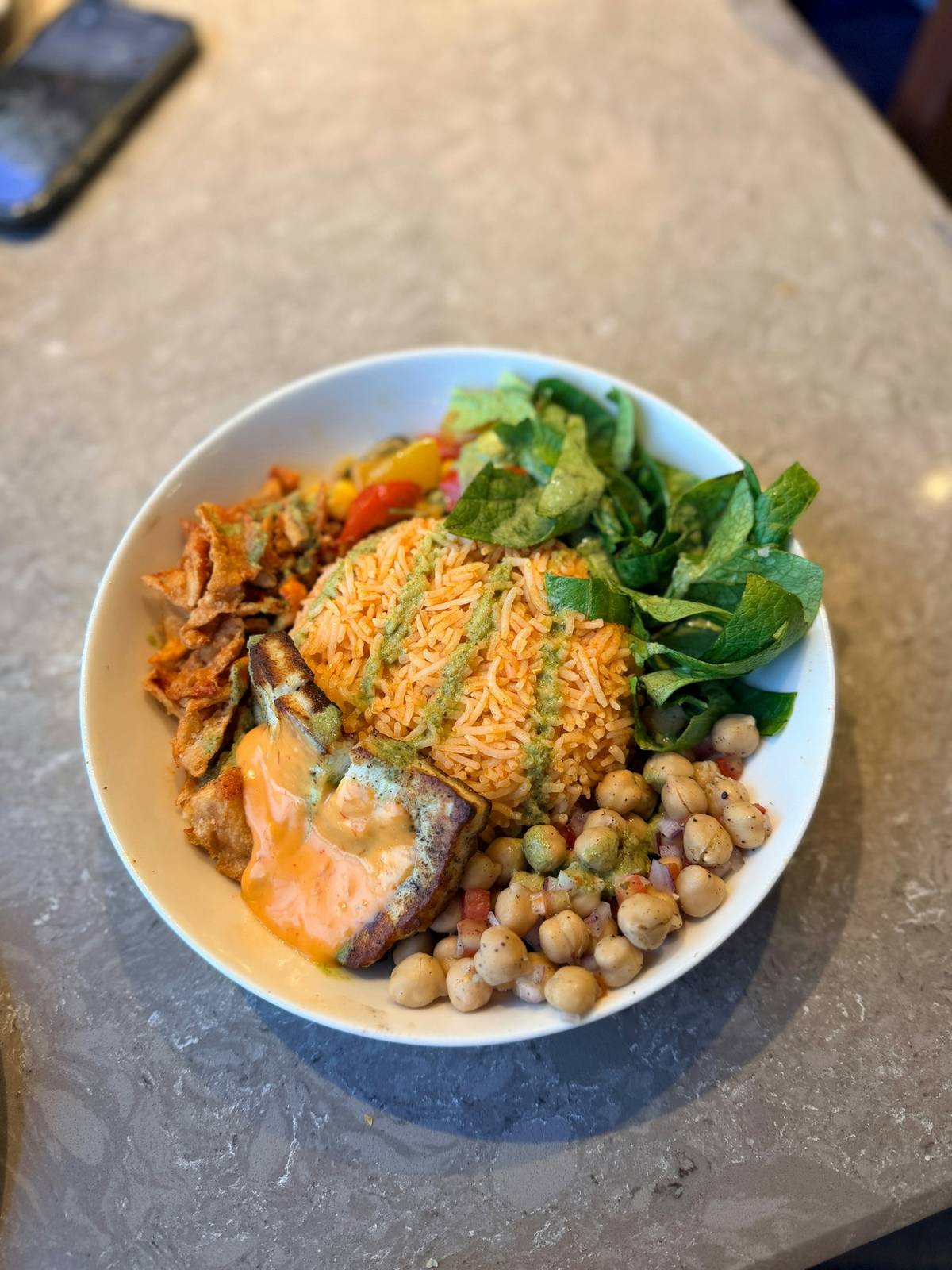
4. Chickpea and brown rice bowl
Combine brown rice with chickpeas, roasted or raw vegetables and a simple dressing. Add herbs, lemon, yoghurt, tahini or another flavouring you enjoy.
Use microwave brown rice and tinned chickpeas if convenience is the difference between making lunch and skipping it.
5. Wholemeal sandwich with a fibre-rich side
A wholemeal sandwich is a useful base, but the filling and sides can improve it further. Add salad vegetables to the sandwich and pair it with fruit, vegetable soup or a small pot of bean salad.
Cheese or chicken can provide protein, while the bread, vegetables and fruit provide the fibre.
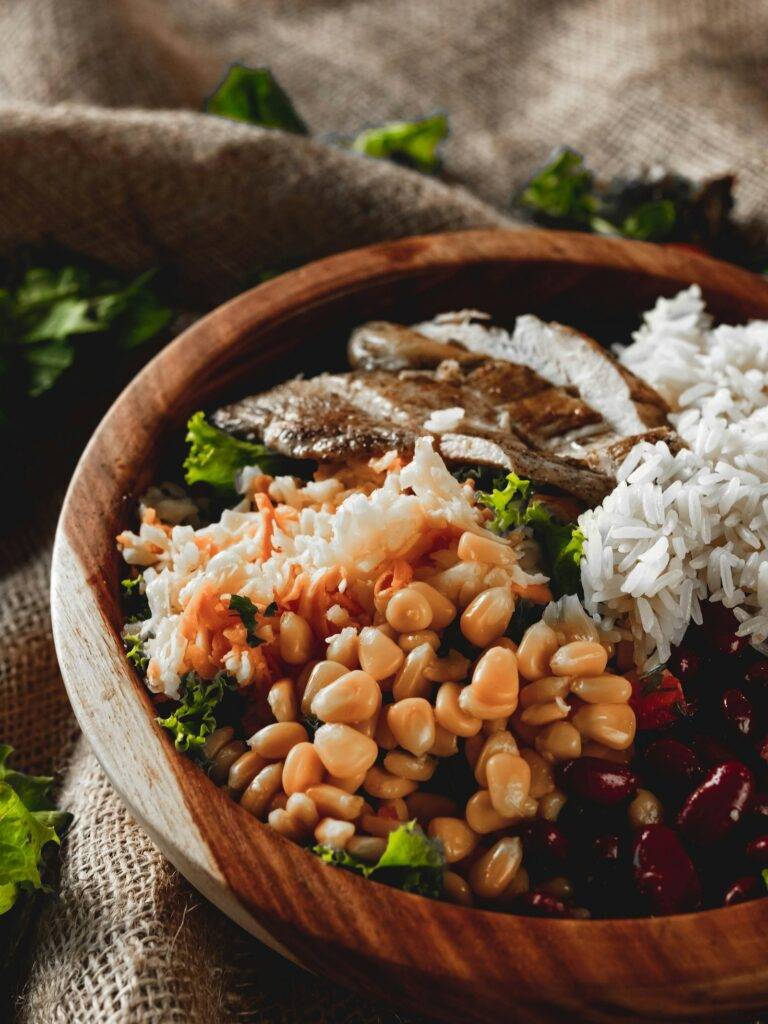
6. Bean and sweetcorn salad
Mix kidney beans, chickpeas or mixed beans with sweetcorn, tomatoes, cucumber, peppers and herbs. Add olive oil and lemon or another dressing.
This works well for packed lunches because it can be prepared the night before and eaten cold.
7. Wholewheat pasta with lentil tomato sauce
Use wholewheat pasta and add lentils to a tomato-based sauce. Include mushrooms, peppers, spinach or other vegetables. This can be eaten hot or turned into a cold pasta salad.
The combination of wholegrain pasta, lentils and vegetables makes it much stronger for fibre than plain white pasta with a low-vegetable sauce.
8. Hummus, wholegrain pitta and crunchy vegetables
Cut wholegrain pitta into wedges and serve with hummus, carrots, cucumber, peppers and tomatoes. Add boiled egg, chicken, tofu or extra chickpeas if you need more protein.
9. Bean chilli leftovers
Leftover bean chilli is an excellent lunch because it reheats well and can be served with brown rice, a skin-on potato or wholegrain bread. Make extra at dinner specifically to create the next day’s lunch.
10. Lentil and roasted vegetable box
Combine cooked lentils with roasted vegetables and a grain such as bulgur wheat, quinoa or brown rice. Add a yoghurt, tahini or olive-oil dressing.
Use frozen roasted vegetable mixes if preparation time is limited.
11. Avocado and bean toast
Top wholemeal toast with mashed avocado and white beans, chickpeas or kidney beans. Add tomatoes, herbs or chilli flakes. This is quick when you are working from home.
12. Jacket potato with lentil bolognese
Use leftover lentil bolognese as a potato topping. It combines pulses, vegetables and a skin-on potato without needing a separate recipe.
13. Vegetable and bean soup
Add cannellini beans, lentils or chickpeas to vegetable soup. Serve with wholegrain bread. This is especially practical in colder months and freezes well.
14. Tuna and bean salad
Mix tuna with cannellini beans, tomatoes, cucumber, red onion and herbs. The tuna contributes protein while the beans and vegetables provide the fibre.
If you do not eat fish, use extra beans, lentils or tofu.
15. Egg and bean lunch plate
Serve boiled eggs with a bean salad, wholegrain crackers and vegetables. This works when you do not want bread or a hot meal.
16. Peanut butter and banana wholemeal sandwich
For a quick sweet lunch, spread peanut butter on wholemeal bread and add banana. Pair it with yoghurt or another protein-rich food if needed. This is compact, inexpensive and portable.
17. Leftover curry with brown rice
A chickpea, lentil or vegetable curry makes an easy next-day lunch. Use brown rice if you enjoy it, or mix brown and white rice while you adjust to the texture.
18. Wholegrain couscous-style salad
Choose a wholegrain or higher-fibre grain product where available and combine it with chickpeas, herbs, chopped vegetables and a dressing. Read labels because different products vary.
High-fibre lunches for work
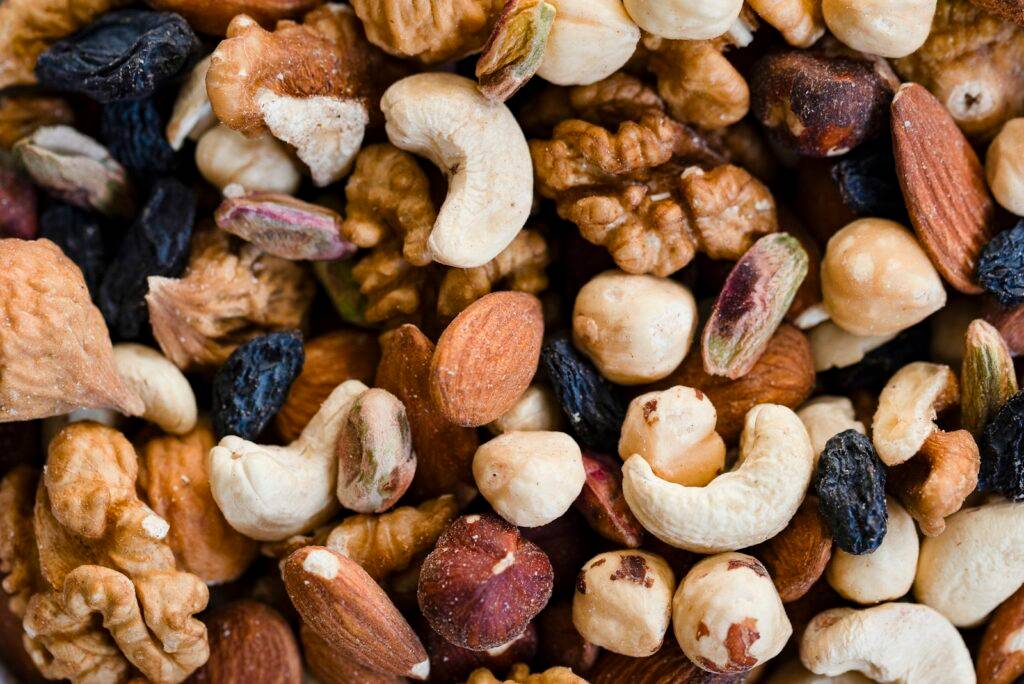
The best work lunch survives transport, refrigeration and your actual schedule. Good options include bean salads, wholemeal wraps, lentil soup in a flask, leftovers in a microwave-safe container, or a wholemeal sandwich with fruit and nuts.
Keep an emergency cupboard lunch such as oatcakes, a tin or pouch of beans, wholegrain crackers or a shelf-stable soup if your workplace setup allows it.
Lunches you can assemble in five minutes
- wholemeal toast with hummus and tomatoes;
- microwave brown rice with tinned chickpeas and frozen vegetables;
- baked potato with beans;
- wholemeal wrap with hummus and bagged salad;
- tinned lentil soup with wholegrain bread;
- wholegrain crackers with bean dip, fruit and yoghurt.
Convenience foods can be useful. The goal is not to cook everything from scratch; it is to make the convenient option nutritionally useful.
How much fibre should lunch provide?
There is no official lunch quota. If you aim for around 30g across the day, a lunch supplying roughly 7 to 10g can make the target easier, but breakfast, dinner and snacks can compensate if one meal is lower.
See our 30g fibre meal plan for a full-day framework.
Use labels rather than marketing words
“Multigrain,” “brown” and “seeded” do not always mean a product is particularly high in fibre. Compare fibre per 100g and per serving on breads, wraps, crackers and ready meals.
Our guide to UK food labels explains the basics.
What about supermarket meal deals?
If you buy lunch, look for wholegrain sandwiches or wraps, bean- or lentil-based salads, vegetable soups and fruit or nuts as sides. A meal deal does not have to be perfect. One higher-fibre component can improve an otherwise average lunch.
Ready-made salads can vary widely in fibre and may contain more dressing than vegetables, so check the label where useful.
Budget-friendly high-fibre lunches
Tinned beans, lentils, chickpeas, potatoes, wholemeal bread, frozen vegetables and leftover rice or pasta are some of the most economical building blocks. Cook once and use the food twice: chilli for dinner can become a baked-potato topping; lentil sauce can become pasta lunch; roasted vegetables can go into a wrap.
Increase fibre gradually
If your current lunches are mostly white bread, refined pasta and low-vegetable foods, do not feel you need to change everything in one day. Switch the bread first, add fruit or vegetables, then introduce beans or lentils.
Increasing fibre gradually and drinking enough fluid can reduce bloating and discomfort.
When high-fibre lunches may not suit you
People with certain digestive conditions, recent bowel surgery or specific clinical diets may need to limit or modify fibre. Follow individual advice if you have been given it.
If you have persistent abdominal pain, blood in your stool, unexplained weight loss or a major change in bowel habit, seek medical advice rather than simply increasing fibre.
What if you are trying to gain weight?
A very bulky high-fibre lunch may be counterproductive if you have a small appetite and need to increase energy intake. In that situation, balance fibre with energy-dense foods and prioritise your clinical or weight-gain goal. Our Healthy Weight Gain guide covers that separate need.
Build three default lunches
You do not need 18 different recipes every month. Choose three defaults: perhaps a wholemeal wrap, lentil soup and a baked potato with beans. Keep the ingredients around and rotate them.
For breakfast options, use our high-fibre breakfast guide. For snack ideas, see high-fibre snacks for adults.
How to make a lower-fibre lunch better without replacing it
You do not have to abandon a lunch you already like. If you usually have a cheese sandwich, switch to wholemeal bread and add salad or fruit. If you have soup, add beans or serve it with wholegrain bread. If you buy pasta, choose a version with vegetables or pulses when available.
One or two upgrades can be enough to move lunch in the right direction. This is often more sustainable than designing a completely new meal from scratch.
Lunch planning when you cook for one
Use ingredients that cross over between meals: a tin of chickpeas can go into a lunch salad and an evening curry; roasted vegetables can fill a wrap one day and accompany dinner the next; cooked lentils can become soup, pasta sauce or a grain bowl. This reduces waste while keeping fibre-rich foods available.
Reviewed: September 2026. General information for UK adults; individual nutrition and fibre needs may vary.