UK food labels can look more complicated than they need to be. A packet may show calories on the front, nutrition per 100g on the back, a suggested portion, traffic-light colours, reference-intake percentages, ingredient lists and several marketing claims at once.
The simplest approach is to use different parts of the label for different jobs. Use the per 100g figures to compare similar products. Use the portion figures to estimate what you are actually eating. Use the traffic lights for a quick view of fat, saturated fat, sugars and salt. Then check the ingredients list when you want to know what the product is mainly made from.
The NHS food labels guide explains that pre-packed foods must provide energy, fat, saturates, carbohydrate, sugars, protein and salt information, usually per 100g or 100ml. Fibre may also be listed.
Start with the per-100g column when comparing products
If you are choosing between two cereals, yoghurts, soups or ready meals, the per-100g figure is the fairest place to start because it puts both products on the same basis.
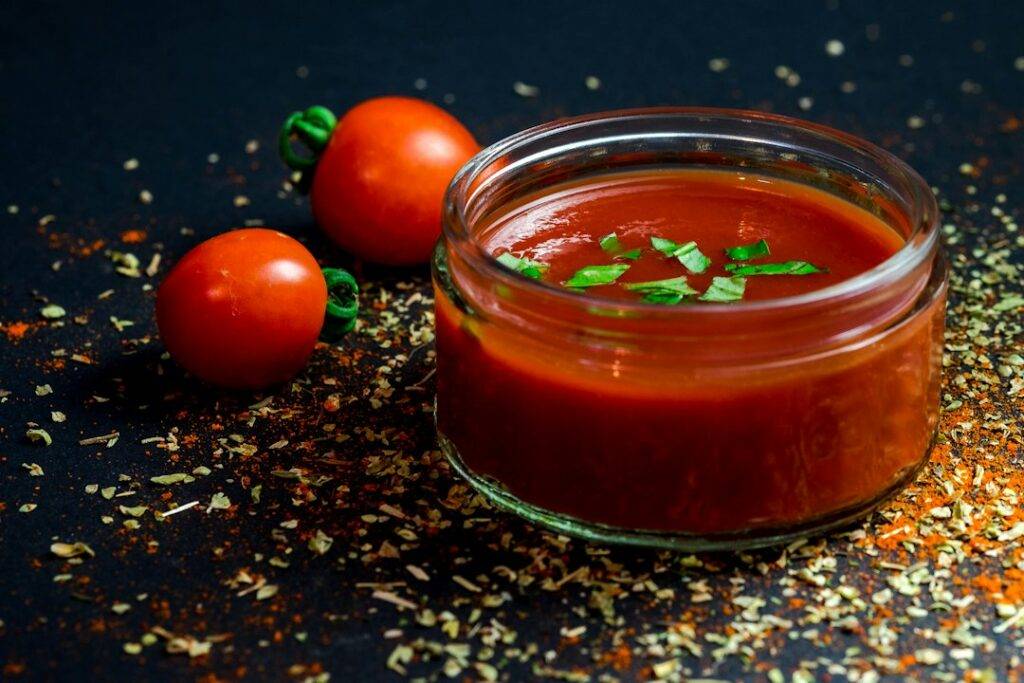
If soup is what you are comparing, BetterCare’s healthy supermarket soup guide shows how salt, protein, fibre and portion size work together.
If ready meals are what you are comparing, see BetterCare’s healthy ready-meals guide and healthy microwave-meals guide for practical examples.
A manufacturer’s “serving” might be 30g while another brand uses 45g. Comparing the portion columns can therefore be misleading. Per 100g removes that difference.
Use the portion column to understand your actual meal
Once you have chosen a product, the portion information becomes useful. It can help estimate the calories, salt, sugar or saturated fat in the amount you are likely to eat.
Do not assume the manufacturer’s suggested portion matches yours. A cereal box may suggest a smaller bowl than you normally serve. A bottle may contain two “servings” even though many people drink the whole bottle.
If the portion on the label is unrealistic for you, adjust mentally rather than pretending that the printed serving is what you eat.
Calories are only one part of the label
Energy is usually shown in kilojoules (kJ) and kilocalories (kcal), commonly called calories.
Calories tell you how much energy the food provides. They do not tell you whether the food contains fibre, protein, vitamins or minerals, and they do not tell you how filling it will be.
Two foods can have similar calories but very different nutritional value. Compare the wider label rather than using calories as the only score.
What do red, amber and green traffic lights mean?
Many UK products use front-of-pack traffic-light labels:
- Green: lower amount.
- Amber: medium amount.
- Red: higher amount.
These colours usually apply to fat, saturated fat, sugars and salt. The NHS says foods with more greens and ambers are generally healthier choices for these nutrients, while foods with reds are best eaten less often or in smaller amounts.
A red label does not make a food “bad.” It tells you that the product is high in that nutrient, so context and frequency matter.
How much fat is high or low?
For foods, NHS guidance classifies total fat as:
- High: more than 17.5g per 100g.
- Low: 3g or less per 100g.
Total fat includes both saturated and unsaturated fats. A food high in total fat may still contain mostly unsaturated fat, so look at the saturates line as well.
How much saturated fat is high or low?
For foods, saturated fat is:
- High: more than 5g per 100g.
- Low: 1.5g or less per 100g.
The NHS recommends reducing saturated fat and choosing unsaturated fats more often. Saturated fat is commonly higher in foods such as butter, pastries, fatty meats, some cheeses and many baked products.
When comparing similar products, the saturates figure can be more informative than the total-fat number alone.
How much sugar is high or low?
For foods, total sugars are:
- High: more than 22.5g per 100g.
- Low: 5g or less per 100g.
Be careful with the wording “total sugars.” The number includes sugars naturally present in foods such as milk and fruit as well as free or added sugars.
That means plain yoghurt may contain some sugars from lactose even when no sugar has been added. The ingredient list can help you understand where the sugars are coming from.
Added sugar can appear under many names
The NHS notes that added sugars may appear in ingredient lists under names such as sucrose, glucose, fructose, maltose, honey, syrup, molasses and fruit juice concentrates.
You do not need to memorise every possible name. If several sugar ingredients appear near the top of the ingredient list, that tells you something about the product.
How much salt is high or low?
For foods, salt is:
- High: more than 1.5g per 100g.
- Low: 0.3g or less per 100g.
Salt can be surprisingly high in foods that do not taste obviously salty, including breads, sauces, soups, ready meals, processed meats and some snacks.
If you eat a product regularly, comparing the salt figures between brands can make a meaningful difference without changing the whole meal.
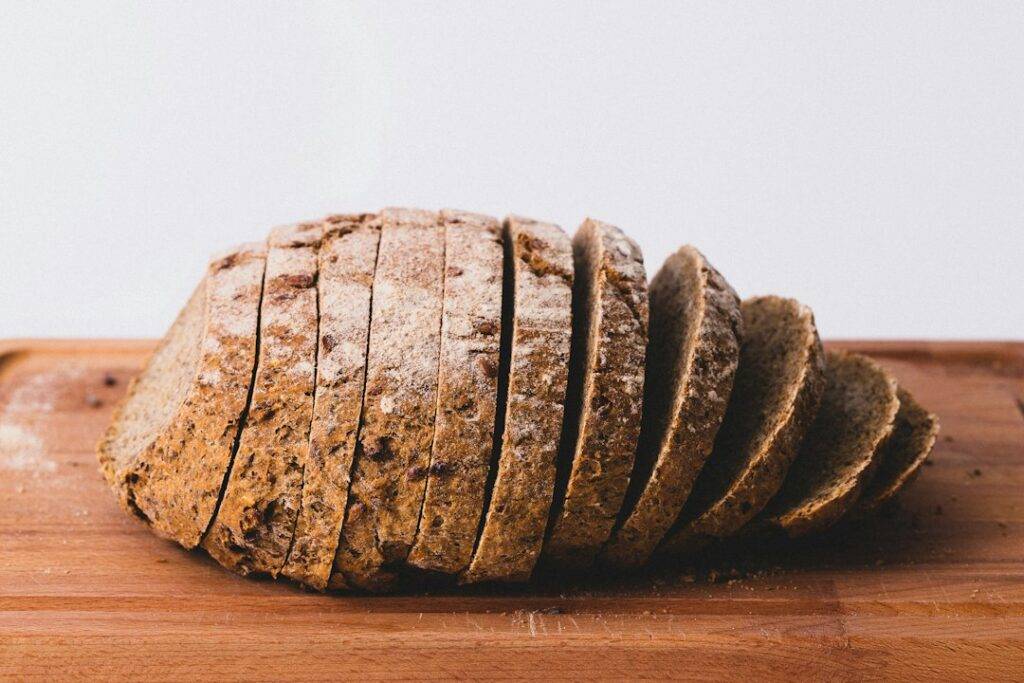
That comparison matters for everyday staples too: BetterCare’s healthy bread guide focuses on fibre and salt, while the pasta sauce guide shows how salt, sugars and saturated fat vary between jars.
Salt and sodium are not the same number
UK labels usually show salt, which is easier for most shoppers. Some older information or imported products may show sodium.
The NHS notes that 1.5g salt per 100g is equivalent to about 0.6g sodium. Do not compare a sodium number directly with a salt number as if they are the same unit.
Where does fibre appear?
Fibre is not always highlighted on the front of the pack, but many products list it in the nutrition panel.
The NHS states that foods with 6g or more of fibre per 100g can be described as high fibre.
When choosing bread, cereal, crackers or pasta, the fibre line is useful. Our high-fibre foods guide shows how to increase fibre across ordinary meals rather than relying on one “fibre” product.
Protein is useful, but more is not always better
Protein appears in the nutrition panel and can help compare foods such as yoghurts, dairy alternatives, bars and ready meals.
A product labelled “high protein” may be useful, but check the rest of the label too. Some protein bars are also high in calories, saturated fat or sweeteners.
Ordinary foods such as eggs, beans, lentils, yoghurt, fish, tofu, meat and nuts can provide protein without special branding.
Read the ingredients in order
Ingredients are listed in descending order by weight. The first ingredient is present in the greatest amount.
If sugar, syrup, cream, butter or oil appears very near the top, that tells you the product contains a substantial amount of it.
The ingredient list can also help you distinguish between similar products that have nearly identical front-of-pack claims.
Allergens should be highlighted
On pre-packed foods, allergens in the ingredients list must be emphasised, commonly in bold.
If you have a food allergy, do not rely on the front of the pack or on a product name. Read the full ingredients and allergen information every time, particularly if a recipe has changed.
“Low fat” does not necessarily mean low calorie
A reduced-fat product must contain less fat than the standard comparison product, but it may still be high in fat overall. The NHS also warns that lower-fat products are not automatically lower in calories because sugar or other ingredients may replace some of the fat.
Compare the calories and sugar as well as the fat.
“No added sugar” does not mean sugar-free
A food can contain naturally occurring sugars even when none has been added. Fruit products and dairy foods are common examples.
Look at the total-sugars line and ingredient list rather than assuming the phrase means zero sugar.
“Natural,” “wholesome” and “made with wholegrains” are not nutrition scores
Marketing language can make a product sound healthier without telling you much about salt, sugar, saturated fat or fibre.
A cereal can contain wholegrains and still be high in sugar. A snack can be “natural” and still be very energy-dense. Use the nutrition panel to check the claim in context.
Compare like with like
Food labels are most useful when comparing similar foods. Compare two breakfast cereals, two soups, two yoghurts or two breads.
Comparing olive oil with yoghurt because one is higher in fat does not make sense. The foods play different roles in the diet.
Ready meals need a whole-meal view
For a ready meal, look at the calories, saturated fat, salt and protein per portion. Then ask what is missing.
Does the meal contain vegetables? Is the portion enough? Would adding a side salad, frozen vegetables or fruit make it more balanced?
Our balanced meal guide can help you judge the whole plate rather than treating the packet as a complete nutrition plan.
Breakfast cereals: fibre and sugar both matter
Cereals are a good example of why one headline claim is not enough.
A cereal may be high in fibre but also high in sugar. Another may be low in sugar but contain very little fibre. Compare both figures and think about what you will add—milk, yoghurt, fruit, nuts or seeds can change the overall meal.
Yoghurts: check protein and sugar
Plain yoghurt will naturally contain some milk sugar. Flavoured products may contain more added sugar.
Compare similar products per 100g. Also check protein if you want a more filling snack or breakfast.
Bread: look beyond colour
Dark bread is not automatically wholegrain. Check the description, fibre line and ingredients.
Wholemeal or wholegrain flour near the top of the list is more informative than how brown the bread looks.
Snack foods: portion sizes can be misleading
A large bag may show nutrition information for a small “portion.” If you usually eat the whole bag, calculate or check the full-pack figures.
Our healthy snacks for adults guide includes more practical ways to choose snacks without trying to make every choice perfect.
Use reference-intake percentages as context, not targets
Some labels show the percentage of an adult reference intake that a portion provides.
This can help show whether one item contributes a large amount of salt, saturated fat or calories. It is not a personalised prescription. Your individual needs can differ based on body size, activity, health conditions and other factors.
Do not judge the whole diet from one red traffic light
Cheese may be high in saturated fat and salt but also provides protein and calcium. Nuts are energy-dense but provide unsaturated fats, protein and fibre.
Food labels are decision tools, not moral ratings. Use them to compare options and understand frequency and portion size.
A 30-second supermarket method
When choosing between two similar packaged foods:
- Compare calories per 100g if energy matters for your goal.
- Compare saturated fat, sugars and salt per 100g.
- Check fibre and protein where relevant.
- Look at the ingredient list.
- Check the portion you actually expect to eat.
You can do this quickly without analysing every nutrient.
When food labels matter more
Labels are especially useful when you buy foods regularly. A small difference in salt or sugar matters more when the food appears every day than when it is an occasional treat.
Focus your comparison effort on staples: bread, cereal, yoghurt, sauces, soups, ready meals and regular snacks.
When individual dietary advice changes the priorities
If you have diabetes, kidney disease, coeliac disease, food allergies, heart failure or another condition that changes your nutritional needs, the most important label fields may be different.
Follow the advice from your clinical team or dietitian rather than generic traffic-light rules when you have a prescribed diet.
The label is there to make comparison easier, not eating stressful
You do not need to memorise every threshold or calculate the exact composition of every meal. Use labels where they help: compare similar products, notice very high salt or saturated fat, choose higher-fibre staples, and understand the portion you are actually eating.
Then step back and look at the whole diet. A balanced pattern of fruit and vegetables, higher-fibre starchy foods, protein foods, dairy or alternatives and appropriate fats matters more than whether every packet is all green.
For the wider BetterCare approach to shopping, meal planning and balanced eating, return to the Everyday Nutrition pillar.
Reviewed: September 2026. General UK food-labelling information; product labelling and individual dietary requirements can vary.