Fresh fruit and vegetables are not automatically “better” than frozen. Both can contribute to a healthy diet, and the most useful choice often depends on cost, convenience, storage space and whether the food will actually be eaten before it spoils.
The NHS confirms that fresh, frozen and canned fruit and vegetables all count towards 5 A Day. An 80g portion of fresh, frozen or canned fruit or vegetables generally counts as one portion.
This guide compares fresh and frozen produce without treating one as universally superior.
Frozen fruit and vegetables still count
Freezing does not stop vegetables and fruit from counting towards 5 A Day. Frozen peas, berries, spinach, broccoli and mixed vegetables can all contribute.
Nutrition differences are usually smaller than people think
Fresh produce can lose nutrients during storage and transport, while frozen produce is often processed relatively soon after harvest. The exact nutrient profile varies by food, processing and storage, but frozen produce is not nutritionally “empty”.
Fresh produce has advantages
Fresh fruit and vegetables can offer better texture for salads, sandwiches and snacks. Tomatoes, cucumber, lettuce, apples and citrus fruit often work best fresh when you want crunch or a raw texture.
Frozen produce has advantages
Frozen vegetables are already washed, cut and portionable. You can use exactly what you need and return the rest to the freezer.
That makes them particularly useful for people cooking for one or trying to reduce waste.
Frozen fruit is useful for breakfasts
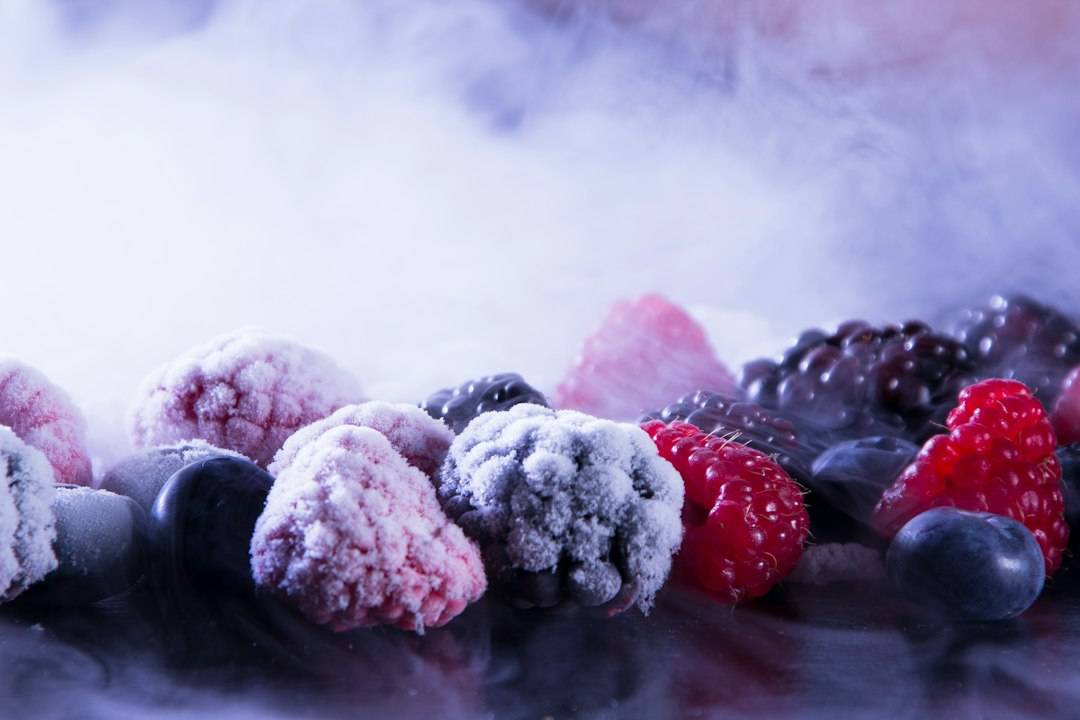
Frozen berries and mango can work in porridge, yoghurt and smoothies. If used in smoothies, remember NHS guidance that fruit juice and smoothies together should be limited to 150ml per day because blending releases sugars.
Frozen vegetables are useful for quick meals
Peas, spinach, broccoli, mixed vegetables and peppers can be added directly to soups, curries, rice dishes, pasta and microwave meals.
BetterCare’s healthy microwave meals guide uses frozen vegetables as a practical meal upgrade.
Cost: frozen can reduce hidden waste
Fresh broccoli may be cheaper per pack, but if half is thrown away the effective cost is higher. Frozen vegetables can be more economical when your schedule is unpredictable or you cook small portions.
Fresh can still be better value for foods you use quickly
If you eat bananas, apples, carrots or salad vegetables every day, fresh may be cheaper and more convenient than frozen alternatives.
Look at added ingredients
Plain frozen fruit and vegetables are simple. Some frozen products include sauces, butter, salt or sugar. Check the label if you are buying seasoned or prepared versions.
Frozen fruit with added sugar
Most plain frozen fruit contains no added sugar, but dessert-style frozen fruit mixes can. Check the ingredients list if the product is sweetened or syrup-coated.
Frozen vegetables with sauces
Cheese sauces, butter sauces and seasoned mixes may add salt and saturated fat. That does not make them unusable, but they are different from plain frozen vegetables.
What about canned fruit and vegetables?
Canned versions also count towards 5 A Day. The NHS recommends choosing fruit in natural juice or water and vegetables without added salt where possible.
BetterCare’s healthy tinned foods guide covers that option separately.
Fresh produce and food waste
The biggest weakness of fresh produce is perishability. If lettuce, berries or herbs regularly spoil before you use them, buying less fresh food and keeping frozen backups may be more realistic.
Frozen produce and freezer management
Frozen food only reduces waste if you know what is in the freezer. Keep opened bags sealed, label repacked food and use older items first.
BetterCare’s food-storage guide includes a simple freezer-inventory system.
Can you roast frozen vegetables?
Yes. Many frozen vegetables can be roasted, although they may release more moisture than fresh versions. Use a hot tray and avoid overcrowding.
Can you steam frozen vegetables?
Yes. Steaming or microwaving is a simple way to cook frozen vegetables while keeping preparation time low.
Can you eat frozen fruit without cooking?
Follow the package instructions. Some frozen fruit may carry instructions to cook before eating, depending on the product and food-safety guidance. Do not assume all frozen fruit is intended to be eaten straight from the freezer.
Fresh versus frozen for salads
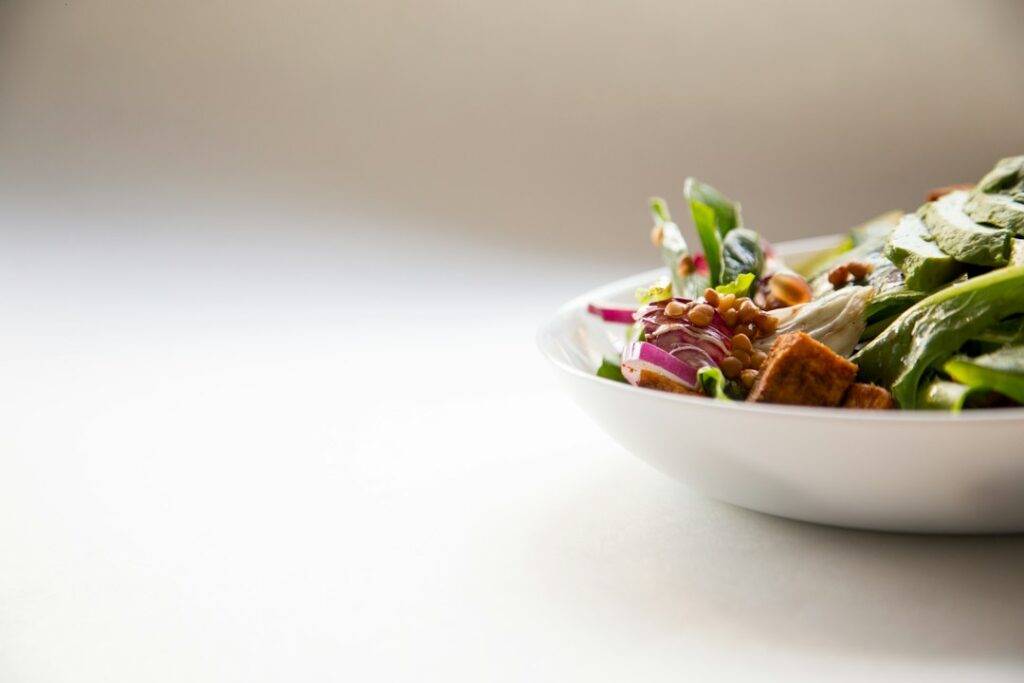
Fresh usually works better for lettuce, cucumber, raw peppers, tomatoes and crisp salads. Frozen vegetables are more suitable for cooked dishes.
Fresh versus frozen for soups
Frozen vegetables work extremely well in soups because texture differences matter less once the food is cooked.
BetterCare’s supermarket soup guide explains how to compare ready-made soup when you are not cooking your own.
Fresh versus frozen for smoothies
Frozen fruit gives smoothies thickness without ice. Keep portion size sensible and remember that smoothies count differently from whole fruit under NHS 5 A Day guidance.
Fresh versus frozen when cooking for one
Frozen vegetables can be particularly useful because you can pour out one portion. Fresh vegetables can still work well if you choose longer-lasting options such as carrots, cabbage, onions and apples.
A balanced weekly approach
You do not have to choose one camp. A useful kitchen might contain fresh fruit for snacks, fresh salad vegetables, frozen peas and spinach, and frozen berries for breakfast.
How to shop more efficiently
Buy fresh produce for meals you know you will cook in the next few days. Use frozen produce for backup meals and weeks when plans may change.
BetterCare’s grocery shopping for one guide uses this exact fresh-plus-frozen strategy.
What if you are trying to eat more fibre?
Both fresh and frozen fruit and vegetables contribute fibre. Beans, pulses and wholegrains also matter.
BetterCare’s high-fibre foods guide gives a broader picture.
What if you dislike frozen vegetable texture?
Use them in dishes where texture matters less: soups, curries, pasta sauces, omelettes and casseroles. Keep fresh produce for salads and sides.
What if fresh produce is expensive?
Compare price per usable portion rather than pack price. Frozen vegetables can be good value when they prevent waste.
The main rule: choose the form you will actually eat
Fresh and frozen fruit and vegetables can both support a healthy diet. The better choice is the one that fits the meal, budget, storage and your likelihood of eating it.
A mixed approach often gives the best balance of texture, convenience and low waste.
Frozen versus fresh for nutrient retention
There is no single winner for every vitamin or mineral. Nutrient levels change with storage time, cooking and processing. Fresh produce may spend days in transport and at home, while frozen produce is often frozen soon after harvest. The practical message is that both can be valuable.
Frozen versus fresh for cooking speed
Frozen vegetables often win on convenience because washing and chopping have already been done. Fresh vegetables may take longer but can offer better texture for dishes where crispness matters.
Frozen versus fresh for meal planning
Use fresh produce early in the week and frozen produce later. This reduces the pressure to finish every perishable item before it spoils and makes weekly shopping more forgiving.
What frozen products are especially useful?
Peas, spinach, berries, broccoli, mixed vegetables, peppers and sweetcorn are especially practical because you can use a small amount at a time.
What fresh produce tends to keep well?
Apples, oranges, carrots, cabbage, onions and some root vegetables often keep longer than delicate berries, herbs or salad leaves. Mixing longer-lasting fresh produce with frozen backups can reduce waste.
How to compare cost fairly
Compare usable portions, not only shelf price. A fresh bag that is half wasted may cost more per eaten portion than a frozen bag that is fully used.
What about texture after freezing?
Water in plant cells expands during freezing, so some foods soften after thawing. That matters less in soup, curry, porridge or smoothies than in a salad.
A simple weekly mix
Keep fresh fruit for snacks, fresh salad vegetables for texture, frozen peas or spinach for cooking, and frozen berries for breakfast. This covers convenience and variety without forcing a fresh-versus-frozen choice.
When fresh may be the better choice
If you enjoy raw produce, shop frequently and rarely waste food, fresh may suit you best. The point is not to replace fresh food but to use frozen food where it genuinely makes eating well easier.
When frozen may be the better choice
If plans change often, you live alone, have limited energy for preparation or routinely throw away produce, frozen can be the more realistic option.
How to use frozen produce without making meals watery
For stir-fries, roasting and pasta dishes, cook frozen vegetables long enough for excess moisture to evaporate. For soups and curries, the extra water usually matters less. Frozen spinach can be squeezed after thawing if a recipe needs less moisture.
How to portion frozen fruit and vegetables
Use a bowl, mug or kitchen scale if you want consistent portions, but you do not need to measure every serving. The practical advantage is that you can pour out only what you need and reseal the rest.
What to buy fresh and what to buy frozen on a budget
Buy fresh versions of foods you eat raw and quickly, such as apples, carrots and salad vegetables. Keep frozen versions of foods that often spoil before you finish them, such as berries, spinach or mixed vegetables.
A low-waste shopping example
A one-person shop might include fresh apples, carrots and tomatoes plus frozen berries, peas and spinach. That combination gives variety without relying on five different short-life vegetables.
Reviewed: September 2026. General UK nutrition information based on current NHS 5 A Day guidance.