Supermarket soup can be a useful quick meal, but “soup” does not automatically mean low-salt, high-fibre or filling. Some soups are mostly vegetables and pulses; others are dominated by cream, salt or a relatively small serving size.
The NHS warns that ready-made soups can contain a lot of salt and recommends checking labels and choosing lower-salt options where possible.
This guide explains how to compare supermarket soups, what to add when the meal is too small, and how to avoid judging soup by calories alone.
Start with salt
Salt is one of the biggest differences between supermarket soups. Compare similar products using the per-100g label and the portion figure.
BetterCare’s UK food-label guide explains traffic-light colours and per-100g comparisons.
Look for vegetables or pulses near the top of the ingredients list
Ingredients are listed by weight. If vegetables, beans or lentils appear high in the list, the soup is more likely to contain meaningful amounts rather than token pieces.
Protein helps soup feel like a meal
Bean, lentil, chicken and fish soups may provide more protein than a simple broth or tomato soup. If protein is low, add yoghurt, beans, wholegrain toast with hummus, or another suitable side.
Fibre matters too
Soups made with beans, lentils, barley and plenty of vegetables tend to provide more fibre than smooth cream-based soups.
Calories are not the only measure
A very light soup may be fine as a starter but disappointing as lunch. If the portion is only 150–200 calories and you need a full meal, add bread, protein and fruit rather than assuming the lowest-calorie soup is always best.
Compare chilled, canned and carton soups
The packaging format does not determine nutrition. Compare labels between similar flavours and serving sizes.
Tomato soup
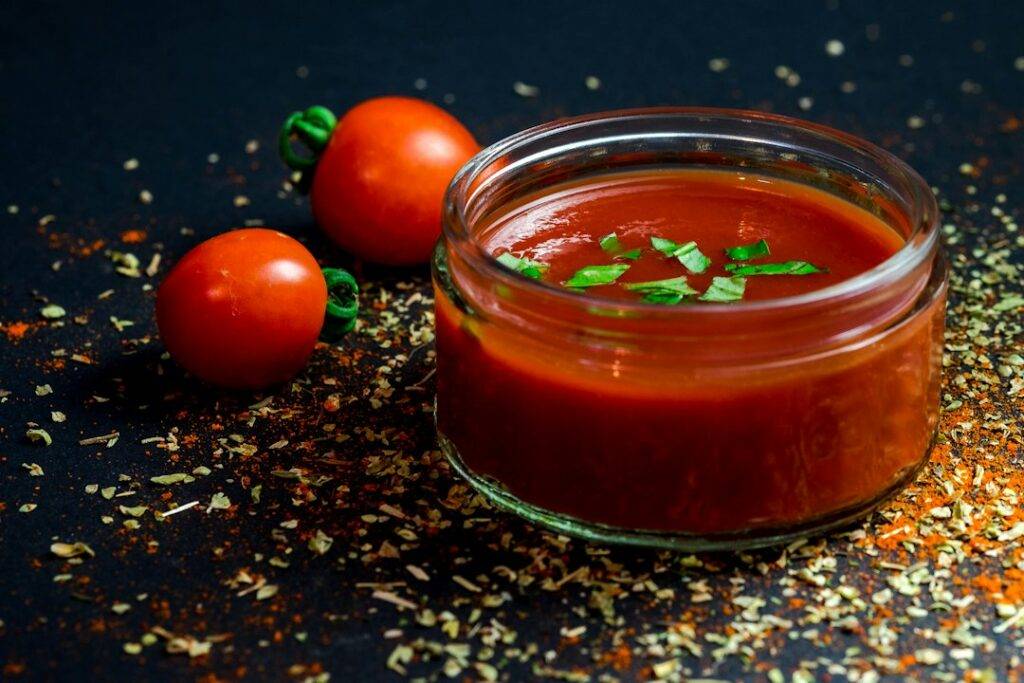
Tomato soup can be useful, but salt and added sugar vary. Compare brands and check whether the soup contains much actual tomato and vegetables.
Chicken soup
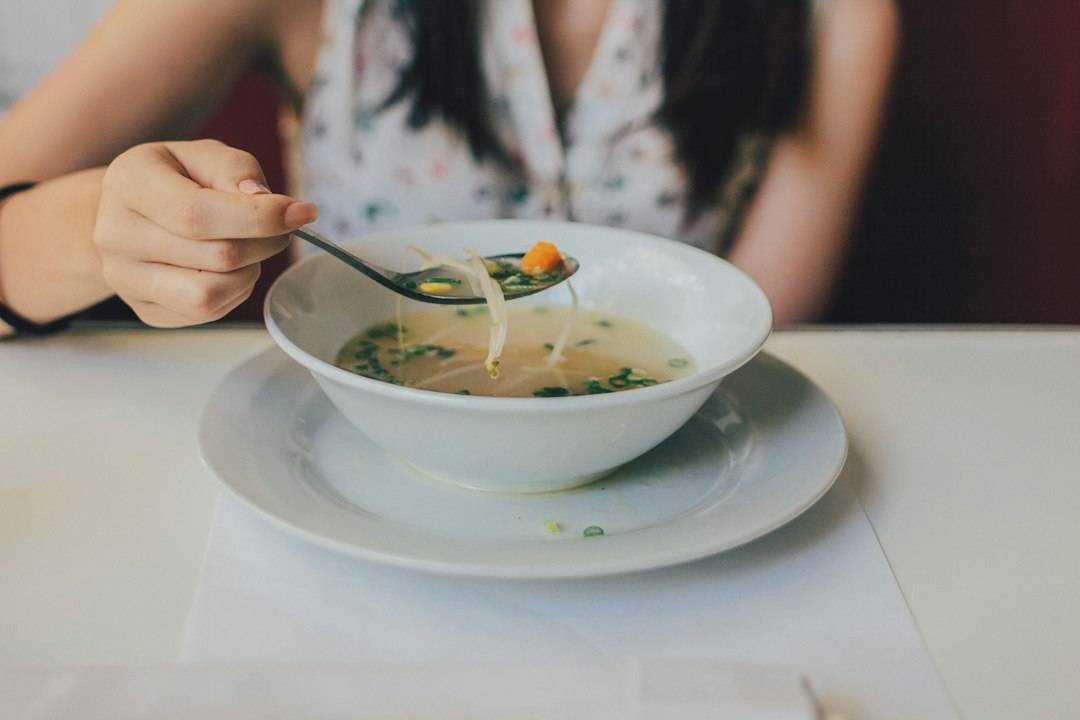
Chicken soup may be light or substantial depending on chicken content, noodles, vegetables and portion size. Check protein and salt.
Lentil soup
Lentil soup is often a useful higher-fibre, higher-protein option. Salt still varies, so labels matter.
Vegetable soup
A vegetable label does not guarantee a large vegetable portion. Use the ingredients list and check whether beans or lentils are included.
Creamy soups
Cream, cheese and coconut milk can increase saturated fat. That does not mean you need to avoid creamy soup completely, but compare similar products if you eat them regularly.
What to add to soup
- wholegrain bread or pitta;
- a side salad;
- fruit;
- plain yoghurt;
- an egg;
- beans or lentils;
- hummus or cottage cheese on toast.
Soup and 5 A Day
Vegetables in soup can contribute towards 5 A Day. Portion size matters, and a soup containing vegetables does not automatically provide a full portion.
BetterCare’s 5 A Day guide explains what counts as a portion.
Soup for work lunches
Keep chilled soup refrigerated during transport and at work. Reheat according to the packaging instructions and make sure it is hot throughout.
Soup after opening
Follow “use within X days of opening” instructions and refrigerate promptly. If the soup came from a can, transfer leftovers to another container after opening.
BetterCare’s healthy tinned foods guide covers opened cans.
Soup and ready-meal labels
Use the same label logic as any other prepared food: compare similar products, look at salt and saturated fat, and consider whether the meal provides enough protein and vegetables.
BetterCare’s healthy ready meals guide uses the same framework.
Low-salt soup does not have to be bland
Herbs, black pepper, garlic, chilli and lemon can add flavour without relying on extra salt.
A quick soup upgrade
Add a handful of frozen peas or spinach while heating, then serve with wholegrain toast and yoghurt.
Another quick soup upgrade
Add half a tin of lentils or beans to tomato or vegetable soup to raise protein and fibre.
Soup for one person
Single-serve cartons reduce leftovers, but larger cartons may be cheaper. If you buy a larger pack, plan the second portion for lunch the next day or freeze it if the instructions allow.
Soup and food waste
Soup can be a useful way to use vegetables that are still safe but losing texture. Homemade soup is especially useful for carrots, leeks, potatoes and greens.
What about instant cup soups?
Instant soups can be convenient but are often high in salt and low in vegetables or protein. Treat them as a light snack unless you add more substantial sides.
What about “protein soup” products?
Check the actual protein figure and the salt. Marketing words do not replace the label.
What if you need to gain weight?
A low-calorie soup can fill the stomach without providing much energy. If you are trying to gain weight with a small appetite, add bread, cheese, yoghurt or another energy-dense side.
BetterCare’s food-fortification guide covers that separate goal.
A quick supermarket soup checklist
- Compare salt.
- Check portion size.
- Look for vegetables or pulses.
- Check protein.
- Consider fibre.
- Add a side if it is too small.
The main goal: make soup a real meal when you need one
Supermarket soup can be a convenient lunch or dinner. Choose lower-salt options where practical, look for vegetables and pulses, and add a protein-rich or wholegrain side when needed.
A useful soup is one that fits your appetite, budget and overall diet rather than simply having the lowest calorie number.
How to compare two soups in under a minute
Check the portion size first, then salt, protein and fibre. If both soups are similar in size, choose the one with less salt and more protein or pulses where that suits your needs.
What counts as a filling soup?
A more complete soup usually contains pulses, chicken, fish, barley, potatoes or another substantial ingredient rather than mostly broth. A light vegetable soup can still work, but it may need bread, yoghurt or another side.
Soup and wholegrain sides
Wholegrain bread, pitta or crackers can add fibre and make a small soup more satisfying. If the soup is already high in salt, choose a lower-salt side.
Soup as a low-waste meal
Soup is useful for using small amounts of vegetables, beans and grains. Homemade soup can turn half-used ingredients into a planned meal before they become waste.
How to store opened soup safely
Follow the package instructions. Chilled soup often has a short open life. If soup comes from a can, transfer leftovers to another container after opening rather than storing them in the open can.
What about restaurant-style supermarket soups?
Premium packaging does not guarantee better nutrition. Compare the same label fields you would use for own-brand soup: salt, saturated fat, protein, vegetables and portion size.
Soup for a quick evening meal
Pair lentil or vegetable soup with wholegrain toast and an egg, hummus or cottage cheese. Add fruit afterwards if you want a simple complete meal.
Soup for a small appetite
Soup can fill the stomach quickly. If you are trying to gain weight, choose a more substantial soup and add bread, cheese, yoghurt or another energy-dense side rather than relying on a thin broth.
When instant soup is useful
Instant soup can be a backup, but it is often high in salt and low in protein. Treat it as a base or snack and add more substantial foods when possible.
A practical supermarket rule
Do not chase the “healthiest” soup in the entire aisle. Compare two or three similar products, choose a sensible option and make the meal better with sides you already have.
How to compare soup portions fairly
A 300g serving and a 600g carton are not directly comparable without checking the portion figures. A product can look lower in salt or calories simply because the labelled serving is smaller.
Soup and protein at lunch
If soup contains little protein, add a boiled egg, beans, yoghurt, cottage cheese, hummus or chicken depending on the meal. This can make the lunch more satisfying without needing a much larger soup portion.
Soup and fibre
Bean, lentil and barley soups often provide more fibre than smooth cream soups. You can also add vegetables or wholegrain bread to raise fibre across the meal.
How to use soup in a weekly meal plan
Keep one soup for a quick lunch, one freezer portion of homemade soup, and one backup tin or carton. This gives convenience without relying on soup for every meal.
When homemade soup may be the better option
If you regularly have vegetables that need using, homemade soup can be cheaper and lower waste. You also control salt more easily. Supermarket soup remains useful when time and energy are limited.
What to pair with soup when you need more energy
Add bread, cheese, yoghurt, a baked potato or another substantial side. This is especially important if a very light soup leaves you hungry soon afterwards.
One final supermarket shortcut
If you regularly buy the same soup style, compare two or three brands once and remember the option you prefer. You do not need to repeat a full label audit every shopping trip. A consistent sensible choice is more practical than chasing a perfect product each week.
Reviewed: September 2026. General UK nutrition information based on current NHS salt and food-label guidance.