When appetite is poor, simply serving a bigger plate often does not work. The person may feel full after a few mouthfuls, get tired before finishing, or lose interest in food because eating has become hard work. Food fortification takes a different approach: instead of making the portion larger, it makes the food already being eaten more energy- and protein-dense.
This is often called a “food first” approach. NHS dietetic services use it for people who are losing weight unintentionally, recovering from illness, or struggling to meet their nutritional needs because appetite is small. East Sussex Healthcare NHS Trust explains that fortification may be recommended when someone has a small appetite, difficulties with eating, or unplanned weight loss. See its food and drink fortification guidance.
Fortification is not the same as adding random calories to everything. The useful version is deliberate: add ingredients that increase energy and, where possible, protein without making the meal much larger. If weight loss is unexplained or continuing, you should still speak to an appropriate healthcare professional rather than relying only on extra calories.
What does “fortifying food” actually mean?
Fortifying food means adding a small amount of another ingredient so each mouthful gives you more. That might mean stirring cheese into mashed potato, adding milk powder to porridge, mixing nut butter into yoghurt, adding olive oil to soup, or using fortified milk in cereal and drinks.
The key benefit is volume. Someone with a normal appetite may simply eat a larger serving. Someone with a small appetite may not be able to. Fortification lets the same bowl, mug or plate do more work.
Cambridge University Hospitals describes the principle in its food fortification guidance: extra energy can be added without increasing the amount of food or drink, while still choosing nutrient-rich sources where possible.
Start with foods you already eat
The easiest fortification plan is usually built around familiar meals. You do not need a separate “weight gain diet” full of specialist products. Look at breakfast, lunch, dinner and snacks and ask one practical question: what could be added here without making the portion harder to finish?
If breakfast is porridge, you might use milk instead of water and add yoghurt or nut butter. If lunch is soup, you might add cheese, cream, olive oil or milk powder where suitable. If dinner is mashed potato, you might use butter, cheese or fortified milk. If snacks are crackers, add a spread rather than eating them plain.
This approach also fits naturally with our small-appetite weight-gain guide, which focuses on keeping portions manageable.
Fortify breakfast without doubling the bowl
Breakfast is an easy place to begin because many everyday foods accept additions well.
Porridge
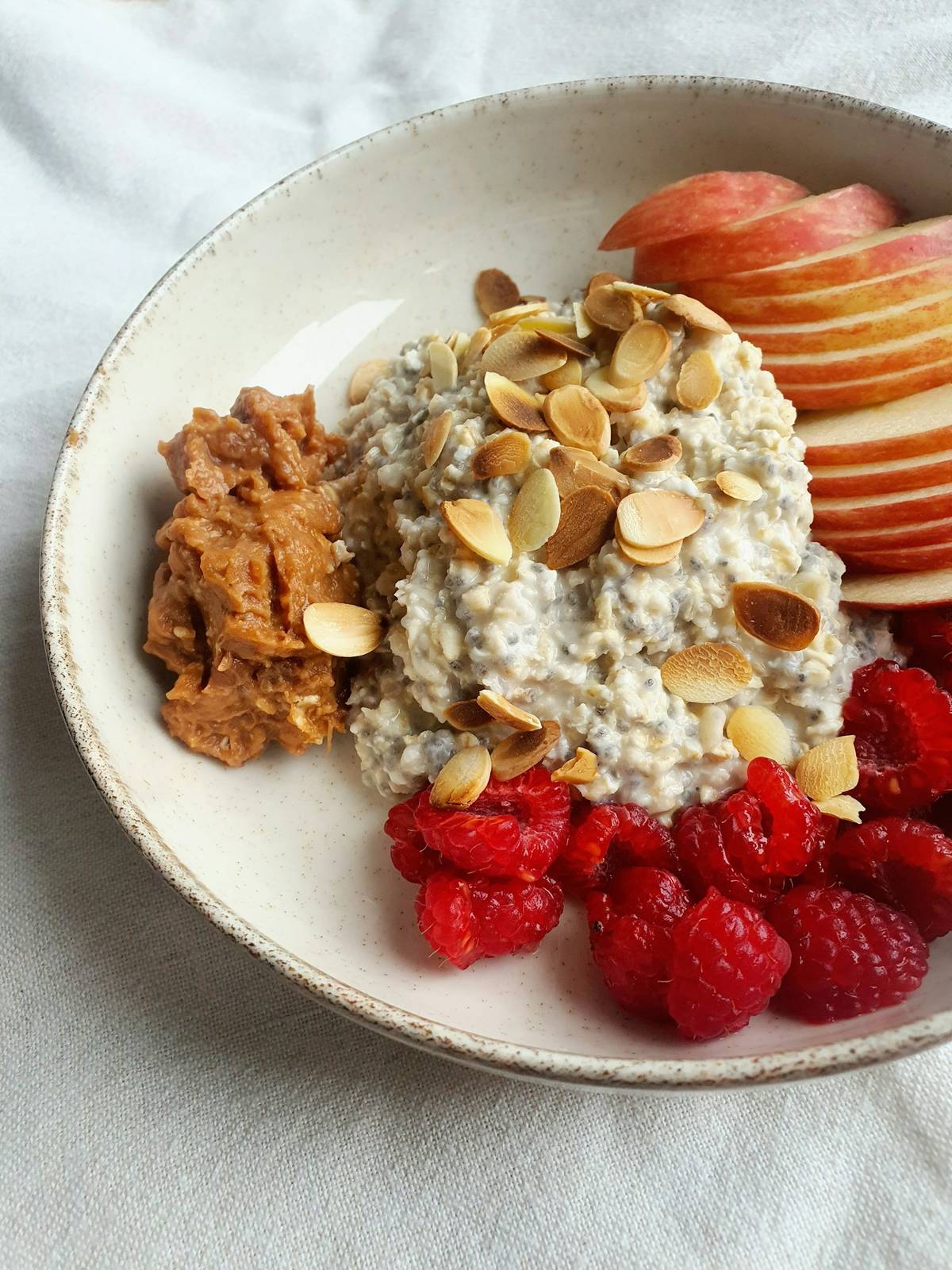
Make it with milk or a suitable higher-energy fortified alternative. Stir in milk powder, full-fat yoghurt, nut butter, ground nuts, seeds, cream or dried fruit depending on what suits you. The point is not to add every option at once. One or two additions can make a meaningful difference without making breakfast overwhelming.
Cereal
Use milk rather than a low-energy drink. Add yoghurt, chopped nuts, seeds or dried fruit if the texture suits you. If very high-fibre cereal makes you full too quickly, a less bulky option may be easier while appetite is poor.
Toast
Plain toast does not offer much protein. Add peanut butter, cheese, cream cheese, avocado, egg, hummus or another substantial topping. If you prefer something sweet, nut butter with jam or banana can make a small portion more useful.
For more breakfast combinations, see our high-protein breakfast ideas for healthy weight gain.
Fortify soups and light lunches
Soup is easy to eat but can vary enormously in how filling and nourishing it is. A thin broth may hydrate you without providing enough energy for someone trying to regain weight.
Depending on the recipe, you can add grated cheese, cream, full-fat yoghurt, milk powder, olive oil, pulses, ground nuts or nut butter. Serve soup with buttered bread, cheese on toast or another substantial side rather than treating the soup as the whole meal.
Sandwiches can be fortified by using generous fillings and spreads. Instead of a thin slice of ham alone, add cheese, mayonnaise, avocado, egg, hummus or another suitable filling. The same principle works with pittas, wraps and bagels.
Make potatoes, rice and pasta work harder
Starchy foods are useful bases because they can carry extra energy and protein without becoming much larger.
- Add butter, olive oil, cheese, cream cheese or fortified milk to mashed potato.
- Mix grated cheese, pesto, olive oil or a creamy sauce into pasta.
- Add oil, avocado, egg, tofu, beans or a suitable sauce to rice dishes.
- Use cheese or yoghurt-based sauces with baked potatoes.
If a full dinner feels too much, make a smaller serving more substantial rather than forcing yourself through a large plate.
Add protein where it fits naturally
Fortification should not become purely about fat or sugar. Protein is particularly useful when someone is recovering from illness, trying to maintain muscle, or eating very little overall.
Practical additions include cheese, yoghurt, milk powder, eggs, beans, lentils, tofu, fish, meat, nut butter and ground nuts where appropriate. You do not need every meal to be “high protein,” but spreading protein through the day is often easier than trying to catch up at dinner.
Our seven-day healthy weight-gain meal plan shows how protein and energy can be spread across meals and snacks.
How to use fortified milk
Fortified milk is a common NHS dietetic strategy. One typical method is to mix skimmed milk powder into full-fat milk, then use that milk in drinks, porridge, cereal, sauces, custard or puddings. Exact recipes differ between services, so use the instructions from your dietitian or a current NHS leaflet rather than assuming one formula suits everyone.
Royal Free London includes fortified milk in its small-appetite advice, along with practical suggestions for adding dairy products, cream, nut butters and other ingredients to ordinary foods.
If you cannot use dairy, choose a plant drink that is fortified with relevant vitamins and minerals and compare its protein and energy content. Soya-based drinks are often more protein-rich than many nut drinks, but always check the label.
Fortification for snacks
Snacks are useful when large meals are difficult. A plain biscuit or piece of fruit may not be enough on its own if you are trying to regain weight. Pairing or topping foods can make the snack more substantial.
- Crackers with cheese, hummus or peanut butter
- Yoghurt with nuts, granola or nut butter
- Banana with peanut butter
- Toast with cheese and avocado
- Fruit with custard or yoghurt
- Oatcakes with cream cheese
- Small pudding with milk or yoghurt
See the BetterCare snack guide for more compact ideas.
Fortification does not mean making every food ultra-processed
It is possible to increase energy using ordinary foods. Olive oil, avocado, nuts, seeds, nut butter, dairy foods, eggs, beans and hummus can all increase the nutritional value of a meal.
There may also be a place for convenience foods when energy is low. Recovery nutrition is not a purity contest. If ready-made soup, frozen meals, instant porridge or shop-bought puddings help you eat consistently, they can be useful. The wider pattern matters more than whether every item is cooked from scratch.
Do not fortify food in a way that makes it less appealing
A technically “better” meal is not helpful if the person dislikes it and eats less. Too much cream can make food greasy. Too much milk powder can change texture. Too much nut butter can make a smoothie heavy.
Add small amounts, taste the food, and notice what is tolerated. If you are cooking for someone else, ask what they actually enjoy rather than assuming more calories is always better.
Use nourishing drinks as a separate tool
Fortifying food and using nourishing drinks are related but not identical strategies. Food fortification improves meals and snacks. Nourishing drinks create another opportunity between meals.
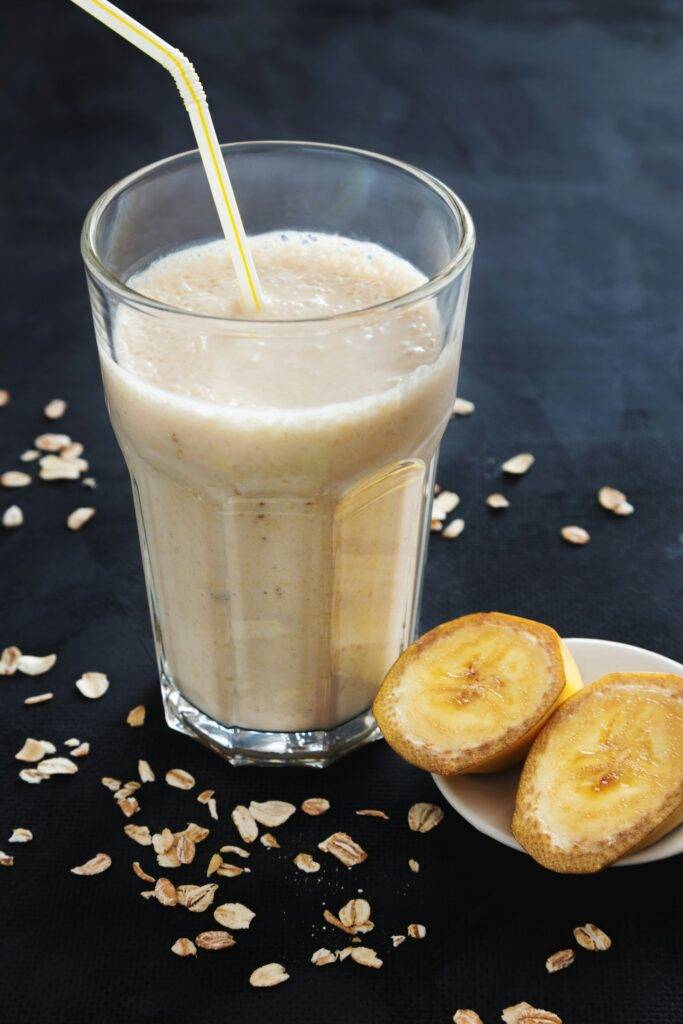
If chewing is tiring or appetite is very small, a milkshake, yoghurt drink, milky coffee or smoothie may be easier than another snack. Our nourishing drinks guide shows how to use drinks without spoiling appetite for meals.
A practical day of fortified food
Here is one example of how the principle can look in ordinary meals:
- Breakfast: porridge made with milk, stirred with nut butter and topped with yoghurt.
- Mid-morning: milky coffee and a small snack.
- Lunch: creamy soup with grated cheese plus buttered bread.
- Afternoon: yoghurt with granola and nuts.
- Dinner: mashed potato made with fortified milk and cheese, served with fish, chicken, beans or tofu and vegetables.
- Evening: custard, rice pudding or a small nourishing drink.
This is only an example. Your appetite, culture, budget, dietary needs and health conditions should shape the actual foods you choose.
Budget-friendly fortification
Fortification does not require expensive supplements. Own-brand peanut butter, full-fat milk, milk powder, grated cheese, eggs, tinned beans, vegetable oil, oats and yoghurt can all be relatively economical additions.
If cost is the main barrier, our healthy weight gain on a budget guide gives a fuller shopping strategy.
If you are recovering after hospital
After illness or a hospital stay, appetite may take time to return. Food fortification can help because it reduces the pressure to eat large meals. Keep preparation simple, use foods you already tolerate, and build a small set of easy meals rather than trying to overhaul everything at once.
Our recovery weight-gain guide covers the wider picture, including fatigue, shopping, meal support and when ongoing weight loss needs professional review.
When fortification needs professional input
Some people should not follow generic high-energy advice without individual guidance. That includes people with conditions where fluid, protein, potassium, phosphate, fat, sugar or other nutrients may need to be managed carefully.
Seek advice if you have kidney disease, heart failure with a fluid restriction, diabetes that is difficult to control, significant digestive disease, swallowing problems, severe food allergies, or a history of an eating disorder. The same applies if your weight is falling quickly or you are becoming weak.
Fortification should support a clinical plan when one is needed, not replace it.
How long should you keep fortifying food?
The answer depends on why you started. If your appetite returns and your weight stabilises, you may no longer need the same level of fortification. If you are still losing weight after several weeks, the answer is not necessarily “add more.” It may be time to reassess the cause, your intake, and whether more specialist support is needed.
Keep track of changes in appetite, weight if appropriate, strength and how much you are actually managing to eat. If you have a dietitian or clinical team, follow their review plan.
Make the smallest useful change first
You do not need to fortify every meal on day one. Pick one meal that is easy to improve. Add milk to porridge. Add cheese to soup. Add nut butter to yoghurt. Then see whether the change is manageable.
Small repeatable improvements usually work better than a highly complicated plan that lasts three days.
For the broader strategy around gradual weight gain, meals, snacks, appetite and recovery, return to BetterCare’s Healthy Weight Gain pillar.
Reviewed: September 2026. General UK information; individual dietary needs vary.