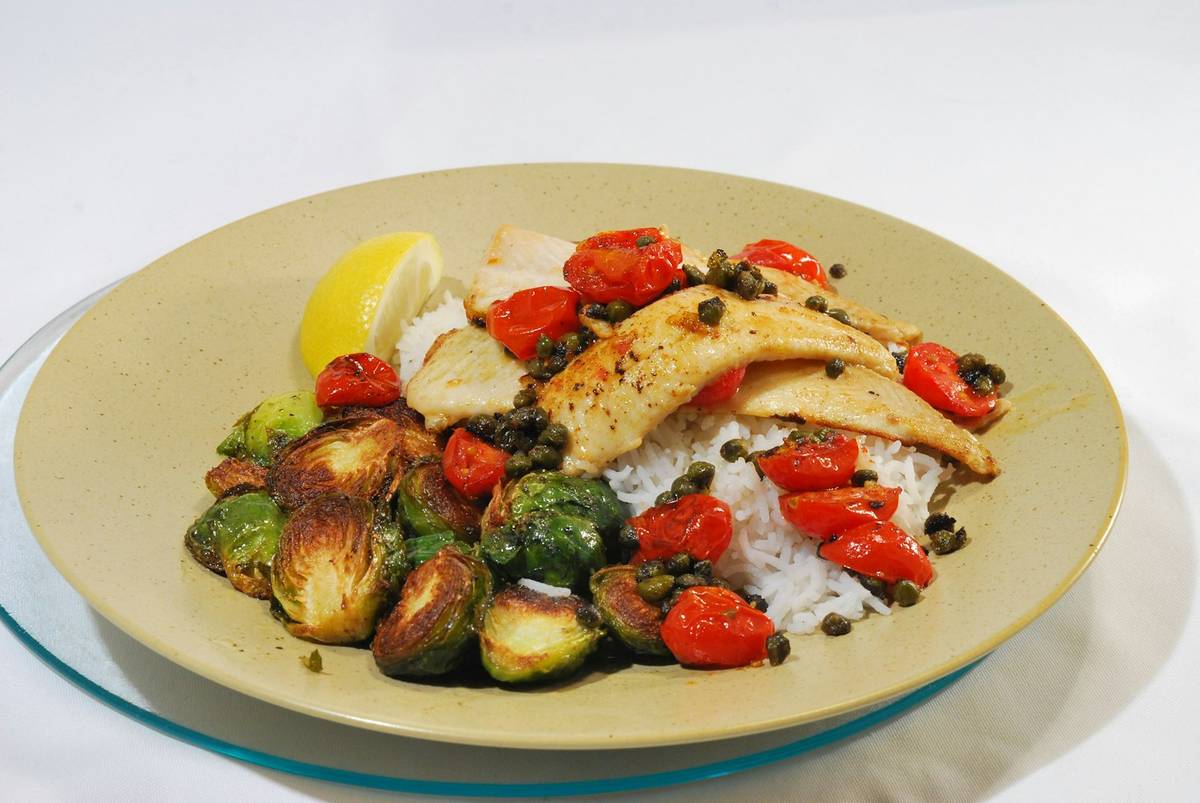
A balanced meal does not need to look like a nutrition diagram. It needs to contain a useful mix of foods that, across the day and week, helps you meet your needs without making eating unnecessarily complicated.
The NHS Eatwell Guide describes the overall balance of food groups across a day or even a week rather than requiring every individual plate to match the diagram exactly. That is an important distinction. Breakfast may contain little veg, while dinner contains much more. A packed lunch may be light on dairy, while yogurt appears later as a snack.
If you want the bigger picture first, use our Everyday Nutrition guide. This page focuses on the practical question: how do you actually build a balanced meal from ordinary food?
Start with a starchy carbohydrate
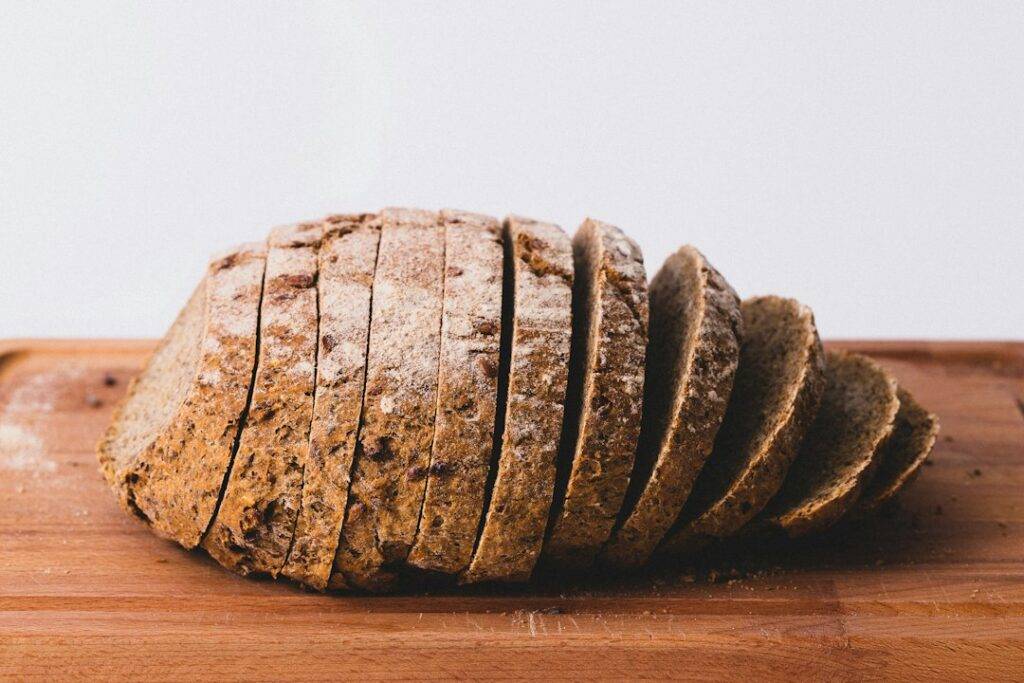
Potatoes, bread, rice, pasta, oats, couscous and other grains provide energy and can make a meal satisfying. Higher-fibre versions are useful choices for many people, such as wholegrain bread, brown rice or wholewheat pasta, but a meal does not become “unhealthy” because it includes white rice or ordinary pasta.
Choose the option that fits the meal and your needs. Someone with a small appetite who is trying to gain weight may prefer a less bulky lower-fibre option at times, while another person may find higher-fibre foods more filling and helpful.
Add a clear source of protein
Protein foods include beans, lentils, chickpeas, eggs, fish, meat, tofu, tempeh and other alternatives. Dairy foods also contribute protein, although they sit in a separate food group in the Eatwell Guide.
You do not need to build the whole meal around a huge portion of protein. A practical amount might be eggs with toast, beans on a jacket potato, lentils in a curry, chicken in a stir-fry or tofu in a noodle bowl.
Include vegetables or fruit where they make sense
The NHS balanced-diet guidance recommends eating at least five portions of a variety of fruit and vegetables each day. Fresh, frozen and tinned choices can all be useful. Instead of forcing vegetables into every snack, think about where they fit naturally: tomatoes and mushrooms with breakfast, salad in a sandwich, frozen vegetables in a curry, fruit with yogurt, or peas alongside a main meal.
The NHS page on eating a balanced diet also notes that people with medical conditions or special dietary needs should seek individual advice rather than relying on general population guidance.
Use fats as part of the meal, not something to fear
Oils, spreads, nuts, seeds, avocado and other fat-containing foods can add flavour and energy. The Eatwell Guide recommends choosing unsaturated oils and spreads and using them in small amounts for the general population.
Needs differ. If you are trying to gain weight, energy-dense fats can be particularly useful because they add energy without requiring a much larger plate. If you are trying to manage your weight in the other direction, portion size may matter more.
Do not forget dairy or suitable alternatives across the day
Milk, yogurt and cheese can provide protein and calcium. Fortified alternatives can be useful for people who do not consume dairy, but products differ. Check labels for calcium, vitamin B12, iodine and protein where those nutrients matter to you.
Dairy does not have to be part of every meal. Milk in porridge, yogurt as a snack or cheese in a sandwich can contribute across the day.
A simple meal-building formula
When you are short of time, use four questions:
- What is the main carbohydrate?
- Where is the protein?
- Can I add fruit or vegetables?
- What will add flavour and make this satisfying?
That last question matters. A technically balanced meal that tastes dull is not a sustainable plan. Herbs, spices, sauces, dressings, yogurt, pesto, hummus, cheese or olive oil can make ordinary food far more enjoyable.
If dressings are where your meals become very salty, sugary or heavy, BetterCare’s healthy salad dressings guide explains how to compare bottled options and make simple yoghurt- or oil-based versions.
Breakfast examples
Porridge: oats cooked with milk, topped with banana and nuts or seeds. Add yogurt if you want more protein.
Eggs on toast: eggs with wholegrain toast and tomatoes or mushrooms. Add fruit later if you do not want it with breakfast.
Yogurt bowl: yogurt with oats or granola, fruit and nuts.
Plant-based breakfast: fortified soya yogurt with oats, fruit and seeds, or tofu scramble with toast and vegetables.
Lunch examples
Jacket potato: potato with beans and cheese, served with salad or cooked vegetables.
Sandwich meal: bread filled with chicken, egg, tuna, cheese, hummus or mashed beans, plus salad and fruit.
Rice bowl: rice with leftover vegetables, beans or chicken, plus a sauce or dressing.
Soup and bread: lentil or bean soup with bread, followed by yogurt or fruit if the meal needs more substance.
Dinner examples
Stir-fry: rice or noodles, vegetables and tofu, chicken or prawns with a sauce.
Pasta: pasta with tomato sauce, lentils or minced meat, vegetables and a little cheese.
Curry: rice with chickpea, lentil, chicken or fish curry and vegetables.
Tray bake: potatoes, vegetables and a protein food roasted together, finished with a dressing.
Balanced meals when you cook for one
Cooking for one does not require miniature recipes. Use ingredients that can appear in several meals: a bag of frozen vegetables, eggs, yogurt, bread, rice, potatoes, beans and one or two protein options.
Our meal planning for one guide shows how to reuse ingredients without eating the same meal every day, while grocery shopping for one focuses on quantities and reducing waste.
Balanced meals on a budget
Frozen vegetables, tinned beans, lentils, oats, potatoes, own-brand yogurt, eggs and tinned fish can all support balanced meals without relying on expensive “health” products. Choose seasonal produce when it is cheaper and use frozen options when fresh food is likely to spoil.
For practical low-cost meal ideas, see our cheap healthy meals for one guide.
Plant-based balanced meals
A plant-based meal still needs structure. Pair grains or potatoes with beans, lentils, tofu or another protein-rich food, then add vegetables and a suitable source of fat or flavour. If you eat fully vegan, use fortified foods and pay attention to nutrients that can be harder to obtain, particularly vitamin B12.
Our plant-based meal plan for beginners gives a broader weekly structure.
What about portion size?
There is no universal plate size that works for every adult. Appetite, body size, activity, goals and health conditions all matter. A balanced meal for someone recovering from illness may need to be more energy-dense than a balanced meal for someone trying to reduce energy intake.
That is why the Eatwell Guide is best understood as an overall pattern rather than an exact prescription for every plate.
How to make convenience food work better
A ready meal can be made more balanced by adding something it lacks. If it contains protein and carbohydrate but few vegetables, add frozen peas or a side salad. If soup is light, add bread and cheese or yogurt. If instant noodles are the base, add an egg or tofu and frozen vegetables.
Convenience is not the opposite of healthy eating. A meal you can prepare consistently is often more useful than a theoretically perfect meal that requires time you do not have.
Read labels for the information you actually need
Packaged foods can vary in salt, sugar, saturated fat, fibre and portion size. Front-of-pack labels can help compare similar products, but do not reduce the whole meal to one colour on a label. Look at how the food fits with the rest of what you eat.
If a product is your main protein source, check whether it actually contains meaningful protein. If you rely on a plant milk as a dairy alternative, check whether it is fortified. If salt intake matters because of a medical condition, follow the advice you have been given rather than a generic rule.
Balanced does not mean every meal must be homemade
Toast with eggs and fruit can be balanced. Beans on a potato with salad can be balanced. A supermarket sandwich with yogurt and fruit can be balanced. The value comes from the overall combination, not from how impressive the recipe looks.
Adjust the meal to your actual goal
If you are trying to gain weight: use the same balanced structure but increase energy density with foods such as cheese, nuts, seeds, avocado, oil or full-fat dairy where appropriate. Our Healthy Weight Gain guide explains that approach in more detail.
If you have a small appetite: reduce meal volume and use nourishing snacks between meals rather than forcing a very large plate.
If you have a medical condition or special diet: general meal-building advice may need to be adapted. Follow individual guidance from a doctor, dietitian or another appropriate healthcare professional.
What if the meal is missing one food group?
Nothing dramatic has happened. Balance can be achieved across the day. If lunch is mostly soup and bread, add yogurt or a protein-rich snack later. If breakfast contains no vegetables, include them at lunch and dinner. If dinner is low in starchy carbohydrate but you have eaten plenty earlier, the day may still be well balanced.
This flexibility is one reason the Eatwell Guide is easier to use when you think in days and weeks rather than trying to make every plate mathematically identical.
What if you are not hungry enough for a “balanced plate”?
People with a poor appetite may find a large plate discouraging. Keep the same building blocks but make them smaller and more energy-dense. A small omelette with toast and avocado may be easier than a large plate containing several separate items. Yogurt with oats, fruit and nut butter can combine several components in one bowl.
When low appetite is linked to illness or unintentional weight loss, use the small-appetite guide rather than simply trying to add more vegetables and fibre.
What about cultural and familiar foods?
A balanced meal does not have to look British or follow one cuisine. Rice and beans, jollof rice with fish and vegetables, dal with rice, noodles with tofu and greens, couscous with chickpeas, or stew with potatoes can all fit the same broad structure.
Use the foods you already know. Nutrition advice is easier to sustain when it works with your household, culture, budget and cooking habits instead of replacing them.
Use meal structure to reduce decision fatigue
If deciding what to eat is the hardest part, keep a short list of reliable combinations: three breakfasts, three lunches and five dinners that use overlapping ingredients. Repetition is not a nutritional failure. A dependable meal pattern can make shopping easier, reduce waste and leave more energy for the parts of life that matter more than planning food.
A balanced meal should make everyday eating easier
You do not need to measure every food group every time you eat. Start with a carbohydrate, add a useful protein source, include fruit or vegetables across the day, use dairy or suitable alternatives where they fit, and add fats and flavour in a way that matches your needs.
Once you know that pattern, meal planning becomes much simpler. You can change the cuisine, ingredients and portion size without losing the basic structure.