Breakfast can be a useful place to add both protein and energy when you are trying to gain weight gradually. The goal is not to turn breakfast into a bodybuilding meal. It is to make the first meal of the day more substantial without making it so large that you cannot finish it.
The NHS healthy weight-gain guidance suggests increasing intake gradually, using smaller meals more often, adding energy-dense foods such as cheese, nuts and seeds, and including protein sources such as beans, pulses, fish, eggs and lean meat. For people with a small appetite, that makes breakfast especially useful because relatively compact foods can add both protein and calories.
The British Dietetic Association’s healthy breakfast guidance also recommends building breakfast from foods such as wholegrains, fruit or vegetables, healthy fats and protein sources including eggs, dairy, beans, tofu, nuts and seeds.
If you have lost weight unexpectedly, have difficulty swallowing, persistent digestive symptoms, or another medical condition that affects what you can eat, use this as general information rather than a substitute for individual advice.
What makes a breakfast useful for weight gain?
A useful breakfast usually has three parts: a source of protein, a source of carbohydrate, and an energy-dense addition that makes the meal more substantial without requiring a huge portion.
For example, porridge gives you carbohydrate, milk and yogurt add protein, and nut butter adds extra energy. Eggs on toast provide protein and carbohydrate, while avocado or cheese can increase the energy content. You do not need every breakfast to contain the same amount of protein or the same number of calories. Look at the whole day.
1. Porridge with milk, yogurt and nut butter
Make porridge with milk rather than water if dairy suits you, or use a fortified plant drink with useful protein. Stir in a spoonful of nut butter after cooking and add yogurt on top. Banana, berries or dried fruit can add flavour and make the bowl easier to eat.
If your appetite is small, keep the oat portion moderate and make the bowl more energy-dense rather than simply doubling the volume.
2. Eggs on buttered toast with avocado
Two eggs on toast is simple, quick and easy to vary. You can scramble, poach or boil the eggs. Add avocado, cheese or a little olive oil if you need more energy.
Tomatoes, mushrooms or fruit on the side can help round out the meal, but do not make the plate so large that it becomes hard to finish.
3. Greek-style yogurt with granola and nuts
Choose a yogurt that fits your dietary needs and add granola, chopped nuts, seeds and fruit. This works well when you do not want a cooked breakfast.
If full-fat dairy is appropriate for you, it can add more energy in a small portion. If you use dairy alternatives, check the label because protein content varies widely between products.
4. Peanut butter and banana toast
Spread peanut or another nut butter generously on toast and add sliced banana. Have it with milk, yogurt or a fortified plant drink if you want more protein.
This is one of the easiest options for busy mornings because there is almost no preparation.
5. Beans and cheese on toast
Baked beans add both carbohydrate and plant protein. Add grated cheese if you eat dairy. This can be a useful savoury breakfast when sweet foods are unappealing.
Use lower-salt beans if that matters for your health needs, but do not let label perfection become a barrier to eating enough.
6. Omelette with cheese and toast
An omelette is useful when you want a high-protein meal without a very large plate. Add cheese, mushrooms, spinach or another filling you enjoy. Serve it with toast, potatoes or another carbohydrate.
If you struggle to eat early in the morning, a smaller omelette can work better than a full cooked breakfast.
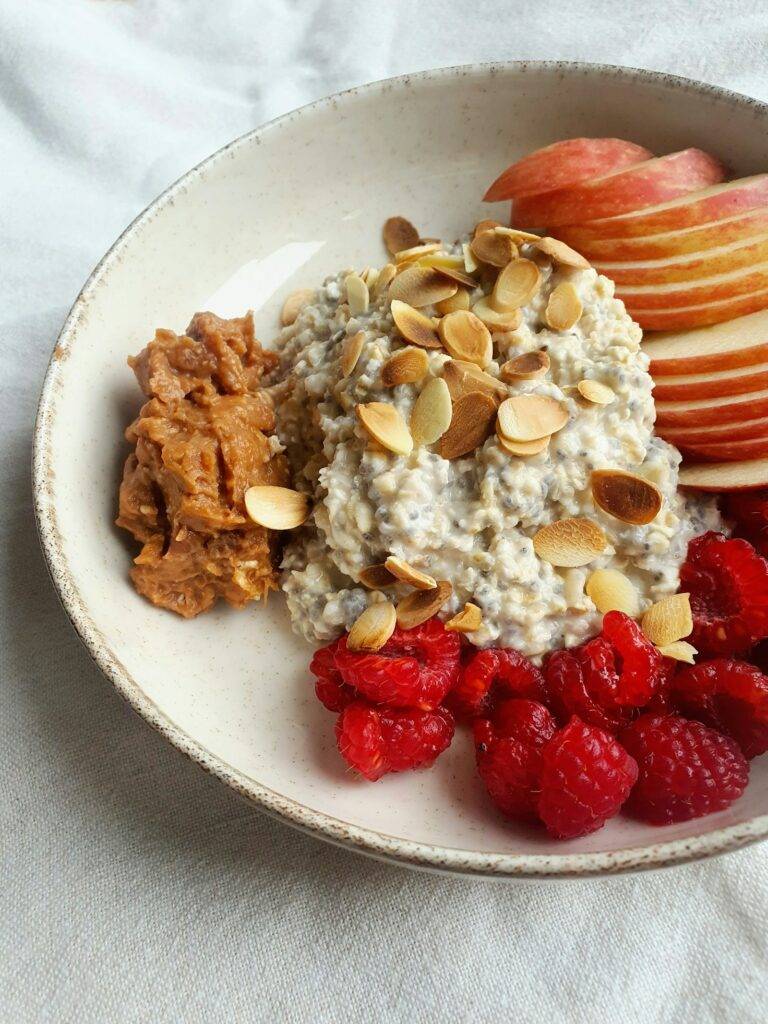
7. Overnight oats with yogurt and seeds
Combine oats, milk, yogurt and fruit the night before. Add chia seeds, ground seeds, nut butter or chopped nuts. This is particularly helpful if morning cooking feels like too much work.
Use a container that gives you a manageable portion. More ingredients do not automatically make the breakfast better if you cannot finish it.
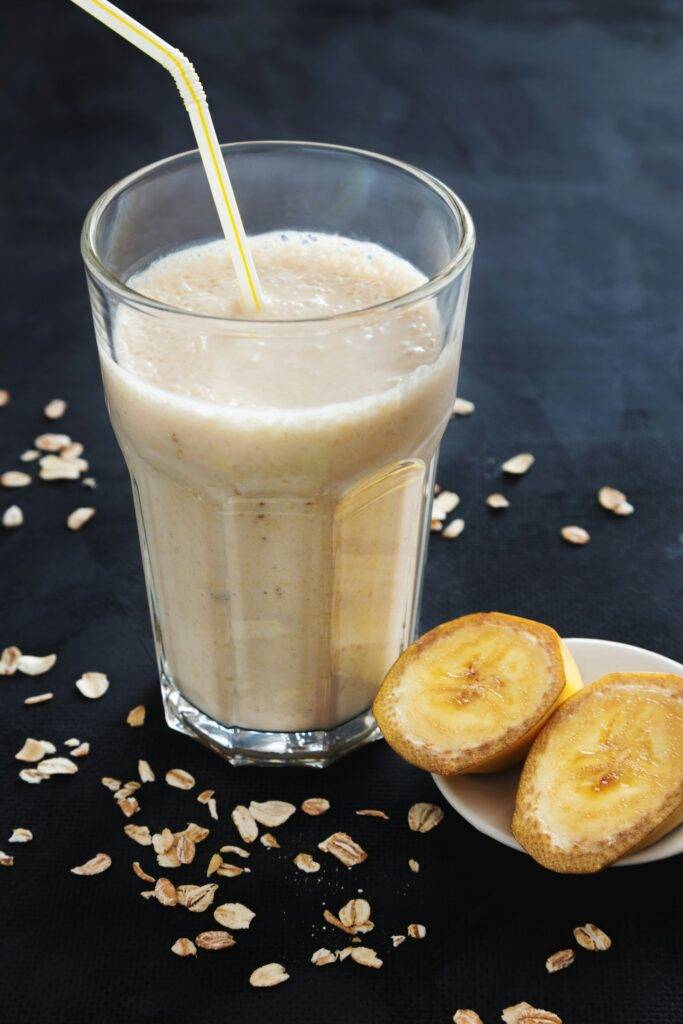
8. Smoothie with milk, yogurt, oats and nut butter
A smoothie can help when chewing feels tiring or appetite is low. Blend milk or a suitable fortified alternative with yogurt, banana, oats and nut butter.
The NHS suggests higher-calorie drinks between meals for people trying to gain weight. If a drink fills you up too much before breakfast, use it later in the morning instead. Do not rely on smoothies to replace every meal unless a healthcare professional has advised a liquid approach.
9. Cottage cheese or soft cheese on toast
Cottage cheese, cream cheese or another soft cheese can make toast more substantial. Add sliced tomato, avocado, smoked salmon where appropriate, or fruit if you prefer a sweet combination.
Choose the product that you enjoy and tolerate rather than assuming the lowest-fat version is automatically the right option when your goal is weight gain.
10. Tofu scramble with toast
Tofu is useful for people who prefer plant-based breakfasts. Cook crumbled tofu with vegetables and seasoning, then serve it with toast, avocado or potatoes.
If you follow a vegan diet, make sure your wider diet includes reliable sources of vitamin B12 and other nutrients that may need particular attention.
11. Breakfast wrap with eggs and beans
Fill a wrap with scrambled eggs, beans, cheese and vegetables. This works well if you need a portable breakfast. You can prepare the filling ahead and warm it in the morning.
If the whole wrap feels too large, make a smaller one and add a snack later.
12. Yogurt smoothie bowl
Blend yogurt with fruit and a small amount of milk, then top with oats, granola, nuts or seeds. This can be easier to manage than a large bowl of cereal.
The toppings add texture and energy, while the yogurt provides protein.
13. Fortified cereal breakfast
Cereal can be a useful base if you choose one you actually enjoy. Use milk, add yogurt on the side, and include nuts, seeds or nut butter where they fit.
If your appetite is poor, very high-fibre cereal may feel too filling. A more moderate-fibre option can sometimes be easier to manage during recovery.
14. Cheese and egg breakfast sandwich
Use bread, an English muffin or a roll with egg and cheese. Add avocado or a little spread if more energy is needed.
This can be prepared quickly and is easy to wrap for later if you cannot finish it immediately.
15. Leftovers for breakfast
Breakfast does not have to look like breakfast. Rice with egg, leftover pasta with cheese, a small portion of curry, or soup with bread can all work if savoury foods are easier for you.
The best breakfast is one you are willing and able to eat.
How much protein should breakfast contain?
There is no single target that suits every adult.
Protein needs depend on age, body size, health, activity and recovery needs. The BDA’s nutrition standards use higher protein targets for nutritionally vulnerable patients than for the general population, which is one reason individual advice matters when someone is ill, frail or losing weight.
For general self-management, it is usually more practical to include a clear protein source at breakfast and repeat that pattern across the day rather than chasing one exact number. If a clinician or dietitian has given you a specific protein target, use that target instead of a generic figure.
Make breakfast more energy-dense without making it much bigger
When appetite is limited, adding volume can make eating harder. Try adding nut butter to porridge or toast, full-fat yogurt where appropriate, cheese to eggs or beans, avocado or olive oil to savoury breakfasts, and nuts or seeds to yogurt and cereal.
Our high-calorie healthy snacks guide uses the same principle between meals.
If you wake up with no appetite
You do not have to force a large breakfast immediately. Start with something small, such as a yogurt, milky drink, banana with nut butter, or one slice of toast. Then have a more substantial snack one or two hours later.
The total pattern across the morning matters more than whether you eat a conventional breakfast at 7am. Our small-appetite weight-gain guide has more strategies for spreading intake through the day.
If you are gaining weight after illness
Recovery can change appetite, taste, energy and tolerance for food. Breakfast can be a useful place to restart regular eating because it creates an early opportunity to add energy and protein before fatigue builds later in the day.
Keep preparation easy. Ready-to-eat yogurt, toast, eggs, cereal, porridge and nut butter are often more useful than ambitious recipes. Use our guide to gaining weight after illness or hospital if recovery is the main reason for the weight loss.
Budget-friendly breakfast combinations
Protein-rich breakfasts do not need expensive specialist products. Lower-cost options include eggs and toast, porridge made with milk, peanut butter on toast, baked beans on toast, yogurt with oats, lentil or bean leftovers, own-brand cheese with bread, tofu when bought in larger packs, and milk with cereal and seeds.
Our healthy weight gain on a budget guide gives a fuller shopping strategy.
Plant-based breakfast options
A plant-based breakfast can still provide useful protein. Good combinations include soya yogurt with oats and nuts, tofu scramble and toast, peanut butter with banana and bread, beans on toast, fortified soya milk with cereal, or overnight oats made with a higher-protein plant drink.
Check fortification and protein on dairy-alternative labels because products differ.
What about protein powder?
Protein powder is not essential for most people. It can be convenient, but ordinary foods may meet your needs more cheaply and provide a wider range of nutrients.
If you use a protein powder, choose a reputable product and make sure it does not replace balanced meals by default. People with kidney disease, certain metabolic conditions or other medical needs may require individual advice before increasing protein substantially.
Do not rely on processed breakfast meat for protein
Bacon and sausages contain protein, but they are not the only way to build a protein-rich breakfast. Eggs, yogurt, beans, tofu, nuts, seeds and fish can provide more variety.
The BDA’s healthy breakfast guidance recommends limiting red and processed meats as part of a generally healthier breakfast pattern.
Pair breakfast with the rest of the day
A strong breakfast does not compensate for barely eating later. Use the seven-day healthy weight gain meal plan to see how breakfast fits with lunch, dinner, snacks and drinks.
If mornings are your easiest eating window, make breakfast more substantial. If evenings are easier, keep breakfast smaller and shift more intake later.
When to seek professional help
Speak to a GP or another appropriate healthcare professional if weight loss is sudden, unexplained or continuing, or if you are struggling to eat because of swallowing difficulty, persistent nausea, vomiting, diarrhoea, pain, low mood or another health problem.
General breakfast ideas cannot identify why you are losing weight.
If you have diabetes, kidney disease, significant food allergies, an eating disorder history or another condition that changes nutritional needs, individual advice may be more appropriate than a generic high-protein plan.
A useful breakfast should be repeatable
You do not need fifteen different breakfasts each week. Choose two or three that you enjoy, can afford and can prepare even on low-energy mornings.
A breakfast that is easy to repeat will help more than a complicated recipe that looks impressive but never becomes part of your routine.
For the broader strategy — gradual weight gain, small appetite, snacks, budget meals and recovery nutrition — use the Healthy Weight Gain pillar.