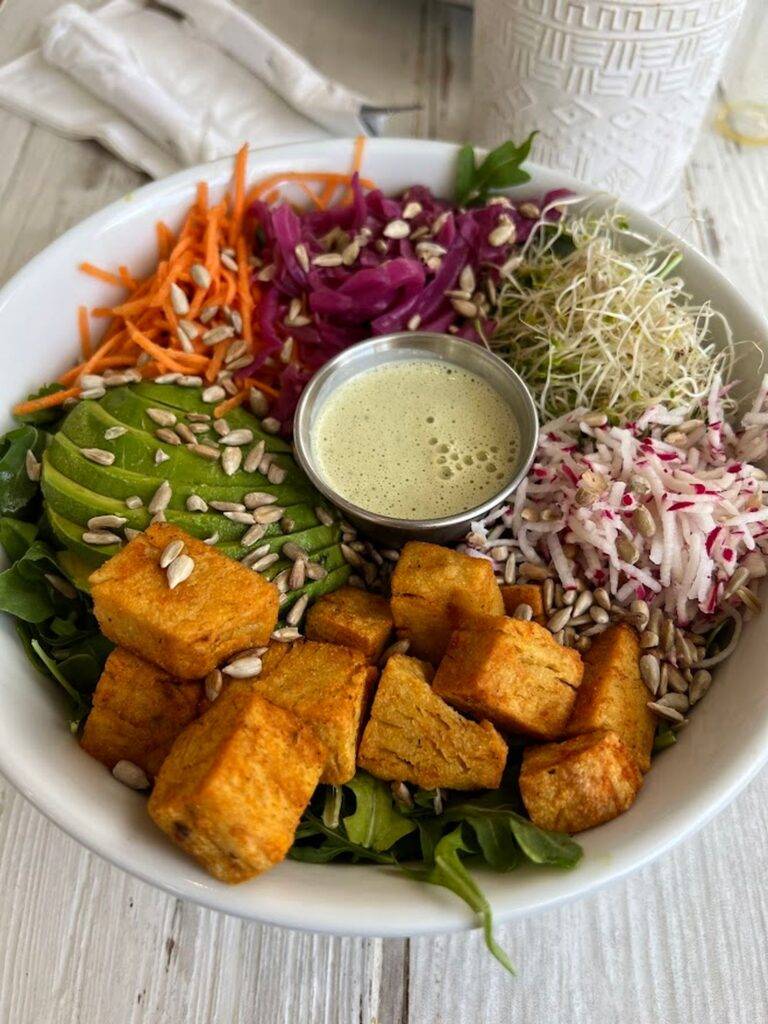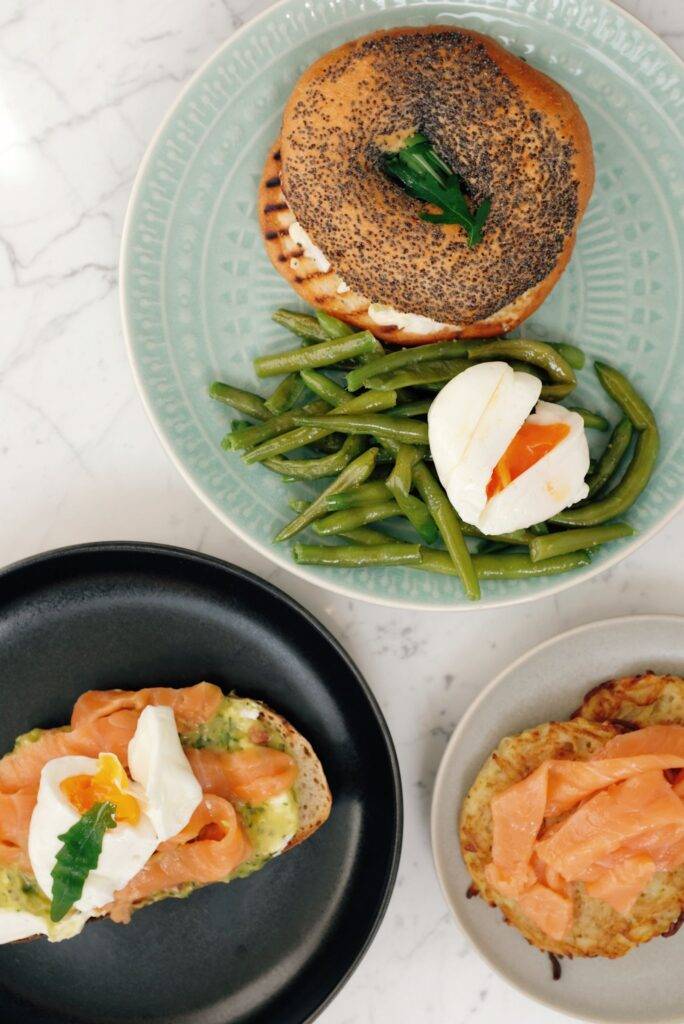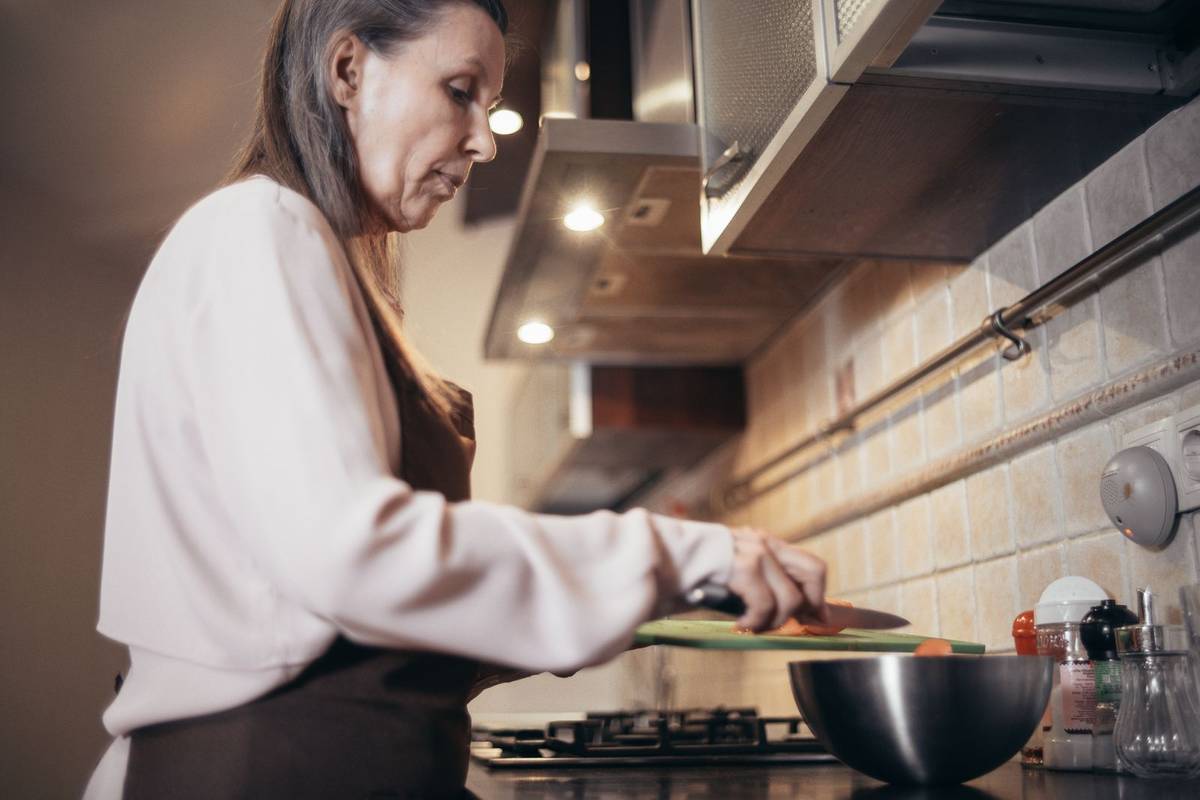
Weight loss in later life deserves attention, especially when it happens without trying. Appetite can fall with age, illness, medication changes, dental problems, low mood, reduced mobility, altered taste, difficulty shopping or simply the fatigue of preparing food every day. The answer is not always to serve a much bigger plate. For many older adults, smaller meals, more frequent snacks and energy-dense foods are easier to manage.
The NHS advises adults who need to gain weight to do so gradually, using balanced meals, snacks and extra calories from foods such as cheese, nuts and seeds rather than relying mainly on cakes or sugary drinks. Its healthy weight-gain guidance also recommends smaller meals more often and high-calorie drinks between meals.
Older adults can have additional challenges. Guy’s and St Thomas’ NHS Foundation Trust notes that appetite often changes with age and that unintended weight loss can contribute to loss of muscle and strength. Its nutrition guidance for older adults recommends seeking professional advice if eating enough becomes difficult or weight is falling.
Unplanned weight loss is not something to dismiss as “just ageing”
Some body changes happen with age, but meaningful unintentional weight loss can be a sign that intake is too low or that another problem needs attention. The NHS advises speaking to a GP if weight has dropped suddenly or without a clear change in diet or activity.
Possible contributors include poor appetite, swallowing difficulties, dental problems, constipation, nausea, depression, bereavement, social isolation, medication side effects, pain, reduced mobility and long-term illness.
If an older relative is losing weight, do not immediately jump to calorie counting. Start by asking what has changed and whether eating itself has become difficult.
Watch for signs that food intake is falling
Weight is only one clue. Other signs can include looser clothes, less strength, leaving more food on the plate, skipping meals, relying on tea and toast, an empty fridge, difficulty carrying shopping, or losing interest in foods that were previously enjoyed.
North Bristol NHS Trust explains that a poor appetite can increase the risk of low energy, muscle loss, falls and nutrient deficiencies. Its small-appetite guidance recommends eating little and often and using snacks or milky drinks between meals.
Start with smaller meals more often
A large plate can be discouraging when appetite is poor. Three smaller meals plus two or three snacks may be more manageable than forcing three full meals.
- small breakfast;
- mid-morning snack or nourishing drink;
- small lunch;
- afternoon snack;
- evening meal;
- small supper if wanted.
The aim is to create more opportunities to eat without making any one sitting exhausting.
Make the food already being eaten more substantial
When portion size is limited, food fortification can help. This means adding energy and protein to the same amount of food rather than making the plate much larger.
Examples include adding grated cheese to soup or mashed potato, stirring milk powder into porridge, adding nut butter to yoghurt, using olive oil or pesto in pasta, or serving custard with fruit.
Our food fortification guide explains how to do this without turning every meal into a heavy or unappealing dish.
Protein matters because weight gain should support strength too
Regaining weight is not only about body fat. Older adults are particularly vulnerable to loss of muscle and strength during illness, inactivity or poor nutrition.
Try to include a protein source across the day: eggs, yoghurt, cheese, milk, fish, chicken, beans, lentils, tofu, nut butter or another suitable option.
If breakfast is usually only tea and toast, adding an egg, yoghurt or peanut butter can make that meal more useful without making it much larger.
Use nourishing drinks between meals
Milky drinks, smoothies, yoghurt drinks or enriched soups can be easier than another plate of food. The timing matters, though. A large drink immediately before lunch can reduce appetite further.
Use nourishing drinks between meals when possible. Our nourishing drinks guide includes practical ideas for people who find food volume difficult.
Choose foods that are easy to chew and enjoyable
Dental problems, dentures or dry mouth can quietly reduce intake. Tough meat, dry bread or raw vegetables may become difficult even when nobody has formally identified a chewing problem.
Softer options can include scrambled eggs, yoghurt, porridge, fish, stews, mashed potato, soft pasta, cottage cheese, ripe fruit, soups and puddings.
If chewing is painful or dentures no longer fit well, arrange dental care rather than assuming the person simply has no appetite.
Swallowing problems need professional assessment
Coughing during meals, a wet or gurgly voice after drinking, repeated chest infections, food sticking, or unexplained difficulty swallowing should not be managed by simply blending food at home.
People with swallowing problems may need assessment by a speech and language therapist and may be given specific food and fluid textures. Homemade changes can be unsafe if the required consistency is unknown.
Make meals easier when energy is low
Cooking can become a barrier long before appetite completely disappears. Keep low-effort options available:
- eggs and toast;
- beans on toast with cheese;
- microwave rice with fish, beans or chicken;
- ready-prepared soup with bread and cheese;
- frozen meals with added vegetables;
- yoghurt with fruit and granola;
- porridge with milk and nut butter;
- jacket potato with beans or tuna.
Convenience food can be useful when the alternative is skipping the meal altogether.
Meals on wheels and practical support may matter more than nutrition advice
Sometimes the problem is not knowing what to eat. It is getting food into the house or preparing it safely.
The NHS notes that people who struggle to cook or shop may be eligible for meals delivered through local authority services. Family members can also help by arranging grocery deliveries, batch cooking or sharing specific shopping responsibilities.
If a family is already coordinating care, use the BetterCare family care coordination plan to make food shopping and meal support somebody’s named responsibility rather than a vague promise.
Do not let tea replace food
Tea and coffee can be comforting, but repeated hot drinks can become a substitute for meals in someone with low appetite. A mug of tea and two biscuits may feel like “having lunch” even though it provides little protein.
Keep favourite drinks, but pair them with something more substantial: toast with cheese, yoghurt, a sandwich, egg, oatcakes with hummus, or a nourishing milky drink.
Use favourite foods without turning the diet into sweets only
When appetite is low, food enjoyment matters. There is nothing wrong with including pudding, cake or biscuits if they help someone eat, but they should not be the only strategy.
Try to make favourite meals more nourishing. Add cheese to a baked potato, serve fruit with custard or yoghurt, add cream or milk to porridge, or use peanut butter on toast.
The NHS specifically advises against relying mainly on chocolate, cakes and sugary drinks to gain weight.
Older adults may get full quickly
Large portions can suppress appetite for hours. Serve a modest amount first and offer more if wanted. A smaller attractive plate often feels more manageable than an overloaded one.
Do not pressure someone to finish everything. The goal is to increase intake consistently, not turn meals into stressful events.
Make snacks easy to reach
If someone has limited mobility, useful snacks should be stored where they can actually access them.
Depending on dietary needs, that might include bananas, yoghurt, cheese and crackers, rice pudding, oatcakes, nut butter, nuts, cereal bars with reasonable nutrition, or small cartons of milk.
Our healthy high-calorie snack guide has more compact options.
Strength and movement matter when appropriate
Where it is safe and realistic, staying active can help preserve muscle and may support appetite. The NHS mentions strength training or yoga as options for adults trying to gain weight.
For an older adult with frailty, falls, recent illness or mobility problems, exercise advice should be adapted to the person. A physiotherapist, GP or suitable exercise professional may need to guide the plan.
Review medicines if appetite changed after a new prescription
Some medicines can affect appetite, taste, nausea, bowel habits or dry mouth. Do not stop prescribed medicines yourself, but note whether appetite changed around the time a medicine was started or adjusted.
Take an up-to-date list to a GP or pharmacist and ask whether side effects could be contributing. The BetterCare medicine list can help keep that conversation organised.
Constipation can make appetite worse
Constipation is common in later life and can make someone feel full, uncomfortable or nauseated. Fibre, fluid and movement can help in many cases, but constipation also has other causes, including medicines.
If constipation is severe, persistent, associated with pain, vomiting, bleeding or unexplained weight loss, seek medical advice.
Social isolation can affect eating
People often eat less when they live alone, are grieving or no longer enjoy cooking for one. A shared meal once or twice a week can sometimes help more than another nutrition leaflet.
Consider lunch clubs, family meals, community groups or arranging a regular shared mealtime by video or in person if that suits the person.
Keep a simple food-and-weight record only if it is useful
Tracking can help when nobody is sure whether intake is improving, but it does not need to become obsessive.
A simple note of meals eaten, appetite, weight if clinically appropriate, and any recurring barriers can help a GP or dietitian understand the pattern.
If weighing causes anxiety or is inappropriate, focus on appetite, strength, clothing fit and how much food is being managed instead.
When to ask for professional help
Speak to a GP or another suitable healthcare professional if there is unintentional weight loss, ongoing poor appetite, weakness, swallowing difficulty, repeated falls, persistent nausea, diarrhoea, dental pain, or another unexplained change.
The NHS says malnutrition is more common in older people and recommends seeking help if you are worried an older person may be malnourished.
A GP may investigate the cause and may refer to a dietitian if more individual support is needed.
A practical one-day example
- Breakfast: porridge made with milk, banana and nut butter.
- Mid-morning: yoghurt or a small nourishing drink.
- Lunch: soup enriched with cheese or cream, plus buttered bread.
- Afternoon: cheese and crackers or rice pudding.
- Dinner: fish, chicken, beans or tofu with potato, rice or pasta and vegetables, using an energy-rich sauce if needed.
- Evening: milky drink, custard or another small snack.
This is an example, not a prescription. Preferences, allergies, culture, medical conditions and swallowing safety all matter.
The aim is steady recovery, not forcing large meals
For many older adults with a small appetite, the most useful approach is surprisingly simple: eat little and often, make familiar foods more nourishing, include protein regularly, use nourishing drinks between meals, and remove practical barriers to shopping and cooking.
If weight keeps falling despite those changes, do not keep adding calories indefinitely without investigating why. Ask for professional help.
For the wider BetterCare approach to gradual weight gain, meals, snacks and recovery, return to the Healthy Weight Gain pillar.
Reviewed: September 2026. General UK information; older adults with significant weight loss, swallowing problems or complex medical conditions may need individual assessment.