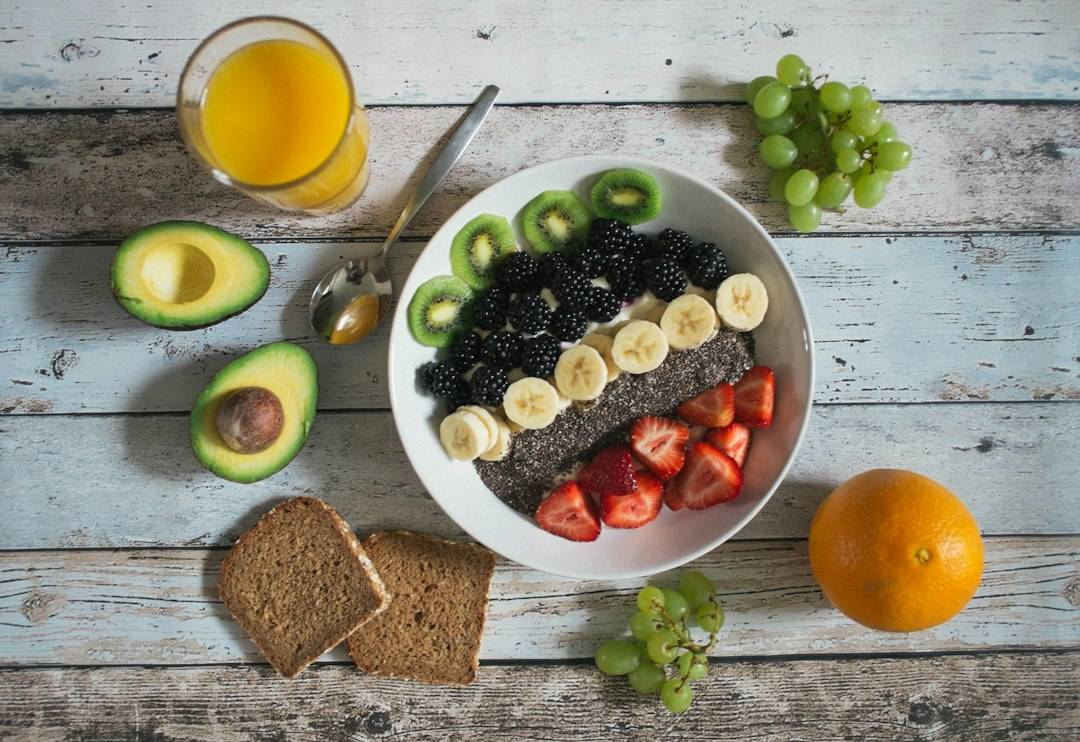
Breakfast cereal can be a quick and useful breakfast, but the cereal aisle makes simple choices look complicated. Wholegrain claims, “high protein” labels, granola branding, added vitamins and bright front-of-pack messages can distract from the basics: fibre, sugars, salt, portion size and what you add to the bowl.
The NHS recommends choosing lower-sugar or unsweetened wholegrain breakfast cereals, such as plain wheat biscuits, shredded wholegrain cereal, no-added-sugar muesli and porridge.
This guide explains how to compare cereals quickly, what “wholegrain” really helps with, why granola is not automatically healthier, and how to build a breakfast that is filling enough to last.
Start with wholegrains and fibre
Wholegrain cereals tend to provide more fibre than highly refined cereals. Look for whole wheat, whole oats or another wholegrain high in the ingredients list.
Fibre matters across the whole day, not just breakfast. BetterCare’s 30g fibre guide shows how breakfast fits into the UK adult target.
Compare sugars per 100g
Use the per-100g column when comparing similar cereals. NHS guidance classifies foods with more than 22.5g total sugars per 100g as high in sugar and 5g or less as low, though total sugars include naturally occurring sugars too.
A cereal containing dried fruit may show more total sugar than a plain cereal because fruit contributes naturally occurring sugar. The ingredients list helps you understand where the sugar is coming from.
Look at salt too
Breakfast cereal can contribute salt even when it does not taste salty. The NHS notes that much of the salt people eat comes from everyday packaged foods, including breakfast cereals.
Compare similar products rather than assuming a sweet-tasting cereal is the only one worth checking.
Do not choose by calories alone
A lower-calorie cereal is not automatically more filling. Fibre, wholegrains, protein from milk or yoghurt, fruit and portion size all affect how satisfying breakfast feels.
Granola is not automatically healthier
Granola can contain oats, nuts and seeds, but many products also contain added sugars and oils. Compare labels rather than relying on the word “granola”.
Muesli can vary widely
No-added-sugar muesli can be a useful choice, but products with lots of chocolate, sweetened dried fruit or syrup may be much higher in sugar.
Porridge is a simple benchmark
Plain oats are inexpensive, wholegrain and versatile. Add fruit, cinnamon, yoghurt, nuts or seeds rather than relying on added sugar.
Plain wheat biscuits and shredded wheat
These are examples the NHS specifically lists as lower-sugar breakfast options. Add fruit for sweetness and milk or yoghurt for protein and calcium.
What about “high-protein” cereals?
Check the actual protein figure and compare the sugar, fibre and price. A high-protein claim does not automatically make the cereal a better overall choice.
What about children’s cereals for adults?
Adults can eat them, but many are higher in sugar and lower in fibre than plainer wholegrain options. Use the same label comparison.
How big is a cereal portion?
Manufacturer serving sizes can be smaller than the bowl people actually pour. Check the portion listed on the label, then compare it with what you usually eat.
BetterCare’s UK food-label guide explains how per-100g and per-portion values serve different purposes.
Add fruit instead of extra sugar
The NHS recommends adding fruit such as banana, berries or pear to unsweetened cereal. This adds sweetness and can contribute to 5 A Day.
Add yoghurt for protein
Plain yoghurt can make cereal more filling and add protein and calcium. BetterCare’s healthy yoghurt guide explains how to compare sugar and saturated fat.
Add nuts or seeds if suitable
A small amount of nuts or seeds can add texture, unsaturated fats and some protein. Portion them rather than pouring freely because they are energy-dense.
Breakfast cereal on a budget
Own-brand oats, wheat biscuits and simple muesli can be cheaper than premium “wellness” cereals. Compare ingredients and labels rather than packaging.
Breakfast cereal for one person
Choose a box size you can finish while it is still fresh. If cereal becomes stale before you finish it, a smaller pack may be better value despite a higher unit price.
Breakfast cereal and fibre
Look for wholegrains and check the fibre line when present. Pair cereal with fruit and seeds if you want to raise fibre further.
BetterCare’s high-fibre breakfast guide gives more whole-food breakfast ideas.
Breakfast cereal and weight gain
If you need more energy because of a small appetite or weight-gain plan, plain cereal can be made more substantial with full-fat milk, yoghurt, nuts, nut butter or dried fruit where appropriate.
BetterCare’s small-appetite breakfast guide covers that separate goal.
What about cereal bars instead?
Cereal bars are not nutritionally equivalent to a bowl of cereal with milk and fruit. Some contain significant free sugars and may be less filling.
A practical supermarket comparison
If two cereals are similar in price, compare wholegrain content, fibre, sugars and salt. If one is much lower in sugar and higher in fibre, that is a meaningful difference.
A simple weekday breakfast
Use a lower-sugar wholegrain cereal, milk or plain yoghurt, and one portion of fruit. Add nuts or seeds if you want more staying power.
A simple weekend breakfast
Use porridge with banana, berries and yoghurt. This is still quick but gives more flexibility with texture and toppings.
When cereal is not enough
If you are hungry again very quickly, increase the protein or portion, add fruit and yoghurt, or choose eggs, toast or another breakfast instead. Breakfast should fit your appetite, not an idealised serving size.
The main goal: a cereal you can eat regularly
Choose a wholegrain, lower-sugar option you actually enjoy, check salt and portion size, and build the bowl with fruit and a protein-rich dairy food or alternative.
You do not need the most expensive cereal or the loudest health claim.
How to compare two cereals in under a minute
First look at the ingredients list to see whether wholegrain ingredients appear prominently. Then compare fibre, sugars and salt per 100g. Finally, check the serving size so you know whether the portion printed on the box is realistic for your bowl.
What if the cereal contains dried fruit?
Dried fruit can raise the total-sugars figure without meaning that all of the sugar has been added. Check the ingredients list for syrups, honey, sugar or sweet coatings. If the cereal contains both dried fruit and added sugar, it may be considerably sweeter than a plain wholegrain option.
What if the cereal has nuts and seeds?
Nuts and seeds can add fibre, protein and unsaturated fats, but they also increase energy density. That can be useful if you need a more substantial breakfast. If you are watching portions, compare the serving size rather than assuming every nut-and-seed cereal should be poured freely.
What if the cereal is fortified with vitamins and minerals?
Fortification can be useful, especially for nutrients such as iron and some B vitamins, but it does not cancel out a very high sugar or salt content. Use fortification as one positive feature rather than the only reason to choose a product.
How breakfast cereal fits 5 A Day
The cereal itself usually does not count as fruit or vegetables, but adding a banana, berries, apple or pear can contribute towards 5 A Day. BetterCare’s 5 A Day guide explains practical adult portions.
A simple cereal shopping rule
Keep one everyday cereal and one optional sweeter cereal rather than several half-used boxes. This reduces waste and makes the lower-sugar choice the easy default most mornings.
How to use cereal if you work early shifts
Pre-portion cereal into a container and carry milk or yoghurt separately. Add fruit at work. This can be cheaper and more filling than buying pastries or cereal bars on the way.
How to use cereal when appetite is poor in the morning
Use a smaller bowl and make it more nourishing with yoghurt, milk, nuts or nut butter. If you struggle with low appetite because of illness or recovery, follow any individual advice you have been given.
What if cereal makes you hungry again quickly?
Increase the protein and fibre around the bowl. Add yoghurt, milk, nuts or seeds and fruit, or choose a more substantial cereal such as oats or wheat biscuits. The answer is not necessarily simply pouring a much bigger bowl.
Should you avoid all sweet cereals?
No. A sweeter cereal can fit occasionally. The practical difference is whether it is your everyday default or one option among mostly lower-sugar breakfasts.
How to transition from a very sweet cereal
Mix it half-and-half with a plain cereal for a week or two, then gradually increase the plain portion. This can make the change easier than switching abruptly to a product you dislike.
What about cereal with plant-based milk?
Choose an unsweetened fortified alternative where possible and check protein because plant-based milks vary widely. Soya generally provides more protein than many oat or almond drinks.
A realistic five-day cereal rotation
Monday: porridge with banana.
Tuesday: wholegrain wheat biscuits with milk and berries.
Wednesday: no-added-sugar muesli with yoghurt.
Thursday: wholemeal toast and eggs.
Friday: your preferred cereal with fruit.
This kind of rotation prevents breakfast from becoming repetitive without requiring five cereal boxes.
Reviewed: September 2026. General UK nutrition information based on current NHS food-label and sugar guidance.