UK guidance recommends adults aim for about 30g of fibre a day as part of a balanced diet, but many people eat less. The gap can sound large until you spread fibre across breakfast, lunch, dinner and snacks.
This guide shows a practical way to build towards 30g using ordinary foods such as oats, wholegrain bread, potatoes with skins, beans, lentils, fruit, vegetables, nuts and seeds. You do not need one “superfood” or an enormous bowl of bran.
What counts as fibre?
Dietary fibre is found in plant foods. Different forms occur in wholegrains, fruit, vegetables, pulses, nuts and seeds. The NHS explains that higher fibre intake is associated with lower risk of several long-term conditions and recommends increasing adult intake to around 30g a day.
Read the NHS guide to getting more fibre into your diet for the national advice.
Do not try to get 30g from one meal
A simpler approach is to spread fibre across the day. You might aim for roughly 7 to 9g at breakfast, 7 to 9g at lunch, 8 to 10g at dinner and a few grams from snacks or fruit.
Exact numbers vary by brand, portion and preparation, so check labels where useful instead of treating every example as a precise calculation.
Breakfast: begin with a fibre base
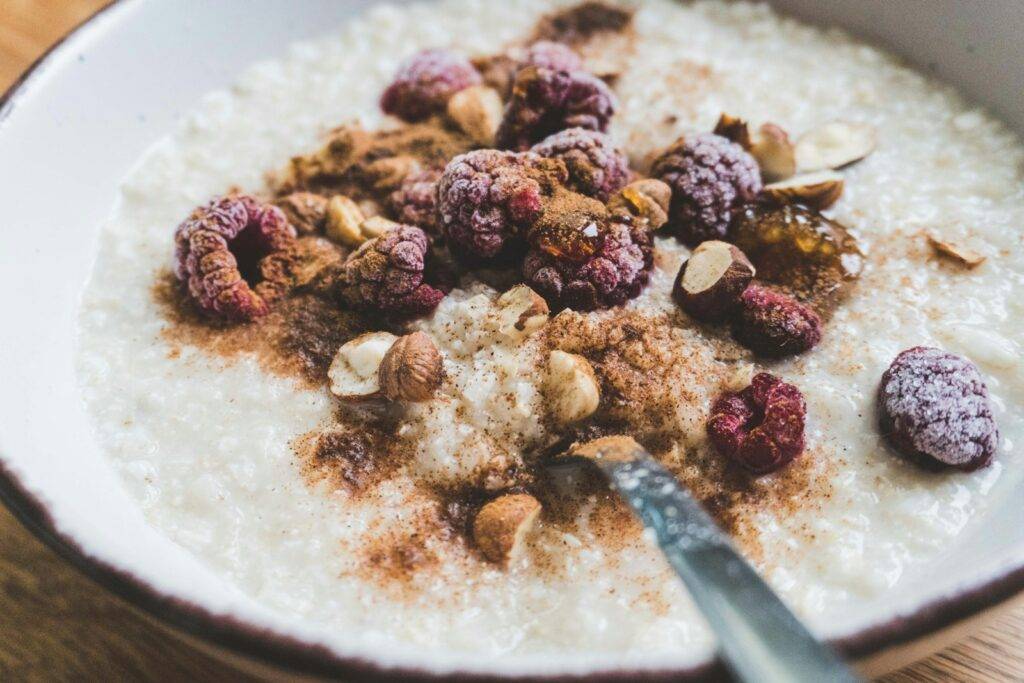
Oats, wholegrain cereals, wholemeal toast and fruit are straightforward options. Porridge with berries, pear or banana can provide several grams before you leave the house. Adding a spoonful of seeds can increase fibre further if they suit you.
Another option is wholemeal toast with nut butter and fruit. If you prefer cereal, compare fibre per 100g or per serving on the nutrition label rather than assuming a product is high in fibre because the packaging looks healthy.
For practical combinations, see our healthy breakfast ideas for adults.
Lunch: pair wholegrains with vegetables or pulses
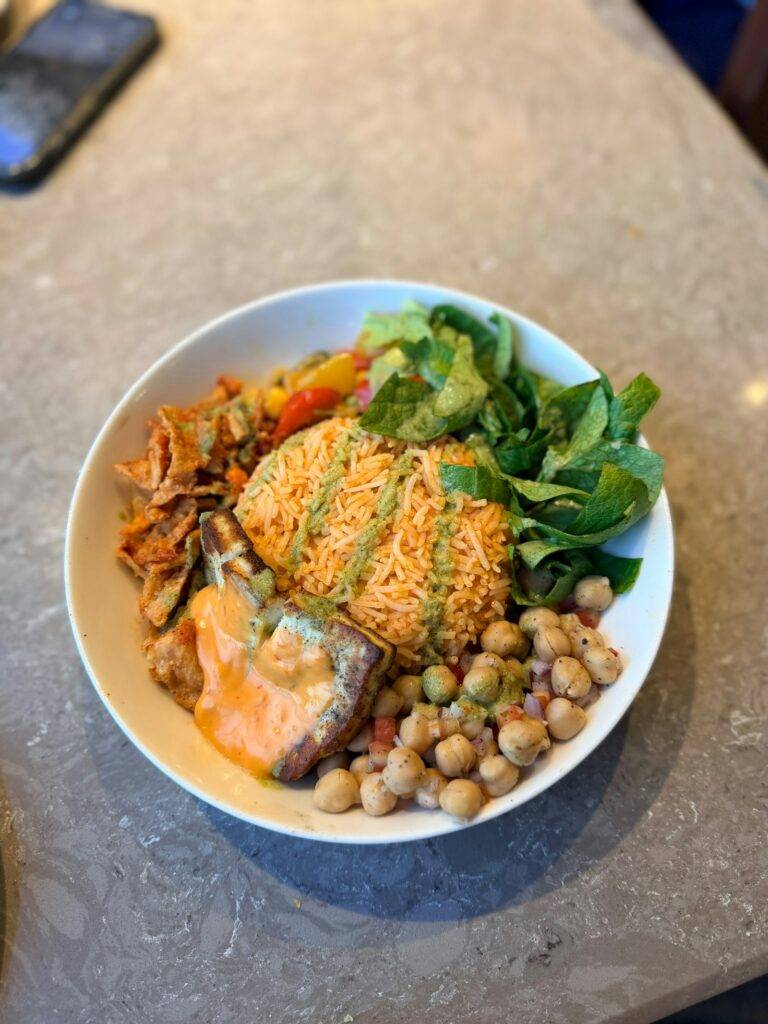
Swap a refined grain for a higher-fibre version where you enjoy it: wholemeal bread, wholewheat pasta, brown rice or another wholegrain. Then add vegetables, beans, lentils or chickpeas.
A wholemeal sandwich with salad and a piece of fruit can be a simple workday option. Lentil soup with wholegrain bread can provide more fibre. A bean and vegetable wrap can work if you prefer something portable.
Dinner: let beans, lentils and vegetables do some of the work
Pulses are especially useful because they add fibre as well as protein. Try adding lentils to a bolognese-style sauce, kidney beans to chilli, chickpeas to curry or mixed beans to soup.
Potatoes can contribute too, especially when the skin is eaten. Pair them with vegetables rather than relying on a low-fibre main component alone.
Our easy healthy dinners for one person can help if you need realistic portion ideas.
Snacks can close the gap
Fruit, a small handful of nuts, vegetable sticks, oatcakes or other wholegrain snacks can add fibre between meals. The goal is not constant grazing. It is to choose a snack that contributes something useful when you are genuinely hungry.
A sample day that can reach roughly 30g
- Breakfast: porridge oats with berries and a spoonful of seeds.
- Lunch: wholemeal bread or a wholegrain wrap with hummus, salad vegetables and fruit.
- Snack: pear or apple with a small handful of nuts.
- Dinner: lentil-and-vegetable curry with brown rice, or bean chilli with a skin-on baked potato.
Depending on portion sizes and products, a day like this can approach or exceed 30g. Use food labels for a more accurate total.
Another 30g-style day if you dislike porridge
Try wholegrain cereal with fruit at breakfast, a baked potato with beans and salad at lunch, fruit or nuts as a snack, and wholewheat pasta with vegetables and lentils at dinner.
The point is flexibility. Fibre comes from many foods, so build around what you actually like, tolerate and can afford.
Increase fibre gradually
If your current intake is low, jumping straight to 30g overnight may leave you uncomfortable. Increase higher-fibre foods gradually so your digestive system has time to adjust.
The NHS also advises drinking enough fluids, because fibre works with fluid in the digestive system.
Use food labels intelligently
UK nutrition labels can help you compare products. Fibre may be listed in the nutrition table, although front-of-pack traffic-light labels usually focus on energy, fat, saturates, sugars and salt.
BetterCare’s guide to UK food labels explains how to compare fibre and other values without overcomplicating shopping.
Wholegrain does not have to mean every grain
You do not need to make every carbohydrate wholegrain from day one. Choose the swaps you enjoy. You might keep white rice at one meal but use wholemeal bread at another, or mix brown and white rice while adjusting to the texture.
A sustainable change you keep is more useful than a perfect plan you abandon after three days.
Beans and lentils are one of the easiest upgrades
Tinned pulses are convenient and usually need little preparation. Rinse them if appropriate and add them to soups, stews, pasta sauces, salads or curries. Half a tin can make a meaningful contribution to the day’s fibre.
Dried pulses can be cheaper per portion but require more preparation. Choose the format that fits your routine.
Fruit works best as part of the whole day
Whole fruit contributes fibre, while juice contains much less because much of the fibre has been removed. Fruit can be useful at breakfast or as a snack, but you do not need large quantities if you also use vegetables, wholegrains and pulses.
If you are working on overall fruit and vegetable intake, see our 5 A Day portion guide.
Vegetables: add them where they already fit
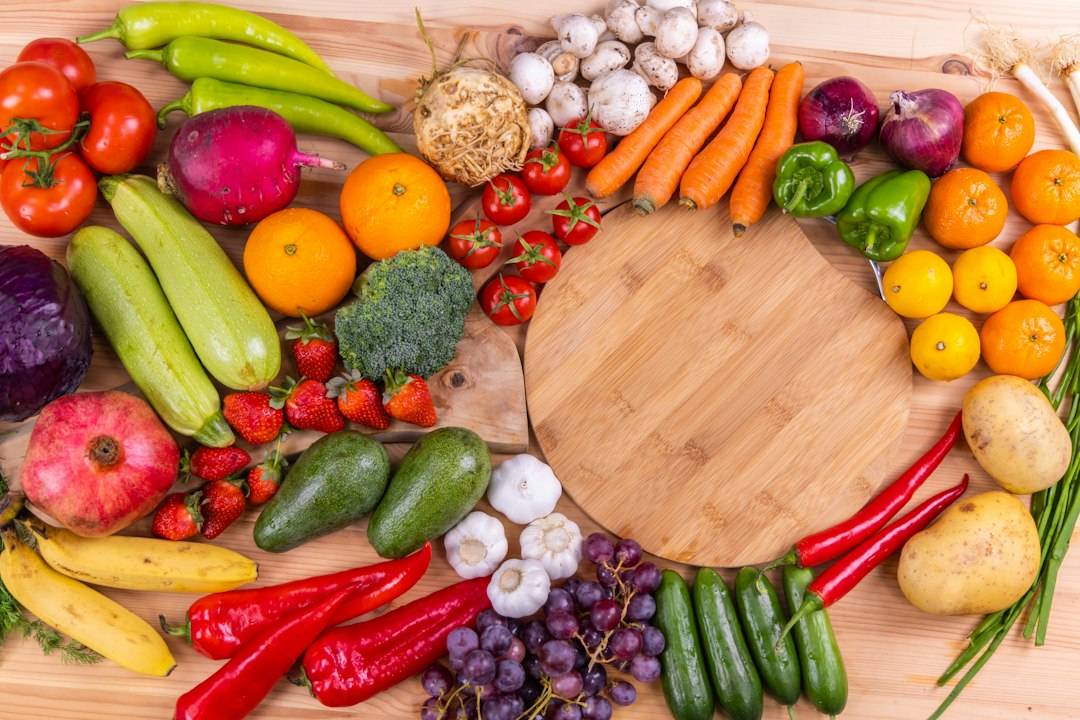
Instead of creating a separate “healthy” side you do not enjoy, add vegetables to meals you already cook: mushrooms and peppers in pasta sauce, frozen peas in rice, carrots in stew, spinach in curry or mixed vegetables in soup.
Frozen and tinned vegetables can be convenient and reduce waste. Check products with added salt or sauces when that matters to you.
Nuts and seeds are useful, but portion matters
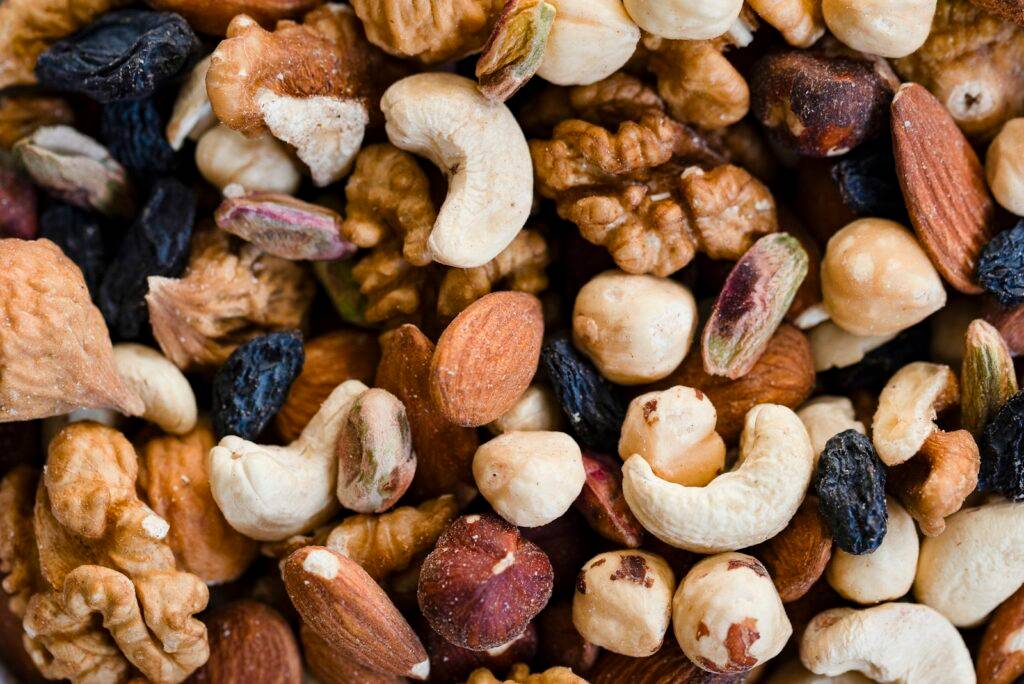
Nuts and seeds are nutrient-dense and can add fibre, but they are also energy-dense. A small portion is often enough. Sprinkle seeds onto porridge or yoghurt, or choose a modest handful of nuts as a snack.
If you have swallowing difficulties, allergies or another reason whole nuts are unsafe, use an alternative that suits your needs.
What if higher-fibre foods cause bloating?
Increase gradually, spread fibre across the day and drink enough. If one food causes difficulty, try another source rather than abandoning fibre entirely.
Persistent bloating, pain, unexplained weight loss, blood in your stool or a major change in bowel habit should not automatically be blamed on fibre. Seek medical advice for symptoms that concern you.
What if you have IBS or another digestive condition?
General 30g guidance may not suit every individual at every stage of a digestive condition. Some people need personalised advice about the type, timing or amount of fibre. If you have IBS, inflammatory bowel disease, bowel narrowing, recent gastrointestinal surgery or another relevant condition, follow advice from your healthcare professional or dietitian.
What if you have a very small appetite?
Large volumes of high-fibre food can make some people feel full quickly. If you are trying to gain weight or have a small appetite, do not automatically maximise fibre at the expense of enough energy and protein. Our small-appetite meal guide addresses that different goal.
A simple higher-fibre shopping list
- porridge oats or wholegrain cereal;
- wholemeal or seeded bread;
- brown rice or wholewheat pasta;
- skin-on potatoes;
- tinned beans, lentils or chickpeas;
- fresh or frozen vegetables;
- fruit you will actually eat;
- nuts or seeds if suitable;
- wholegrain crackers or oatcakes.
A practical way to track without obsessing
For three ordinary days, note your main fibre sources and use food labels or a reputable food database to estimate the total. If you are consistently far below 30g, add one or two foods instead of redesigning your entire diet.
Switching breakfast cereal, adding a piece of fruit and including beans at one meal can close much of the gap for some people.
Build a pattern, not a one-day challenge
Eating 30g of fibre is not about hitting an exact number every single day. It is about making plant foods, wholegrains and pulses normal parts of your weekly diet.
Start with one dependable breakfast, one higher-fibre lunch and two or three dinners you enjoy. Once those are routine, the target becomes easier to approach without counting every gram.
Example fibre-building swaps across one ordinary week
You can raise fibre without changing every meal. On Monday, swap white toast for wholemeal. On Tuesday, add beans to a jacket potato. On Wednesday, choose a piece of fruit instead of juice. On Thursday, add lentils to a pasta sauce. On Friday, use brown rice or another wholegrain you enjoy. At the weekend, try porridge, a bean-based soup or a handful of nuts if suitable. Small repeated changes are often easier to sustain than a sudden “high-fibre diet.”
When shopping, compare similar products rather than chasing the highest number on the shelf. A bread, cereal or wrap that you genuinely enjoy and buy repeatedly is more useful than an extremely high-fibre product you stop eating after one week.
Fibre goals should sit inside the whole diet
Thirty grams is a useful adult reference point, but fibre is only one part of eating well. Meals still need enough energy, protein, fluids and a variety of foods. Someone with a small appetite, an older adult losing weight, or a person following clinical diet advice may need to balance fibre differently. The target should support the overall diet rather than crowding out foods needed for another nutritional goal.
If you are increasing fibre because of constipation, persistent symptoms still deserve attention. Fibre can help many people, but it is not a reason to ignore continuing pain, bleeding, unexplained weight loss or a significant change in bowel habit.
If you want to turn the 30g target into specific meals, use our 30g fibre meal plan, then choose from the focused guides to high-fibre breakfasts, high-fibre lunches and high-fibre snacks for adults. These pages separate meal-level ideas from this broader daily fibre guide so you can go straight to the part of the day you need help with.
Reviewed: September 2026. General nutrition information for UK adults; individual needs can differ because of health conditions, pregnancy, age or clinical advice.