When appetite is small, the hardest part of weight gain is often not knowing what to eat. It is getting enough energy into a portion that still feels manageable. A very large plate can be discouraging, while a small meal that contains protein, starchy carbohydrate and extra energy can be much easier to finish.
The NHS recommends gaining weight gradually by eating smaller meals more often, adding extra calories with foods such as cheese, nuts and seeds, including protein, and using high-calorie drinks between meals rather than filling up on drinks before food. See the official healthy weight-gain guidance.
This guide turns those principles into realistic meal ideas. It is for adults who need to increase intake and have a small appetite. If you are losing weight without trying, have swallowing problems, persistent vomiting or diarrhoea, or a medical condition that affects what you can eat, speak to a healthcare professional rather than relying only on calorie-dense meals.
The aim is more nourishment, not simply a bigger plate
A useful high-calorie meal does not need to look enormous. Instead, increase the energy in foods you already tolerate.
For example, a small bowl of mashed potato becomes more substantial when made with full-fat milk, butter and cheese. A modest pasta portion becomes more useful with olive oil, pesto, cheese or a creamy sauce. Porridge becomes more energy-dense when made with milk and topped with yoghurt, nut butter and banana.
This is the same principle used in BetterCare’s food fortification guide.
1. Creamy porridge with banana and nut butter
Make porridge with full-fat milk or a suitable higher-energy alternative instead of water. Stir in peanut or almond butter and top with banana. Add yoghurt, seeds or honey if wanted.
This works well for people who find dry toast difficult in the morning. The portion can stay small while still providing carbohydrate, protein and extra energy.
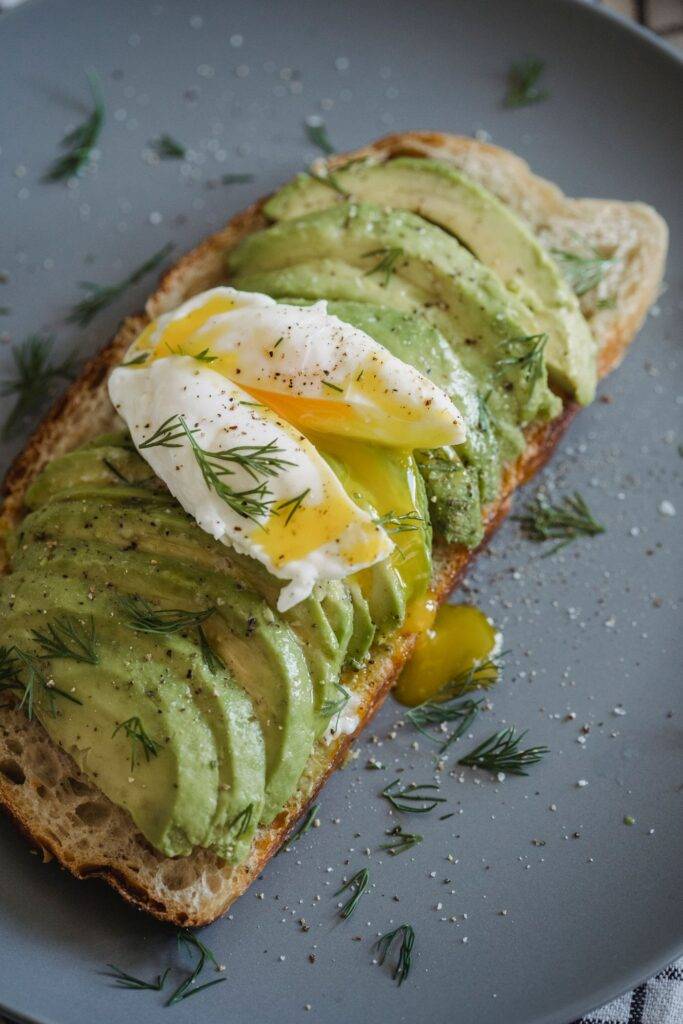
2. Scrambled eggs on buttered toast with avocado
Scrambled eggs are quick, soft and easy to enrich. Cook them with a little butter or milk, serve on buttered toast and add avocado or grated cheese.
If a full breakfast feels too much, use one slice of toast with eggs rather than forcing a large plate.
3. Yoghurt, granola and fruit bowl
Use full-fat yoghurt or Greek-style yoghurt, add granola, banana or berries, and include nuts, seeds or nut butter.
This can work as breakfast, lunch on a low-energy day, or an evening snack when a cooked meal feels unappealing.
4. Cheese and bean jacket potato
A jacket potato is easy to customise. Add baked beans, grated cheese and a little butter. Serve with a small amount of salad or vegetables if wanted.
If a whole large potato is too much, use a smaller one and make the topping more substantial.
5. Tuna mayonnaise potato or sandwich
Mix tinned tuna with mayonnaise and use it as a filling for a baked potato, sandwich or wrap.
Add cheese, avocado or sweetcorn if suitable. Tuna provides protein while mayonnaise and the starchy base increase energy.
6. Creamy chicken pasta
Use pasta with chicken and a sauce made from cream cheese, crème fraîche, pesto or another suitable sauce. Add grated cheese and soft vegetables.
Keep the portion moderate if appetite is small. The sauce helps increase calories without doubling the pasta.
7. Lentil curry with rice and yoghurt
Lentils provide protein and fibre. Cook them in a curry sauce, add coconut milk where appropriate, and serve with rice plus full-fat yoghurt.
This is a useful vegetarian option and freezes well in small portions.
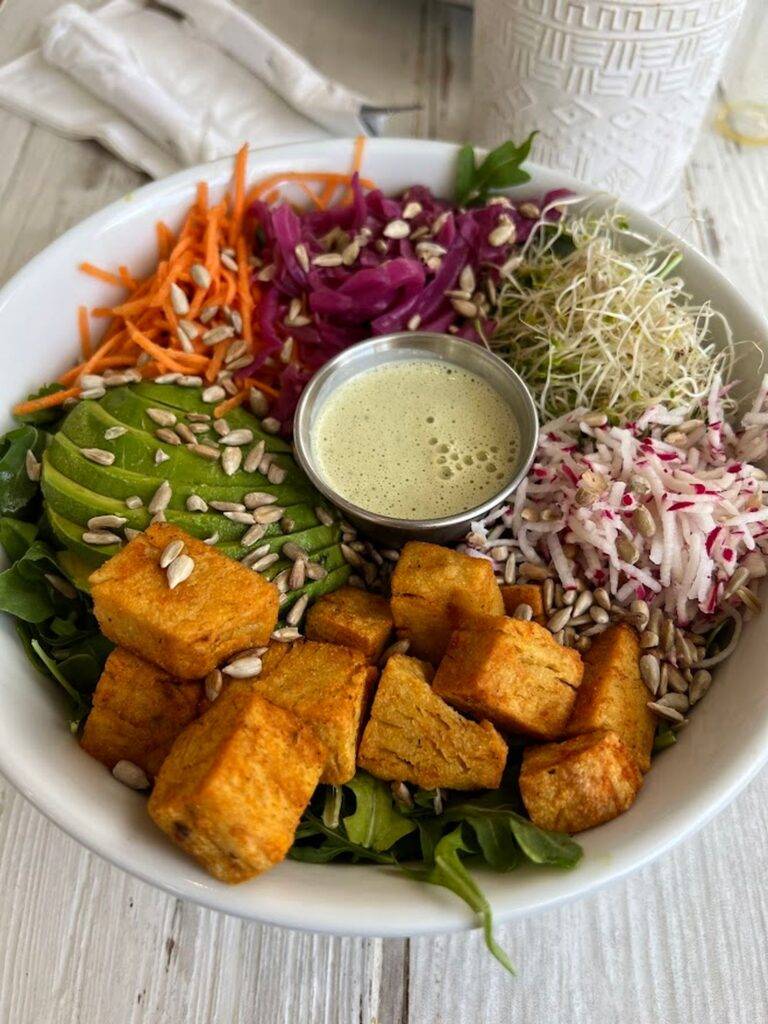
8. Chicken or tofu curry with coconut milk
A curry based on coconut milk can be energy-dense without requiring a huge serving. Use chicken, tofu, chickpeas or another protein and serve with rice or naan.
If spice affects appetite or digestion, keep the seasoning mild.
9. Macaroni cheese with peas
Macaroni cheese combines pasta, milk and cheese in a soft, compact meal. Add peas or spinach for vegetables.
For extra protein, add chicken, tuna or beans if you enjoy them.
10. Cottage pie
Cottage pie is useful because the minced filling and mashed potato are soft and can be enriched easily.
Add olive oil or gravy to the filling, and make the mash with milk, butter and cheese. Include carrots or peas in the filling rather than serving a very large side of vegetables.
11. Fish pie
Fish pie can combine fish, milk-based sauce and mashed potato in one manageable dish.
Use a mix of fish if desired and enrich the mash with butter or cheese. Frozen peas can be added directly to the filling.
12. Omelette with cheese and potato
An omelette is quick when energy for cooking is low. Add cheese, mushrooms, spinach or leftover potato.
Serve with toast if you need more energy, or keep it as a smaller standalone meal on a low-appetite day.
13. Peanut butter and banana toast
This is useful when cooking feels impossible. Spread peanut butter generously on toast and add sliced banana.
Have it with a glass of milk or yoghurt if you need more protein and energy.
14. Hummus, avocado and egg wrap
Spread hummus on a wrap, add avocado and sliced boiled egg, then include soft salad vegetables if wanted.
The combination is compact, portable and easy to eat in stages.
15. Rice bowl with salmon and avocado
Use cooked rice, salmon, avocado and a suitable dressing. Add edamame, cucumber or soft vegetables.
If salmon is expensive, tinned salmon or another oily fish can work too.
16. Beans on toast with cheese
This basic meal is underrated for people with a small appetite. Use buttered toast, baked beans and grated cheese.
It needs little preparation, uses affordable ingredients and combines carbohydrate, protein and energy.
17. Creamy soup with bread and cheese
Soup can be easy to manage, but thin soup may be too low in calories. Enrich it with cream, yoghurt, cheese, milk powder or olive oil where suitable.
Serve with buttered bread, cheese on toast or a sandwich.
18. Risotto with cheese and chicken, fish or peas
Risotto is soft and can carry plenty of energy in a relatively small bowl. Use olive oil, butter and Parmesan, then add chicken, prawns, peas or mushrooms.
Leftovers can be portioned into small containers for later meals.
19. Meatballs with pasta and sauce
Meatballs can be easier to eat than a large piece of meat. Serve with pasta and a tomato or creamy sauce, then add grated cheese.
Vegetarian meatballs can work too if they provide enough protein.
20. Rice pudding with fruit and nuts
A sweet meal can sometimes be easier when savoury foods are unappealing. Rice pudding made with milk can provide energy and protein.
Add fruit, nut butter, nuts or seeds if suitable. It can work as dessert, supper or a small meal on a difficult day.
Use sauces and toppings strategically
One of the simplest ways to increase calories without increasing food volume is to add something to the meal you already eat.
Useful additions include:
- olive oil;
- pesto;
- cheese;
- full-fat yoghurt;
- cream cheese;
- avocado;
- nut butter;
- mayonnaise;
- gravy;
- cream or crème fraîche where appropriate.
You do not need all of them at every meal. Choose one or two that suit the food.
Do not let drinks fill you up before meals
If appetite is small, a large mug of tea, coffee or water just before eating can make it harder to finish food.
Have most drinks between meals where possible. Nourishing drinks can be useful because they add energy as well as fluid.
See our nourishing drinks for weight gain guide for practical ideas.
Keep ready-to-eat components available
Low appetite often comes with low energy. A meal requiring an hour of preparation is less likely to happen.
Useful staples include:
- eggs;
- tinned beans;
- tinned tuna or salmon;
- microwave rice;
- frozen vegetables;
- full-fat yoghurt;
- cheese;
- bread and wraps;
- nut butter;
- ready-made soup;
- frozen meals you enjoy.
Convenience can be part of good nutrition when it helps you eat consistently.
Batch-cook in small portions
Large containers of food can be intimidating when appetite is poor. Freeze chilli, curry, cottage pie or pasta sauce in smaller portions.
That gives you a manageable meal without needing to cook from scratch.
Add protein to each main meal
Protein helps support muscle and recovery. Useful sources include eggs, dairy or alternatives, beans, lentils, fish, meat, tofu, nuts and seeds.
BetterCare’s high-protein foods for healthy weight gain guide explains how to spread protein across the day.
Vegetables still matter, but do not let them dominate the plate
Fruit and vegetables contribute fibre, vitamins and minerals, but a very large low-calorie salad can fill the stomach quickly.
If weight gain is the priority, use sensible portions and pair vegetables with oils, sauces, cheese, avocado or other energy-dense foods.
A practical small-appetite day
- Breakfast: creamy porridge with banana and nut butter.
- Mid-morning: yoghurt and granola.
- Lunch: cheese and bean jacket potato.
- Afternoon: nourishing milkshake.
- Dinner: chicken curry with rice.
- Evening: rice pudding or cheese and crackers.
This is only an example. The useful pattern is several manageable eating opportunities rather than two or three oversized meals.
What if you live alone?
Cooking for one can make weight gain harder because buying many ingredients feels wasteful.
Choose meals that share ingredients. Eggs can be used for breakfast and omelettes. Cheese can go into sandwiches, potatoes and pasta. Frozen vegetables can be added to several meals.
Our meal planning for one guide can help reduce waste while keeping meals varied.
What if you are recovering after illness or hospital?
Fatigue can make both shopping and cooking difficult. Use easy foods, accept help, and prioritise meals you can actually manage.
If weight loss began around an illness or hospital stay, see our guide to gaining weight after illness or hospital.
When high-calorie meals need individual advice
People with diabetes, kidney disease, heart failure, significant digestive conditions, severe allergies or prescribed dietary restrictions may need a more individual plan.
If you have been told to restrict fluid, protein, potassium, salt, fat or another nutrient, follow that advice rather than generic weight-gain recipes.
When to speak to a healthcare professional
Seek advice if weight loss is unexplained, rapid or continuing, if you struggle to swallow, if eating causes pain, or if you have persistent vomiting, diarrhoea or another symptom that makes eating difficult.
A GP or dietitian can help investigate why weight is falling and whether oral nutritional supplements or another plan is appropriate.
Make the meal easier, not bigger
Healthy weight gain with a small appetite is often about concentration rather than volume. Add cheese to the potato, yoghurt to the porridge, pesto to the pasta, avocado to the toast or coconut milk to the curry.
Choose meals you enjoy and can repeat on low-energy days. If the plan is too complicated to make twice, it is probably not the right everyday solution.
For the full BetterCare framework around appetite, food fortification, snacks and meal plans, return to the Healthy Weight Gain pillar.
Reviewed: September 2026. General UK nutrition information; individual dietary needs vary.