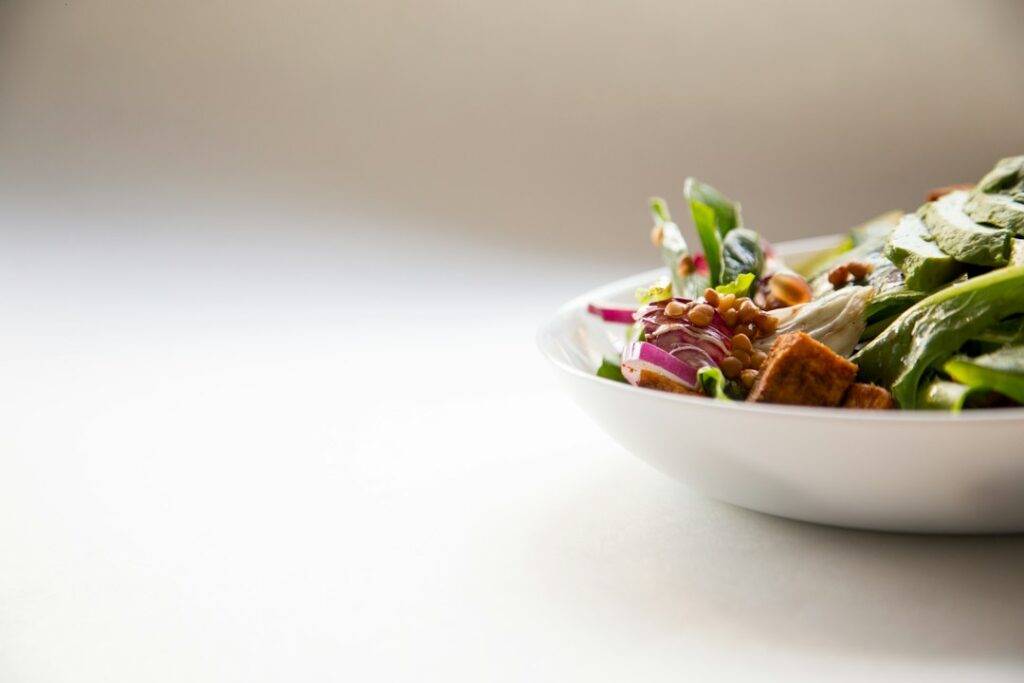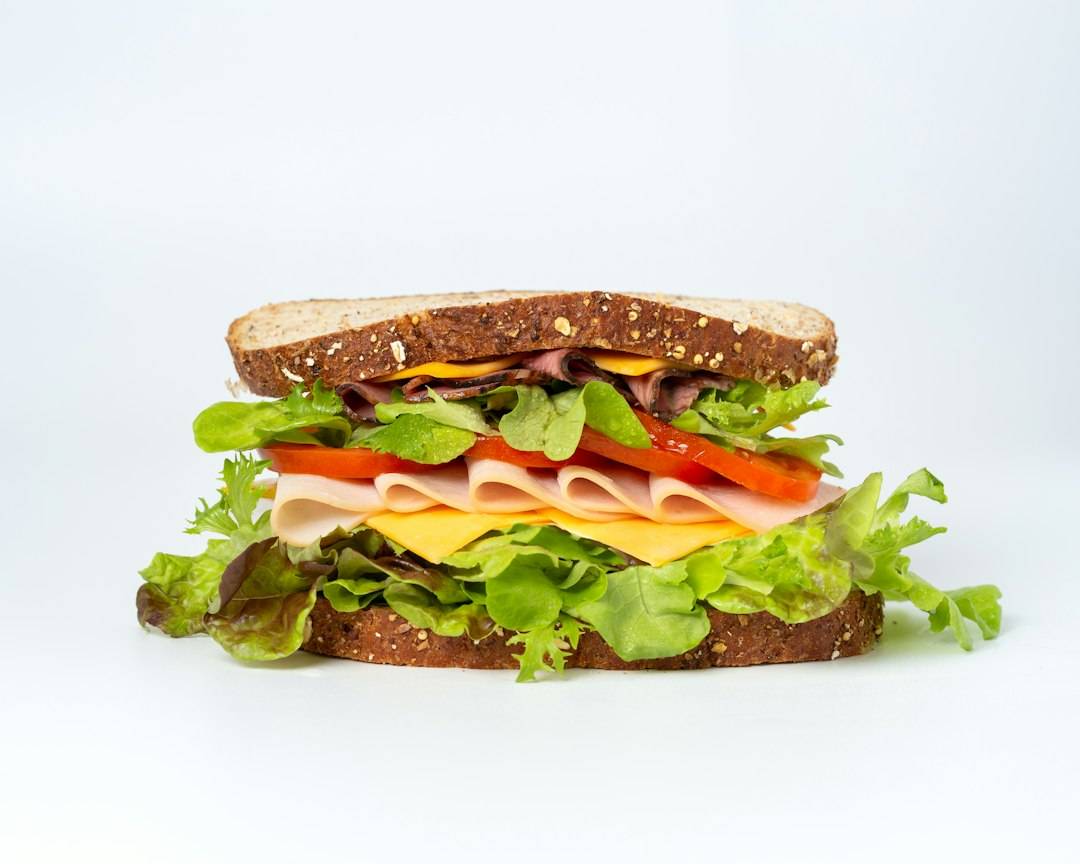
A sandwich can be a balanced lunch, but the filling makes a big difference. Cheese and processed meats are convenient, while tuna, chicken, eggs, hummus, beans and vegetables can give you more variety and often a better balance of protein and vegetables.
NHS Healthier Families recommends swapping salty processed meats such as ham and salami for lean chicken, beef or canned tuna and adding vegetables or salad to sandwiches.
This guide gives practical sandwich filling ideas for adults, including options for work lunches, vegetarian meals, low-waste cooking and quick supermarket combinations.
Start with the bread
Wholemeal or higher-fibre bread can add more fibre than white bread. Wholegrain wraps and pitta can work too.
If you strongly prefer white bread, the filling can still be balanced. Healthy eating does not depend on one ingredient being perfect.
1. Tuna and sweetcorn
Use tuna in spring water, sweetcorn and a modest amount of mayonnaise or yoghurt. Add cucumber or lettuce.
The NHS has a tuna and sweetcorn sandwich recipe that combines tuna, sweetcorn and reduced-calorie mayonnaise.
2. Chicken and salad
Use leftover roast or cooked chicken with lettuce, tomato and cucumber. Add mustard, yoghurt dressing or a small amount of mayonnaise.
3. Egg and cress
Chopped boiled egg with cress, pepper and a small amount of yoghurt or mayonnaise makes a simple protein-rich filling.
4. Hummus and roasted vegetables
Spread hummus on bread or pitta and add roasted peppers, courgettes or aubergine.
5. Cottage cheese and tomato
Cottage cheese with sliced tomato and pepper is quick and high in protein.
6. Salmon and cucumber
Use canned salmon or cooked leftover salmon with cucumber and yoghurt or soft cheese.
7. Chickpea mash
Mash chickpeas with yoghurt, lemon and pepper. Add grated carrot or cucumber.
8. Peanut butter and banana
Peanut butter and banana can work for breakfast or a light lunch. Choose peanut butter without lots of added sugar or salt if available.
9. Cheese and tomato
Cheese can fit a balanced sandwich. Use a moderate portion and add tomato, cucumber, peppers or salad rather than making cheese the only filling.
10. Beef and salad
Leftover lean roast beef with salad leaves, tomatoes and mustard can be a practical alternative to processed deli meats.
11. Falafel and salad
Use falafel with shredded vegetables and yoghurt or hummus. Compare salt if buying packaged falafel.
12. Beans and avocado
Mash white beans with avocado, lemon and pepper for a creamy filling with fibre.
13. Sardine and tomato
Mash sardines with lemon and pepper, then add sliced tomato or cucumber.
14. Leftover roasted vegetables and soft cheese
Roasted vegetables from dinner can become lunch the next day, helping reduce waste.
BetterCare’s leftovers food-safety guide covers storage and transport.
15. Turkey and crunchy vegetables
Use cooked turkey with lettuce, peppers and cucumber. Choose fresh cooked meat rather than heavily processed slices where practical.
Processed meats and salt
Ham, salami and some processed meats can be high in salt. The NHS recommends reducing salty processed meats and using lean meats or canned tuna more often.
Cheese and salt
Cheese also contributes salt and saturated fat. You do not need to avoid it completely, but using smaller amounts and adding vegetables can improve the balance.
Use vegetables to add volume
Tomato, cucumber, lettuce, peppers, grated carrot, spinach and roasted vegetables can all make sandwiches more substantial without relying only on cheese or meat.
Wholegrain bread and fibre
Wholemeal bread, wholegrain wraps and seeded breads can contribute fibre. Compare labels because some “brown” breads are not necessarily high in fibre.
BetterCare’s high-fibre foods guide explains other ways to raise fibre intake.
Sandwiches for work
Keep fillings containing meat, fish, eggs, dairy or mayonnaise chilled during transport. Use an insulated bag or cool pack when needed and refrigerate on arrival.
Prepare fillings the night before
Tuna, egg and chicken fillings can often be prepared in advance and refrigerated safely. Assemble the sandwich in the morning if you want to avoid soggy bread.
Use leftovers carefully
Leftover chicken, beef or roasted vegetables can make good fillings when cooled and stored safely. Do not use leftovers with uncertain storage history.
Sandwich fillings for one person
Choose fillings that can appear in more than one meal. Hummus can go in sandwiches and grain bowls; tuna can fill a sandwich and a baked potato; roast chicken can become dinner and lunch.
BetterCare’s meal prep for one guide uses the same cross-use strategy.
How to make a sandwich more filling
Add a clear protein source, use higher-fibre bread, and include fruit, yoghurt or vegetables on the side.
How to keep salt lower
Use fresh chicken, eggs, tuna in water, hummus and vegetables more often than heavily processed meats. Compare labels for packaged fillings.
What about mayonnaise?
Mayonnaise can fit, but portions add up quickly. You can mix mayonnaise with yoghurt or use mustard, hummus or soft cheese for variety.
What about supermarket meal-deal sandwiches?
Check the nutrition label. Salt can vary greatly between fillings. Pair the sandwich with fruit, yoghurt or water rather than assuming a meal deal needs crisps and a sugary drink.
BetterCare’s food-label guide can help compare packaged sandwiches.
Healthy sandwich fillings for vegetarians
Hummus, egg, cheese with vegetables, chickpea mash, falafel, peanut butter and bean-avocado fillings all work.
Healthy sandwich fillings without mayonnaise
Use hummus, yoghurt, mustard, avocado, soft cheese or mashed beans.
A simple lunchbox formula
Choose a sandwich with protein and vegetables, then add fruit, yoghurt or vegetable sticks and water or milk.
BetterCare’s healthy packed-lunch guide gives more complete lunchbox combinations.
The main goal: build the filling around protein and vegetables
A healthy sandwich does not require unusual ingredients. Start with bread you enjoy, add a clear protein source, include vegetables, and use salty processed meats less often.
Simple fillings are easier to repeat, cheaper to prepare and more likely to work in a real weekday routine.
How to compare packaged sandwich fillings
Check salt and saturated fat for cheese, processed meats and prepared sandwich spreads. For tuna, chicken and egg fillings, compare the amount of mayonnaise or creamy dressing as well as portion size.
How to stop sandwiches becoming repetitive
Rotate one meat or fish filling, one vegetarian filling and one leftover-based filling across the week. This creates variety without requiring a completely different shopping list every day.
How to use one ingredient in several lunches
Roast chicken can become a sandwich, wrap and grain bowl. Hummus can fill a sandwich and serve as a dip. Chickpeas can become a mash filling and also go into soup or curry.
Healthy sandwich fillings for warmer weather
Use lighter combinations such as tuna and sweetcorn, hummus and vegetables, chicken salad or cottage cheese and tomato. Keep perishable fillings chilled during transport.
Healthy sandwich fillings for colder weather
Use roast vegetables, warm chicken, egg, beans or a toasted cheese-and-tomato filling. Pair the sandwich with soup if you want a more substantial meal.
How to make a supermarket sandwich better
If the sandwich is convenient but light on vegetables, add fruit or vegetable sticks. If protein is low, add yoghurt or an egg. If salt is high, avoid pairing it with crisps or another salty side.
Sandwiches and food waste
Sandwiches are useful for finishing small amounts of cooked meat, roasted vegetables, hummus or salad. Plan them deliberately as the next-day destination for suitable leftovers.
When a wrap or pitta is useful
Wraps and pittas can hold vegetables and softer fillings more easily than sliced bread. Nutritionally, compare labels just as you would with bread because fibre and salt vary.
A simple five-day filling rotation
Monday: tuna and sweetcorn.
Tuesday: hummus and roasted vegetables.
Wednesday: egg and cress.
Thursday: chicken and salad.
Friday: chickpea mash or cottage cheese and tomato.
The packed-lunch advantage
Preparing your own sandwich gives you control over filling quantity, vegetables and sides. You do not need to make every component from scratch to improve on a default meal-deal choice.
How to make sandwiches less soggy
Keep wet ingredients away from the bread by using lettuce, cheese or another drier layer first. Pack tomatoes separately if the sandwich needs to last several hours.
How to choose bread for different fillings
Wholemeal sliced bread works for most fillings, wraps are useful for chopped vegetables, and pitta is helpful for hummus or falafel. Compare fibre and salt if buying packaged wraps or specialty breads.
Sandwich fillings when you are short on time
Use tuna and sweetcorn, egg and cress, hummus and salad, cottage cheese and tomato, or peanut butter and banana. Each can be assembled in minutes.
How to build a more complete lunch
Add fruit, yoghurt, vegetable sticks or soup rather than making the sandwich enormous. A balanced lunch does not need every food group stuffed between two slices of bread.
How to keep costs down
Use eggs, chickpeas, hummus, tinned tuna and leftovers as core fillings. Processed deli meats can be more expensive and saltier than these alternatives.
When a sandwich is not enough
If you have a physically active job, larger appetite or longer gap until dinner, add a more substantial side such as yoghurt, fruit, soup or a second half portion rather than choosing a heavily processed filling purely for calories.
Reviewed: September 2026. General UK nutrition information based on current NHS healthy-lunch and salt guidance.