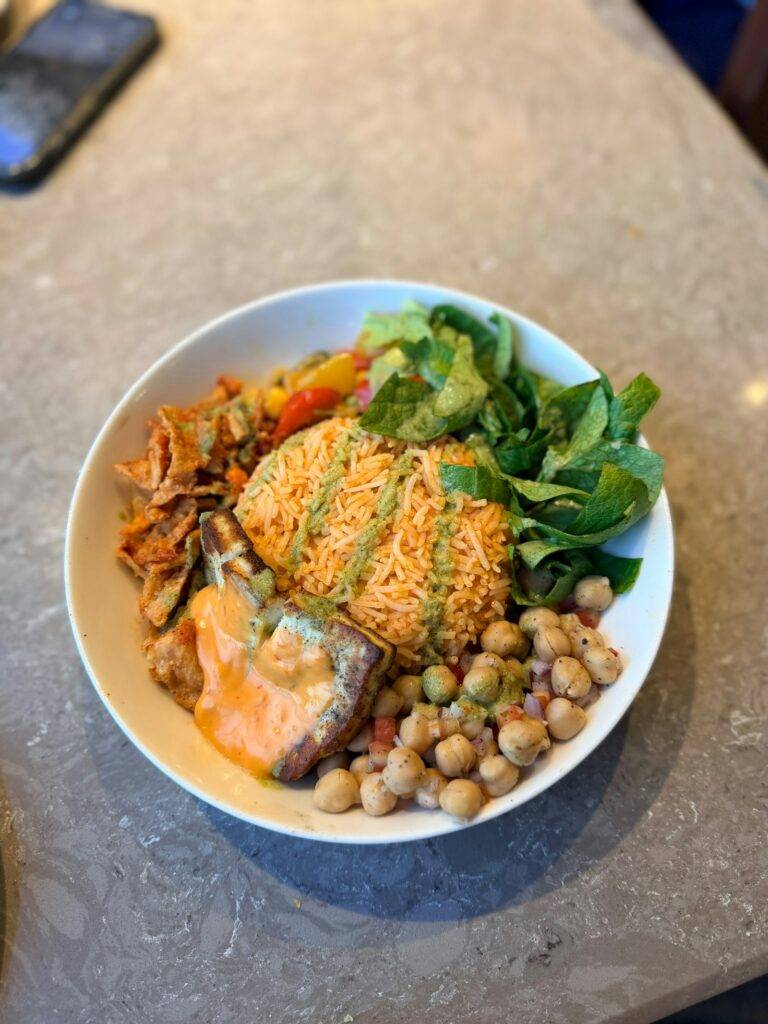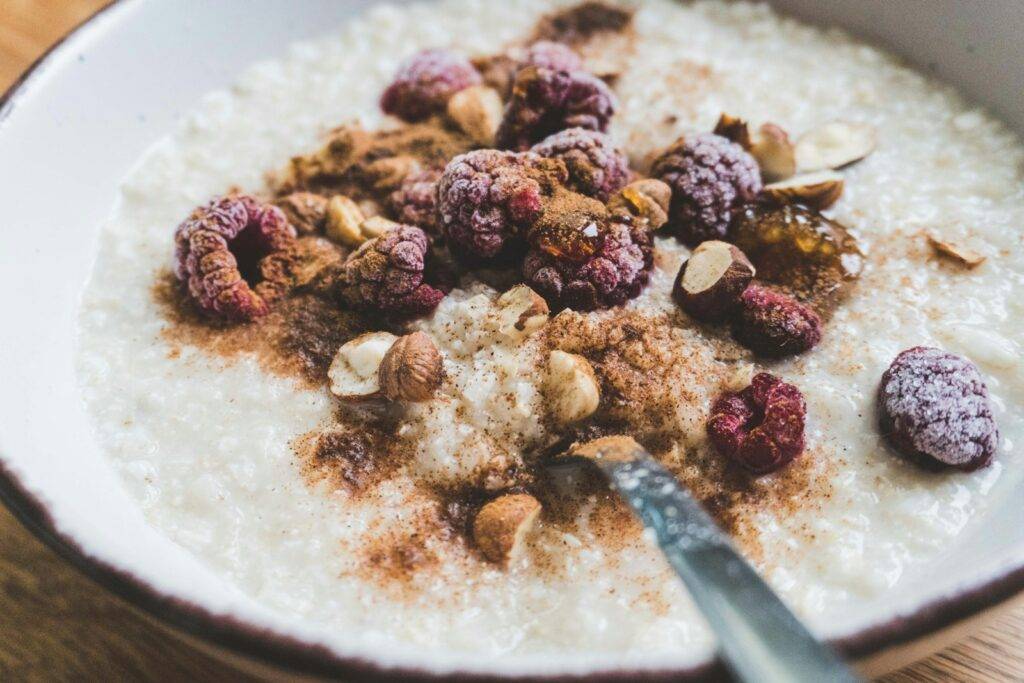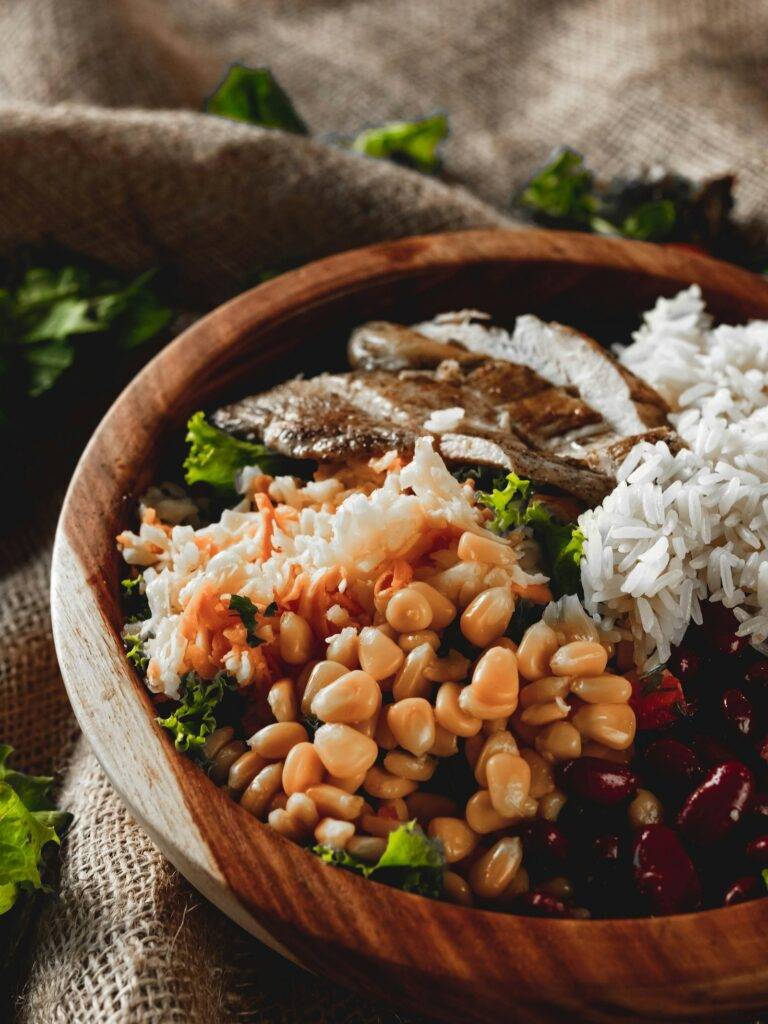
A high-fibre snack is useful when it helps the rest of your diet rather than becoming another rule to follow. If breakfast and lunch are already fibre-rich, you may not need a snack at all. If you are hungry between meals, however, choosing fruit, nuts, seeds, oatcakes, wholegrain crackers or hummus can help you move towards the UK adult fibre target.
The NHS recommends adults aim for around 30g of fibre a day. Its guidance on increasing fibre specifically suggests fresh fruit, vegetable sticks, rye crackers, oatcakes and unsalted nuts or seeds as snack options.
This guide focuses on practical adult snacks you can use at home, work or while travelling, with enough variety that “eat more fibre” does not become “eat the same apple every afternoon.”
What makes a snack high in fibre?
Fibre comes from plant foods. A snack will therefore get most of its fibre from fruit, vegetables, wholegrains, pulses, nuts or seeds. Cheese, eggs and plain yoghurt can be nutritious, but they contain little or no fibre by themselves.
Pairing foods often works well. Yoghurt plus berries and seeds contains more fibre than yoghurt alone. Crackers plus hummus usually provide more fibre than crackers with cheese, depending on the cracker.
1. Apple or pear with a small handful of nuts
This is one of the simplest combinations because it is portable and needs no preparation. Keep the skin on the fruit if you enjoy it and it suits you. Choose unsalted nuts where possible.
If whole nuts are unsafe because of swallowing problems, use a suitable alternative such as smooth nut butter if clinically appropriate.
2. Oatcakes with hummus
Oatcakes provide a wholegrain base and hummus adds chickpeas. Add cucumber, tomato or pepper strips if you want more volume and variety.
Compare oatcakes because fibre and salt content can vary between products.
3. Rye crackers with hummus
Rye crackers can be a higher-fibre alternative to some refined crackers. Hummus adds another plant source. This combination works particularly well if you prefer savoury snacks.
4. Berries with yoghurt and seeds
Plain yoghurt is not a fibre source, but berries and seeds are. Add a modest spoonful of chia, linseed or another seed rather than creating an oversized bowl that becomes a second meal.
If you are watching added sugar, plain yoghurt lets you control sweetness with fruit.
5. Banana with peanut butter
Banana is convenient and peanut butter adds energy, protein and some fibre. Spread peanut butter onto banana slices or have it on a wholegrain cracker if you need something more substantial.
6. Carrot and pepper sticks with hummus
Vegetable sticks are easy to prepare in batches. Hummus makes the snack more satisfying and adds pulses. If raw vegetables are uncomfortable for you, try another option rather than forcing them.
7. Wholegrain toast with nut butter
One slice can work as a snack when you need something more filling than fruit. Add sliced banana or berries if you want extra fibre.
8. A small bowl of wholegrain cereal
Cereal does not have to be reserved for breakfast. A small bowl of higher-fibre cereal with milk can be an easy evening snack. Compare fibre per 100g and do not assume all granolas or “natural” cereals are high in fibre.
9. Roasted chickpeas
Chickpeas are a pulse and can be roasted with spices for a crunchy snack. Tinned chickpeas make this easier. Drain, rinse and roast until crisp using a method that suits your oven.
Keep the portion sensible because a large bowl can be very filling, especially if you are increasing fibre quickly.
10. Edamame
Cooked edamame beans can be a convenient fibre- and protein-containing snack. Frozen bags are easy to portion. Check preparation instructions and avoid eating the pod.
11. Fruit with oatcakes
An apple, orange or pear plus a couple of oatcakes is useful when fruit alone does not keep you satisfied. This is also easy to pack for work.
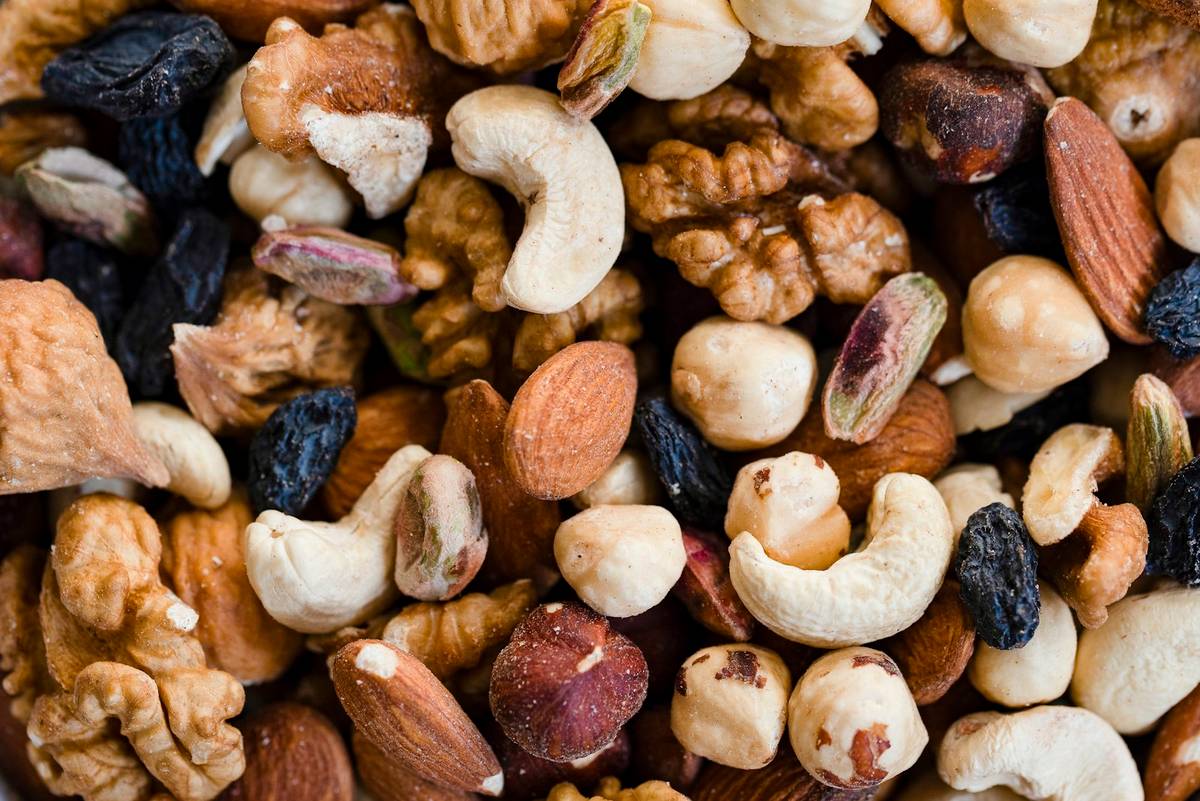
12. Homemade trail mix
Combine unsalted nuts, seeds and a small amount of dried fruit. Keep dried fruit portions modest and have it as part of the snack rather than repeatedly grazing on it, because dried fruit is concentrated and can stick to teeth.
13. Wholegrain crackers with mashed beans
Mash butter beans, cannellini beans or chickpeas with lemon, herbs or a little olive oil. Use the mixture as a spread on wholegrain crackers. This can be prepared ahead and stored safely in the fridge.
14. Popcorn
Plain air-popped or lightly seasoned popcorn is a wholegrain snack and can contribute fibre. Large cinema-style portions covered in butter, salt or sugar are a different proposition, so the preparation matters.
15. Fruit and nut butter on wholemeal toast
This is useful when you are genuinely hungry and need a more substantial snack. Try apple slices with peanut butter, banana with almond butter, or another combination that suits allergies and preferences.
16. Chia pudding
Chia seeds absorb liquid and form a gel. A small chia pudding can provide fibre, but increase seeds gradually if your current intake is low and drink enough fluid during the day.
This is not suitable for everyone, particularly where swallowing safety is an issue, so adapt to individual needs.
17. A small portion of bean salad
Leftover chickpea, lentil or mixed-bean salad can work as a snack or mini-meal. Keep it refrigerated and follow food-safety guidance. Add tomatoes, cucumber or herbs for variety.
18. Pear with yoghurt and walnuts
Combining fruit, yoghurt and nuts gives fibre plus protein and makes the snack more substantial. Use a smaller portion if you only need something light.
How many high-fibre snacks do you need?
There is no requirement to eat snacks. If you prefer three meals and can meet your nutritional needs that way, that is fine. Snacks are simply a useful place to add fibre when there is a long gap between meals or when your main meals are not very high in fibre.
Our 30g fibre meal plan shows how snacks can fit without taking over the day.
Choose snacks based on the rest of your day
If breakfast was porridge with fruit and lunch contained beans and wholegrains, you may only need a piece of fruit later. If breakfast was eggs on white toast and lunch was low in vegetables, a snack with fruit, nuts, seeds or hummus can help close the gap.
This is more useful than treating every snack as an isolated “healthy” decision.
High-fibre snacks for work
- whole fruit;
- small packets of unsalted nuts;
- oatcakes or rye crackers;
- wholegrain crackers with a sealed pot of hummus;
- yoghurt with berries and seeds if refrigeration is available;
- roasted chickpeas;
- homemade trail mix.
Keep a non-perishable option at work so hunger does not automatically mean buying whatever is closest.
Budget-friendly options
Bananas, apples, own-brand oats, own-brand wholemeal bread, tinned chickpeas and basic peanut butter are often cheaper than specialist snack bars. Frozen berries can reduce waste. Homemade roasted chickpeas or popcorn may also cost less per portion than packaged “high fibre” snacks.
Do fibre bars count?
They can contribute fibre, but they are not automatically superior to ordinary food. Some bars are expensive, high in added sugars or contain added fibres that can cause bloating in some people. Read the label and decide whether the product is useful for your routine.
A piece of fruit with nuts may be cheaper and just as practical.
Increase fibre gradually
If you suddenly add several fibre-rich snacks on top of your normal meals, bloating and wind are more likely. Build up gradually and drink enough fluid. The same principle applies to high-fibre breakfasts and meals.
When a high-fibre snack is not the right goal
If you are underweight, have a very small appetite or are losing weight unintentionally, bulky high-fibre snacks may fill you up before meals. In that situation, higher-energy snacks may be more appropriate. See our high-calorie healthy snack guide for the separate weight-gain intent.
Digestive symptoms deserve context
If you have IBS, inflammatory bowel disease, a bowel narrowing, recent gastrointestinal surgery or another condition affecting fibre tolerance, follow individual clinical advice. Persistent pain, bleeding, unexplained weight loss or a significant change in bowel habit should not be dismissed as “just needing more fibre.”
Make snacks easy enough to repeat
The most useful snack is one you can actually keep around. Pick three defaults: perhaps fruit and nuts, oatcakes with hummus, and yoghurt with berries. Rotate them rather than buying a large collection of products.
For breakfast-specific ideas, see our high-fibre breakfast guide, and for the broader daily target see how to eat 30g fibre a day.
How to choose a snack when you are already close to 30g
If your meals already contain plenty of wholegrains, pulses, vegetables and fruit, you do not need to chase extra fibre simply because a snack is available. Choose based on hunger first. A modest snack such as fruit, yoghurt with berries or a few oatcakes may be enough.
This is especially useful if you notice that very high-fibre snacks leave you too full for dinner. The aim is to build a balanced day, not to maximise every eating occasion.
Simple snack preparation for the week
Wash a few pieces of fruit, portion nuts into small containers, keep oatcakes or rye crackers in a dry cupboard, and prepare one tub of hummus or bean dip. These small steps remove friction on busy days and make a higher-fibre choice as convenient as a biscuit or vending-machine snack.
If you prepare cut vegetables, refrigerate them promptly and use them within a safe timeframe. Convenience only helps when food remains appealing and safe to eat.
Reviewed: September 2026. General information for UK adults; individual needs and digestive tolerance vary.