Plant-based eating can work very well for healthy weight gain, but it needs a different strategy from the usual “eat more vegetables” advice. If appetite is small, huge bowls of salad, plain steamed vegetables and very high-fibre meals can fill you up before you have eaten enough energy.
The NHS recommends gaining weight gradually by adding healthy calories, eating smaller meals more often and including protein regularly. For a plant-based diet, that usually means combining foods such as beans, lentils, tofu, tempeh, soya products, nuts, seeds, nut butters, avocado, oils and higher-energy starchy foods. See the official NHS healthy weight-gain guidance.
This guide is for adults who want to gain weight on a vegetarian or vegan-style diet. It is not a substitute for individual advice if you have unexplained weight loss, kidney disease, swallowing problems, severe digestive symptoms or another condition that changes your nutritional needs.
Plant-based weight gain still depends on enough total energy
Protein matters, but weight gain will remain difficult if total calories stay too low.
A large vegetable stir-fry with very little oil, rice or protein can look healthy but still be too light for someone trying to gain weight.
Build meals with three parts: a protein source, a starchy carbohydrate and an energy-rich addition such as olive oil, avocado, tahini, nuts, seeds or a creamy sauce.
Use soya foods as a reliable protein base
Tofu, tempeh, edamame, soya milk and soya yoghurt can all contribute protein.
Soya products are particularly useful because many provide more protein than other plant alternatives.
Choose fortified soya milk or yoghurt where possible so that calcium and vitamin B12 are included too.
Tofu can be made much more energy-dense
Plain tofu is useful but can be quite light by itself.
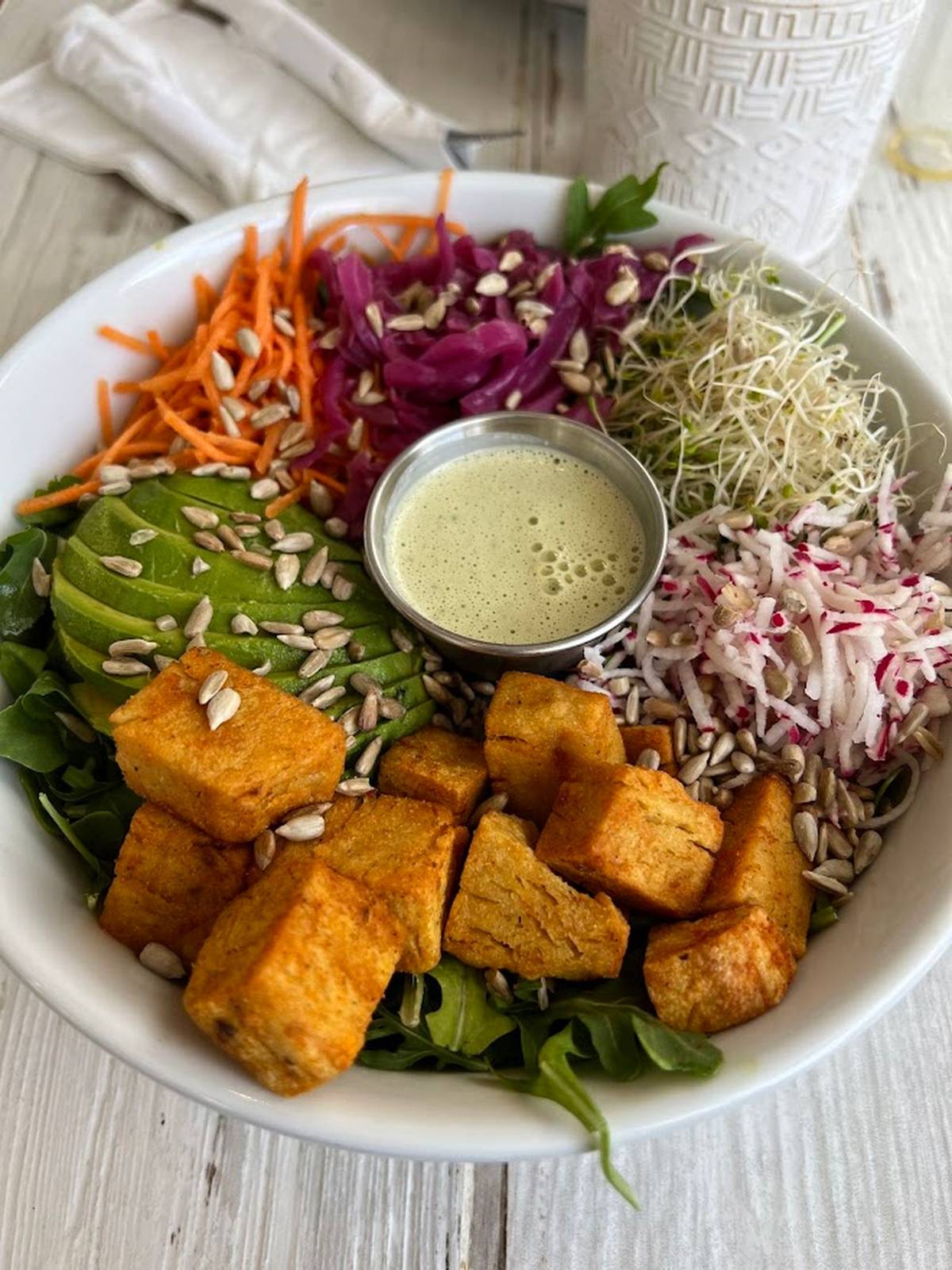
Cook it with oil, peanut sauce, tahini dressing, coconut milk or a richer curry sauce. Serve with rice, noodles or potatoes.
That turns a modest tofu portion into a much more useful weight-gain meal.
Tempeh is useful when you want something firmer
Tempeh has a firmer texture and can be sliced into sandwiches, wraps, grain bowls or stir-fries.
Marinate it and cook with oil, then pair it with rice, avocado or a sauce rather than serving it with vegetables alone.
Beans and lentils are affordable, but volume can be a problem
Beans, lentils and chickpeas provide protein, fibre and useful minerals.
The challenge is that very large pulse portions can be filling. Instead of simply eating more beans, add energy around them.
Use olive oil in lentil soup, coconut milk in chickpea curry, hummus in wraps, or avocado with bean dishes.
Nut butter is one of the easiest weight-gain foods
Peanut, almond, cashew and other nut butters add a lot of energy in a small amount.
Use them in porridge, toast, smoothies, yoghurt, satay-style sauces, banana snacks and overnight oats.
For a small appetite, a spoonful of nut butter is often easier than another large serving of food.
Nuts and seeds are compact and useful
Add walnuts, almonds, peanuts, pumpkin seeds, sunflower seeds, chia or flaxseed to meals and snacks.
They contribute energy, protein and unsaturated fats without making the portion much larger.
Use ground or butter forms if chewing is difficult.
Tahini works in savoury and sweet foods
Tahini is sesame seed paste and can be mixed into hummus, dressings, sauces or porridge.
It is energy-dense and works well when you want to enrich a meal without adding much bulk.
Avocado adds energy without a large portion
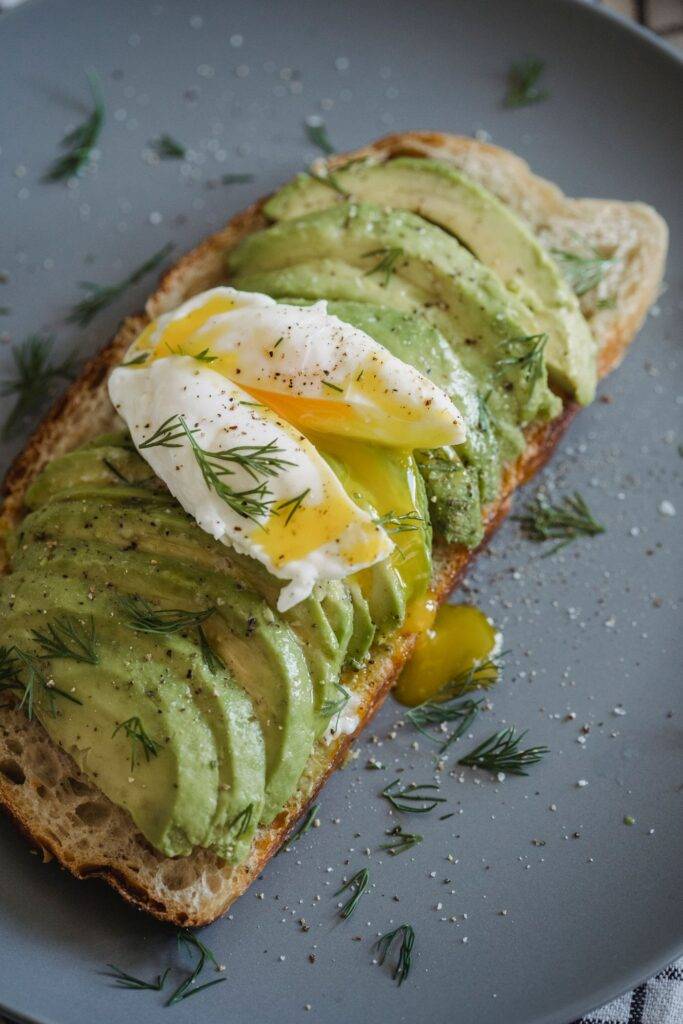
Use avocado on toast, in wraps, in rice bowls or alongside beans.
It provides unsaturated fat and can make a light meal more substantial.
Olive oil is an easy way to fortify savoury meals
Drizzle olive oil onto pasta, soup, roasted vegetables, grains or hummus.
Because oil is energy-dense, a small amount can increase calories without making the plate bigger.
Use it as part of a meal rather than drinking oil or forcing large amounts.
Coconut milk can make curries more suitable for weight gain
Chickpea, tofu or lentil curry made with coconut milk can be much more energy-dense than the same dish made only with tomatoes and vegetables.
Serve with rice or naan for additional carbohydrate and energy.
Choose starchy foods you can eat comfortably
Rice, pasta, bread, oats, potatoes, couscous and noodles can all support weight gain.
Do not remove carbohydrates in an attempt to make the diet “cleaner.” They provide useful energy and make plant-based meals easier to build.
Plant-based breakfast ideas
- porridge made with fortified soya milk, banana and peanut butter;
- toast with avocado and tofu scramble;
- overnight oats with soya yoghurt, nuts and seeds;
- granola with fortified plant yoghurt and fruit;
- smoothie with soya milk, banana, oats and nut butter.
Breakfast is a good place to add calories because the ingredients can be made energy-dense without requiring a huge portion.
Plant-based lunch ideas
- hummus, avocado and roasted-vegetable wraps;
- lentil soup with bread and olive oil;
- tofu sandwich with vegan mayonnaise;
- chickpea and couscous bowl with tahini dressing;
- bean chilli with rice and avocado.
Plant-based dinner ideas
Useful higher-energy dinners include tofu curry with coconut milk, lentil bolognese with olive oil and pasta, tempeh noodles with peanut sauce, chickpea curry with rice, or bean chilli with avocado and bread.
BetterCare’s high-calorie meal guide can be adapted easily by swapping animal proteins for tofu, tempeh, beans or lentils.
Use nourishing drinks between meals
A plant-based smoothie can be useful when chewing another meal feels difficult.
Combine fortified soya milk, banana, oats, nut butter and fruit.
Drink it between meals rather than just before food if liquids reduce your appetite.
Protein powders are optional
You do not need plant protein powder to gain weight.
It can be convenient if you struggle to reach protein needs, but ordinary foods such as tofu, soya milk, beans and nut butter can work well.
If you use a powder, check the ingredient list and whether the product contains unnecessary stimulants or very large doses of added ingredients.
Do not let fibre become too high too quickly
Plant-based diets can become very high in fibre, especially if every grain is wholegrain and every meal contains large amounts of beans and vegetables.
For someone with a small appetite, that can make eating enough difficult.
Use a mix of wholegrain and refined starchy foods if necessary. White rice, ordinary pasta or bread can be useful when volume is the main barrier.
Choose fortified plant milks
Look for calcium and vitamin B12 on the label. Some products also provide vitamin D or iodine.
Soya milk usually provides more protein than almond or rice drinks, although products vary.
Our food-label guide can help you compare them.
Vitamin B12 needs deliberate attention
Vitamin B12 is naturally found mainly in animal-derived foods, so people eating a vegan diet need reliable fortified foods or a suitable supplement.
Do not rely on unfortified plant foods as a dependable B12 source.
If you are unsure about supplementation, ask a pharmacist, GP or dietitian.
Calcium matters too
Fortified plant milks and yoghurts, calcium-set tofu and some leafy vegetables can contribute calcium.
Check labels because not every plant alternative is fortified.
Iron sources on a plant-based diet
Lentils, beans, chickpeas, tofu, fortified cereals, nuts and seeds can provide iron.
Eating vitamin-C-rich foods such as peppers, oranges, berries or broccoli with meals can help the body absorb plant iron.
Omega-3 fats need planning
Walnuts, chia seeds, flaxseed and rapeseed oil provide plant omega-3 fats.
Some people choose algae-based omega-3 supplements, particularly on a vegan diet.
Plant-based high-calorie snacks
- peanut butter on toast;
- trail mix;
- soya yoghurt with granola;
- hummus and pitta;
- banana with nut butter;
- avocado on crackers;
- oatcakes with tahini;
- smoothies.
Budget-friendly plant-based weight gain
Beans, lentils, peanut butter, oats, rice, pasta, potatoes and frozen vegetables are inexpensive staples.
Tofu and soya milk can also be cost-effective when bought as own-brand products.
Expensive meat substitutes are optional, not essential.
Make your meals easier to repeat
Healthy weight gain becomes much more practical when you have two or three repeatable combinations rather than a long list of complicated recipes.
Keep tofu, rice, frozen vegetables and a jar of peanut or curry sauce available for a quick dinner. Keep oats, fortified soya milk, banana and nut butter for breakfast. Keep hummus, wraps and avocado for lunch.
Repetition is not a nutritional failure. Variety can come across the week while individual meals remain simple enough to prepare when appetite or energy is low.
A practical one-day example
- Breakfast: porridge with soya milk, banana and peanut butter.
- Snack: trail mix and fruit.
- Lunch: hummus and avocado wrap with soya yoghurt.
- Snack: smoothie with oats and nut butter.
- Dinner: tofu coconut curry with rice.
- Evening: toast with peanut butter or fortified plant yoghurt.
Strength activity can support muscle gain
If it is safe for you, strength training can help ensure some of the gained weight supports muscle.
If you are recovering from illness, frail or have mobility problems, seek advice about appropriate exercise.
When appetite is very small
Use smaller meals more often and add energy rather than simply making portions bigger.
BetterCare’s small-appetite weight-gain guide explains this pattern in more detail.
Check weight trends without obsessing over daily changes
If you are trying to regain weight, weekly trends are usually more useful than day-to-day fluctuations. Fluid, bowel habits and meal timing can move the scale from one day to the next.
If weight continues to fall despite a higher-energy intake, or eating is becoming progressively harder, speak to a GP or dietitian rather than repeatedly adding more food without understanding the cause.
When to ask for professional help
Speak to a healthcare professional if weight loss is unexplained, rapid or continuing, or if you are struggling to eat enough despite making changes.
A dietitian can help make sure a plant-based diet provides enough energy, protein and micronutrients for your individual situation.
Plant-based weight gain works best when meals are concentrated, not oversized
The main strategy is simple: combine plant protein with starchy foods and energy-dense additions.
Tofu plus rice plus peanut sauce works better for weight gain than tofu and steamed vegetables alone. Porridge with fortified soya milk and nut butter works better than porridge made only with water.
For the broader BetterCare approach to calories, appetite, meal planning and recovery, return to the Healthy Weight Gain pillar.
Reviewed: September 2026. General UK nutrition information; vegan diets require reliable vitamin B12 and appropriate nutrient planning.