When appetite is small, breakfast can become the first missed opportunity of the day. A large plate may feel impossible, but a small breakfast can still provide useful energy and protein if you build it carefully.
The NHS advises people trying to gain weight to do so gradually, often by adding around 300 to 500 extra calories a day, eating smaller meals more often and adding calorie-dense foods such as cheese, nuts and seeds. Its healthy weight gain guidance also recommends high-calorie drinks between meals rather than filling up on drinks before meals.
This guide focuses specifically on breakfast when you have a small appetite. It is not a general “bulking” diet. The aim is to make a modest breakfast work harder without forcing yourself to eat a much larger portion.
Why breakfast can be difficult with a small appetite
Some people wake without hunger. Others feel nauseated, tired or full quickly. Illness, medication, low mood, recovery after hospital, ageing and many medical conditions can reduce appetite. If you are losing weight without trying, the first step is not simply to add calories; speak to a GP or appropriate healthcare professional so the cause can be assessed.
If you already know that you need to improve intake, breakfast is useful because even a small amount can reduce the pressure on lunch and dinner.
The basic rule: make each mouthful count
Instead of doubling the bowl or adding several slices of toast, increase the energy and protein in the portion you already tolerate. NHS dietetic services often call this food fortification.
Examples include using full-fat milk in porridge, adding milk powder, stirring nut butter into oats, adding cheese to eggs, spreading nut butter on toast, or serving yoghurt with nuts and granola.
Our food fortification guide explains this principle across the whole day.
1. Fortified porridge
Make porridge with full-fat milk rather than water if suitable. Stir in milk powder, peanut butter, ground nuts, full-fat yoghurt, cream or another appropriate addition. Top with banana or dried fruit if you enjoy it.
You do not need to add everything at once. One or two additions can raise the energy content while keeping the bowl manageable.
2. Peanut butter and banana toast
Use toast you enjoy and spread it generously with peanut butter, then add banana slices. If two slices feel too much, use one well-topped slice and add a milky drink later.
Nut butters can be especially useful because they add energy in a small volume. Avoid them if you have a relevant allergy or swallowing restriction.
3. Scrambled eggs with cheese
Scramble eggs with milk and add grated cheese or a little butter. Serve on toast or with a small potato cake if you want more carbohydrate. This gives protein and energy without needing a huge plate.
If chewing is tiring, soft scrambled eggs can be easier than a dry breakfast.
4. Greek yoghurt bowl with granola and nut butter
Use full-fat Greek-style yoghurt if suitable, add granola or oats, fruit and a spoonful of nut butter. Keep the bowl small enough that it does not feel overwhelming.
If fibre makes you full quickly, choose a modest amount of fruit and cereal rather than turning this into a very high-fibre meal.
5. Cheese on toast
Cheese on toast is simple, savoury and compact. Add tomato, avocado or an egg if you can manage it. If your appetite is very small, even one slice can be a useful start.
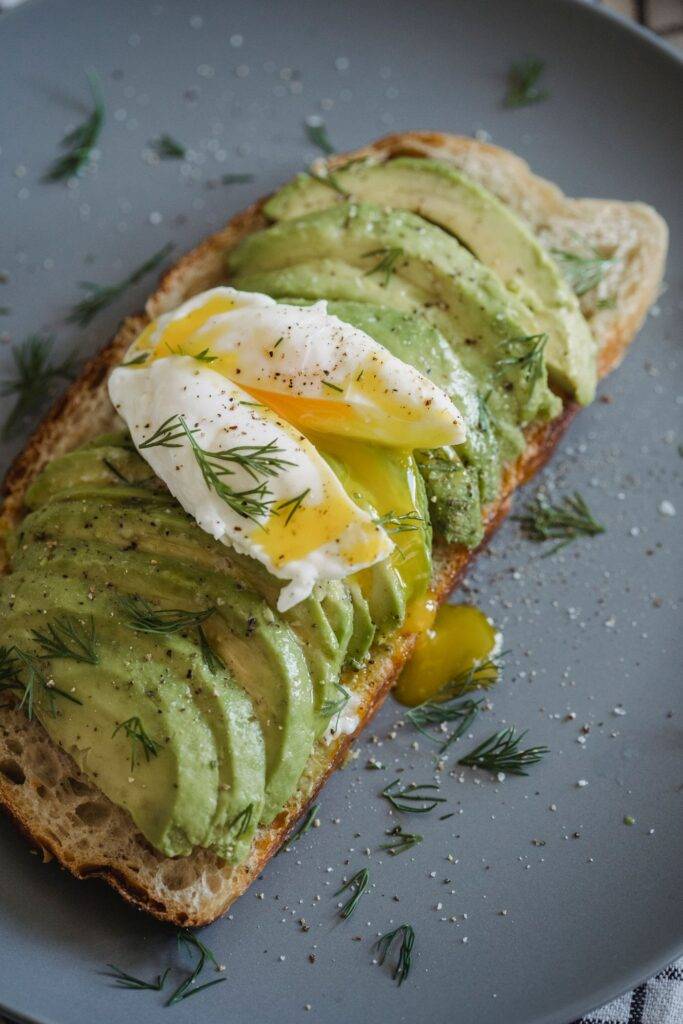
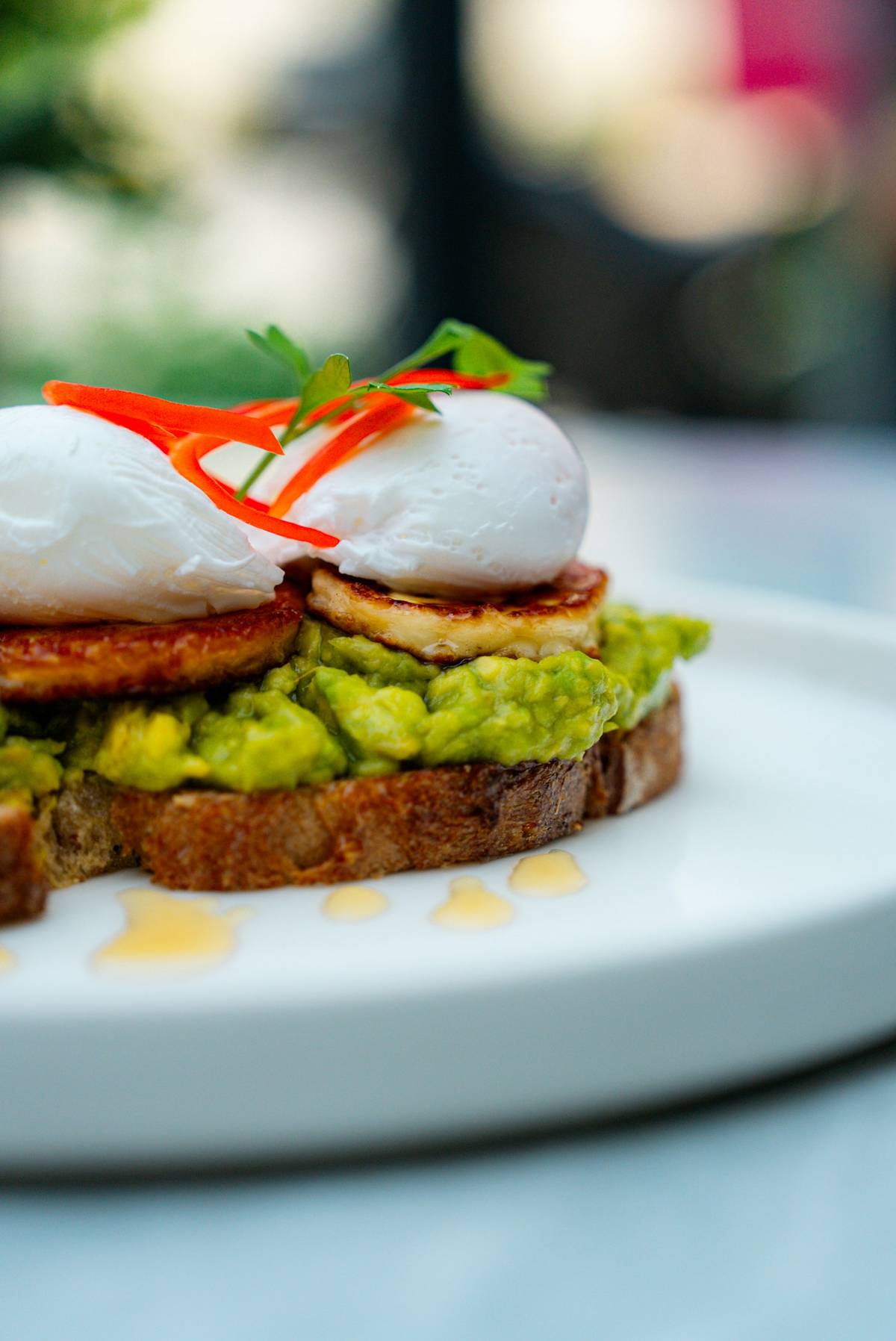
6. Avocado and egg on toast
Avocado adds energy in a relatively small amount, while egg adds protein. Use one slice of toast if two is too much. A little olive oil or cheese can increase energy further if appropriate.
7. Breakfast sandwich
A small sandwich or roll filled with egg and cheese, chicken, tuna mayonnaise or another substantial filling may be easier to eat on the move than a sit-down breakfast. Choose a size you can actually finish.
8. Milky cereal with extras
If cereal is easier than cooked food, use full-fat milk and add nuts, seeds, dried fruit or yoghurt. A very high-fibre cereal may fill you quickly, so the best choice depends on your main goal.
When weight gain is the priority, energy and protein may matter more than maximising fibre at breakfast.
9. Rice pudding or custard-style breakfast
Breakfast does not have to be traditional. A small bowl of rice pudding made with milk can be easier for some people, especially if appetite is poor early in the day. Add fruit, cream or nut butter where suitable.
10. Smoothie or milkshake alongside, not before, breakfast
If solid food is difficult, a nourishing drink can help. Milk, yoghurt, fruit, nut butter, oats or milk powder can make a drink more substantial. Have it between meals or after breakfast rather than filling up on a large drink first.
See our nourishing drinks guide for practical combinations.
11. Full-fat yoghurt with stewed fruit
Soft fruit and yoghurt can be easier to manage when chewing or appetite is poor. Add ground nuts, granola, honey or another suitable extra if you need more energy.
12. Beans and cheese on toast
Baked beans add protein and carbohydrate; cheese increases energy and protein further. One well-topped slice may be enough for someone with a small appetite.
13. Small breakfast wrap
Use a small wrap with scrambled egg, cheese, avocado or beans. A compact wrap can feel less daunting than a plate containing the same ingredients separately.
14. Croissant with a protein-rich filling
If you enjoy croissants, pair one with cheese, egg, nut butter or yoghurt so breakfast is not based only on pastry. For someone at risk of undernutrition, the immediate priority may be getting enough energy and protein rather than making every choice fit a standard healthy-eating template.
15. Leftovers are allowed
If you prefer savoury food in the morning, a small portion of last night’s pasta, potato, rice dish or casserole may be easier than cereal. Breakfast is simply the first meal of your day.
How to add calories without increasing portion size much
- use full-fat milk instead of water where suitable;
- add milk powder to porridge or drinks;
- stir nut butter into porridge or yoghurt;
- add cheese to eggs, beans or toast;
- use olive oil, butter or avocado in savoury breakfasts;
- choose full-fat yoghurt;
- add cream to porridge or fruit if clinically appropriate;
- use nourishing drinks between meals.
The Cornwall and Isles of Scilly NHS integrated care guidance on food-first advice for a small appetite gives similar examples of fortifying everyday foods to increase energy and protein.
Do not fill up on tea or water before breakfast
Hydration matters, but a large drink immediately before food may reduce how much you can eat if you feel full easily. NHS healthy weight gain guidance suggests avoiding filling up on drinks before meals and using higher-calorie drinks between meals instead.
You can still have tea or coffee; the point is timing and volume, not banning drinks.
What if you feel sick in the morning?
Try a smaller, blander option first: toast with nut butter, yoghurt, a banana, a milky drink or a few spoonfuls of porridge. Some people tolerate food better after being awake for a while.
Persistent nausea, vomiting or inability to eat deserves medical review, especially if it is causing weight loss or dehydration.
What if you have diabetes?
Do not assume the answer is simply more sugar. Many NHS dietetic services recommend using protein and fats for fortification where appropriate, such as cheese, nuts, nut butter, yoghurt, milk or oil, while considering blood glucose needs. Individual advice may be necessary if your diabetes is difficult to control.
What if you have kidney, heart or swallowing problems?
Generic high-calorie advice may not suit people with fluid restrictions, kidney disease, some heart conditions, swallowing difficulties or specialist diets. Follow your clinical plan and ask a dietitian or relevant healthcare professional before making major changes.
High calorie does not have to mean low quality
It is easy to hear “high calorie” and think only of sweets, cakes and sugary drinks. NHS guidance specifically advises against relying on those foods to gain weight. Useful calories can come from dairy foods, nuts, seeds, nut butters, avocado, eggs, beans, oils and ordinary meals that have been fortified.
There is also room for foods you enjoy. The goal is an overall pattern that helps you meet energy and protein needs.
A simple three-breakfast rotation
If planning is tiring, choose three breakfasts and repeat them:
- Option 1: fortified porridge with banana and nut butter;
- Option 2: scrambled eggs with cheese on toast;
- Option 3: full-fat yoghurt with granola, fruit and nuts.
Keep ingredients available and choose whichever feels easiest that morning.
What to keep in the kitchen
Useful staples include full-fat milk, milk powder, yoghurt, eggs, cheese, peanut or other nut butter, bread, oats, bananas, avocado, beans and easy-to-eat snacks. If cooking is difficult, convenience versions are acceptable when they help you eat consistently.
When breakfast is only one part of the problem
If you are skipping several meals, losing weight, feeling weaker or struggling to shop and cook, improving breakfast alone may not be enough. Our small-appetite weight-gain guide covers meal frequency, snacks and practical support.
You can also use the Healthy Weight Gain pillar to connect breakfast with the wider plan.
Make breakfast achievable, not perfect
The best breakfast is not the one with the most ingredients. It is the one you can manage repeatedly without feeling overwhelmed. Start with a small portion, fortify it intelligently, and add another eating opportunity later if needed.
If weight continues to fall despite these changes, seek professional advice rather than simply making food richer and richer.
Reviewed: September 2026. General UK information; individual nutrition needs can differ because of medical conditions, medications and clinical advice.