Tinned food can be one of the most useful parts of a practical kitchen. It is inexpensive, long-lasting and often ready to use in minutes. The important question is not whether food comes from a tin, but what is inside it and how it fits the rest of the meal.
The NHS confirms that canned fruit and vegetables can count towards your 5 A Day. It recommends choosing fruit in natural juice or water and vegetables or pulses with no added salt where possible.
This guide covers the tinned foods worth keeping, what to compare on labels, what to rinse, how to use opened cans safely, and how to build quick meals without turning every cupboard item into a “health food”.
Why tinned foods are useful
Tinned foods last much longer than many fresh foods, which can reduce waste for people living alone, working shifts or shopping less often. They can also provide quick protein, vegetables, pulses and fish without much preparation.
For a low-waste kitchen, that reliability matters. BetterCare’s food-storage guide explains how long-life foods can reduce pressure on the fridge and freezer.
1. Beans and pulses
Kidney beans, chickpeas, butter beans, black beans and lentils are useful sources of fibre and plant protein. They work in soups, curries, salads, chilli, wraps and grain bowls.
The NHS notes that an 80g portion of beans or pulses counts once towards 5 A Day. If the product is packed in salted water, draining and rinsing can reduce some of the sodium.
2. Tinned tomatoes
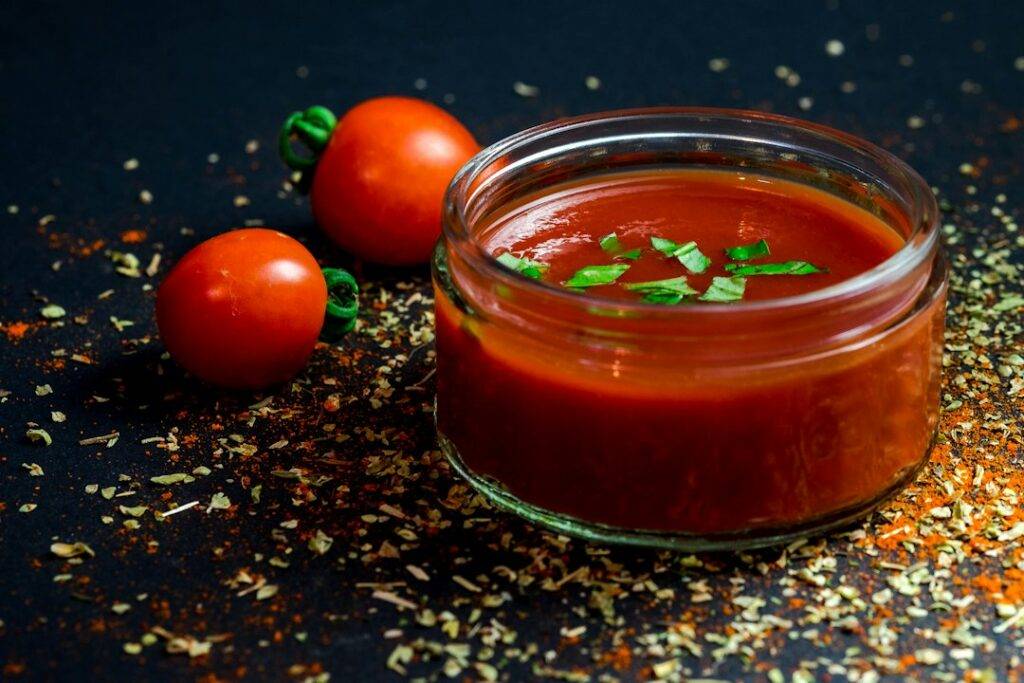
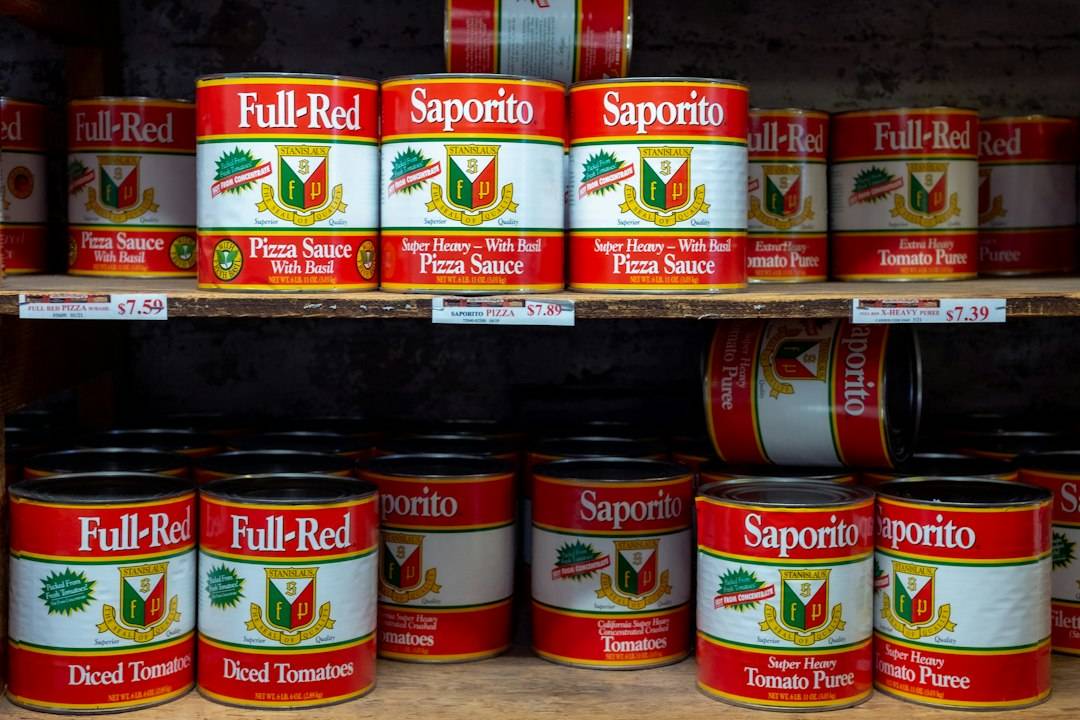
Chopped tomatoes, plum tomatoes and passata-style canned tomatoes are useful bases for pasta sauces, soups, stews and curries. Choose products with no added salt where available.
They are especially useful for quick store-cupboard meals because they combine easily with beans, lentils and frozen vegetables.
3. Tinned fish
Tuna, salmon, sardines and mackerel can provide protein and, depending on the fish, omega-3 fats. NHS salt guidance recommends choosing fish in water rather than brine when practical.
If you eat canned fish frequently, compare salt across brands because levels vary.
4. Tinned vegetables
Sweetcorn, peas, carrots and mixed vegetables can be practical when fresh produce is unavailable or likely to spoil. Choose options without added salt where possible.
They can be stirred into rice, pasta, soup or omelettes in seconds.
5. Tinned fruit
Tinned peaches, pears, pineapple and other fruit can count towards 5 A Day when packed in natural juice or water. Products in syrup contain more free sugar, so compare labels if you buy tinned fruit regularly.
Drain fruit and serve it with plain yoghurt, porridge or cereal.
6. Tinned soups
Soup can be useful, but salt varies widely. Compare similar products using the nutrition label rather than assuming every soup is automatically a healthy choice.
BetterCare’s healthy supermarket soup guide explains how to compare ready-made soups in more detail.
7. Baked beans
Baked beans provide protein and fibre, but some varieties are high in salt and added sugar. Compare brands and consider reduced-salt or reduced-sugar versions if you eat them often.
They work well with a baked potato, wholegrain toast or vegetables.
8. Coconut milk
Canned coconut milk is useful in curries and soups but is high in saturated fat. It can still be used, but portion size and frequency matter if you are trying to reduce saturated fat overall.
Lighter versions or using part coconut milk and part tomato can reduce the amount used.
How to compare tinned foods using labels
Use the per-100g values when comparing similar products. Check salt first for savoury canned foods, and check sugars for fruit, baked beans and sweet sauces.
BetterCare’s UK food-label guide explains per-100g comparisons and traffic-light colours.
Choose water or juice over brine and syrup
The NHS specifically recommends tinned vegetables, pulses and fish in water rather than brine when you are trying to reduce salt. For fruit, choose natural juice or water rather than syrup where practical.
Should you rinse tinned beans?
Rinsing beans and pulses can remove some of the liquid and some sodium from products packed in salted water. If the product is already labelled no added salt, rinsing is less important for salt but can still improve texture for some recipes.
Can tinned vegetables be as useful as fresh?
Yes. Fresh, frozen and canned vegetables can all contribute to a balanced diet. The useful choice often comes down to cost, convenience, texture and whether you will actually use the food before it spoils.
What about BPA and can linings?
Food-contact materials used in UK packaging are regulated. For most people, the practical nutrition issues that matter day to day are the food itself, salt, added sugars, portion size and overall dietary pattern rather than avoiding all cans.
Do not store leftovers in an opened can
The Food Standards Agency advises transferring unused canned food to another container after opening rather than storing it in the opened tin. Cover it and refrigerate it according to the product instructions.
What if a can is bulging or damaged?
Do not use a visibly bulging, leaking or badly damaged can. The FSA advises returning bulging cans to the retailer because they can indicate spoilage or contamination.
Can you eat canned food after the best-before date?
Many canned foods use a best-before date, which relates mainly to quality rather than a use-by safety deadline. Packaging condition and storage still matter.
BetterCare’s use-by vs best-before guide explains the difference.
A quick tinned-food lunch
Mix chickpeas, sweetcorn and chopped tomatoes with a little olive oil, lemon and pepper. Serve with wholegrain pitta or a baked potato.
A quick tinned-food dinner
Combine tinned tomatoes, kidney beans, frozen peppers and spices for a simple chilli. Serve with rice or a baked potato.
A quick tinned-fish meal
Mix tuna in spring water with sweetcorn and yoghurt or a small amount of mayonnaise. Use it in a sandwich, wrap or baked potato.
BetterCare’s healthy sandwich fillings guide includes more ideas.
Healthy tinned foods for one person
Smaller tins can reduce waste, but standard-size cans can still work if you plan two meals. Use half the beans in dinner and the rest in lunch the next day, storing them correctly after opening.
Healthy tinned foods on a budget
Own-brand beans, tomatoes, pulses and fish can be nutritionally similar to more expensive versions. Compare labels rather than assuming premium packaging means a healthier product.
How to build a useful store cupboard
Keep a small rotation rather than buying dozens of tins “just in case”. A practical base might include tomatoes, chickpeas, kidney beans, tuna or sardines, sweetcorn and one soup.
That is enough to support several quick meals without creating cupboard clutter.
When tinned food is especially useful
Tinned foods can be particularly helpful during illness, busy work periods, caring responsibilities or weeks when fresh shopping is difficult. They reduce preparation time and keep well.
When individual dietary advice matters
If you have been advised to limit potassium, sodium or another nutrient because of a medical condition, some canned foods may need individual adjustment. Follow your clinical advice rather than a generic shopping list.
The main rule: judge the food, not the tin
Tinned foods can support a practical healthy diet. Choose lower-salt products where possible, fruit in juice or water, fish in water rather than brine, and use labels to compare similar products.
Convenience and long shelf life can make healthy eating easier, especially when they prevent waste and missed meals.
How tinned foods fit a balanced plate
A tin is usually one component rather than the whole meal. Beans or fish can provide protein, tomatoes or sweetcorn can add vegetables, and rice, potatoes or wholegrain bread can provide carbohydrate. Building around those roles makes it easier to create a balanced meal quickly.
What to keep for emergency meals
If you want a small emergency cupboard, keep one or two tins of beans, tomatoes, fish and vegetables rather than buying large quantities you may forget. Add rice, pasta or oats and you have several combinations without relying on takeaways.
Tinned foods and 5 A Day
Tinned vegetables and fruit can count towards 5 A Day, provided portion size is sufficient. Choose fruit in juice or water and vegetables without added salt where practical.
BetterCare’s 5 A Day guide explains portion sizes in practical terms.
How to compare two cans quickly
Check three things: salt, added sugars and serving size. For fish, also check whether it is packed in brine, water or oil. For fruit, check syrup versus juice or water. For beans, compare salt and added sugar where relevant.
How to use half a tin without waste
Plan the second half immediately. Chickpeas can go into a salad today and a curry tomorrow; tuna can fill a sandwich and a baked potato; tomatoes can become pasta sauce and soup. Transfer leftovers to a suitable container and refrigerate according to the product instructions.
When tinned foods are useful for older adults
Easy-open tins, ready-cooked beans and soft fish can reduce preparation demands. If chewing, swallowing, kidney, salt or appetite issues are present, follow individual professional advice rather than relying only on generic lists.
A simple weekly tinned-food pattern
Monday: beans with a baked potato.
Wednesday: tuna or salmon sandwich.
Friday: tomato-and-lentil pasta or chilli.
Weekend: soup or a pantry-based lunch using what remains.
This kind of pattern gives convenience without making every meal come from a tin.
Reviewed: September 2026. General UK nutrition and household food information based on current NHS and Food Standards Agency guidance.