A useful store cupboard is not a collection of random tins and packets. It is a small set of long-life ingredients that can become real meals when the fridge is empty, money is tight or you simply do not have the energy to shop.
Healthy store-cupboard meals work best when they combine a carbohydrate, a protein source and some vegetables or fruit. Frozen vegetables and a few fridge basics can make the system even more flexible.
This guide gives practical meal combinations using ordinary UK supermarket ingredients rather than specialist “health food”.
What counts as a store-cupboard staple?
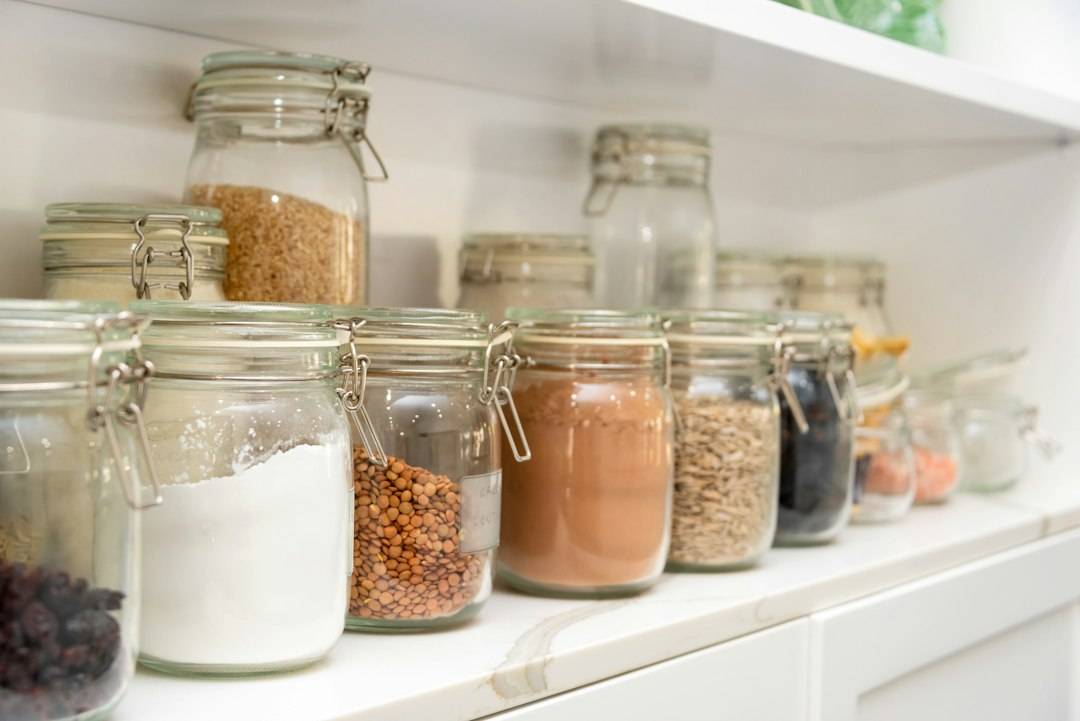
Useful staples include oats, rice, pasta, couscous, tinned tomatoes, beans, lentils, chickpeas, tinned fish, soup, wholegrain crackers, herbs and spices.
The aim is to keep enough variety to make several meals without overstocking.
Build meals from three parts
- Carbohydrate: rice, pasta, couscous, oats, potatoes or bread.
- Protein: beans, lentils, fish, eggs, yoghurt, tofu or cheese.
- Vegetables: frozen, fresh or canned vegetables.
1. Tomato and bean pasta
Cook pasta and combine it with tinned tomatoes, beans, garlic, herbs and frozen spinach. Add grated cheese if you use it.
2. Chickpea couscous bowl
Prepare couscous, then add chickpeas, sweetcorn, herbs, lemon and a little olive oil. Add fresh or frozen vegetables if available.
3. Tuna and sweetcorn pasta
Combine pasta, tuna in spring water, sweetcorn and a spoonful of yoghurt or mayonnaise. Add black pepper and frozen peas.
4. Lentil tomato soup
Cook red lentils with tinned tomatoes, stock, onions if available and spices. Add frozen vegetables for extra volume.
5. Beans on wholegrain toast
Baked beans on wholegrain toast is simple, filling and quick. Compare salt across bean brands if you eat them often.
6. Sardines on toast
Use sardines or mackerel on wholegrain toast with lemon and pepper. Add tomatoes or salad if available.
7. Store-cupboard chilli
Combine kidney beans, black beans, tinned tomatoes, sweetcorn and chilli spices. Serve with rice.
8. Curry from chickpeas and tomatoes
Cook chickpeas with tinned tomatoes, curry powder and frozen spinach. Serve with rice or flatbread.
9. Porridge with fruit
Cook oats with milk or a fortified alternative. Add dried or frozen fruit and nuts or seeds if suitable.
10. Couscous with tinned fish
Combine couscous, tuna or salmon, peas and herbs for a quick lunch.
11. Peanut butter banana toast
Wholegrain toast with peanut butter and banana can work as a quick breakfast or light meal.
12. Soup plus wholegrain bread
Choose a soup with vegetables or pulses and pair it with wholegrain bread and a protein-rich topping.
BetterCare’s healthy supermarket soup guide explains how to compare ready-made options.
13. Tinned tomato egg dish
Simmer tinned tomatoes with spices, then cook eggs in the sauce. Serve with bread or potatoes.
14. Quick lentil rice bowl
Combine cooked or microwave rice with tinned lentils and frozen vegetables. Add herbs, yoghurt or a low-salt sauce.
15. Tinned salmon potato bowl
Use a microwave potato with canned salmon, sweetcorn and yoghurt.
What to keep in the cupboard
A practical list might include two grains, two kinds of beans, tinned tomatoes, one tinned fish, oats, herbs, spices and one soup.
You do not need twenty different products.
Add frozen vegetables to make pantry meals easier
Frozen peas, spinach, broccoli and mixed vegetables can turn a starch-plus-tin combination into a more balanced meal.
BetterCare’s frozen vs fresh fruit and vegetables guide explains why frozen produce can be a useful everyday option.
Use tinned foods strategically
Beans, tomatoes, fish and sweetcorn are especially useful because they combine easily. Compare salt and choose products in water rather than brine where practical.
BetterCare’s healthy tinned foods guide covers label choices and storage after opening.
How to keep salt under control
Store-cupboard meals can become salty when they combine stock cubes, tinned soup, sauces and canned foods. Taste before adding extra salt and use herbs, spices, lemon and pepper for flavour.
How to keep fibre up
Choose wholegrain bread or pasta when practical, and use beans, lentils and vegetables regularly. Store-cupboard meals can be very high in fibre when pulses are part of the base.
How to keep protein up
Use beans, lentils, fish, eggs, yoghurt, cheese or tofu. You do not need meat in every meal for it to contain protein.
Healthy store-cupboard meals for one
Cook only the amount of pasta or rice you need, and portion opened beans or tomatoes into another container. Freeze extra sauce rather than letting it sit in the fridge without a plan.
BetterCare’s meal prep for one guide covers portioning and freezing.
Use best-before dates intelligently
Most dry cupboard foods carry best-before rather than use-by dates. Rotate older food forward and check package condition before use.
BetterCare’s date-label guide explains the difference between safety and quality dates.
A £-conscious store-cupboard strategy
Own-brand oats, rice, pasta, beans and tomatoes are often enough. The value comes from flexible ingredients, not premium packaging.
What if the cupboard is almost empty?
One tin of beans, one tin of tomatoes and one packet of pasta can still make several portions. Add frozen vegetables if available.
What if you only have a microwave?
Use microwave rice, soup, baked potatoes, beans and frozen vegetables. BetterCare’s healthy microwave meals guide gives more no-hob options.
A simple restock rule
When you open the last tin of a core ingredient, add one replacement to the shopping list. This prevents both overstocking and running out.
The main goal: reliable meals from ordinary food
A healthy store cupboard is not about stockpiling. It is about keeping a small number of versatile ingredients that can become a balanced meal quickly.
Beans, tomatoes, wholegrains, tinned fish and frozen vegetables can cover a surprising number of meals with little waste.
How to build a store-cupboard meal without a recipe
Choose one base, one protein and one vegetable element. For example: rice + lentils + frozen spinach; pasta + tuna + tomatoes; couscous + chickpeas + sweetcorn. Add herbs, spices, lemon or a small amount of sauce for flavour.
Store-cupboard lunches for work
Keep soup, wholegrain crackers, tuna, couscous and bean pouches available. Add fruit, yoghurt or fresh vegetables if you have them. The advantage is that the core meal does not depend on fresh ingredients being available that morning.
Store-cupboard dinners when energy is low
Use combinations with minimal chopping: rice pouch plus lentils and frozen vegetables, beans on toast, soup plus wholegrain bread, or pasta with tomatoes and chickpeas.
How to avoid a cupboard full of duplicates
Keep only one or two products from each category. Three kinds of beans and six jars of pasta sauce may feel prepared but often creates clutter. Restock when you open the last core item.
How to use older cupboard food first
Move older tins and packets to the front. Build one meal each week around something already in the cupboard before adding more of the same to the shopping list.
Store-cupboard meals and nutrition labels
Long shelf life does not automatically mean high salt or low nutrition, but some soups, sauces and flavoured grains can be salty. BetterCare’s food-label guide can help you compare them.
A seven-item pantry starter list
- oats;
- wholegrain pasta or rice;
- tinned tomatoes;
- beans or lentils;
- tinned fish or another protein staple;
- herbs and spices;
- one soup or quick meal backup.
How to turn pantry food into a balanced week
Use pantry staples as the base, then rotate fresh and frozen additions. A small amount of fresh produce and a freezer bag of vegetables can make the same cupboard ingredients feel very different across several meals.
When convenience foods help rather than hurt
Microwave rice, tinned lentils and ready-made soup can support regular meals when time or energy is limited. The key is to compare labels and add vegetables or protein when a product is incomplete on its own.
The low-waste advantage
Store-cupboard food gives you a buffer when plans change. Instead of buying fresh ingredients “just in case”, you can keep long-life staples and only buy fresh food for meals you realistically expect to cook.
Store-cupboard meals for breakfast
Oats, long-life milk or a fortified alternative, dried fruit and nut butter can make breakfast without fresh shopping. Add frozen fruit if available.
Store-cupboard meals for lunch
Soup plus wholegrain bread, tuna and sweetcorn on toast, or couscous with chickpeas can all be prepared quickly. These work especially well when you need lunch but have not planned ahead.
Store-cupboard meals for dinner
Use pasta with tomatoes and beans, rice with lentils and frozen vegetables, or a chickpea curry. Keeping a few reliable combinations prevents the cupboard from becoming random emergency food.
How to stop pantry meals becoming too salty
Do not combine several salty ingredients automatically. If you use stock cubes, salted canned beans and a ready-made sauce together, salt can add up quickly. Choose lower-salt versions and use herbs or spices for flavour.
How to rotate pantry stock
Once a month, bring older tins and packets forward and choose one or two meals around them. That simple habit reduces expired or forgotten food and keeps the cupboard useful.
A practical rule for buying backups
Keep one unopened backup of core items you use often rather than several extras. That gives security without tying up money or cupboard space.
Reviewed: September 2026. General UK nutrition information for practical meal planning.