Jarred pasta sauce can turn dinner into a ten-minute job, but sauces vary widely in salt, sugar, oil, cream and vegetable content. The useful approach is not to avoid jars, but to compare similar products and improve the meal around them.
NHS food-label guidance recommends using front- and back-of-pack information to compare salt, sugars, saturated fat and overall product choices.
This guide explains what to check in tomato sauces, creamy sauces and pesto-style products, plus simple ways to add vegetables, protein and fibre.
Start with the ingredients list
For a tomato-based sauce, tomatoes should usually appear high in the list. Vegetables, herbs and spices are useful additions.
Compare salt
Salt can vary significantly between jars. Use per-100g values when comparing products, then look at the amount you actually use per meal.
Compare sugars
Tomatoes naturally contain sugars, so total sugars are not the same as added sugar. Check the ingredients list for sugar, syrup or concentrated sweeteners.
Compare saturated fat
Tomato-based sauces are often lower in saturated fat than creamy or cheese-based sauces, though recipes vary. Check the label rather than relying on sauce colour.
Tomato sauces
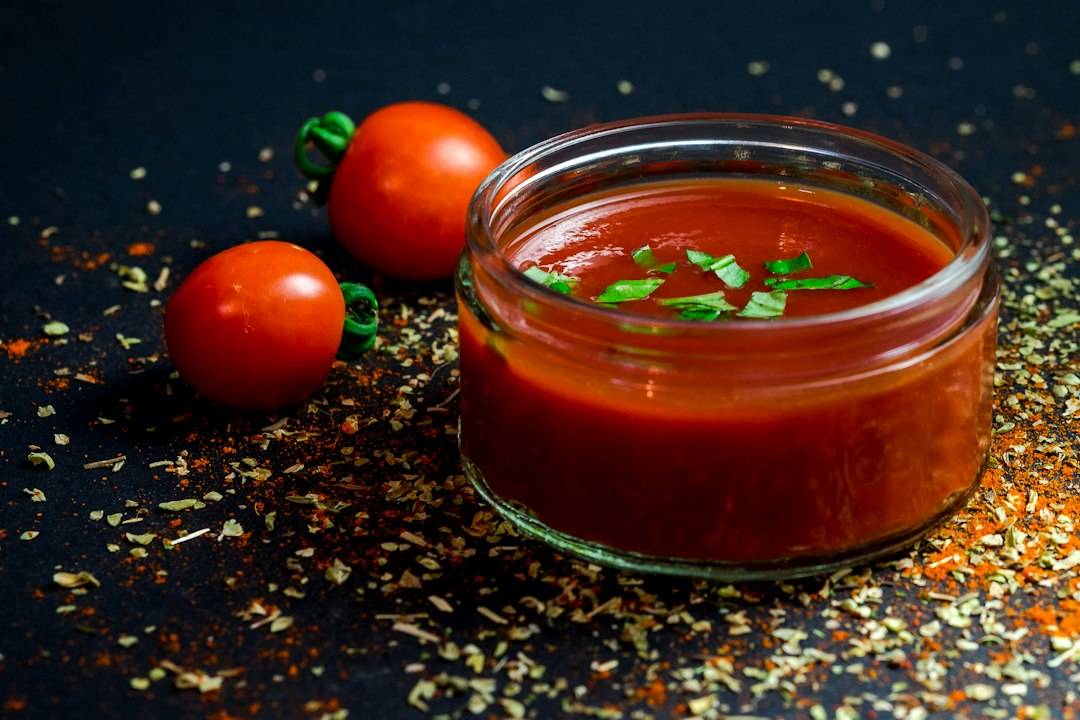
These are often the simplest everyday choice. Look for a high tomato content, reasonable salt and limited added sugar.
Creamy sauces
Carbonara-style and cream sauces can be higher in saturated fat. They can still fit, but compare products and use smaller amounts if saturated fat is a concern.
Pesto
Pesto contains oil, nuts or seeds and often cheese. It is energy-dense and can be salty. A small amount can add plenty of flavour.
“No added sugar” claims
This can be useful, but still check salt and the overall ingredients. One positive claim does not make the whole product automatically healthier.
“Low fat” sauces
Check sugar and salt because removing fat can change the recipe in other ways.
Add vegetables
Stir in frozen spinach, peas, peppers, mushrooms or courgettes. This increases vegetable content without requiring a completely homemade sauce.
BetterCare’s frozen vs fresh guide explains why frozen vegetables can be useful for quick meals.
Add beans or lentils
Beans and lentils add fibre and protein and make a jar stretch further. They work especially well with tomato sauces.
Add lean protein
Chicken, tuna, tofu or another protein can make the meal more substantial. Choose what fits your dietary preferences.
Choose wholewheat pasta if you like it
Wholewheat pasta usually provides more fibre than white pasta. If you prefer white pasta, add vegetables and pulses instead of treating the meal as a failure.
Pasta sauce and fibre
Fibre comes mostly from the pasta, vegetables and pulses rather than the sauce alone. BetterCare’s 30g fibre guide shows how to build fibre across meals.
Pasta sauce and salt
If the sauce is already salty, avoid automatically adding extra salt, salty cheese and processed meat.
How much sauce should you use?
Use enough to coat the pasta and carry vegetables and protein. Larger jars do not need to be used in one meal.
Store opened sauce safely
Follow the jar instructions for refrigeration and how long to use it after opening. Freeze extra portions if the product allows and you will not use them in time.
BetterCare’s food-storage guide covers opened products and freezing.
Pasta sauce for one person
Freeze sauce in single portions or use the same jar for two different meals: pasta one night, beans or a baked potato topping another.
A quick tomato pasta meal
Use wholewheat or regular pasta, tomato sauce, frozen spinach and chickpeas. Finish with herbs and a little cheese if desired.
A quick tuna pasta meal
Combine tomato sauce with tuna and sweetcorn, then serve with pasta and a side of vegetables.
A quick lentil pasta meal
Add tinned lentils to the sauce and stir through pasta. This raises protein and fibre with almost no extra preparation.
Jarred sauce versus homemade
Homemade gives you more control, but jarred sauce may be the better practical choice if it helps you cook rather than order takeaway. Compare labels and improve it with vegetables.
What about pasta bake sauces?
These can be higher in saturated fat and salt, especially cheese-based versions. Compare similar products and consider adding vegetables.
A supermarket comparison rule
For two tomato sauces, compare salt, added sugar and tomato content. For two creamy sauces, compare saturated fat and salt.
Use food labels efficiently
You do not need to analyse every nutrient. BetterCare’s food-label guide explains a quick comparison method.
The main goal: a convenient sauce that supports the meal
A sensible jarred sauce can save time. Choose one with reasonable salt and sugar, add vegetables and protein, and control the rest of the meal rather than expecting the jar to do everything.
How to compare two tomato sauces quickly
Compare salt, total sugars and the percentage of tomatoes or vegetables. Then check whether sugar has been added. If one sauce has more vegetables and less salt at a similar price, that is a practical advantage.
How to compare two creamy sauces
Compare saturated fat and salt first. Then look at portion size because very rich sauces may be intended to be used more sparingly.
What about hidden vegetables in sauces?
Vegetable-rich sauces can help increase intake, but do not treat them as the only vegetables in the meal. Add visible vegetables too when practical.
How to stretch one jar across two meals
Use half for pasta and the rest with beans, lentils or a baked potato the next day. Refrigerate or freeze according to the label. This can reduce both cost and waste.
How to make a jar taste fresher
Add garlic, herbs, black pepper, chilli, mushrooms, spinach or roasted vegetables. A small amount of fresh flavour can make an inexpensive sauce feel less repetitive.
How to use jarred sauce for meal prep
Make a larger tomato-and-lentil sauce, divide it into portions and use it with pasta, rice or potatoes. BetterCare’s meal prep for one guide explains flexible component cooking.
How to keep pasta meals from becoming mostly carbohydrate
Add a clear protein source and vegetables. Beans, lentils, tuna, chicken or tofu can make the meal more balanced.
What about fresh pasta sauces from the chilled section?
They may taste fresher but can still be high in salt or saturated fat. Compare labels just as you would with jars.
What about reduced-salt sauces?
These can be useful, but still compare sugar and saturated fat. A reduced-salt claim only tells you about one part of the product.
Pasta sauce for older adults
Soft pasta with a smooth tomato or cheese sauce can be easier to eat for some people, but if appetite is low you may need extra protein and energy. Follow any swallowing or texture-modification advice you have been given.
A realistic five-day use plan
Monday: tomato sauce with pasta and lentils.
Tuesday: leftover sauce over a baked potato.
Wednesday: soup or another meal.
Thursday: pesto with pasta, peas and chicken or beans.
Friday: creamy sauce with vegetables and a smaller pasta portion.
When homemade sauce is worth it
If you already have tomatoes, onions and herbs to use up, homemade sauce can reduce waste and give you control over salt. If not, a sensible jar can be the more realistic choice.
How to choose sauce for a family versus one person
Large jars may be economical for several people but can create waste for one person. If you live alone, choose a smaller jar or freeze the remainder in meal-sized portions when the product allows.
How to keep a pasta meal lower in salt
Use a lower-salt sauce, skip extra salt at the table and be careful with salty cheese, processed meat and olives in the same dish. Salt often comes from several ingredients rather than the sauce alone.
How to make pasta sauce more filling without more pasta
Add lentils, beans, chicken, tuna, tofu or vegetables. This can improve protein and fibre without simply increasing the amount of pasta.
How to use leftover sauce outside pasta
Use it on a baked potato, in a bean stew, as a base for shakshuka-style eggs, or stirred into soup. This helps one jar serve several meals.
How to choose sauce if you are reducing saturated fat
Tomato-based sauces are often easier to fit than cream-heavy sauces. If you prefer creamy sauces, use a smaller amount and add vegetables and protein to make the meal satisfying.
How to choose sauce if you need more energy
For weight gain, pesto, cheese-based sauces and added olive oil can provide more energy. That is a different goal from choosing the lowest-fat sauce.
A practical pasta-sauce checklist
- How much salt?
- Is sugar added?
- How much saturated fat?
- Are tomatoes or vegetables prominent?
- Can you add beans, lentils or vegetables?
- Can you use the jar across more than one meal?
One final shopping shortcut
Find one tomato-based sauce with sensible salt and no unnecessary added sugar that you enjoy, then keep it as your everyday backup. Variety can come from vegetables, herbs and protein rather than buying a different jar every week.
Reviewed: September 2026. General UK nutrition information based on current NHS food-label guidance.