Most adults in the UK do not eat enough fibre. The NHS recommends aiming for around 30g of fibre a day. If you want to turn that target into actual meals, use our practical 30g-a-day fibre plan. The most useful way to get there is not to obsess over a daily score. It is to build a few repeatable habits: choose wholegrain versions more often, add beans or lentils to meals, include fruit and vegetables across the day, and use nuts, seeds and oats where they fit naturally.
Fibre supports normal digestion and helps prevent constipation. Fibre-rich foods also tend to bring other useful nutrients with them, which is why variety matters more than relying on one “high-fibre” product. NHS guidance on getting more fibre into your diet recommends increasing fibre from a range of sources, including wholegrains, fruit and vegetables, pulses, nuts and seeds.
This guide is for everyday eating. If you have been told to follow a low-fibre diet, have recently had bowel surgery, have inflammatory bowel disease during a flare, or have another gastrointestinal condition that affects what you can tolerate, follow your clinical advice rather than increasing fibre quickly.
Start with the meals you already eat
You do not need to redesign your whole diet. Look at breakfast, lunch, dinner and snacks and find one or two places where a higher-fibre choice would be easy.
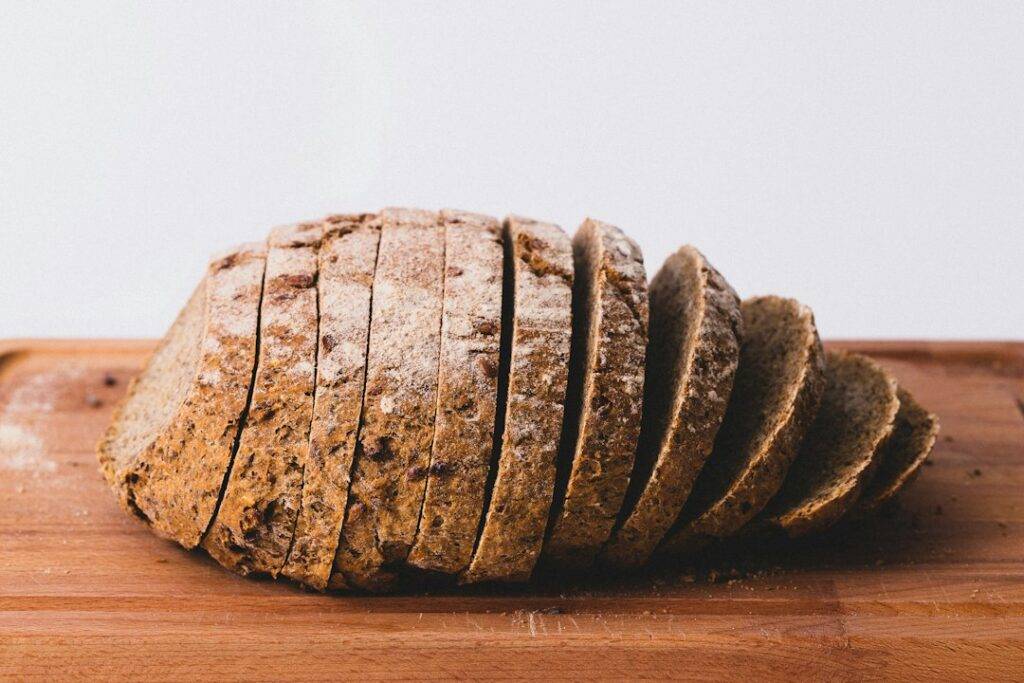
If breakfast is toast, switch some or all of it to wholemeal. If lunch is a sandwich, use wholegrain bread and add salad. If dinner is pasta, try wholewheat pasta or add lentils to the sauce. If snacks are usually biscuits, include fruit, oatcakes, nuts or seeds more often.
Our Everyday Nutrition pillar uses the same principle: improve the meals you already eat instead of building an unrealistic “perfect diet.”
Which foods are naturally high in fibre?
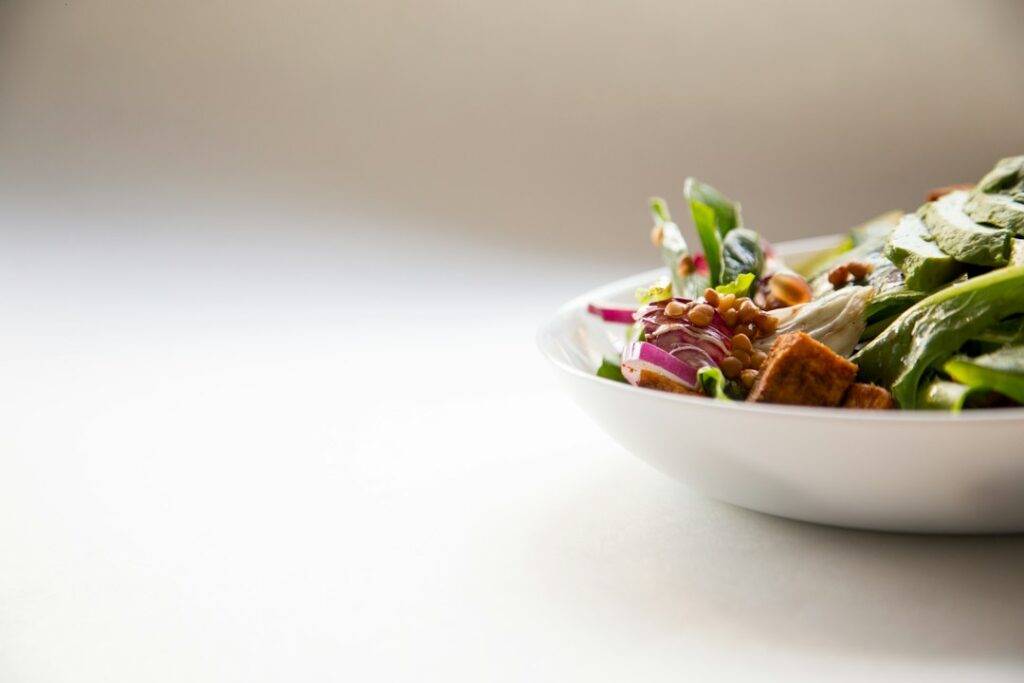
Good sources include wholegrain cereals, wholemeal bread, oats, brown rice, wholewheat pasta, beans, lentils, chickpeas, peas, fruit, vegetables, nuts and seeds. Potatoes with the skin on can also contribute.
The NHS describes foods containing 6g or more of fibre per 100g as high fibre. That is useful when comparing packaged foods, but remember that the amount you actually eat matters too. A product can be high in fibre per 100g but eaten in a very small portion.
Breakfast is one of the easiest places to make progress
Breakfast can move from low to moderate fibre without much extra work.
- Choose porridge oats or a higher-fibre cereal.
- Add berries, banana, pear or apple.
- Sprinkle on nuts or seeds if suitable.
- Use wholemeal or seeded toast.
- Add baked beans, avocado or mushrooms to toast.
A bowl of porridge with fruit will usually contribute more fibre than a refined cereal with little added fruit. If you prefer toast, wholemeal bread with peanut butter plus a piece of fruit is another easy option.
Beans and lentils are useful because they disappear into familiar meals
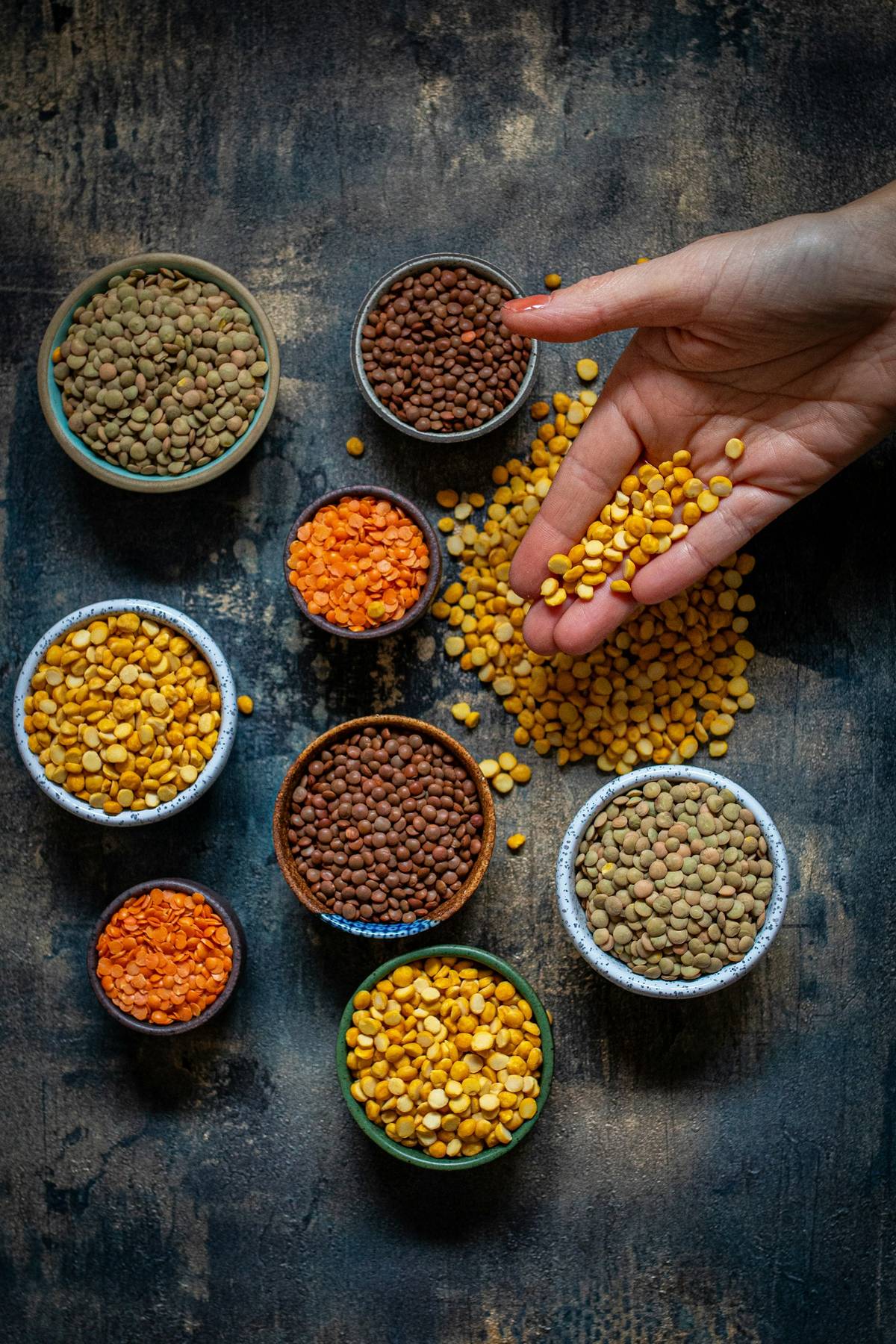
Beans and lentils are one of the most practical ways to increase fibre because they can be added to food you already cook. Stir lentils into bolognese, chickpeas into curry, beans into chilli, or butter beans into soup. You can replace some meat or simply add pulses alongside it.
This works well for budget cooking too. Tinned beans and lentils are quick, shelf-stable and usually inexpensive. Choose lower-salt versions where possible, or drain and rinse standard tins.
If you cook for one person, our cheap healthy meals for one guide includes several meals where beans and lentils fit naturally.
Wholegrains do not have to replace everything at once
If you are used to white bread, white rice and ordinary pasta, changing everything overnight can feel unnecessary and may also cause bloating if your fibre intake rises sharply.
Start with one product. You might choose wholemeal bread but keep white rice for now. Or mix brown and white rice. Some people use half wholewheat and half ordinary pasta while they get used to the texture.
The aim is consistency, not proving that every carbohydrate on your plate is wholegrain.
Fruit helps, but do not rely on fruit alone
Whole fruit provides fibre in a way that juice generally does not. Apples, pears, berries, oranges, kiwi, plums and bananas can all fit. Keep edible skins on where practical.
Dried fruit also provides fibre, but the NHS advises eating it as part of a meal rather than frequently between meals because it can stick to teeth and increase the risk of tooth decay.
Fruit is useful, but a varied fibre intake should also include vegetables, pulses and wholegrains.
Vegetables count even when they are frozen or tinned
Fresh vegetables are not the only option. Frozen peas, mixed vegetables, spinach and broccoli can be convenient and help reduce food waste. Tinned vegetables are useful too; where possible choose versions without added salt or drain them well.
Add vegetables to meals you already make: frozen peas into rice, spinach into pasta sauce, carrots into soup, peppers into omelettes, or mixed vegetables into curry.
One of the easiest habits is simply adding one more plant food to a meal rather than trying to create a completely new recipe.
Keep the skin on potatoes where suitable
A baked potato with the skin can be a useful higher-fibre base. Top it with beans, tuna, cottage cheese, chilli or another protein source and add vegetables or salad.
Boiled or roasted potatoes can also be eaten with the skin on if you enjoy them that way. Wash them well and remove damaged areas.
Nuts and seeds are compact fibre sources
A small handful of unsalted nuts or a spoonful of seeds can add fibre without creating a large volume of food. They work in porridge, yoghurt, salads or as part of a snack.
If chewing is difficult, nut or seed butters may be easier to manage, though the fibre amount can differ from the whole food. Avoid nuts if you have an allergy, and take extra care with whole nuts if swallowing is difficult.
Increase fibre gradually
A sudden jump from a low-fibre diet to a very high-fibre one can cause bloating, wind or abdominal discomfort. Increase gradually over days or weeks.
Add one or two higher-fibre foods first, then build from there. This makes it easier to notice which foods you tolerate well and which ones are less comfortable.
Fibre and fluid work together
Fibre absorbs water, so hydration matters. If you increase fibre while drinking very little, constipation may not improve and can sometimes feel worse.
Water is a simple option, but tea, coffee, milk and other suitable drinks also contribute to fluid intake. If you have been told to restrict fluids because of heart failure, kidney disease or another condition, follow the advice from your clinical team rather than generic hydration advice.
What does a fibre-rich day actually look like?
You do not have to count every gram. A practical day could look like this:
- Breakfast: porridge with berries and seeds.
- Lunch: wholemeal sandwich with salad and a piece of fruit.
- Snack: oatcakes with hummus.
- Dinner: lentil and vegetable pasta sauce with wholewheat pasta.
- Later snack: yoghurt with fruit or a small handful of nuts.
The NHS gives similar examples showing that fibre can build across normal meals rather than needing one huge “fibre hit.”
Use food labels to compare similar products
Most packaged foods show nutrition information per 100g, and many include fibre. This makes it easier to compare similar cereals, breads, crackers and snacks.
If one cereal has 3g of fibre per 100g and another has 9g, the second will generally contribute more fibre for a similar portion. But do not ignore the rest of the label. A high-fibre product can still be high in sugar, salt or saturated fat.
Our food label guide explains how to compare products without getting distracted by marketing claims.
“Brown” does not automatically mean wholegrain
Colour can be misleading. A dark bread may contain colouring or a mixture of refined and wholemeal flour. Look at the product description and ingredient list rather than judging only by colour.
The same applies to cereals. A product may look rustic or contain a few visible seeds while still being mostly refined grain.
Healthy high-fibre snacks do not need to be complicated
Useful everyday options include fruit, oatcakes, rye crackers, hummus with vegetable sticks, unsalted nuts or seeds, popcorn without lots of added salt or sugar, and wholegrain toast.
If you need something more filling, combine fibre with protein: apple and peanut butter, oatcakes and hummus, yoghurt with berries and seeds, or wholegrain toast with egg.
See our healthy snacks for adults guide for more practical combinations.
Plant-based eating can provide plenty of fibre
Plant-based diets can naturally be high in fibre because they often include beans, lentils, wholegrains, vegetables, fruit, nuts and seeds. The main challenge is usually making sure meals are balanced and practical, not simply maximising fibre.
If you are new to plant-based eating, our plant-based meal plan for beginners can help you build meals without relying on expensive specialist products.
What if fibre makes you bloated?
Some bloating is common when fibre intake rises quickly. Slow the increase, spread fibre through the day and check whether one particular food causes more symptoms than others.
People with irritable bowel syndrome, inflammatory bowel disease, diverticular disease or other digestive conditions may need more individual advice. The most suitable fibre source can vary.
If symptoms are persistent, painful, associated with blood in the stool, unexplained weight loss or another concerning change, seek medical advice rather than repeatedly experimenting with the diet.
Fibre can help constipation, but constipation has other causes too
Low fibre can contribute to constipation, but so can low fluid intake, inactivity, medicines, illness and changes in routine.
If constipation is new, severe, persistent or accompanied by pain, vomiting, bleeding or unexplained weight loss, speak to a healthcare professional.
Do not keep adding large amounts of bran or fibre supplements indefinitely without understanding why the problem is continuing.
What about fibre supplements?
Some people use psyllium husk or other fibre supplements. They can be useful in specific situations, but food is usually the best first place to improve fibre intake because foods bring other nutrients too.
If you take medicines, have bowel disease or swallowing difficulties, ask a pharmacist, GP or dietitian whether a fibre supplement is appropriate and how to take it safely.
A one-week fibre upgrade
You can make progress by changing just one thing each day:
- Day 1: switch breakfast toast to wholemeal.
- Day 2: add one extra portion of fruit.
- Day 3: add beans or lentils to dinner.
- Day 4: use oats or a higher-fibre cereal.
- Day 5: include a second vegetable at dinner.
- Day 6: choose oatcakes, nuts or fruit for one snack.
- Day 7: try brown rice, wholewheat pasta or another wholegrain.
Then keep the changes that actually fit your routine.
Fibre is a pattern, not a superfood
No one food needs to carry your entire fibre intake. A useful diet gets fibre from several places across the day.
Wholegrains at breakfast, vegetables and beans at lunch, fruit as a snack, and pulses or wholegrain starches at dinner can move you much closer to the NHS target without counting every gram.
For a broader approach to balanced meals, shopping and everyday nutrition, return to BetterCare’s Everyday Nutrition pillar.
Reviewed: September 2026. General UK nutrition information; people with gastrointestinal conditions or prescribed diet restrictions may need individual advice.