Soft food can be useful when a normal meal feels too tiring, dry or difficult to manage, but “soft” should not mean nutritionally weak. If you are trying to regain weight or stop unplanned weight loss, the aim is to make familiar soft foods provide more energy and protein without forcing you to eat a much larger portion.
The NHS advises people who need to gain weight to do so gradually, often by eating smaller meals more often, adding extra calories with foods such as cheese, nuts and seeds, including protein foods, and using nourishing drinks between meals. You can read the NHS guidance on healthy weight gain for the broader principles.
This guide focuses specifically on soft meals and snacks for adults with a small appetite, tiredness, dental problems or recovery needs. It is not a swallowing assessment and it is not a replacement for a texture-modified diet prescribed by a speech and language therapist or dietitian.
First: soft food is not the same as a dysphagia diet
If you cough or choke when eating or drinking, have a wet or gurgly voice after swallowing, repeatedly develop chest infections, or have been told that you have swallowing difficulties, do not simply choose foods because they seem soft. Some foods that feel soft in the mouth can still be unsafe for particular swallowing problems.
East Sussex Healthcare NHS Trust notes in its food-fortification guidance that not every fortification idea is suitable for people with swallowing difficulties and advises seeking individual professional guidance where needed.
The principle: increase nutrition before you increase portion size
A large plate can be discouraging when appetite is low. Instead, start with a portion you can realistically eat and improve what is already in it. This is the same practical principle explained in our food fortification guide for weight gain.
Useful additions can include grated cheese, full-fat yoghurt, milk powder, cream cheese, smooth nut butter, olive oil, butter, avocado, eggs, soft fish, beans blended into soups, or full-fat milk where these foods suit your health needs.
1. Creamy porridge with extra protein and energy
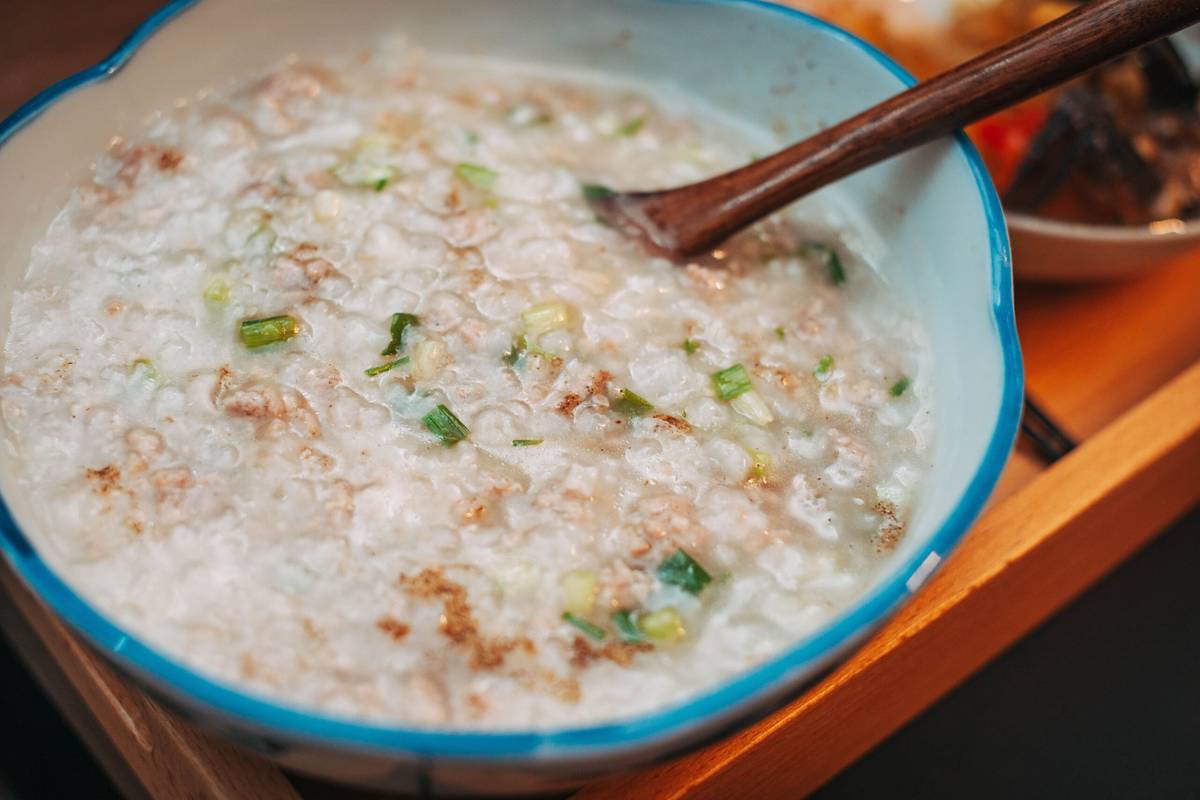
Porridge is naturally soft and easy to adjust. Make it with full-fat milk instead of water if appropriate. Stir in skimmed milk powder, smooth peanut butter, ground nuts, full-fat yoghurt or a spoonful of cream. Mashed banana, stewed fruit or honey can add flavour.
Keep the bowl modest if you fill up quickly. A smaller fortified bowl can be more realistic than an oversized serving you cannot finish.
2. Soft scrambled eggs with cheese
Eggs are compact and protein-rich. Scramble them gently with milk and add grated cheese, cream cheese or a little butter. Serve with soft toast if you manage it comfortably, or with mashed potato, avocado or soft cooked vegetables.
If breakfast is your easiest meal, our high-calorie breakfast ideas for a small appetite gives more ways to use this approach early in the day.
3. Mashed potato made into a complete meal
Mashed potato is useful because it can carry extra energy without becoming much larger. Add full-fat milk, butter, cheese, olive oil or cream cheese. Then pair it with a soft protein such as flaky fish, minced meat in gravy, lentils, soft beans or cottage pie filling.
A bowl of plain mashed potato may be easy to eat but is not a balanced meal by itself. Adding protein and vegetables makes it more useful for recovery.
4. Cottage pie or shepherd’s pie
A soft minced filling with mashed potato can be easier than a plate containing separate meat, potatoes and vegetables. Use a moist filling so the meal is not dry. Add grated cheese to the mash, use milk and butter, and include finely cooked vegetables in the filling.
Make two or three individual portions and freeze them. That gives you a useful meal on days when cooking effort is the main barrier.
5. Fish pie
Fish pie combines soft fish, sauce and mashed potato in one dish. A milk-based sauce can increase both energy and protein, and cheese can be added if suitable. Include peas, spinach or finely cooked vegetables where tolerated.
If chewing is difficult, check that there are no bones and keep the fish moist rather than overcooking it.
6. Macaroni cheese with added protein
Well-cooked pasta in cheese sauce can be soft and energy-dense. Add milk powder to the sauce, use full-fat milk, and include finely chopped chicken, tuna, soft beans or peas for additional protein. Cook the pasta until it reaches a texture you can comfortably manage.
Because a very rich sauce can feel heavy, start with a small portion and add a second helping only if wanted.
7. Lentil dhal with soft rice
Lentils cook down into a soft texture while providing protein, carbohydrate and fibre. Serve dhal with well-cooked rice and add yoghurt or a little oil for extra energy. Coconut milk may work in some recipes if it suits your diet.
If a high-fibre meal makes you uncomfortably full, reduce the lentil portion and balance it with softer lower-fibre foods rather than abandoning the meal entirely.
8. Thick soups that count as a meal
A thin vegetable soup may not provide enough energy when you are trying to gain weight. Make soup more substantial with beans, lentils, potato, milk, cheese, cream, yoghurt, olive oil, shredded chicken or smooth nut butter where appropriate.
Pair soup with a soft sandwich, buttered bread or another easy side if you can manage it. Our nourishing drinks guide also explains how liquids can support intake between meals without replacing food unnecessarily.
9. Full-fat yoghurt with soft toppings
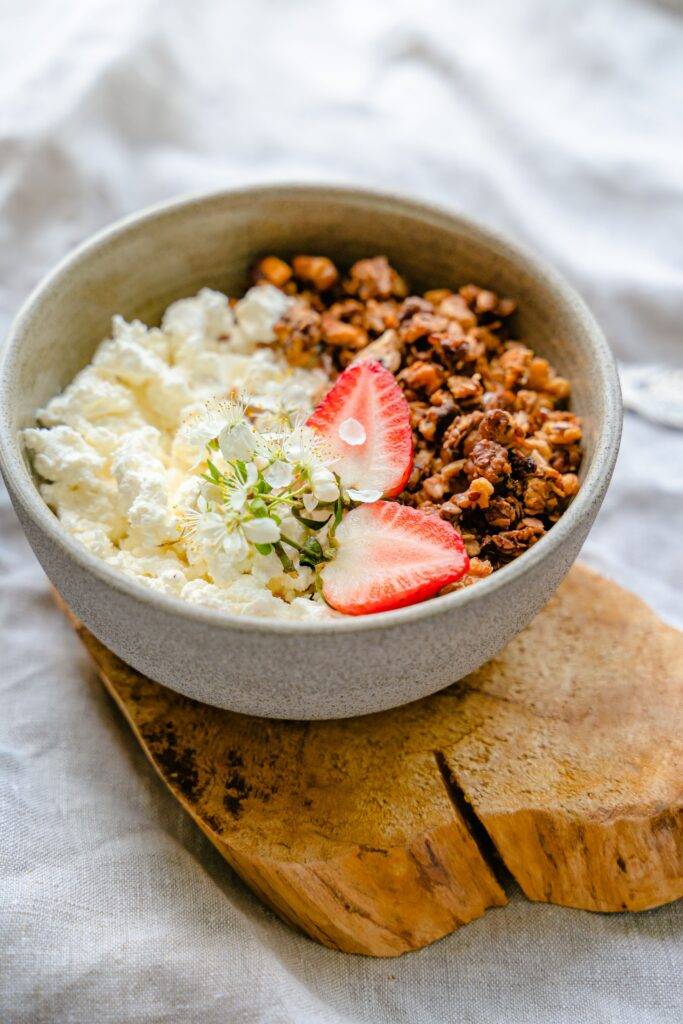
Full-fat Greek-style yoghurt, fromage frais or another suitable yoghurt can be a small-volume snack. Add smooth nut butter, stewed fruit, mashed banana, ground nuts, honey or a small amount of granola if you manage the texture comfortably.
For someone who gets tired midway through a meal, yoghurt can be useful later in the day because it requires little preparation.
10. Rice pudding or semolina
Milk-based puddings can provide energy, carbohydrate and some protein in a soft form. Make them with full-fat milk where suitable and enrich with milk powder, cream, nut butter or fruit purée.
They can be served as dessert after a small meal or as a snack between meals rather than trying to fit all nutrition into breakfast, lunch and dinner.
11. Smooth hummus, avocado and soft bread
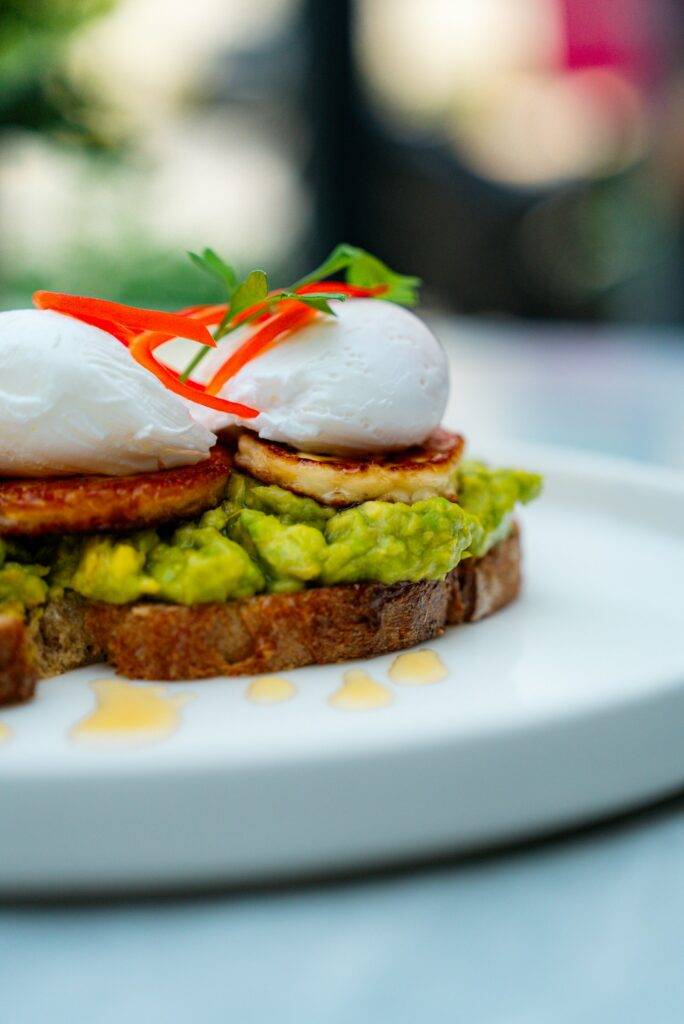
Hummus and avocado can add useful energy to soft bread, a soft wrap or another suitable base. Add egg, tuna mayonnaise, cream cheese or another protein-rich filling if tolerated.
If bread is difficult to chew or swallow, do not assume toasting it will help. Choose the texture recommended for you.
12. Soft beans in sauce
Baked beans, butter beans, cannellini beans and lentils can be served with mashed potato, soft rice or well-cooked pasta. Mash or blend them if needed for comfort, but seek professional advice if you have prescribed swallowing requirements.
Beans add protein and fibre, although they can be filling. Use a smaller amount if appetite is limited and add energy through oil, cheese or another suitable fortifier.
13. Soft chicken or turkey in sauce
Dry meat can be hard work when appetite and energy are low. Finely shred or mince chicken or turkey and serve it in a moist sauce, casserole or creamy pasta dish. The sauce makes the meal easier to eat and gives another opportunity to add energy.
If you are looking for protein choices more broadly, see our high-protein foods for healthy weight gain.
14. Omelette with soft fillings
An omelette is quick and can carry cheese, cream cheese, soft vegetables, flaky fish or finely chopped meat. Keep it moist and avoid overcooking it. One or two eggs may be enough for someone with a very small appetite.
15. Smoothies and milk-based drinks
Drinks can help when chewing is tiring, but they should support rather than unintentionally replace meals. NHS healthy weight-gain guidance suggests high-calorie drinks between meals and advises against filling up on drinks before eating.
Use milk, yoghurt, fruit and nut butter where appropriate. If you have diabetes, kidney disease, fluid restrictions, allergies or another condition affecting diet, individual advice may be needed.
A simple soft-food day
A practical day could look like fortified porridge for breakfast; yoghurt mid-morning; cottage pie for lunch; a nourishing milky drink in the afternoon; fish pie or dhal with soft rice in the evening; and rice pudding later if wanted.
This is not a prescription. The useful idea is spacing intake across the day so that no single meal has to do all the work.
What if you get full after only a few mouthfuls?
Use smaller crockery, serve a modest first portion, and keep a second helping available rather than presenting a large plate. Eat at the time of day when appetite is best. Avoid large drinks immediately before meals if they make you feel full. Keep easy snacks visible and ready.
Our easy high-calorie meals for a small appetite gives additional ideas that are not limited to soft textures.
What if you are recovering after illness or hospital?
Recovery can temporarily reduce appetite and energy for shopping, cooking and eating. Use simple meals, frozen portions and help from family or carers where available. Protein and adequate energy matter during recovery, but the right plan depends on the illness, treatment and any dietary restrictions.
See our separate guide to gaining weight after illness or hospital for the broader recovery context.
When to get professional help
Speak to a GP or healthcare professional if you are losing weight without trying, appetite remains poor, eating is painful, you are vomiting repeatedly, you have persistent diarrhoea, or you have difficulty chewing or swallowing. Sudden or unexplained weight loss can have an underlying cause that needs assessment.
If you have been given a specific diet for diabetes, kidney disease, heart disease, food allergy, malabsorption or swallowing problems, follow your individual advice rather than applying generic high-calorie suggestions automatically.
Build a short list of reliable soft meals
You do not need dozens of recipes. Choose three breakfasts, three main meals and three snacks that are comfortable, practical and easy to keep in the house. Then identify one way to fortify each item without making it much larger.
The best plan is the one you can repeat when energy and appetite are low.
Reviewed: September 2026. General UK information for adults; individual nutrition and swallowing needs vary.