


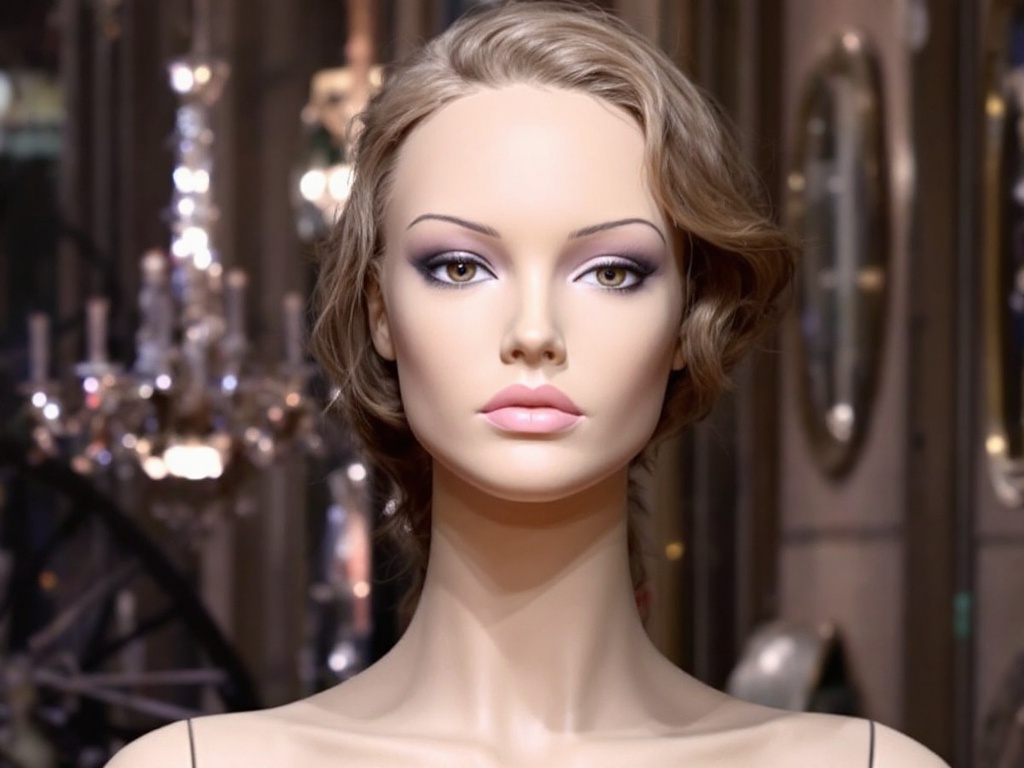
Mannequin measurements have quietly shaped our perception of body ideals for over a century. From high street displays to luxury boutiques, the figures in store windows silently set the tone for what’s considered “normal,” desirable, or aspirational. But have you ever wondered how realistic these mannequins are — or how they might be influencing your self-image?
In a society where body expectations are already skewed by airbrushed media and filtered selfies, the outdated proportions of shop mannequins only add to the pressure. Fortunately, recent awareness and wellness campaigns are starting to challenge the industry norm. This article explores five powerful truths about how mannequin measurements impact our mental and physical wellness — and why rethinking them could change more than just fashion.
Contents
- 1 How Mannequins Shape Our View of “Normal”
- 2 The History Behind Mannequin Sizing
- 3 New Brands Creating Realistic Body Forms
- 4 From Storefront to Self-Esteem: The Subtle Impact
- 5 Why Representation in Visual Merchandising Matters
- 6 Takeaway: Redefining Beauty Beyond the Shop Window
- 7 Frequently Asked Questions About Mannequin Measurements
How Mannequins Shape Our View of “Normal”
Most retail mannequins still reflect measurements that do not align with the majority of real bodies. Historically, the “ideal” mannequin represented a UK size 6 to 8 — a size worn by only a small percentage of British women. Yet, when you and I walk into stores, we’re often greeted by displays that don’t resemble the reality we see in the mirror.
According to a study published in the Journal of Eating Disorders, exposure to ultra-thin mannequins may contribute to poor body image and even disordered eating, especially among women and adolescents. This mirrors the impact of persistent exposure to typical model measurements betterCareSolutions, which also reinforce narrow definitions of beauty.
The History Behind Mannequin Sizing
Mannequins first rose to prominence in the early 20th century, during a time when fashion was more exclusive and sizing less diverse. The early fiberglass forms were modeled after fit ideals rather than customer averages, designed to show off tailoring rather than serve real-world proportions.
As The Guardian explains in this feature, this legacy of unrealistic sizing has lingered for decades. Mannequins were rarely updated, even as the average UK woman grew taller, curvier, and more varied in shape. It wasn’t until 2015 that some stores — like Debenhams and Nike — introduced fuller-figured mannequins to reflect modern diversity.
New Brands Creating Realistic Body Forms
Some forward-thinking brands are finally acknowledging the power mannequins hold. Nike made headlines in 2019 when it introduced plus-size mannequins in its London flagship store, showcasing activewear on more muscular, fuller-figured bodies. This was more than a marketing move — it was a message of inclusion.
Similarly, Selfridges and John Lewis have followed suit, with mannequins that represent sizes 12 to 16, closer to the UK average. These changes come as the push for wellness for busy women (BetterCareSolutions) — not just fashion aesthetics — grows stronger.
Realistic mannequins don’t just reflect the body diversity of the population; they help normalise it. When people see their shapes reflected in stores, shopping becomes a form of empowerment, not shame.
From Storefront to Self-Esteem: The Subtle Impact
The influence of mannequins often flies under the radar, but it runs deep. When every display features the same small waist, elongated limbs, and narrow hips, we subconsciously absorb that as the gold standard. For many, failing to meet that standard becomes a source of quiet self-doubt.
BBC News reported on how young women feel underrepresented in both advertising and retail displays, especially when trying on clothes that were never designed with their bodies in mind. This disconnect can trigger a sense of unworthiness — even if we consciously know mannequins aren’t “real.”
In contrast, seeing mannequins with diverse measurements, just like seeing chubby male models (BetterCareSolutions), reinforces the idea that all bodies deserve to be seen, styled, and celebrated.
Why Representation in Visual Merchandising Matters
Representation in fashion doesn’t begin on the runway — it starts in the shop window. When visual merchandising embraces realistic body types, it signals something powerful: that everyone is welcome. This inclusivity is not just ethical, it’s commercially smart. Brands that embrace size diversity in their displays often see improved customer trust and engagement.
We also recommend you read 11 Eye-Opening Truths About Body Fat Percentage That Redefine Fitness and Health, which might benefit you.
Let’s proceed, the Vogue UK explores how mannequins are being redesigned globally to reflect broader identities — from age to ability. This shift is also supported by researchers at Harvard Health, who emphasize that visual cues strongly shape self-esteem, particularly among teens and women with pre-existing body image concerns.
If mannequins can make us feel excluded, they can also be redesigned to help us feel seen.
Below is a table summarizing key insights from this article on mannequin measurements and body expectations.
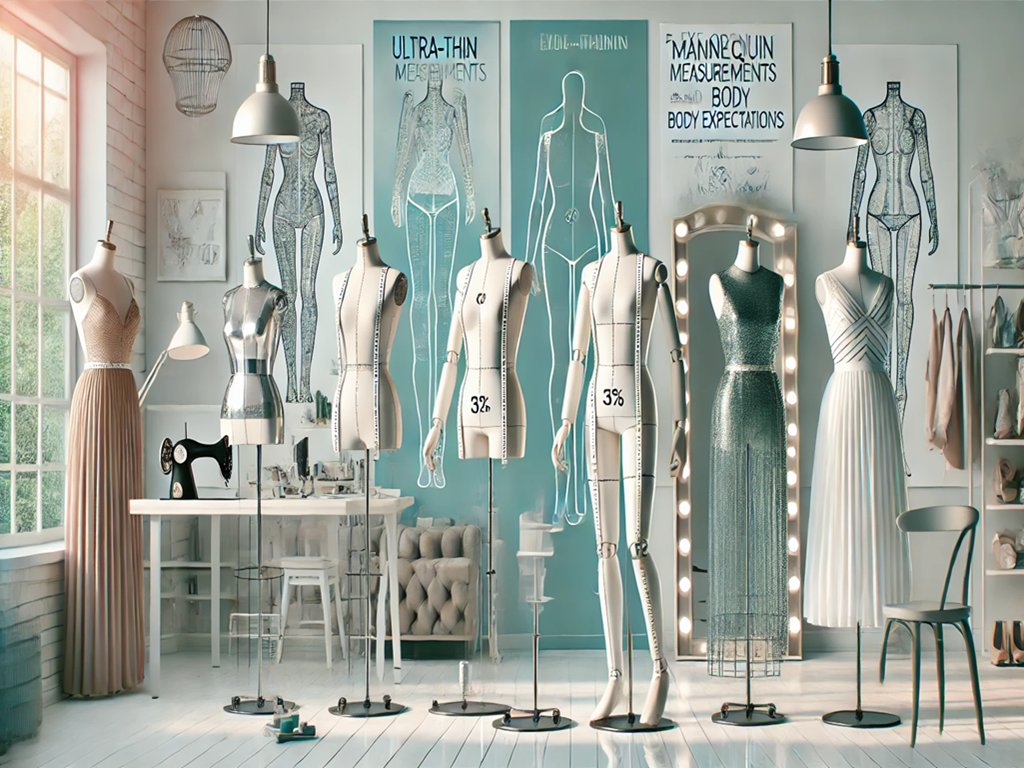
| 5 Eye-Opening Facts About Mannequin Measurements and Body Expectations | ||
|---|---|---|
| Fact | Insight | Why It Matters |
| Most mannequins are size 6–8 | Do not reflect UK average sizing | Reinforces unrealistic norms |
| Legacy sizing is outdated | Rarely updated since the early 1900s | Doesn’t match modern diversity |
| New brands are leading change | Using size 12–16 mannequins | Improves inclusion and sales |
| Impact is subtle but powerful | Shapes public body image | Can harm or uplift self-esteem |
| Representation drives wellness | Visual cues affect confidence | Everyone deserves to be seen |
Takeaway: Redefining Beauty Beyond the Shop Window
The issue with traditional mannequin measurements goes deeper than retail aesthetics. It’s about how silently but persistently these lifeless forms influence what we believe is acceptable. But here’s the empowering truth — we are not molded from fiberglass, nor should our confidence depend on display models.
You are not meant to shrink to fit a standard. You are meant to expand your definition of beauty. Every curve, every shape, every story held in your body deserves visibility. As more brands start embracing realistic sizing and diversity, we’re reminded that inclusion isn’t a trend — it’s a correction.
So, let’s celebrate the evolution. Let’s choose to see our reflections in spaces that were once silent about us. And most importantly, let’s continue to push for fashion that honors who we are — not who we’re told to be.
Frequently Asked Questions About Mannequin Measurements
What are the typical mannequin measurements in stores?
Most retail mannequins represent a UK size 6 to 8, which is significantly smaller than the average UK woman.
Do mannequins affect how people view their bodies?
Yes. Studies show that consistent exposure to slim mannequins can lead to negative body image and low self-esteem, especially in young women.
Are stores changing their mannequins?
Some brands like Nike, John Lewis, and Selfridges have introduced more realistic mannequins to reflect average body types.
Why haven’t most mannequins been updated?
Legacy sizing, manufacturing costs, and outdated beauty ideals have contributed to the slow change, though consumer demand is driving reform.
What can be done to improve body representation in stores?
Brands can update mannequins, use diverse models in campaigns, and promote wellness-focused messaging to shift public perception.
