


Are you wondering if Stress and Weight are connected? of course, yes or no. The right answer to the wondering queestions is answered in this editorial article.
If you’ve ever found yourself reaching for crisps after a bad day or noticed the scale creeping up during a stressful season, you’re not alone. What many don’t realise is how intimately stress and weight are connected — not just emotionally but biologically. In fact, new NHS-backed initiatives are finally beginning to address this link as part of a broader push toward holistic weight management in the UK.
As we step into 2025, the conversation around obesity is evolving. No longer limited to food diaries and gym routines, the latest health strategies now include a deeper focus on mental resilience, hormonal balance, and digital wellbeing tools. And at the centre of that conversation? Stress.
In this editorial, we explore six powerful and little-known ways stress affects your weight — and how understanding them could be the missing piece in your health puzzle.
Contents
- 1 6 Remarkable Ways Stress and Weight Are Secretly Connected — And What You Can Do About It
- 2 Cortisol Explained: The Hormonal Tug-of-War
- 3 Emotional Eating: More Than Just Comfort Food
- 4 Relaxation Techniques: The New Weight Loss Superpower
- 5 Sleep Quality: Your Metabolic Reset Button
- 6 Mindfulness Tools: Stress Awareness that Transforms Results
- 7 NHS and UK Policy Tools Addressing Stress and Weight (2025)
- 8 Final Thoughts: Stress and Weight Deserve Equal Attention
- 9 Does Stress and Weight Deserve Equal Attention? FAQ
6 Remarkable Ways Stress and Weight Are Secretly Connected — And What You Can Do About It
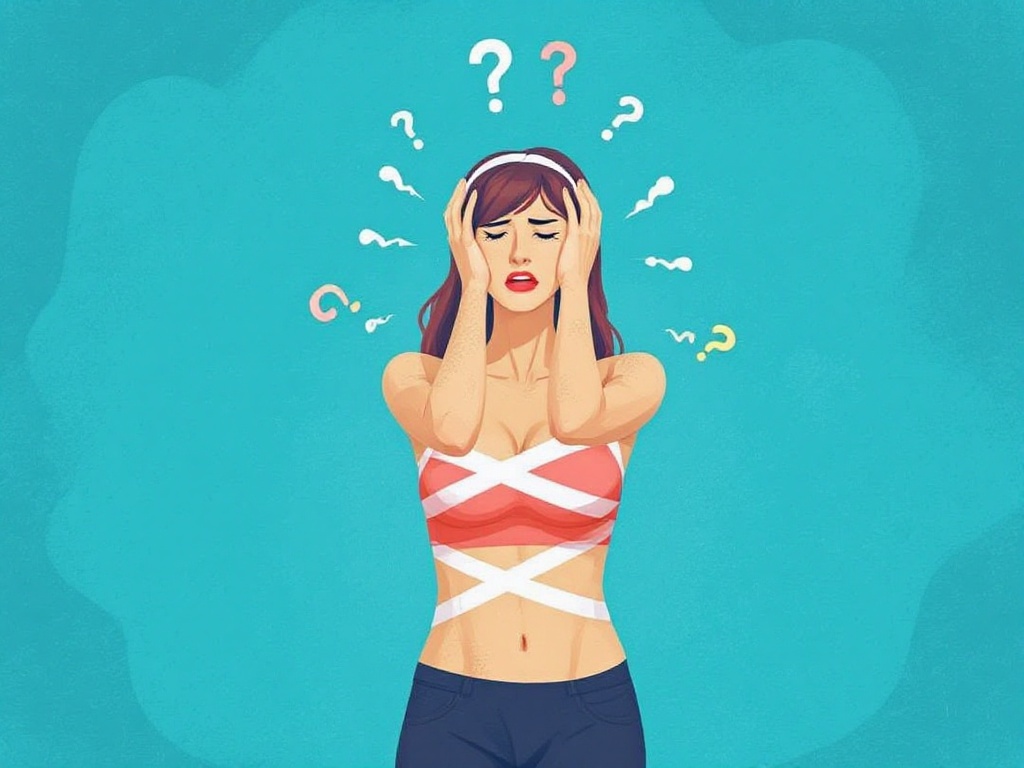
Cortisol Explained: The Hormonal Tug-of-War
When you’re under pressure, your body floods with cortisol, often called the “stress hormone.” While this response once helped our ancestors escape danger, today it can derail your metabolism and fat-burning potential.
According to NHS Inform and research from the University College London, chronic stress elevates cortisol, which encourages fat storage — particularly around the belly. That visceral fat isn’t just cosmetic. It’s metabolically active and linked to increased risk of type 2 diabetes, heart disease, and even cognitive decline.
What’s more, cortisol reduces insulin sensitivity and increases appetite for high-fat, high-sugar foods, making willpower alone a battle you’re biologically set up to lose.
This is why NHS-funded weight management programmes are now integrating behavioural coaching and stress tracking tools into their frameworks. You can learn more about these on our guide to UK Health Policy Changes.
Emotional Eating: More Than Just Comfort Food
Stress changes your brain. Literally. It downregulates the prefrontal cortex — the part responsible for logic and decision-making — while upregulating the amygdala, which controls emotional responses. This shift primes you for impulse eating, even if you’re not hungry.
A recent study published in The British Journal of Health Psychology found that individuals under chronic stress were more likely to engage in frequent snacking, especially on processed foods. These aren’t just eating habits — they’re coping mechanisms.
But emotional eating can be unlearned. NHS-approved digital therapy platforms like SilverCloud offer CBT-based tools to help reframe emotional triggers. For those navigating hormonal stress or midlife challenges, our editorial on Weight Loss Over 40 explores how tailored eating patterns can support both body and brain.
Relaxation Techniques: The New Weight Loss Superpower
While intense workouts and calorie counting often get the spotlight, emerging research shows that intentional relaxation may be just as important for weight management.
Practices like deep diaphragmatic breathing, meditation, and progressive muscle relaxation lower cortisol, reduce blood pressure, and improve mood. The NHS Mind Plan now recommends daily stress management as part of its holistic health strategy.
Even something as simple as a 10-minute walk outdoors can shift your nervous system from “fight or flight” to “rest and digest.” Curious how movement plays into this? Check out our article on Belly Fat Strategies That Actually Work, which includes stress-reducing activity tips.
Sleep Quality: Your Metabolic Reset Button
One of the most overlooked effects of stress is how it steals your sleep — and with it, your metabolic balance.
When stress interrupts sleep, it disrupts ghrelin and leptin, two hormones that regulate hunger and fullness. This leads to increased cravings, slower fat burn, and higher fat retention. According to the Sleep Foundation, just one night of poor sleep can increase calorie intake by up to 300 calories the next day.
In the UK, NHS-backed sleep hubs are expanding in 2025, offering CBT-I and tech-enabled tracking for people with stress-related insomnia. Read our full editorial on Sleep and Weight Loss to discover how improving your rest could jumpstart your results.
Mindfulness Tools: Stress Awareness that Transforms Results
Mindfulness is not just a buzzword — it’s a clinically validated tool for stress and weight loss. A 2023 meta-analysis in The Lancet Psychiatry confirmed that mindfulness-based stress reduction (MBSR) improves eating behaviours, reduces binge episodes, and supports long-term weight maintenance.
Apps like Headspace and Calm, now integrated into several NHS mental health pathways, offer guided meditations that rewire your brain’s response to stress. These tools are easy to start, even if you’ve never meditated before.
As explored in our Morning Routine Guide, mindfulness isn’t just for monks. It’s a daily discipline that helps you eat with intention, move with purpose, and respond to stress rather than react to it.
NHS and UK Policy Tools Addressing Stress and Weight (2025)
| Policy or Initiative | Impact on Stress & Weight |
|---|---|
| 24/7 Digital CBT Platforms (NHS Talking Therapies) | Supports emotional eating, anxiety, and stress-related weight gain |
| Weight Management Services (NHS Tier 2 & Tier 3) | Now include behavioural therapy and mental health support |
| NHS App Updates (Repeat Prescriptions & Sleep Tools) | Simplifies access to stress management and sleep resources |
| Workplace Wellness Partnerships (NHS & Employers) | Includes mindfulness training and stress screening for employees |
| Primary Care Access Reform | Faster GP access for stress-related conditions and weight consultations |
Final Thoughts: Stress and Weight Deserve Equal Attention
You can’t out-run, out-diet, or out-willpower chronic stress — but you can outsmart it. And that’s where the real progress lies in 2025.
With NHS health reforms finally recognising the biochemical and behavioural link between stress and weight, you now have more tools, support, and science than ever before. Whether you’re navigating hormonal shifts, emotional eating, or just trying to sleep through the night, the first step is recognising that you are not failing — your body is simply responding to survival mode.
By shifting from punishment-based plans to compassionate, strategic health approaches, you can transform your weight loss journey into something sustainable, empowering, and deeply human.
Because when we manage stress, we don’t just lose weight — we gain control.
Does Stress and Weight Deserve Equal Attention? FAQ
How does stress affect weight gain?
Stress triggers the release of cortisol, a hormone that increases appetite and promotes fat storage—especially around the abdominal area. Over time, chronic stress can lead to increased cravings, disrupted sleep, and emotional eating, all of which contribute to weight gain.
Can stress cause belly fat specifically?
Yes. Elevated cortisol levels caused by chronic stress are linked to the accumulation of visceral fat—commonly known as belly fat. This type of fat is metabolically active and is associated with higher risks for heart disease and insulin resistance.
What are signs that stress is affecting my weight?
Common signs include increased sugar or carb cravings, frequent emotional eating, disrupted sleep patterns, fatigue, and noticeable weight gain around the midsection despite no major changes in diet or exercise.
How can I reduce stress to support weight loss?
Incorporate techniques like mindfulness meditation, deep breathing, moderate exercise, and improved sleep hygiene. NHS Talking Therapies also offer free support for stress-related concerns that may interfere with health goals.
Is emotional eating the same as binge eating?
Not exactly. Emotional eating is typically driven by stress or emotions, while binge eating involves consuming large amounts of food in a short time with a lack of control. However, stress can trigger both, and support is available for managing these patterns.
Will managing stress actually help me lose weight?
Yes. By lowering cortisol through stress management, you reduce fat storage signals in the body. This improves hormonal balance, sleep quality, and appetite regulation—creating a healthier metabolic environment for weight loss.
Can sleep deprivation make stress-related weight gain worse?
Absolutely. Poor sleep increases ghrelin (hunger hormone) and decreases leptin (fullness hormone), making you more likely to overeat. Sleep deprivation also heightens cortisol levels, compounding the effects of stress on weight gain.
Are there NHS-supported tools for stress and weight loss?
Yes. The NHS now offers structured weight management programmes and digital CBT platforms that include stress-reduction, behavioural coaching, and mindfulness-based interventions to support holistic health.
How long does it take to see progress after reducing stress?
Improvements may begin within a few weeks, particularly in sleep, mood, and appetite. Visible weight changes may take longer depending on individual metabolism, but reducing stress supports long-term weight management.
Is stress-related weight gain reversible?
Yes. With proper support, lifestyle changes, and attention to stress management, many people successfully reverse stress-related weight gain and improve both physical and emotional wellbeing.
