Updated 23 September 2026. Protein powders can be useful for some older adults, but a “top 10” product list is not the safest way to answer this topic. Needs vary with appetite, diet, activity, body size, kidney function, illness, allergies, medicines and whether someone is actually struggling to obtain enough protein from food.
This guide focuses on the practical question of how to choose a plant-based protein powder for an older adult, using an evidence-based framework rather than product hype. It explains how much protein may be relevant, when a powder can help, how plant proteins compare, what to check on a label and when professional advice matters.
Do older adults need more protein?
Protein supports the maintenance and repair of body tissues, including muscle. Maintaining muscle mass and strength becomes increasingly important with age because loss of muscle can affect mobility, independence and recovery from illness.
The ESPEN practical guideline on nutrition and hydration in older people recommends at least 1 gram of protein per kilogram of body weight per day for older adults, adjusted for nutritional status, activity, disease and tolerance. Expert groups have commonly suggested around 1.0 to 1.2 g/kg/day for healthy older adults, with different needs in illness or malnutrition.
Those numbers are not a DIY prescription for every person. Someone with kidney disease, severe illness, frailty or significant weight loss needs individual assessment. Protein requirements can be higher in some circumstances and restricted in others.
Food first — unless food is not enough
A protein powder is a supplement, not a requirement of healthy ageing. Many people can meet their needs through ordinary foods such as beans, lentils, tofu, tempeh, soya foods, dairy products, eggs, fish, meat, nuts and seeds.
Powders become useful when convenience or appetite is the limiting factor. Examples include an older person who struggles to eat a large breakfast, someone who follows a vegan diet and finds it difficult to reach protein needs, or an active adult who wants an easy post-exercise option.
If appetite is poor because of illness, swallowing problems, dental issues, nausea or unintended weight loss, simply buying protein powder may miss the real problem. That situation deserves clinical or dietetic assessment.
When might a plant-based protein powder make sense?
A powder may be practical if you:
- eat a plant-based or vegan diet and need a convenient concentrated protein source;
- have a small appetite and find large protein-rich meals difficult;
- exercise regularly and want a simple food option after training;
- need an ingredient that can be added to porridge, soup or smoothies;
- avoid dairy because of preference, allergy or intolerance;
- have been advised by a dietitian or healthcare professional to increase protein intake.
The goal is to fill a nutritional gap, not to add a powder on top of an already adequate diet because the label promises “longevity”.
Plant protein can support muscle, but source and overall diet matter
Plant proteins differ in amino-acid profile and digestibility. Soy is a complete protein, while pea, rice and other sources are often blended to provide a broader amino-acid profile.
A 2023 systematic review and meta-analysis of plant-protein interventions in adults aged 60 and over found that plant-protein interventions were broadly comparable with control interventions for body composition, strength and physical function, although the evidence base was limited and most included trials used soy.
A newer 2025 meta-analysis comparing plant and animal proteins found no significant difference in muscle strength or physical performance overall, while some differences in muscle-mass outcomes depended on protein source and age group. The practical takeaway is not that plant protein is “inferior”, but that quality, dose, total diet and resistance exercise all matter.
Resistance exercise and protein work better as a team
Protein alone does not make muscles stronger. The body also needs a reason to maintain and build muscle.
The NHS physical-activity guidance for older adults recommends activities that improve strength, balance and flexibility on at least two days a week, alongside aerobic activity where appropriate.
For someone who is able to exercise safely, resistance training can include weights, machines, resistance bands, body-weight movements, carrying loads or other activities that challenge the major muscle groups.
If frailty, pain, heart disease, recent surgery or another condition limits exercise, ask a physiotherapist or healthcare professional what is safe rather than assuming more protein alone will protect muscle.
How much protein should a powder provide?
There is no universal “best” scoop size. What matters is how the powder contributes to your total daily intake.
Many commercial products provide roughly 15 to 30 grams of protein per serving. A higher number is not automatically better. If your meals already provide enough protein, a large additional shake may simply add calories without solving a nutritional problem.
Think in terms of the whole day. An older adult who eats little protein at breakfast may use a powder to improve that meal. Someone who already eats yoghurt, eggs, beans, fish or other protein foods across the day may not need a supplement at all.
What to look for on a plant-protein label
1. Protein per serving
Check the grams of protein in the serving you will realistically use, not just the percentage shown on the front of the pack.
2. Protein source
Soy, pea, rice and blended plant proteins are common. A blend can help provide a more balanced amino-acid profile, but a blend is not automatically superior if the total protein and diet are already adequate.
3. Added sugar
Flavoured products can vary considerably. Compare labels if you are trying to manage total energy or sugar intake.
4. Sodium
Some powders and meal-replacement products contain substantial sodium. This may matter if you have been advised to reduce salt.
5. Vitamins, minerals and herbs
Extra ingredients can make a label look impressive but are not always useful. A protein powder does not become better simply because it also contains adaptogens, “superfoods”, digestive enzymes or a long vitamin list.
6. Allergens
Soya is a common allergen. Products can also be manufactured in facilities handling milk, nuts or other allergens. Read the allergen statement carefully.
7. Serving instructions
Make sure you understand whether the nutrition panel refers to the powder alone or a prepared drink containing milk or another ingredient.
Do you need BCAAs added?
Branched-chain amino acids are commonly highlighted on sports-nutrition labels. If a powder already provides an adequate amount of high-quality protein, separately added BCAAs are not necessarily a reason to pay more.
Muscle protein synthesis requires a full range of essential amino acids, not only three BCAAs. Focus first on the total protein and overall amino-acid quality.
What about leucine?
Leucine is one of the essential amino acids involved in signalling muscle protein synthesis. Older muscle can be less responsive to small protein doses, which is one reason researchers study protein amount and amino-acid composition in ageing.
That does not mean every older adult needs a leucine supplement. A well-formulated protein product and a varied diet can provide essential amino acids without creating a separate supplement stack.
Are plant protein powders easier to digest?
Not automatically. Some people prefer plant powders because they avoid lactose or milk proteins, but others experience bloating or discomfort from pea protein, gums, sweeteners or other additives.
“Plant-based” should not be translated into “gentle on every stomach”. If you have irritable bowel syndrome or another gastrointestinal condition, the ingredient list may matter as much as the protein source.
Start with a smaller serving if you are trying a new product and stop if it consistently causes symptoms.
Do protein powders improve blood sugar?
A protein-containing meal can affect post-meal glucose differently from a high-carbohydrate meal, but it is misleading to say that a protein powder “stabilises blood sugar” for every older adult.
If you have diabetes, the carbohydrate content of the powder, what you mix it with, total meal composition and medicines all matter. Do not use a shake to replace diabetes treatment or change medication without clinical advice.
Do they reduce inflammation or joint pain?
Some products add turmeric, herbs or antioxidants and are then marketed for inflammation or recovery. That does not mean the protein itself treats arthritis or inflammatory disease.
If joint pain limits activity, getting enough protein and doing appropriate exercise may support general function, but persistent pain deserves appropriate assessment. Avoid paying a premium for a broad “anti-inflammatory” claim unless there is evidence for the specific ingredient, dose and outcome.
Do “gut health” ingredients make a protein powder better?
Probiotics, prebiotics and digestive enzymes are frequently added to premium powders. Their presence does not prove that the product improves gut health.
The NHS notes that evidence for probiotics is condition- and product-specific and that many broad health claims are not well supported. A protein powder containing an unspecified probiotic is not automatically equivalent to a product studied in a clinical trial.
Protein powder is not a meal replacement unless it is designed as one
Protein powder mainly provides protein. A complete meal needs more: energy, fibre, essential fats, vitamins, minerals and often carbohydrate.
A scoop mixed with water is therefore not an adequate replacement for breakfast or dinner just because it contains 20 grams of protein.
If poor appetite makes full meals difficult, you can make a more complete drink by combining protein with ingredients such as fortified milk or soya drink, oats, fruit, nut butter or yoghurt, depending on your needs. For someone at risk of malnutrition, a dietitian may recommend a specific oral nutritional supplement rather than a generic gym product.
When weight loss is not the goal
Older adults who are losing weight unintentionally need a different approach from someone deliberately trying to reduce body fat. Unintended weight loss, reduced appetite and declining strength can be signs of malnutrition, illness or other problems.
In that situation, choosing the lowest-calorie shake is not necessarily sensible. Adequate energy as well as protein may be needed.
If clothes are becoming loose, appetite has fallen, meals are being skipped or strength is declining, speak with a GP or dietitian rather than treating the problem as ordinary “healthy ageing”.
Kidney disease changes the conversation
People with chronic kidney disease can have different protein requirements depending on disease stage, nutritional status and treatment. Generic high-protein advice is therefore inappropriate.
If you have kidney disease, reduced kidney function or have been given a protein target by a renal team, follow that advice before adding a concentrated protein powder.
What about older adults on a vegan diet?
A well-planned vegan diet can provide adequate protein, but it requires attention to both quantity and variety. Beans, lentils, chickpeas, tofu, tempeh, soya yoghurt, fortified soya milk, nuts, seeds and wholegrains can all contribute.
The NHS vegan-diet guidance also highlights nutrients that may be harder to obtain, including vitamin B12, vitamin D, iodine, selenium and calcium. A protein powder does not automatically supply those nutrients unless they are deliberately added.
A practical way to choose a product
Instead of searching for the “best protein powder for seniors”, use this sequence:
- Estimate the gap. Look at your normal meals and ask whether protein intake is actually low.
- Choose the simplest product that fills it. You usually do not need ten additional herbs and vitamins.
- Check protein per serving. Compare using the serving you will use.
- Check allergens and tolerance. Avoid ingredients that have caused problems before.
- Check sugar, calories and sodium. Match them to your health goals.
- Choose a reputable seller. Avoid products making disease-treatment or dramatic anti-ageing claims.
- Review whether it helps. A powder should make the diet easier or more adequate, not just add expense.
Example uses without turning every meal into a shake
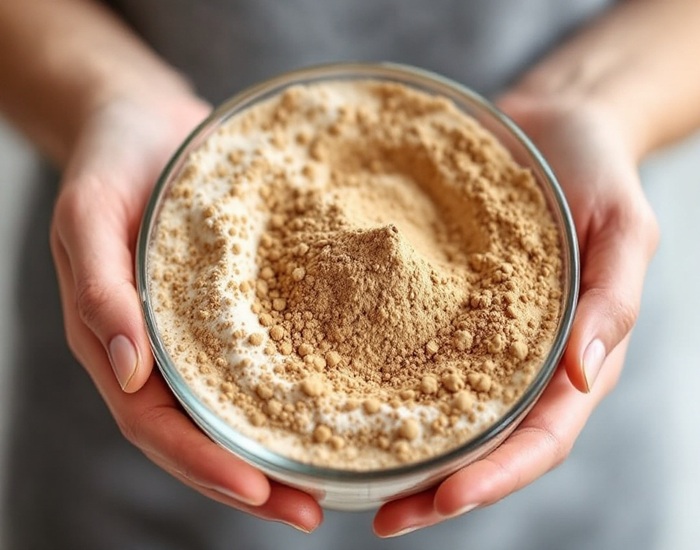
A neutral or lightly flavoured plant protein can be added to porridge, blended with fortified soya drink and fruit, stirred into yoghurt alternatives or incorporated into recipes where the texture works.
For someone with a small appetite, dividing protein across meals and snacks may feel easier than one very large serving. For an active older adult, a shake after strength training can be convenient when a meal is not available soon.
There is no need to drink multiple shakes per day simply because the product is marketed to older people.
Questions to ask before buying
- Am I actually struggling to get enough protein?
- Could food solve the problem just as easily?
- Does this product provide a useful amount of protein per serving?
- Is the ingredient list unnecessarily complicated?
- Does it contain ingredients that interact with my medicines?
- Is it suitable for my allergies and digestive tolerance?
- Am I losing weight unintentionally?
- Do I have kidney disease or another condition that changes protein needs?
- Is the company making claims that sound like medical treatment?
What people often want to know about Plant-Based Protein Powders for Seniors
What is the best plant-based protein powder for seniors?
There is no single best product. A suitable powder provides a useful amount of protein, fits the person’s diet and medical needs, is tolerated well and comes from a reputable supplier without unnecessary claims.
Is pea protein good for older adults?
Pea protein can be a practical plant source. Some products combine it with rice or other proteins to broaden the amino-acid profile. Tolerance and total protein intake matter more than marketing language.
Is soy protein safe for older adults?
Soy foods and soy protein can contribute to a balanced diet for most people who are not allergic to soy. If you have a specific medical concern, ask an appropriate healthcare professional rather than avoiding soy based on general hormone claims.
How much protein should an older adult eat?
ESPEN guidance gives at least 1 g/kg/day as a general baseline for older adults, with individual adjustment for nutritional status, activity, disease and tolerance. Personal needs can differ substantially.
Can a protein powder replace meals?
A plain protein powder is not nutritionally complete and should not automatically replace meals. Purpose-made oral nutritional supplements or meal replacements are different products.
Will plant protein prevent muscle loss?
Adequate protein can support muscle maintenance, but activity—particularly resistance exercise where safe—is also important. No powder can guarantee prevention of age-related muscle loss.
Do seniors need protein immediately after exercise?
There is no need to panic about a narrow “anabolic window”. Having adequate protein across the day and around training is more important than hitting an exact minute after exercise.
What matters most about Plant-Based Protein Powders for Seniors
Plant-based protein powders can be useful for older adults, but the best choice is not the product with the longest ingredient list or the loudest anti-ageing claims.
Start with the person’s actual protein needs, food intake, health conditions and goals. Choose a straightforward product if there is a genuine gap, use it as part of a balanced diet and combine adequate nutrition with safe physical activity where possible.
For an older adult with poor appetite, unintended weight loss, frailty, kidney disease or significant illness, personalised advice matters more than a generic “best protein powder” ranking.
Older-adult nutrition note: The guidance below is general information for UK readers. It is not a personalised protein prescription. Older adults with medical conditions, unintended weight loss or concerns about malnutrition should seek advice from a GP, registered dietitian or relevant clinical team.
Explore the wider topic: See our Everyday Nutrition guide for protein, plant-based eating and balanced-meal resources.