


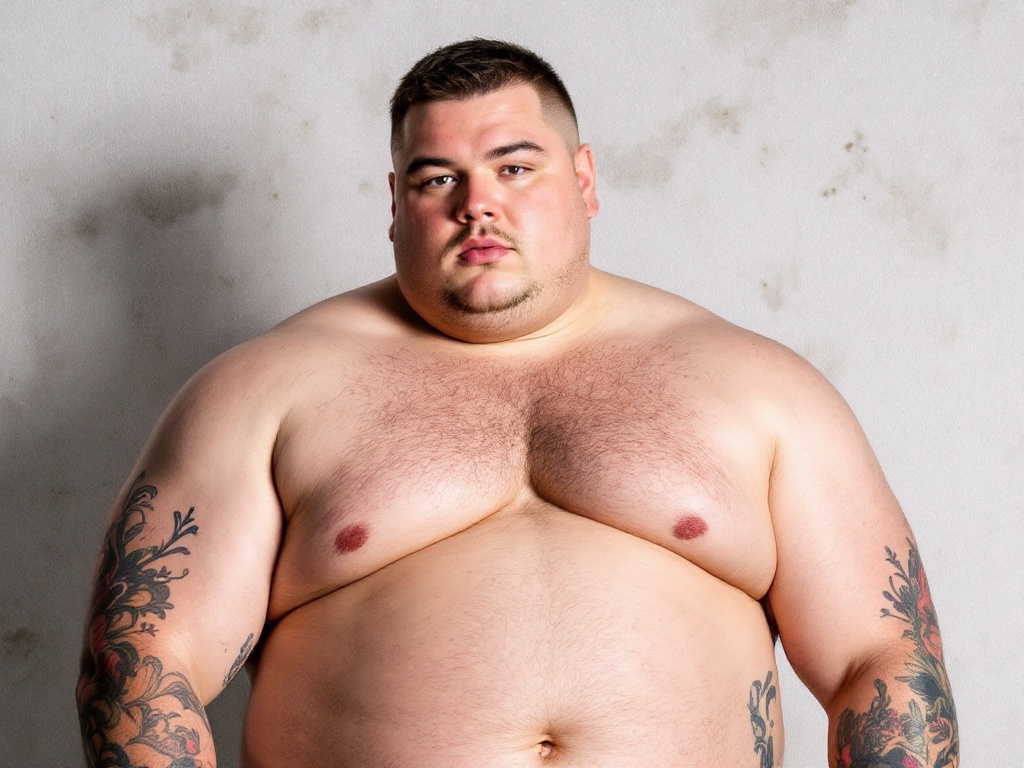
Chubby male model representation is finally having its moment — and it’s about time. For decades, fashion has painted a painfully narrow picture of male beauty, celebrating only lean, muscular physiques as the gold standard. But real men come in all sizes, and the industry is slowly waking up to that truth.
If you’ve ever looked at glossy ads or Instagram influencers and felt invisible, you’re not alone. The modern movement of size-diverse male models is rewriting the rules, proving that confidence and presence have nothing to do with a flat stomach or bulging biceps. These men are walking runways, landing brand deals, and most importantly, they’re reshaping how the world views masculinity and beauty.
In this post, we’re celebrating the rise of these powerful figures and exploring how they’re inspiring others to show up — boldly, fully, and unapologetically — just as they are. Here are seven inspiring ways that chubby male models are transforming fashion, wellness, and cultural confidence.
Contents
- 1 Meet the Men Changing the Face of Fashion
- 2 Why Representation Matters in the Modelling Industry
- 3 How Male Body Positivity Is Growing in the Media
- 4 Fitness vs Fatness: A Healthier Conversation
- 5 Fashion Brands Embracing Real Body Diversity
- 6 How Confidence Is the Most Attractive Trait
- 7 Tips to Build Body Confidence at Any Size
- 8 Final Thoughts: You Deserve to Be Seen as You Are
- 9 Frequently Asked Questions About Chubby Male Models
Meet the Men Changing the Face of Fashion
Zach Miko, the first plus-size male model to sign with IMG, opened the doors for a conversation that had long been ignored. Models like Steven G and Kelvin Davis have since built platforms that go beyond size — they challenge stereotypes and proudly wear their bodies as they are. These men are not waiting for permission to belong. They’re owning their presence.
They walk in fashion weeks, appear in grooming campaigns, and stand confidently in swimwear editorials, reminding us that style isn’t defined by waistlines. It’s defined by energy, expression, and authenticity.
Why Representation Matters in the Modelling Industry
You and I both know what it feels like to look for ourselves in the media and not find a reflection. That lack of representation doesn’t just affect visibility — it affects mental wellness. When brands only feature thin, gym-sculpted men, the subconscious message is clear: everyone else is unworthy.
By welcoming chubby male models into the mainstream, the industry begins to repair its historical exclusion. This isn’t just a win for plus-size models. It’s a win for every man who’s ever hidden at the beach, avoided fitted shirts, or questioned his worth in a changing room.
Studies published in The Guardian show that size diversity in modelling correlates with improved self-esteem in consumers. When brands reflect real life, people start living it more confidently.
How Male Body Positivity Is Growing in the Media
Unlike female body positivity, which has gained mainstream traction, male body image discussions have often been silenced. But today, media platforms, from GQ to Men’s Health, are opening up about the reality behind male insecurity. Documentaries, influencer-led movements, and wellness blogs have begun spotlighting real men, not just cover models.
Social media also plays a crucial role. Hashtags like #BodyPositiveMen and platforms like Notoriously Dapper are now hubs for empowerment. They prove that masculinity isn’t tied to a number on a scale and that strength can be emotional, stylish, and empathetic, too.
For a holistic approach to reshaping confidence, wellness for busy people provides a grounded resource for real lifestyle changes without the pressure of perfection.
Fitness vs Fatness: A Healthier Conversation
It’s time to separate health from harmful aesthetics. You can be fit and not have a six-pack. You can work out, eat well, sleep right, and still live in a body that doesn’t meet old modelling standards.
Many chubby male models live active lives while rejecting the toxic culture of shame. In fact, a 2022 review published in BMJ Open concluded that fitness markers such as strength, cardiovascular health, and flexibility hold greater predictive value than BMI alone.
We’ve seen this echoed in content like fast metabolism boosting, where metabolic health outweighs physical measurements. This is the conversation chubby models are helping society have — finally.
Fashion Brands Embracing Real Body Diversity
From ASOS to Savage x Fenty, brands are catching up. Campaigns now feature fuller-figured men alongside slim models. They’re not gimmicks but bold business moves based on what customers want — authenticity.
Even legacy fashion houses are dipping into inclusive sizing for men. This is more than marketing. It’s a correction of years of erasure. And it makes space for everyone to enjoy fashion without shame.
Pair this trend with growing access to high-protein meals for weight loss, and you see how lifestyle and fashion align in healthier, more sustainable ways.
| 7 Inspiring Ways Chubby Male Models Are Redefining Beauty and Confidence | ||
|---|---|---|
| Inspiring Shift | Key Insight | Cultural Impact |
| Representation | Models like Zach Miko opened the door for size diversity | Creates space for body acceptance in fashion |
| Media Visibility | Male body positivity is gaining real momentum | Encourages healthier role models for men |
| Health Narrative | Separates health from thinness | Reframes how we define “fit” |
| Fashion Progress | More brands are embracing size inclusion | Transforms how men shop and feel |
| Confidence | The most magnetic trait at any size | Fuels self-expression and acceptance |
How Confidence Is the Most Attractive Trait
You’ve likely heard this a hundred times, but when you see it embodied by someone like Kelvin Davis walking a catwalk with presence and power, it lands differently. Confidence isn’t built in a gym; it’s built in moments when you refuse to hide.
Chubby male models radiate that truth. They don’t apologise for their softness, their curves, or their stretch marks. And in doing so, they permit every viewer to embrace their humanity.
When ways to build a body you love are paired with unapologetic confidence, we stop asking, “What do I look like?” and start asking, “What do I feel like?”
Tips to Build Body Confidence at Any Size
Wear clothes that fit and flatter you now — not “when you lose weight.”
Unfollow unrealistic accounts and fill your feed with real people
Move your body for joy, not punishment
Speak kindly to yourself, especially when no one is listening
Surround yourself with affirming voices in media and real life
Confidence is not size-exclusive. It’s mindset-inclusive.
Final Thoughts: You Deserve to Be Seen as You Are
Chubby male models are not just reshaping fashion. They’re reshaping identity. They remind us that our presence is not a problem to be fixed but a story to be celebrated.
You don’t have to wait to be thinner, leaner, or more defined to live out loud. Just like these trailblazers, you have the right to be seen — and styled — as you are.
Frequently Asked Questions About Chubby Male Models
Who was the first chubby male model to go mainstream?
Zach Miko was the first plus-size male model signed to IMG Models, paving the way for broader representation in fashion.
Are brands now hiring more plus-size male models?
Yes. Brands like ASOS, BoohooMAN, and Savage x Fenty now include size-inclusive male models in their campaigns.
Can chubby men be healthy and fit?
Absolutely. Health is not defined by size. Fitness is about cardiovascular, muscular, and metabolic strength — not just appearance.
Why does male body positivity matter?
Because men face body image struggles too, and positive representation can reduce shame, boost mental health, and improve self-esteem.
What’s the best way to build body confidence?
Start with self-respect, media literacy, and clothing that fits well. Surround yourself with affirming messages and real role models.
