


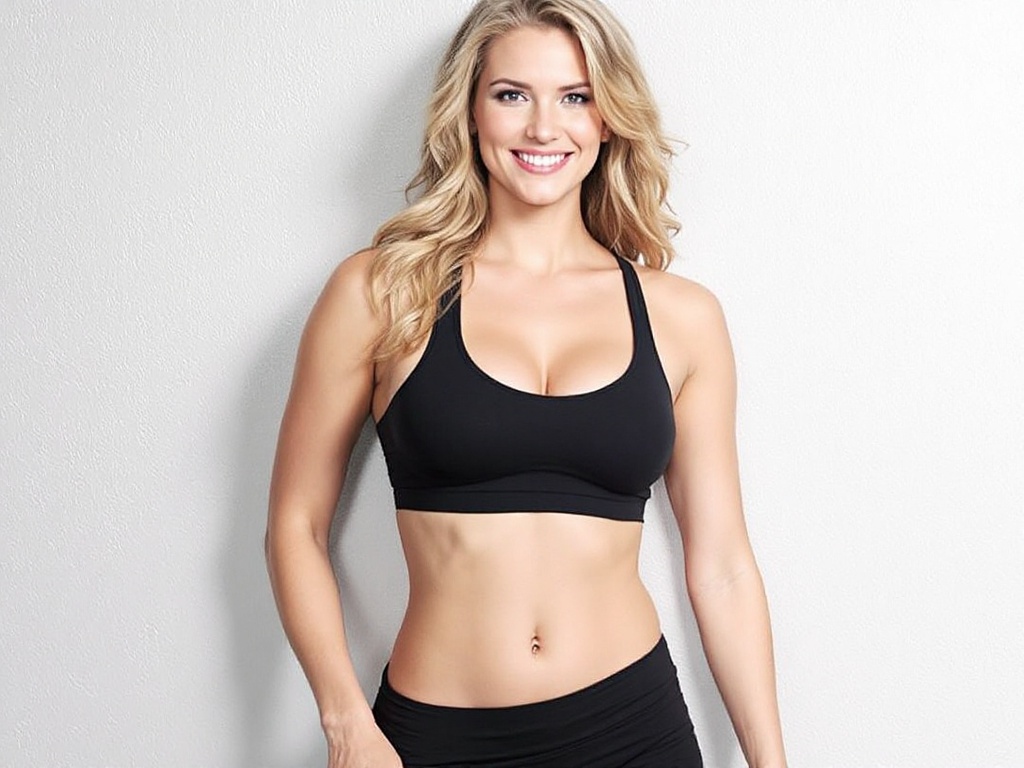
When people search for the ideal measurements for women who are 5’5”, they’re often looking for more than just a number; they’re searching for validation, for confidence, for a sense that their body is “right.” But the truth is, there is no single standard that defines an ideal body—especially not one tied to height alone.
In this piece, we’ll explore seven evidence-backed, empowering ways to redefine what “ideal” really means, especially for women who stand at 5’5”. We’ll also challenge the outdated model of perfection still lingering in fashion, fitness, and even healthcare.
Contents
- 1 Why “Ideal” Varies by Health, Not Just Height
- 2 What 5’5 Means in Fashion vs. Reality
- 3 The Role of Genetics in Body Composition
- 4 Setting Health Goals Based on Feel, Not Look
- 5 How to Measure Progress Without Obsessing
- 6 Celebrating the Beauty of Every Body Type
- 7 Body Composition Tips That Work for Your Frame
- 8 Final Thoughts
Why “Ideal” Varies by Health, Not Just Height
We’ve been conditioned by decades of fashion campaigns and clinical charts to assume that ideal body measurements are fixed by height. But health experts and researchers now agree: ideal is not a size – it’s a state of well-being.
According to the NHS weight management guidelines, your body composition – not your weight or waistline alone – is a more accurate indicator of health. For a woman who is 5’5” (165 cm), the so-called “ideal” measurements might change depending on muscle mass, bone structure, and lifestyle factors.
If your body feels strong, your energy is stable, and your biomarkers are in range, you’re likely in your personal ideal — regardless of what the tape measure says.
What 5’5 Means in Fashion vs. Reality
In the fashion world, 5’5” once meant “too short.” But in real life, it’s the average height for women in the UK, according to the Office for National Statistics. Unfortunately, sample sizes and model standards still lean toward a narrow silhouette.
To understand this better, we’ve compiled a helpful table comparing fashion expectations to realistic metrics, based on our editorial “Sample Size Fashion: 6 Refreshing Truths That Will Change How You Shop”.
| Industry Standard (Fashion) | Real-Life Average (UK Women) |
|---|---|
| Bust: 34” | Waist: 24” | Hips: 34” | Bust: 38” | Waist: 32” | Hips: 42” |
| Sample size 6–8 | Size 14–16 |
Explore more in our full feature on typical model measurements.
The Role of Genetics in Body Composition
You can do everything “right” and still not look like a magazine cover. That’s not failure — it’s biology.
Genetics influence fat distribution, bone width, metabolism, and even muscle fiber type. According to a Harvard Health report, up to 70% of body composition traits are genetically driven.
So, if your thighs retain more volume or your waistline fluctuates with hormones, that’s not a flaw — it’s a reflection of your blueprint. Instead of chasing someone else’s proportions, focus on harnessing your genetic strengths.
Setting Health Goals Based on Feel, Not Look
Here’s the reality: You’ll feel the benefits of a healthy body before you see them.
We suggest shifting your goals from “I want to be a size X” to:
- “I want to lift heavier without fatigue.”
- “I want to sleep better without supplements.”
- “I want to walk up the stairs without breathlessnes.s”
These are what we call functional wins, and they’re far more sustainable than cosmetic benchmarks.
For a great starting point, explore 7 powerful strategies to lose fat without losing weight — focused on strength, energy, and stamina.
How to Measure Progress Without Obsessing
Scales and tape measures have their place, but they don’t tell your whole story. You can lose inches but gain weight. You can gain muscle but drop a dress size. That’s why we recommend using:
- Progress photos (same lighting, same posture)
- How your clothes fit week to week
- Strength logs and physical performance
- Energy levels and mood tracking
Try our trusted FFMI calculator to track lean mass without scale obsession.
Celebrating the Beauty of Every Body Type
You are not a mannequin. And you shouldn’t try to be one.
From chubby male models breaking barriers to Tyra Banks’ unapologetic weight journey, the modern beauty narrative is expanding — finally.
If you stand at 5’5”, chances are you’ve been told your body is either too short, too curvy, or too “average” to be aspirational. But, beauty is not a template. It’s a spectrum of health, emotion, and individuality.
Body Composition Tips That Work for Your Frame
Instead of shrinking yourself to fit a mould, focus on sculpting strength and resilience. For women around 5’5”, these strategies are remarkably effective:
- Strength training 3–4x/week: Build lean muscle to boost metabolism
- Prioritise protein (1.6–2.2g/kg): Helps with satiety and muscle repair
- Hydration and sleep: Optimise hormonal balance and recovery
- Gentle routines: Yoga, walking, and cycling for stress relief and circulation
If you’re curious about nutrition that supports your goals, explore our high-protein meals for weight loss guide.
Final Thoughts
There is no “perfect” measurement for a woman who is 5’5”. There is only your version of optimal — one that reflects your lifestyle, values, and health goals. The next time you see a size chart or model silhouette, remember: you are not meant to shrink to fit the world. The world is finally learning to expand to fit you.
Start defining your ideal not by inches but by how powerfully you live in your body.
For more mindset and wellness insight, don’t miss our article on wellness for busy women, or try remarkably healthy habits that support every shape, every age.
